
Consulting and Mentorship
Photography
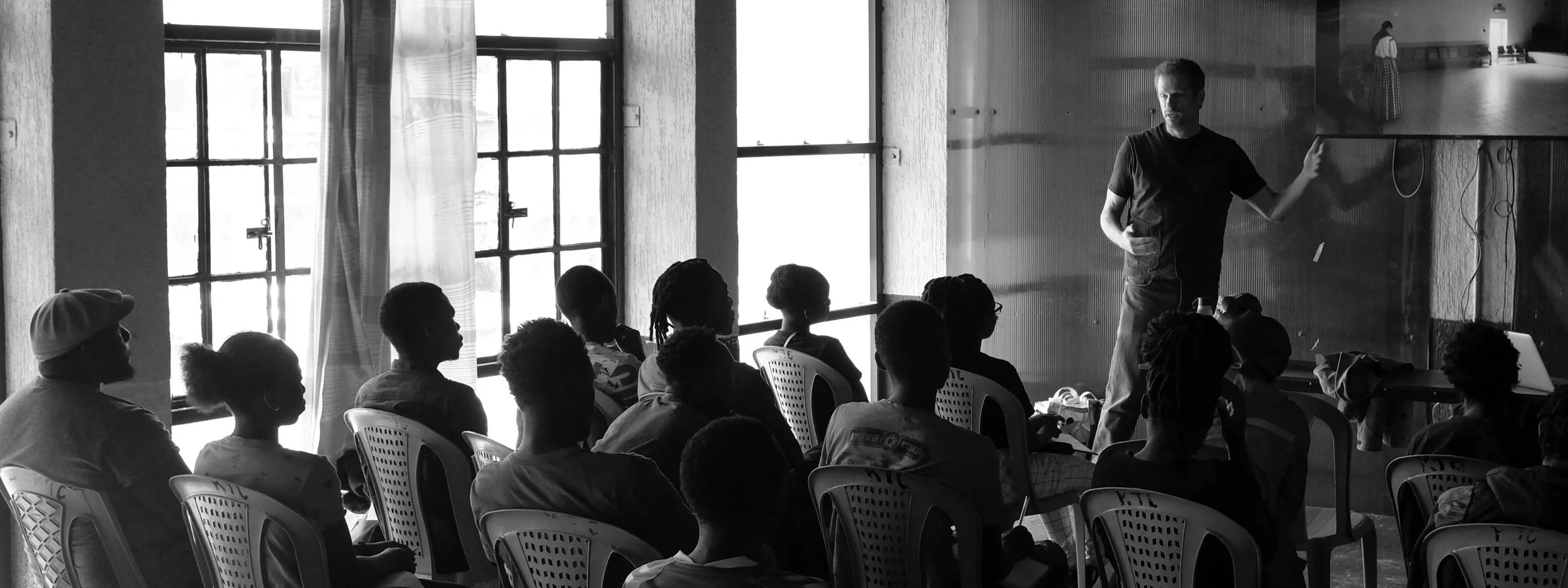
Photo workshop, Kibera slum, Nairobi
“I just did a couple of missions in and out of Sudan to support communications on the ground. It was really fruitful and your iPhone guide helped us tremendously! These are very practical tips we can apply instantly. I also found the one-on-one tutoring extremely beneficial. I am grateful for your help and support.”
- Candice Lok-ying Lau, (former) Communication Officer, UNICEF Sudan
Sometimes miracles are just good people with kind hearts. This is how I can simply describe Bill Crandall. There aren’t enough words to vividly tell who Bill is.
One of the standout aspects of Bill’s work is his ability to engage students, even those with little prior experience or access to photography equipment. His students learn not just how to take a photo, but how to convey powerful messages through their images. His approach is both practical and inspirational.
His students no longer see themselves as limited and hopeless by their surroundings; they are now empowered to express their own realities through the lens of a camera. This kind of work is essential in changing perceptions, not just within Kibera, but across Nairobi and the world at large.
Bill is helping to shift the narrative about Kibera. The group exhibition Kibera Unseen was inspired by the workshop that Bill had with photographers from Kibera photographers. He challenged them to showcase positive aspects about the community. The photographers came together and did the first photo exhibition both in and by the community, showing the good side that the world rarely speaks about.
Bill has not only taught photography, he has also given his students the confidence to tell their stories, share their voices, communicate effectively and create a lasting impact in their community.
- Hassan Ahmed, Founder, Kibra Film and Creative Hub, Nairobi, Kenya
In a world of both image oversaturation and distrust of images, how to stand out and communicate your stories powerfully and effectively?
AI is not the answer, it’s seductive but don’t do it! Studies are already showing growing aversion to AI-generated images. This is a pivotal moment to instead lean into truth and the human elements that viewers crave.
Whether you’re an individual artist or an organization, the solutions are surprisingly simple: infuse your visual storytelling with authenticity, intelligence (the natural kind), creativity, and a relentless focus on the human element. For artists I stress the importance of personal vision, what I call ‘authorship’ - rejecting the cookie-cutter in favor of photo strategies that assert a unique and persuasive point of view.
Ok, but how to do that? What are specific ways to achieve these qualities in your photography and in how you use it? Of course, ‘simple’ doesn’t mean easy. Yes, in a sense photography is easy, anyone can push a button on a smartphone camera. Yet we see the result in countless unremarkable images.
I’m here to help you discover a more consistent, fully-developed visual vocabulary in service of your ideas, stories, and goals.
In my photo freelance career I was published regularly for leading newspapers and magazines and I’ve exhibited widely in the US and abroad. For 15 years I was a photo teacher at a prestigious Washington DC art program. I’ve been a curator, editor, speaker, and workshop leader from Nairobi’s Kibera slum to DC’s Fotoweek festival, National Press Club, and the World Bank.
No matter your skill level, I can help you improve. No matter your photography budget, I can help raise your game. It’s not matter of equipment. The fact is that anyone can quickly learn and adopt better photo strategies and know-how, using any camera.
Contact me with inquiries
Ethical Tech
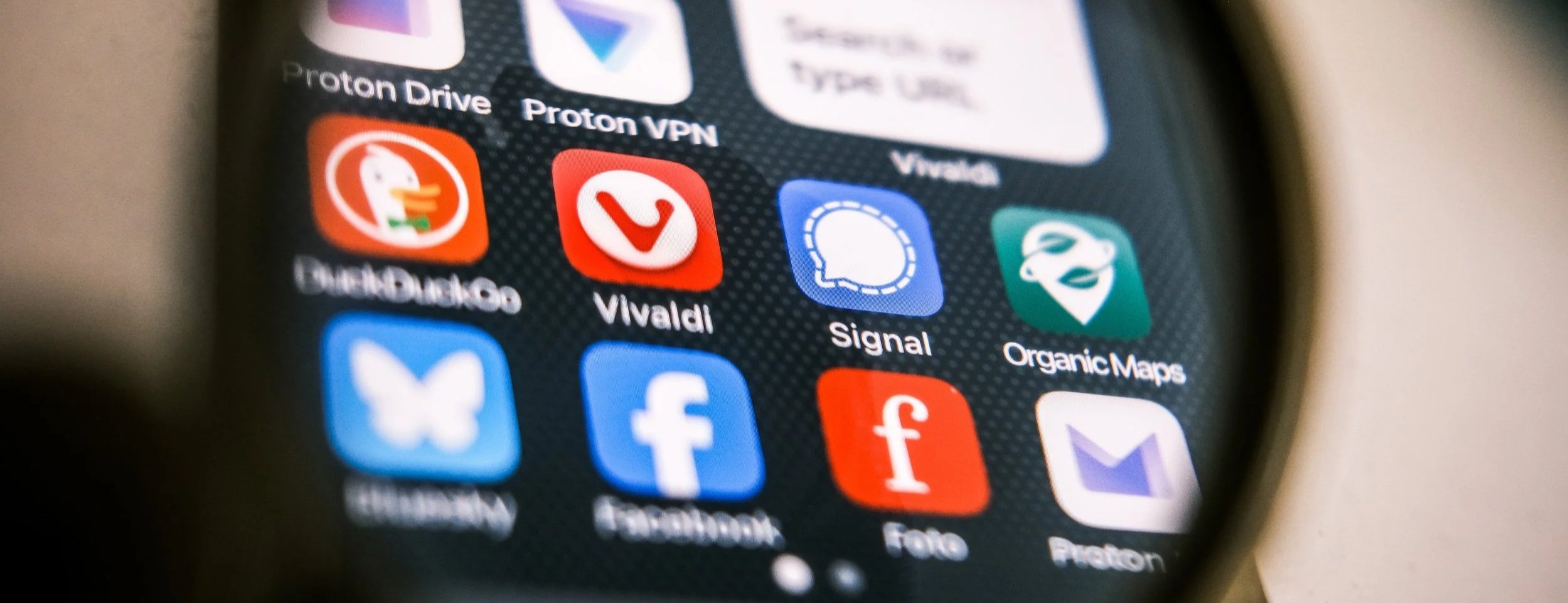
Is your favorite app or platform tracking you? Likely so.
Is that just a necessary evil for the conveniences of modern life? No! There are now great ethical-tech options that you will love.
The ones we've gotten used to - like Google, Meta, and Amazon - have created dependency on a surveillance/data-harvesting model largely owned by our billionaire class (increasingly in cahoots with the government). Amazon, for example, wants your data more than it wants to sell you stuff.
Many people realize there’s a problem and would like to change, but don't know where to start. Reclaim control over your data by moving away from invasive platforms to more ethical, privacy-respecting alternatives. It's now easy to switch to greater 'digital sovereignty'.
Let me help. I've done the research so you don't have to, and I recently conducted local Ethical Tech workshops. My app recommendations mainly covers user-friendly replacements for: messaging, email, browser/search, maps, and AI.
Being more intentional in our apps is a crucial stance of resistance in this moment. Few of us will be perfect but we have the power to create a paradigm shift.
Why am I talking about this?
My interest in tech is, in a way, similar to my art stance: what role can it play in empowering us, creating community, and defending ourselves from dark trends? Tech is definitely being weaponized against us, but the right choices can level the playing field and we can weaponize it back. My layman’s criteria for ethical tech centers on a balance of:
Data privacy and security - Good protection from surveillance, hacking, and corporate harvesting for ad profiles (especially as the line increasingly blurs between corporate and government profiling).
Environmental impact - Is the company demonstrating commitment to sustainability? Does it use renewable energy and/or offsets? This is especially important for AI.
Integrity of ownership - Is it a billionaire oligarch or a freedom fighter? Is it a massive company profiting from our data and showing disregard for our privacy and rights? Is it a nonprofit? A startup? What do their public statements suggest about their ethics and their vision for the company?
Geography of ownership - Is it based in the US or elsewhere, and what jurisdiction is it subject to? The US and Europe have different regulatory landscapes. Swiss law on data protection is different from the EU’s. The question is not just are you protected, but *who* is protecting you.
What is new is that we now have a range of quality choices. Instead of empowering our tech-bro overlords, we can take back some agency.
Want to shift your own tech usage in this direction?