Nairobi
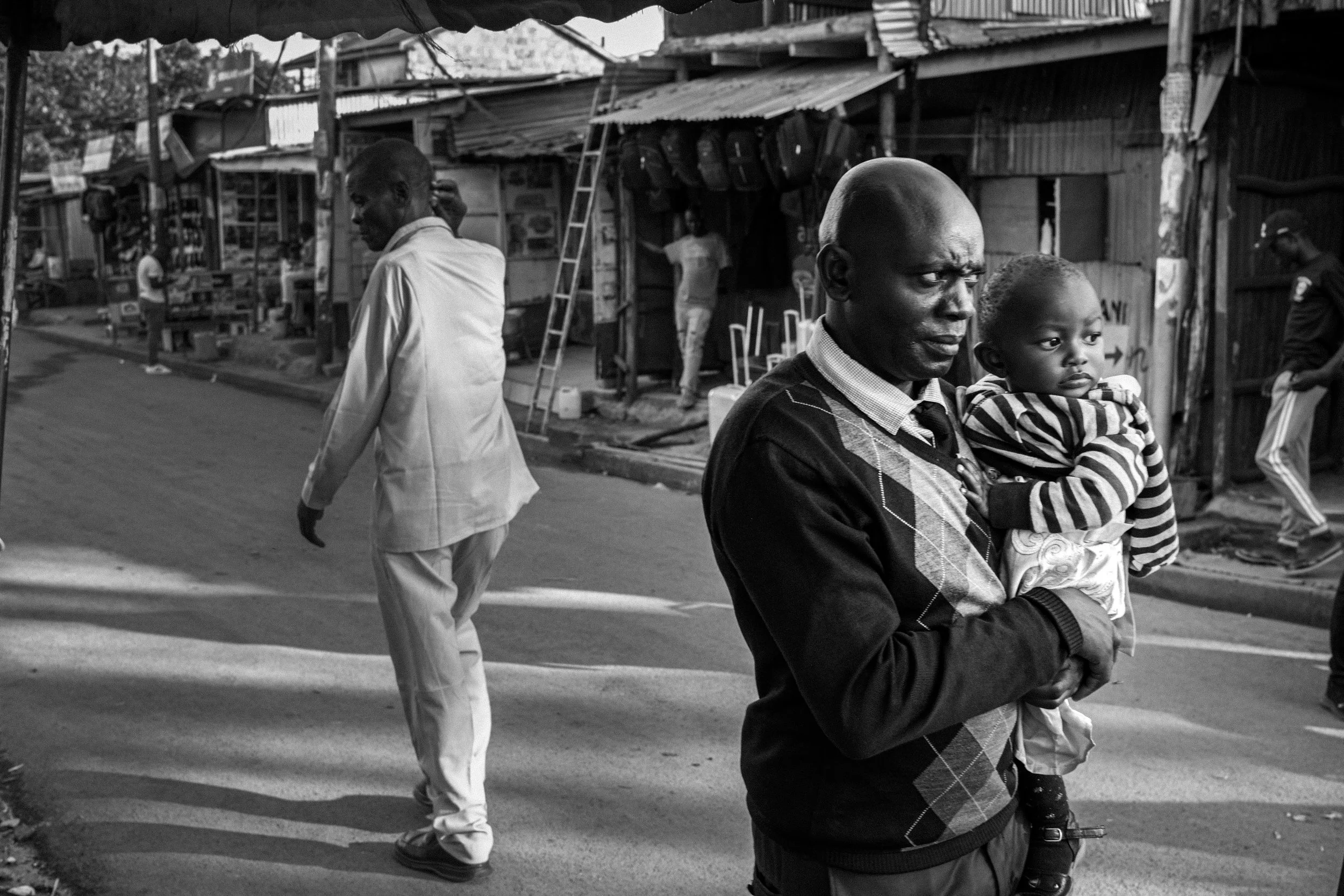
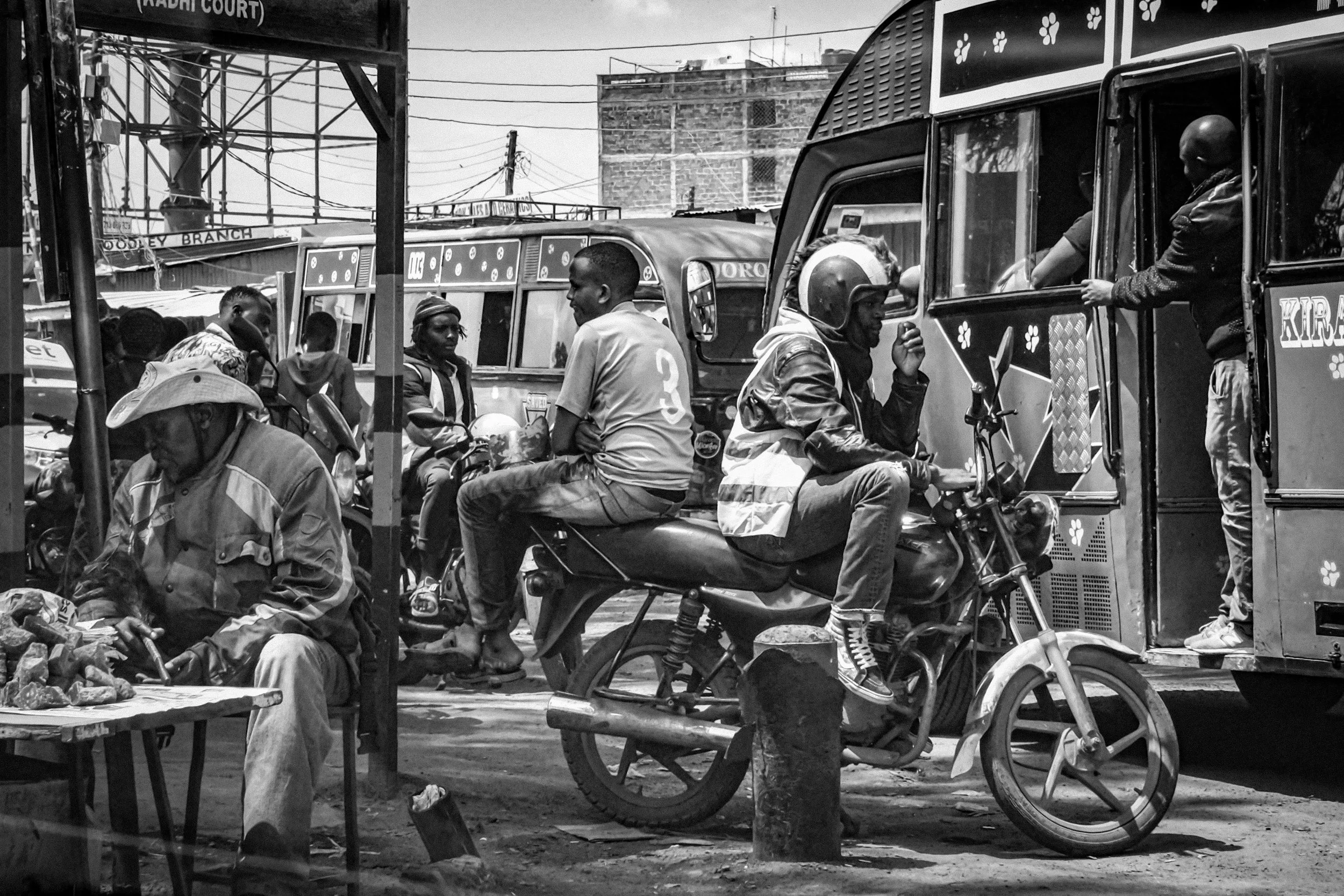
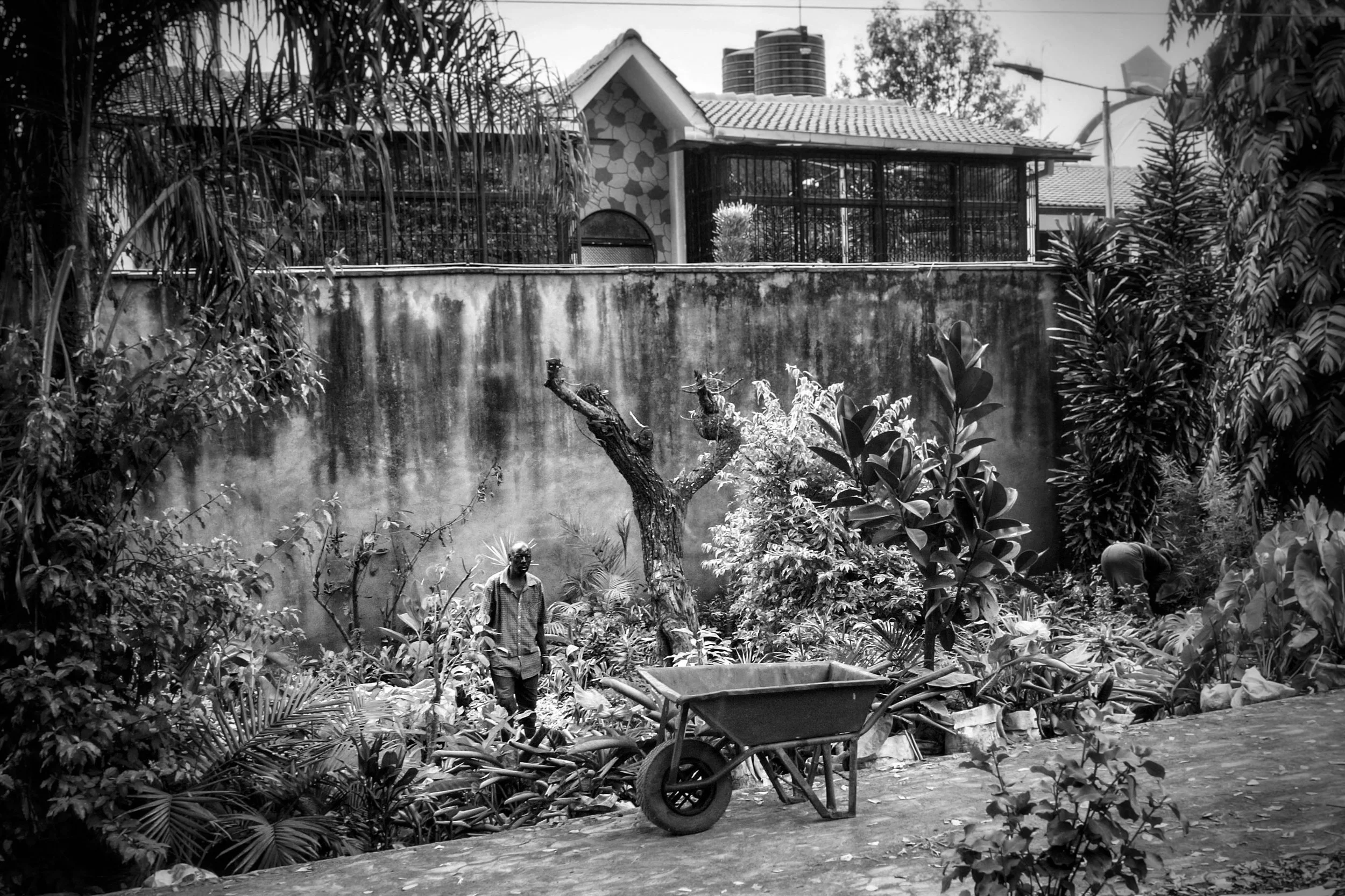
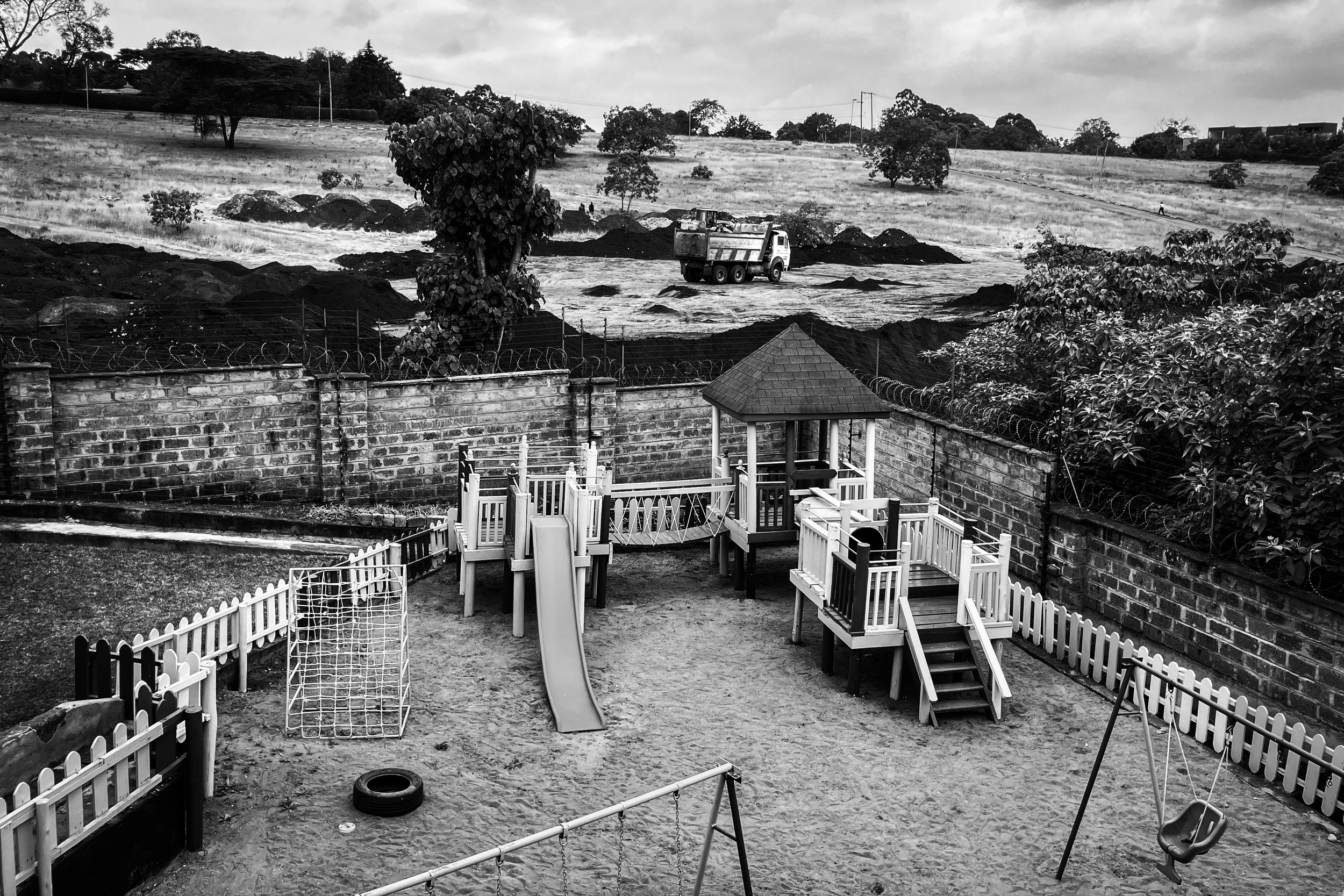
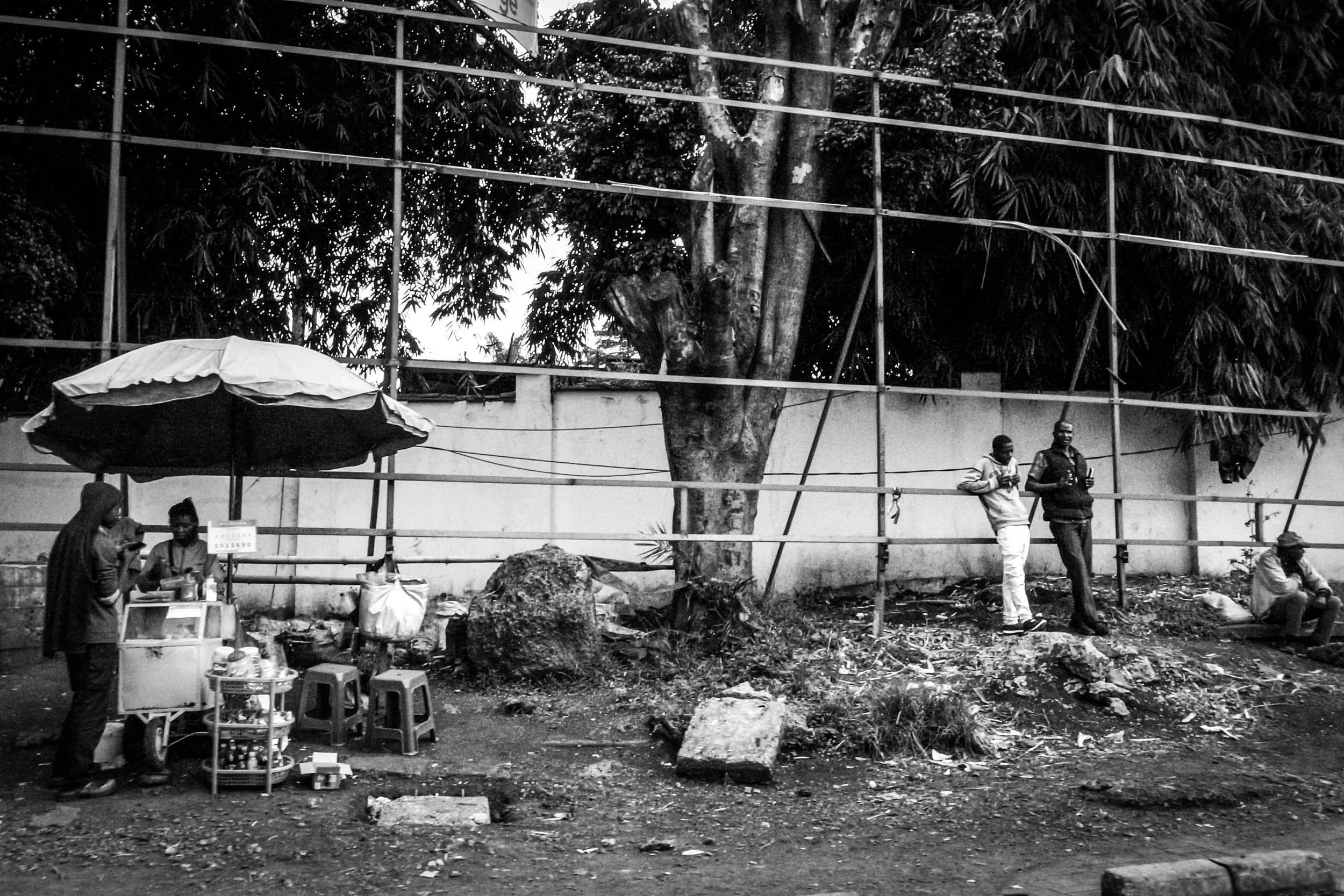
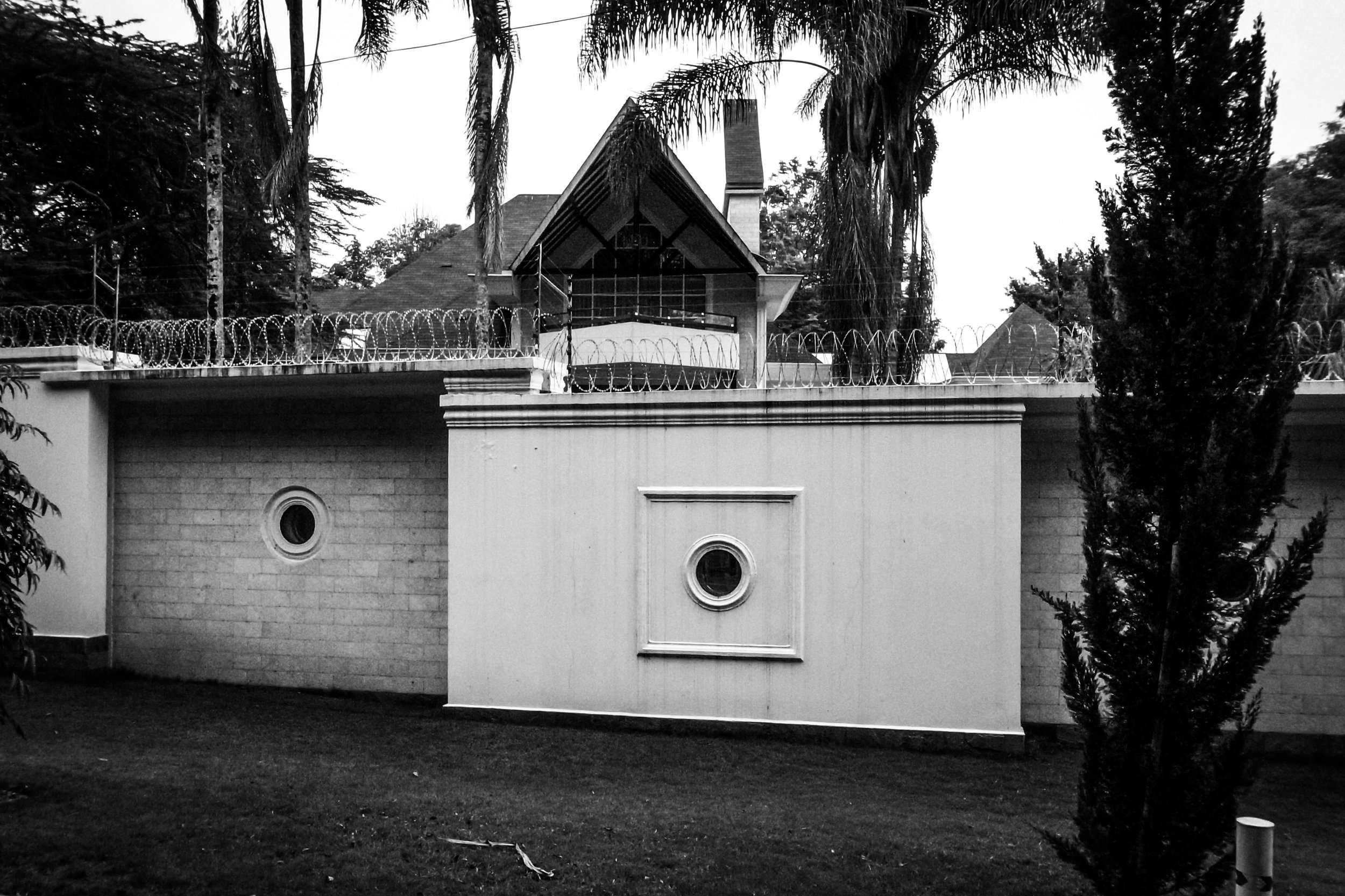
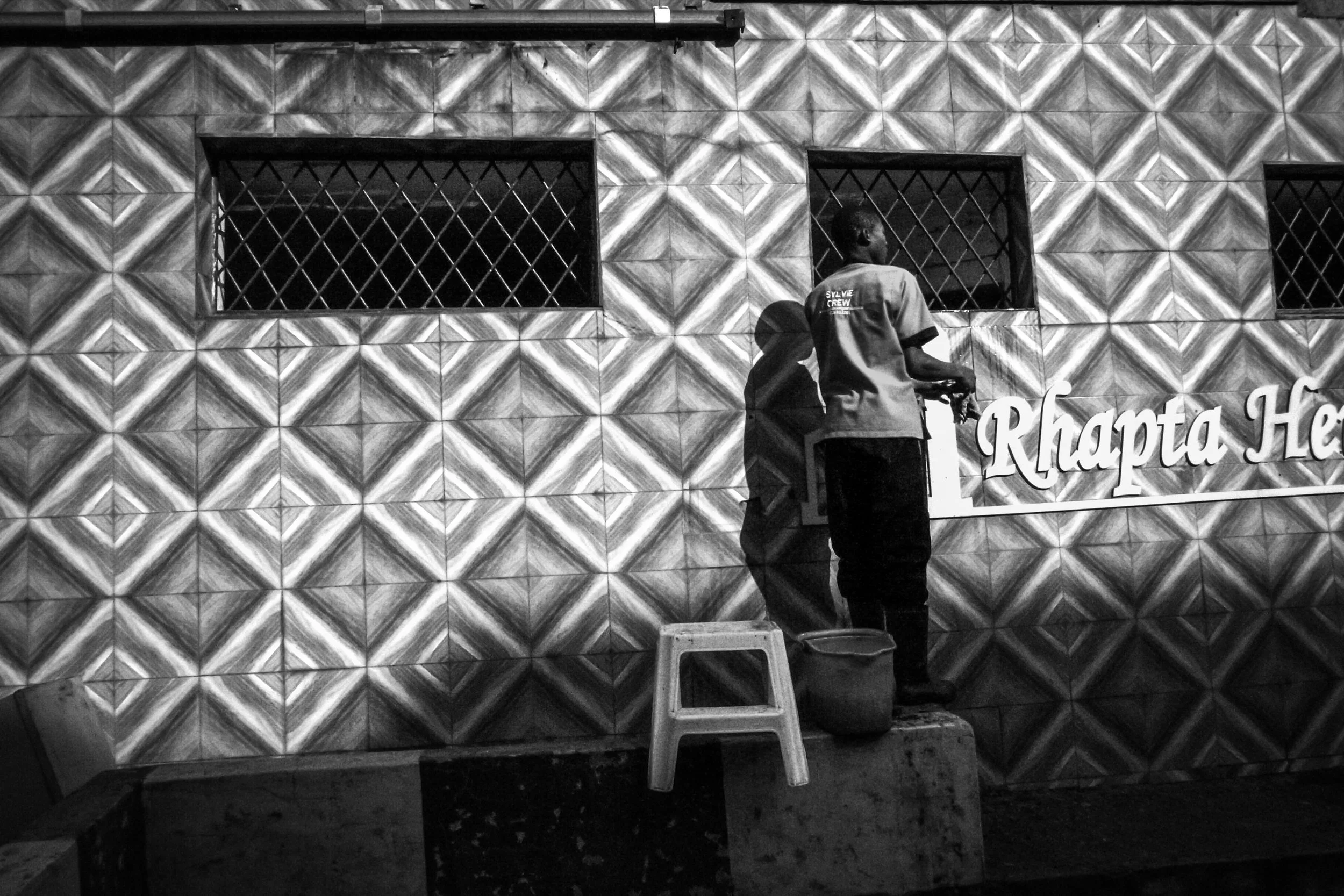
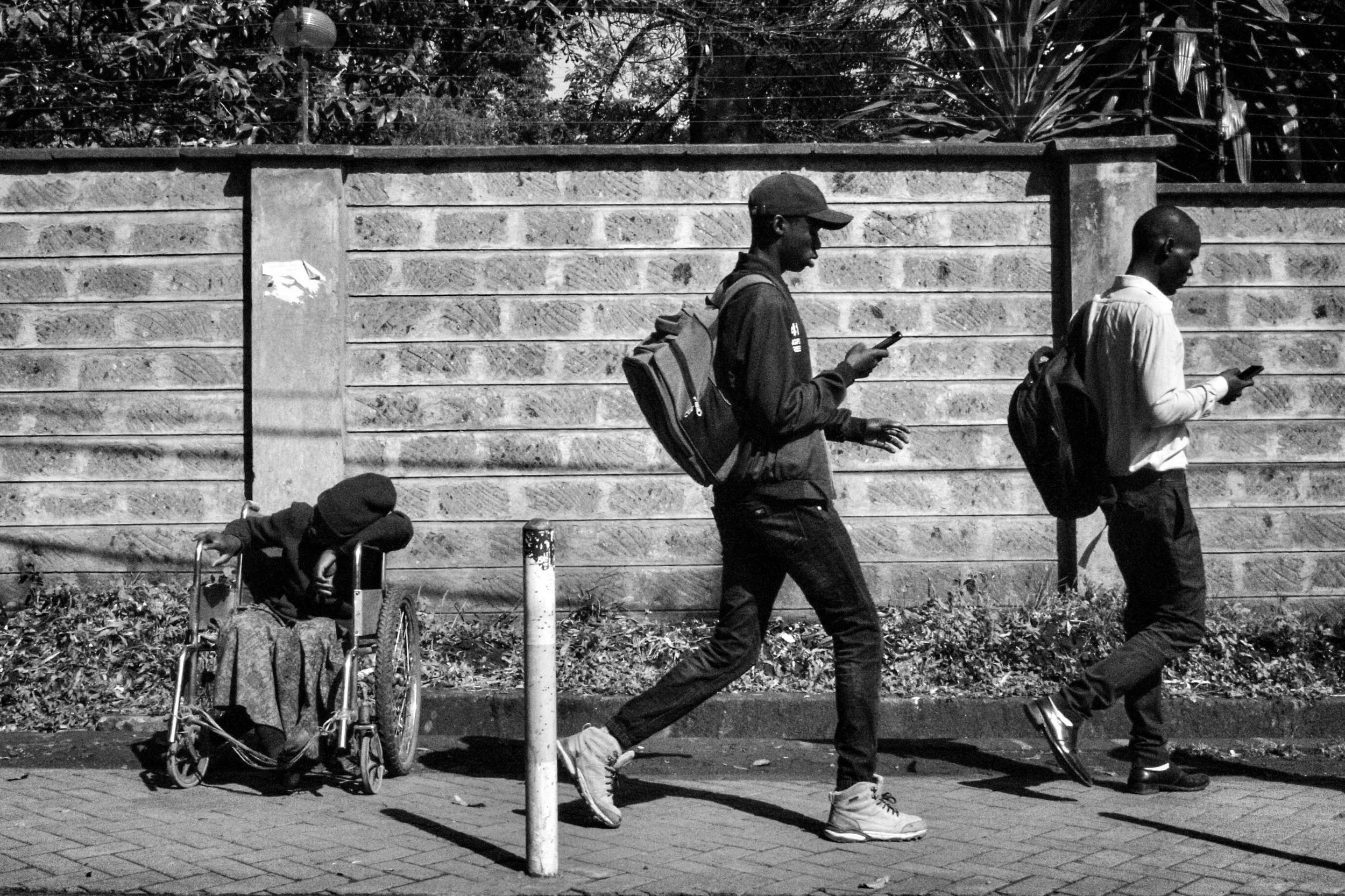
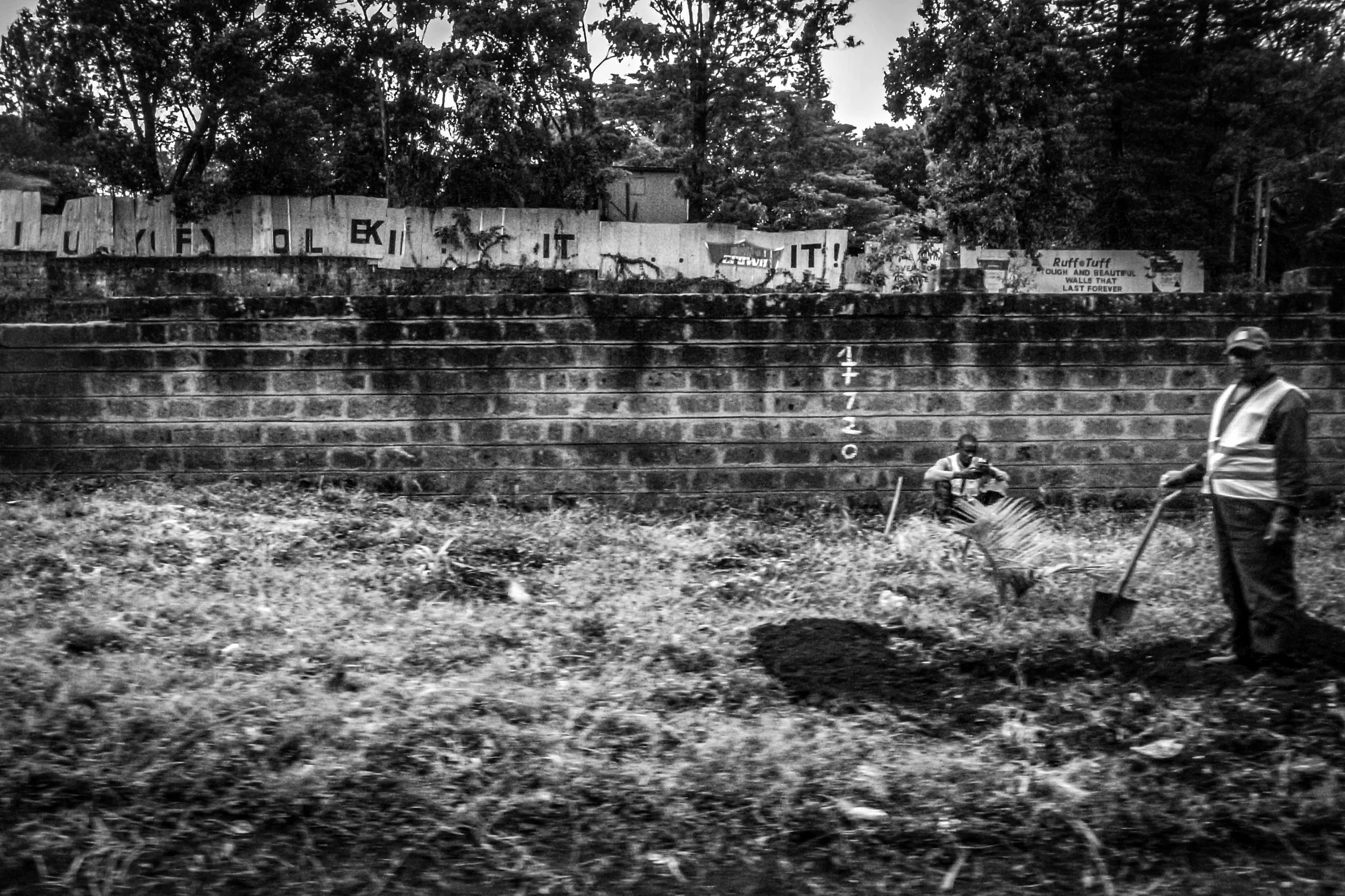
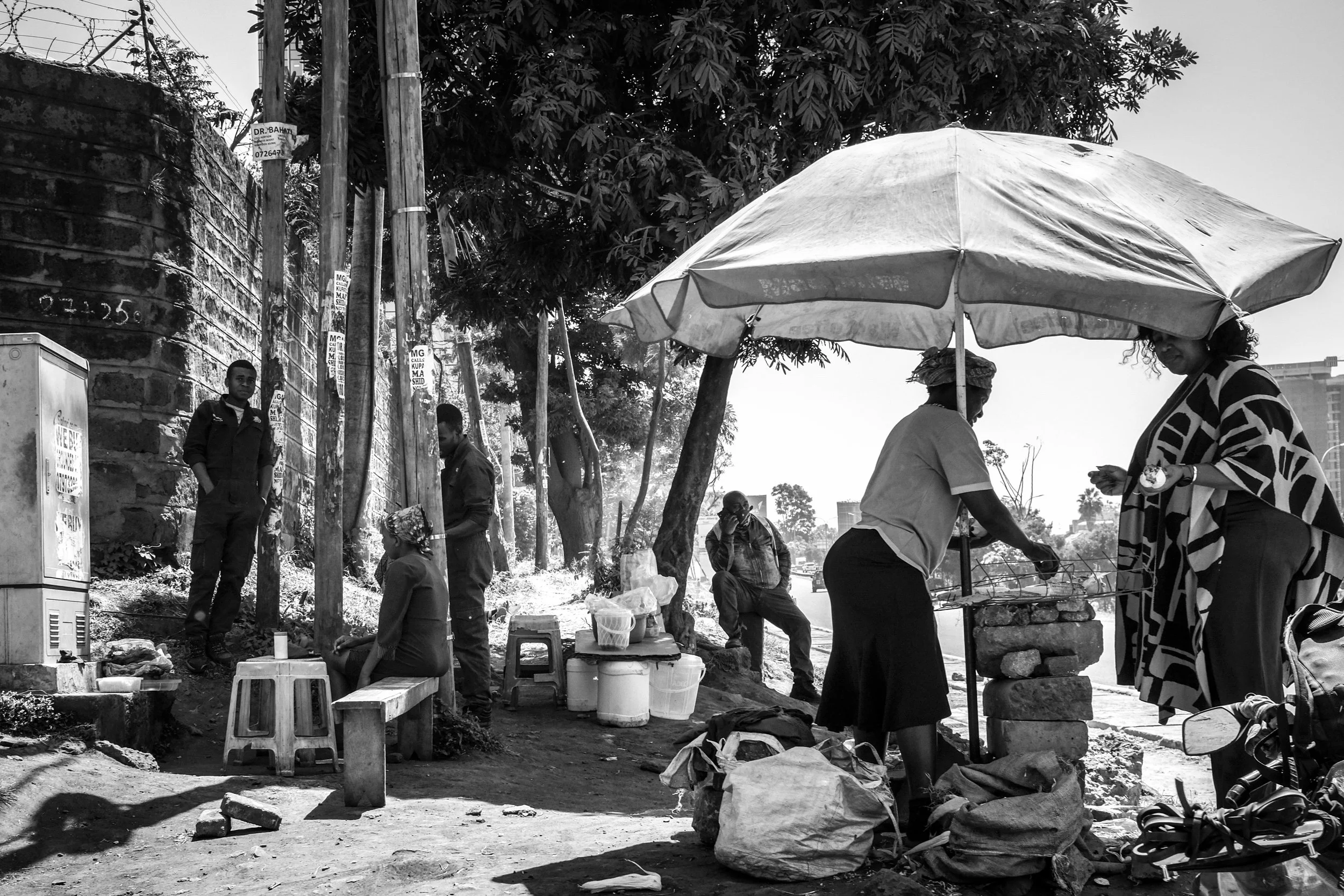
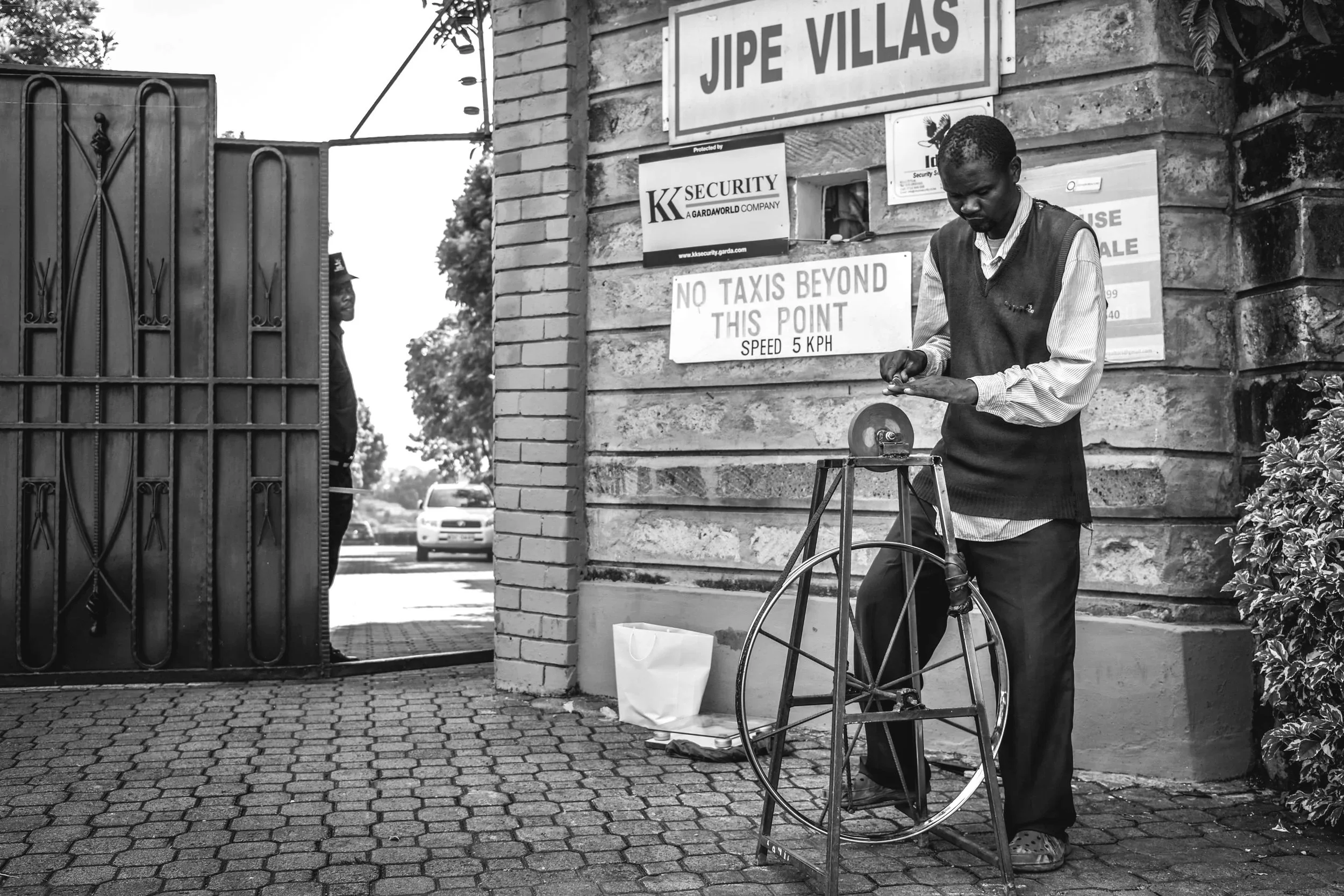
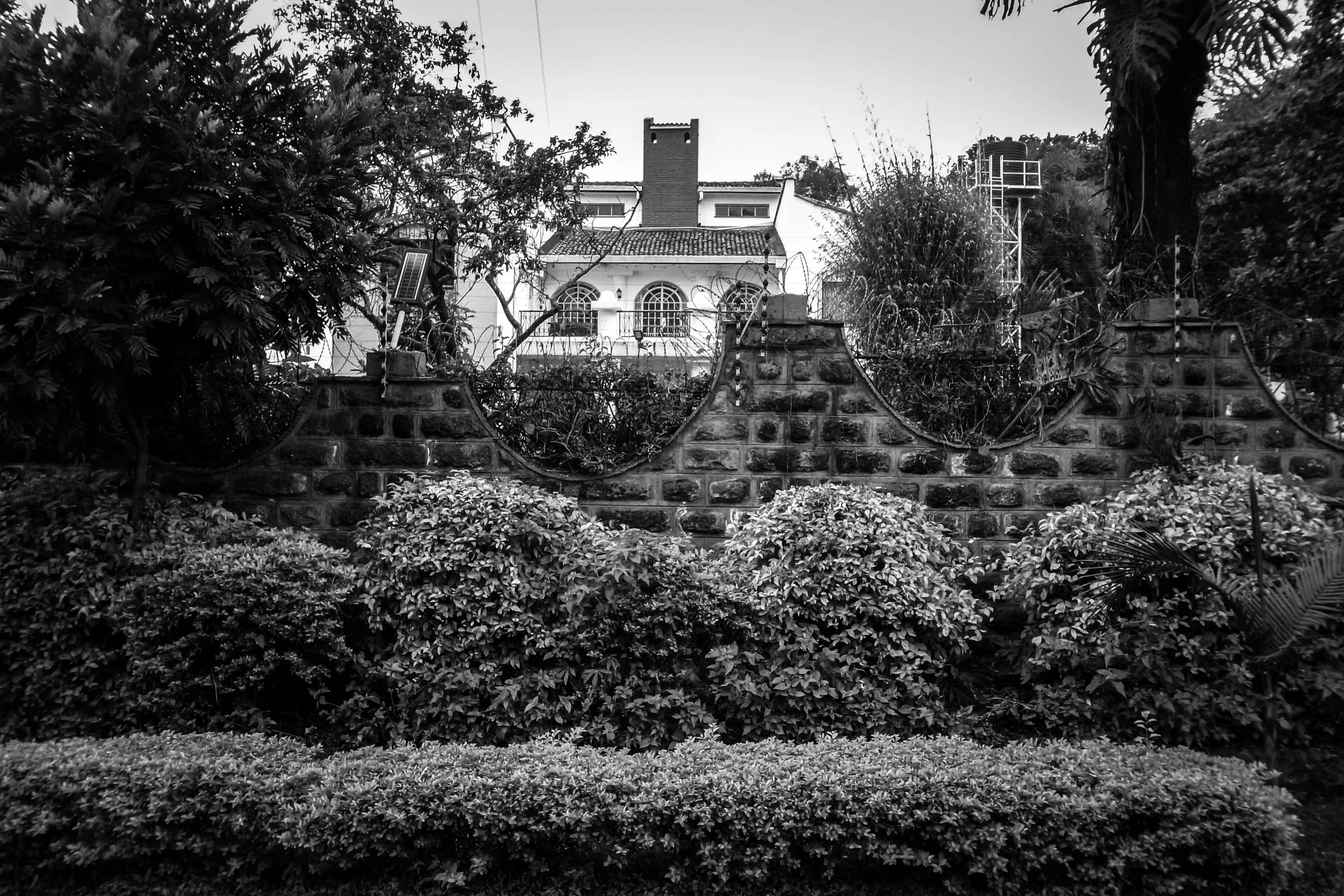
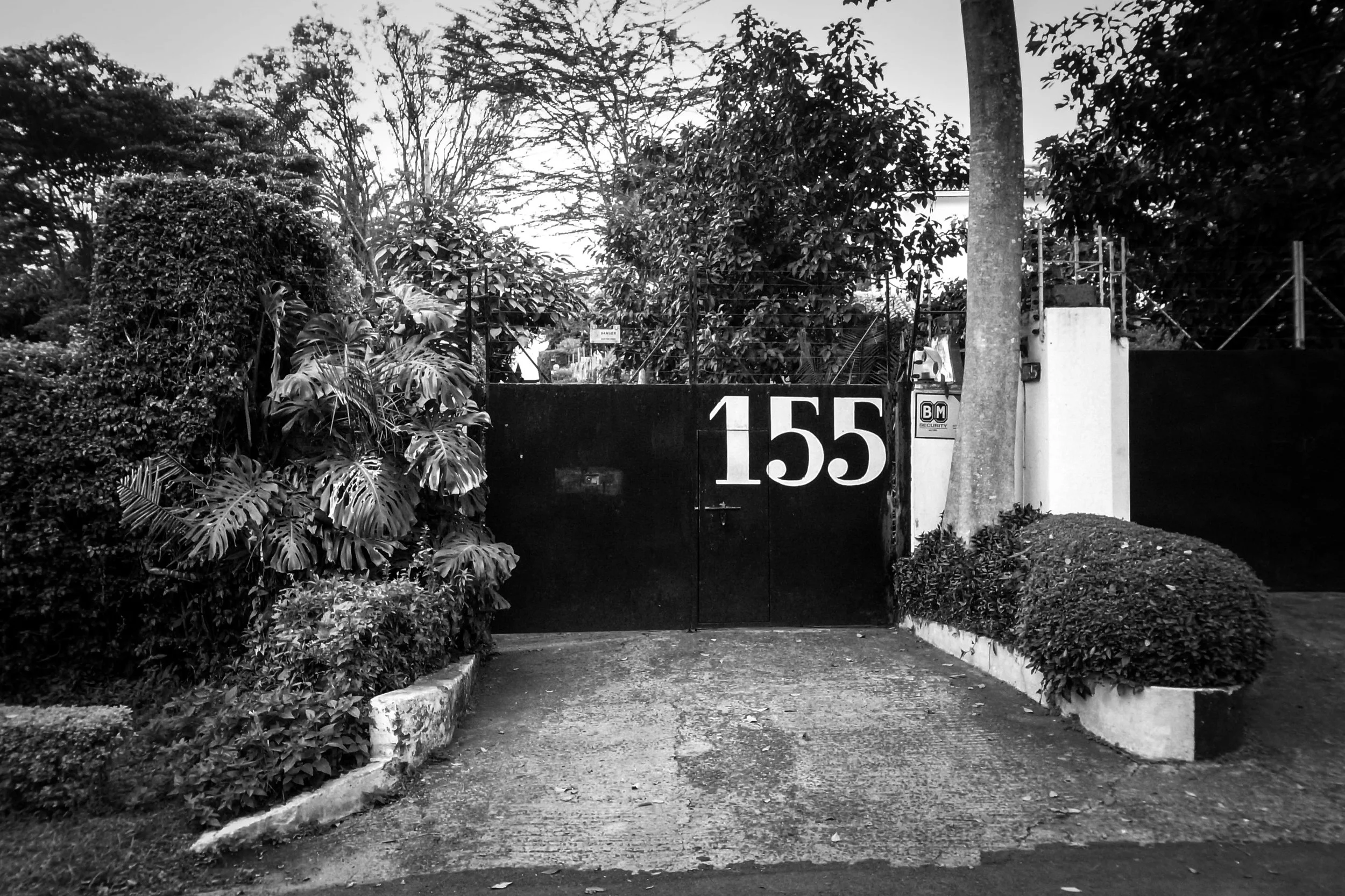
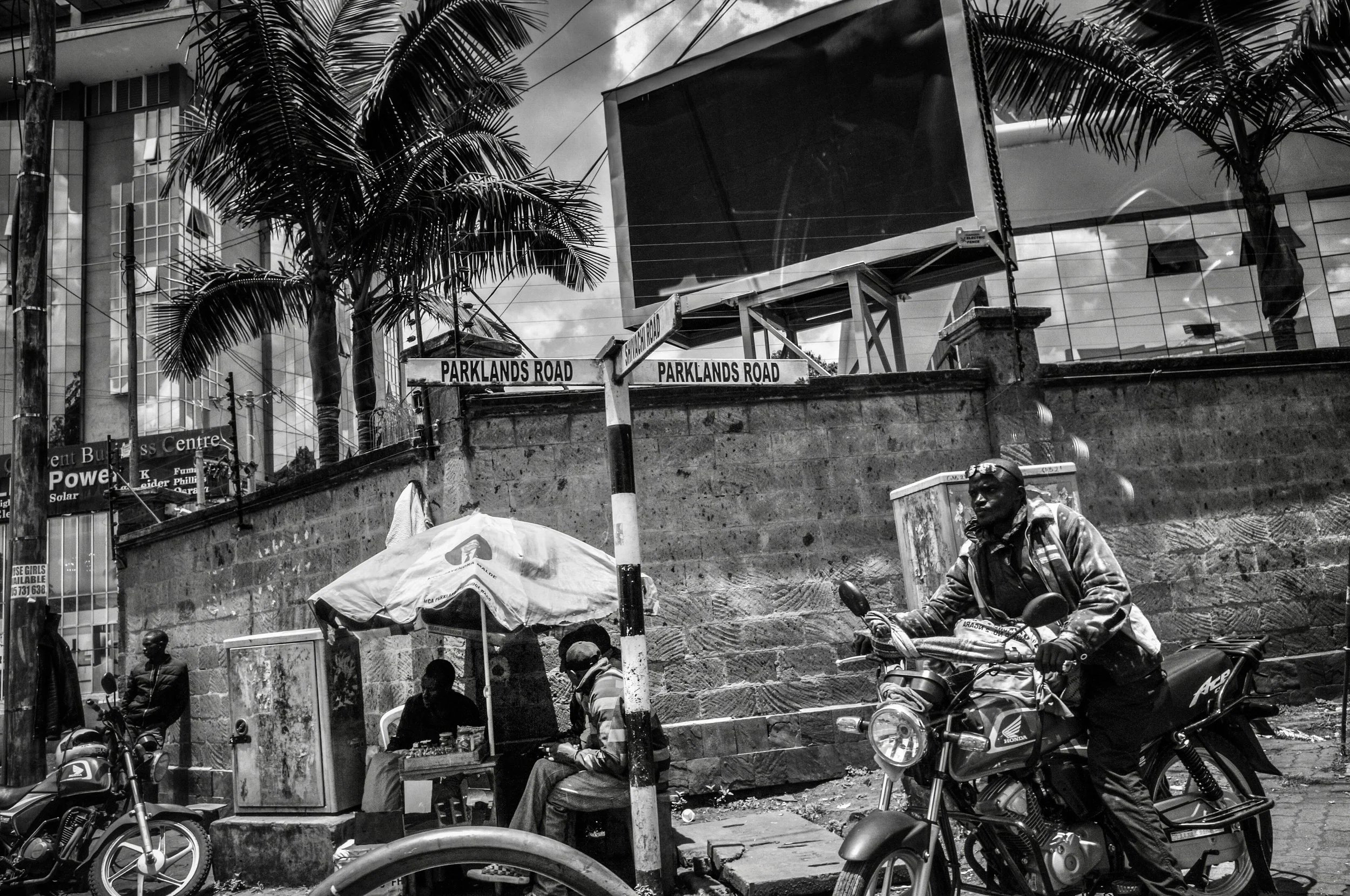
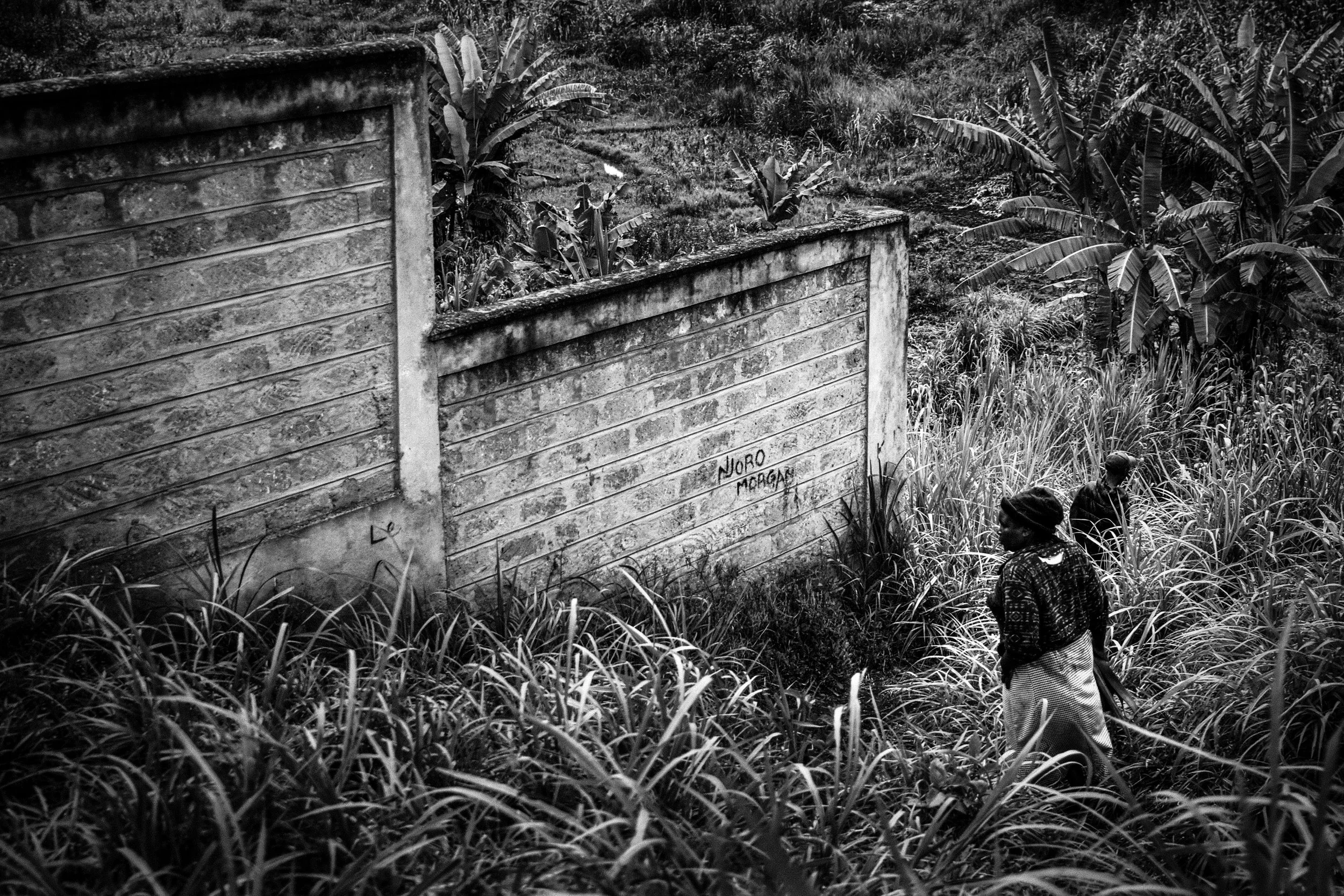
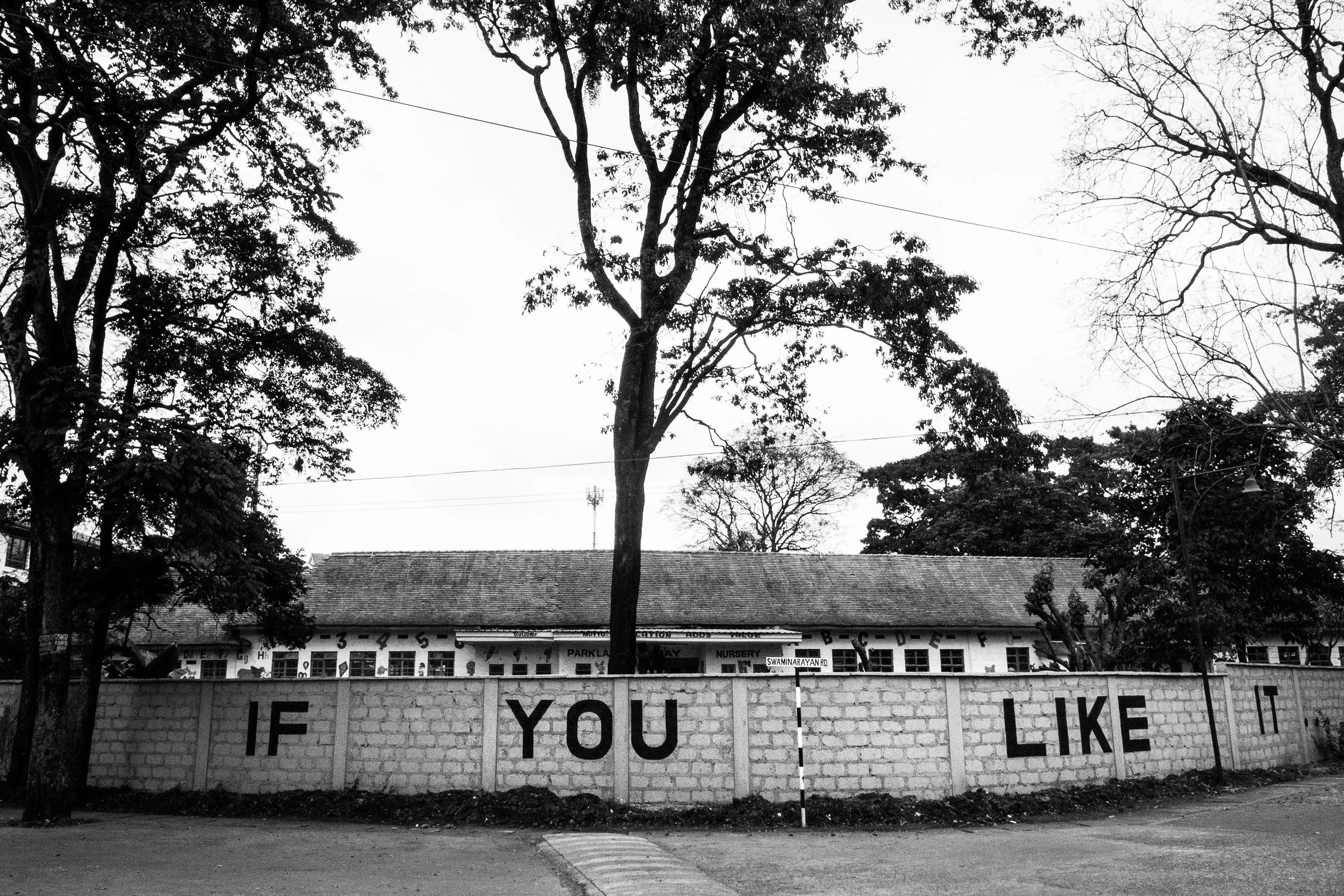
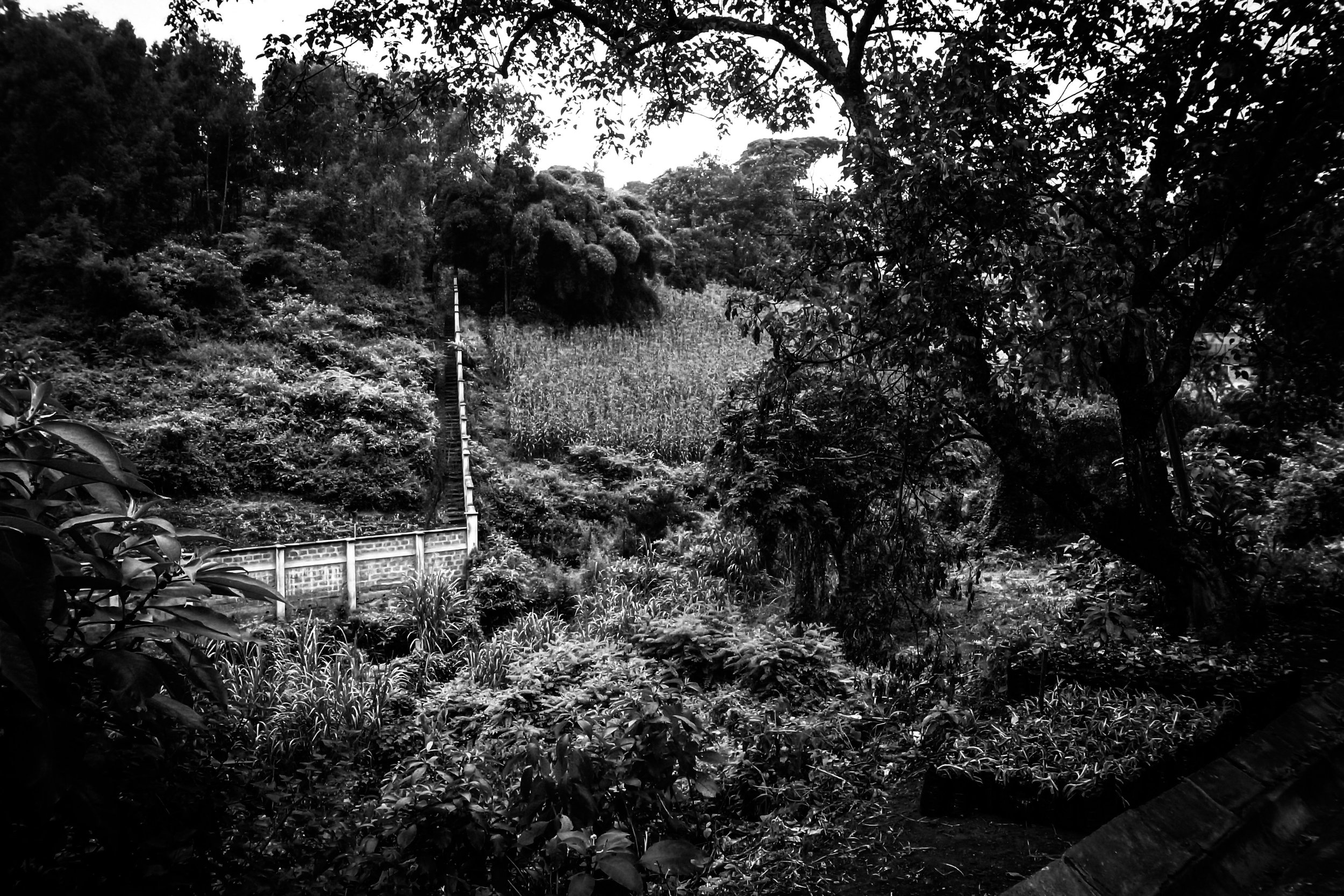
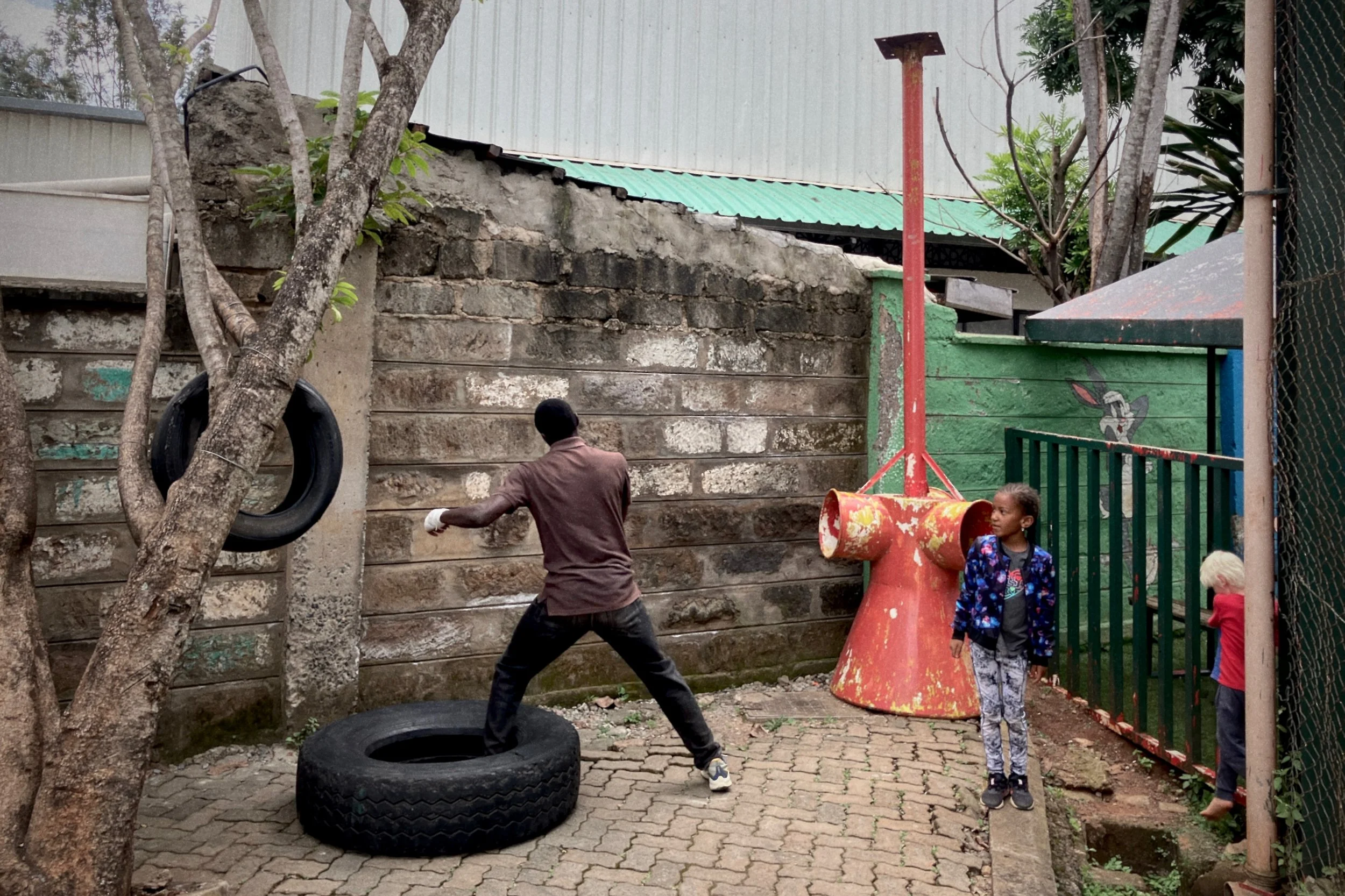
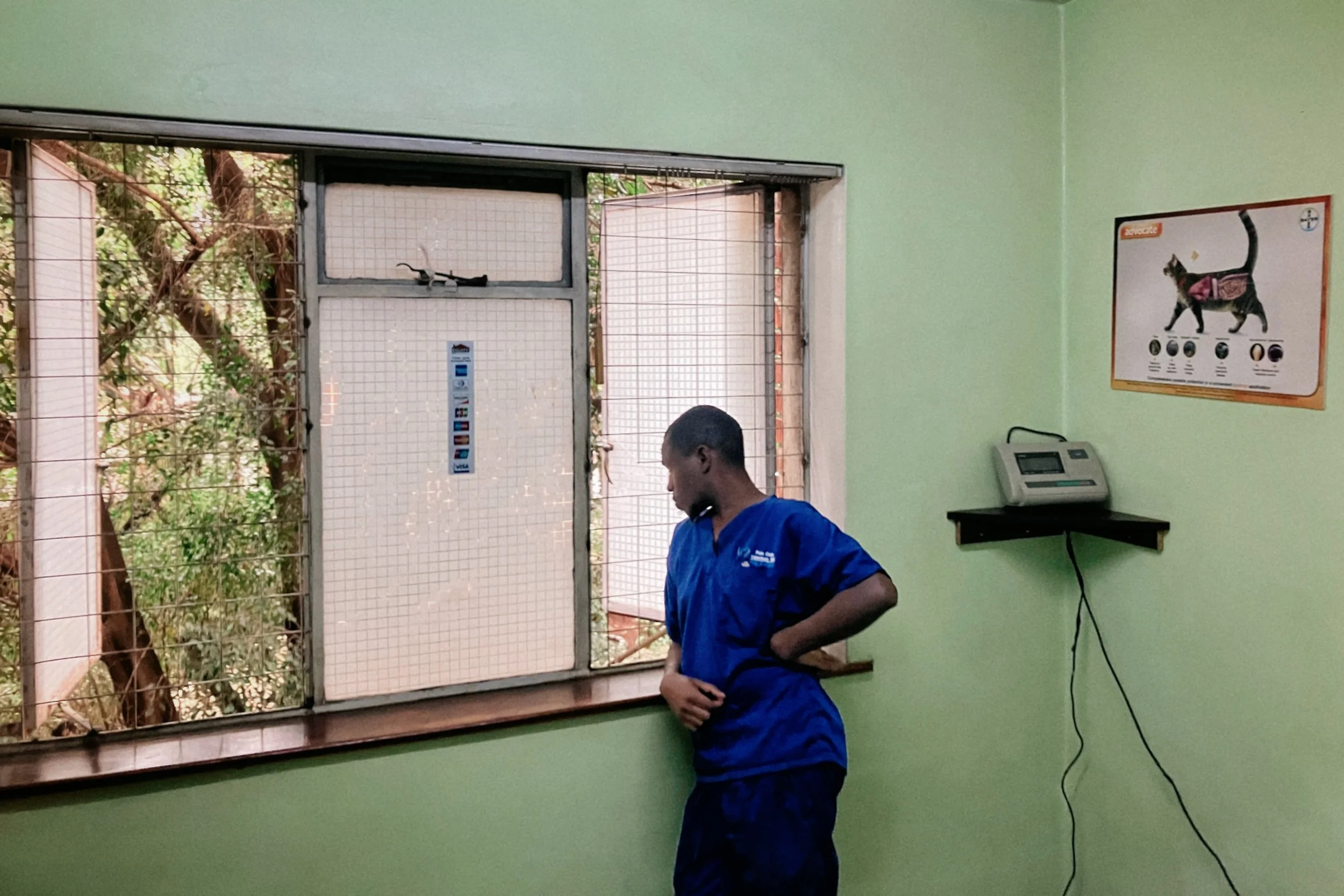
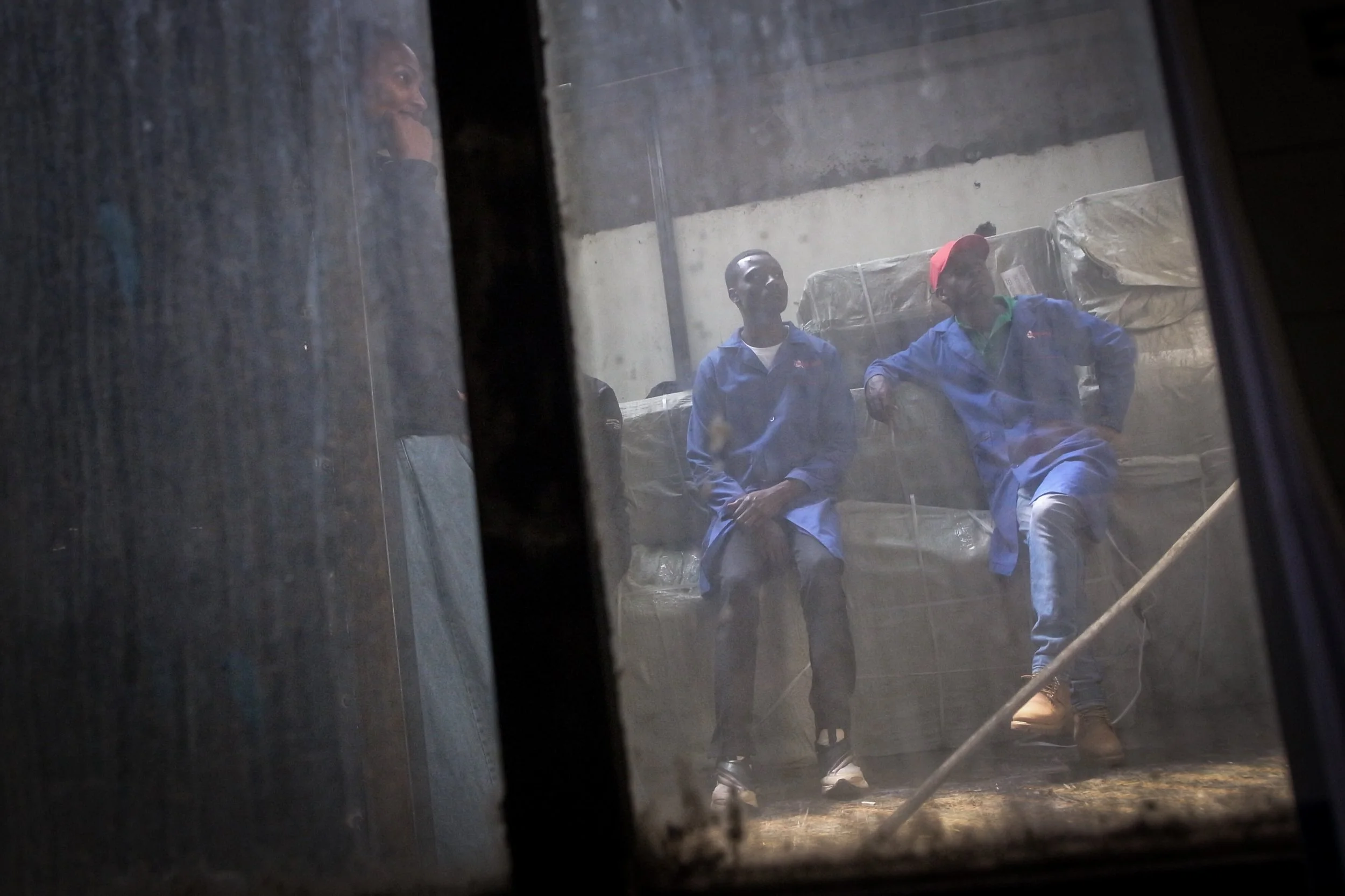
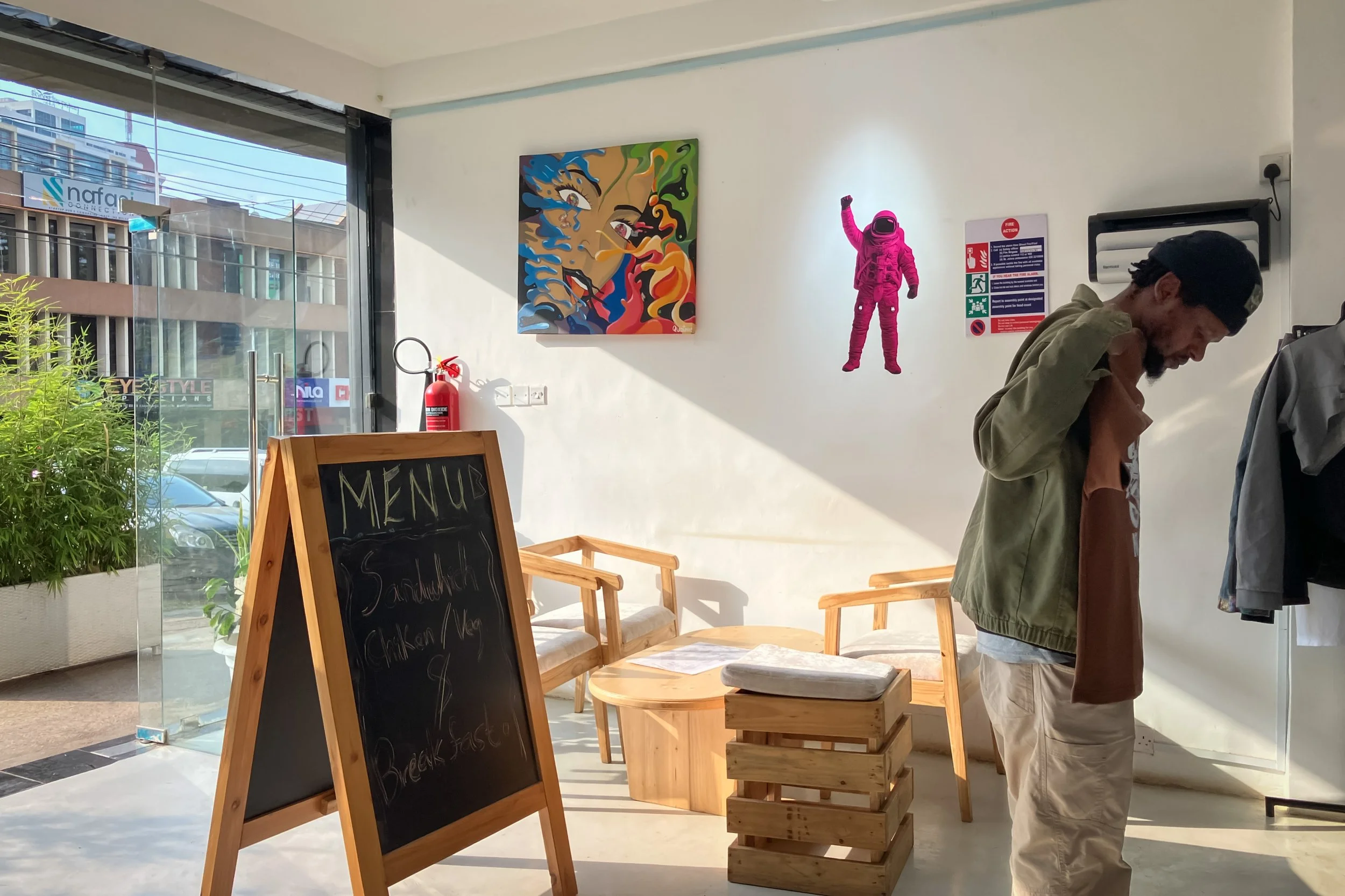
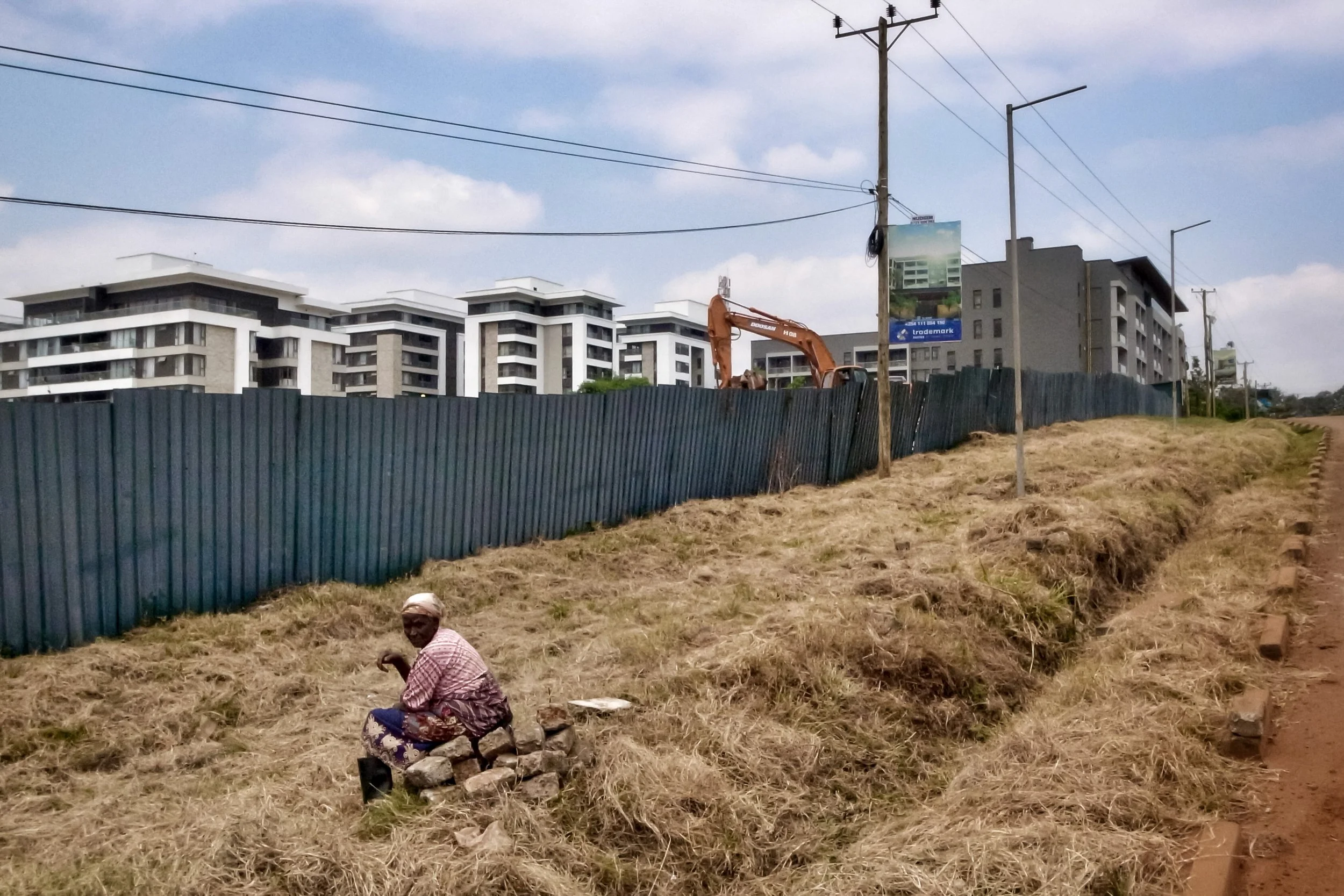
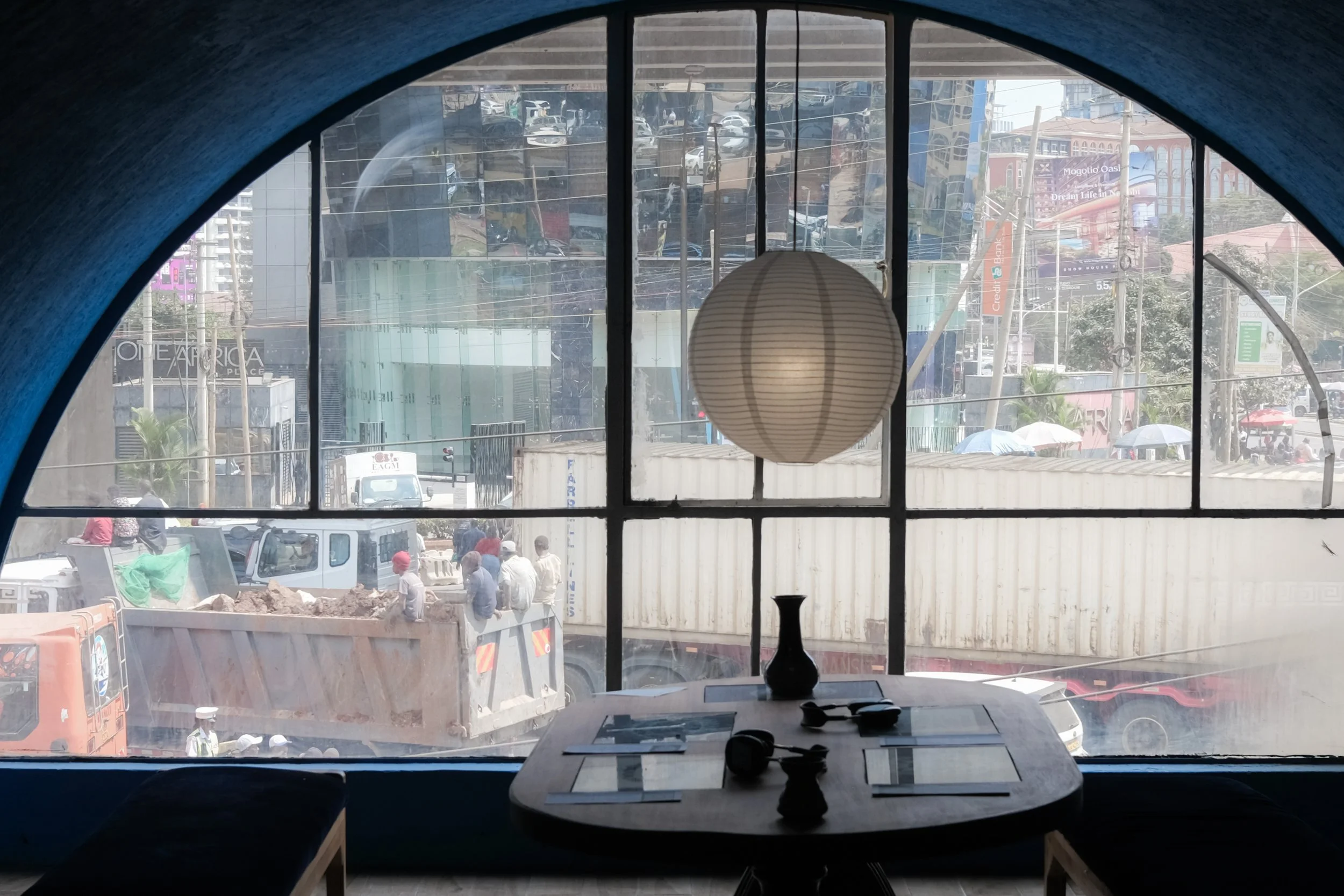
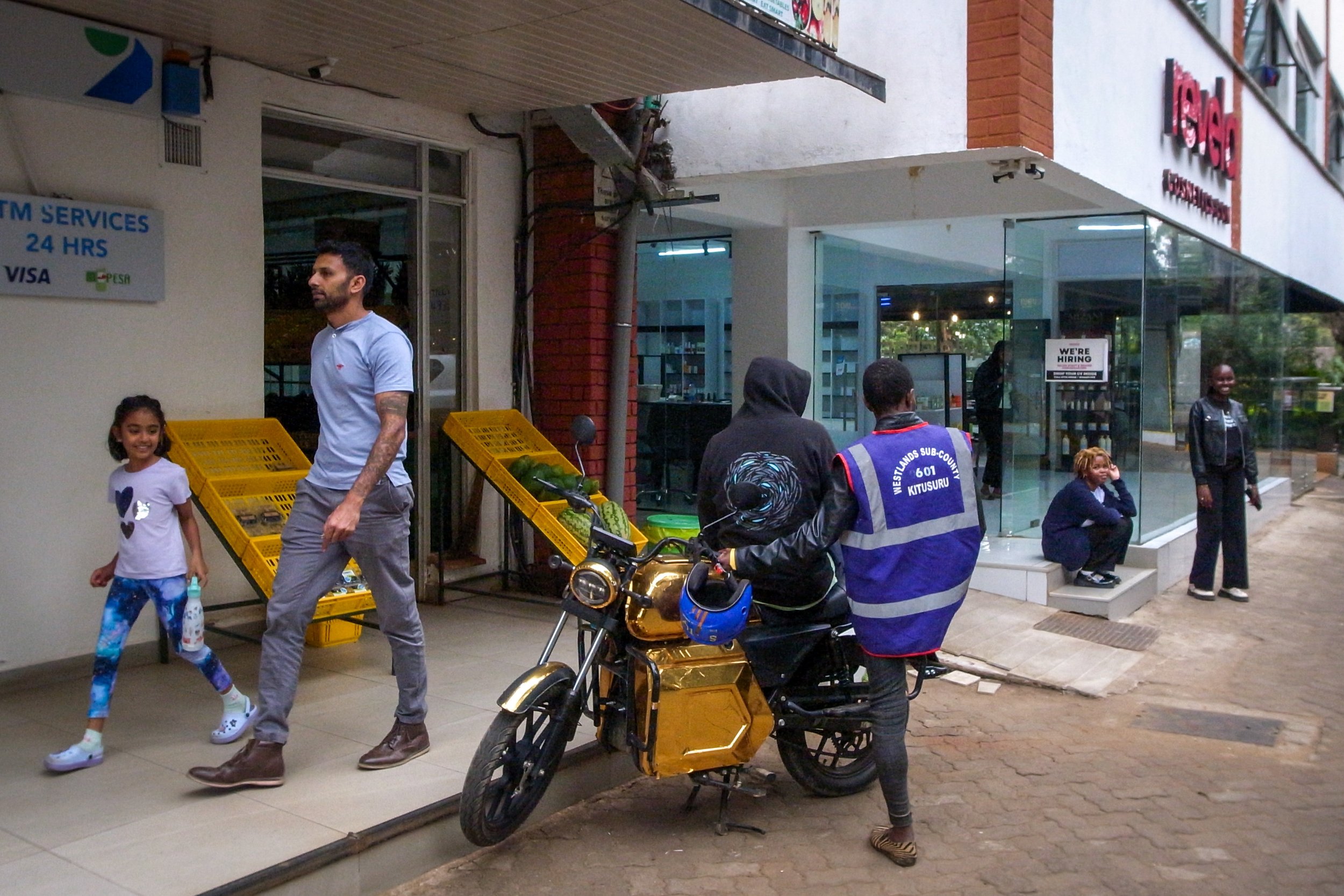
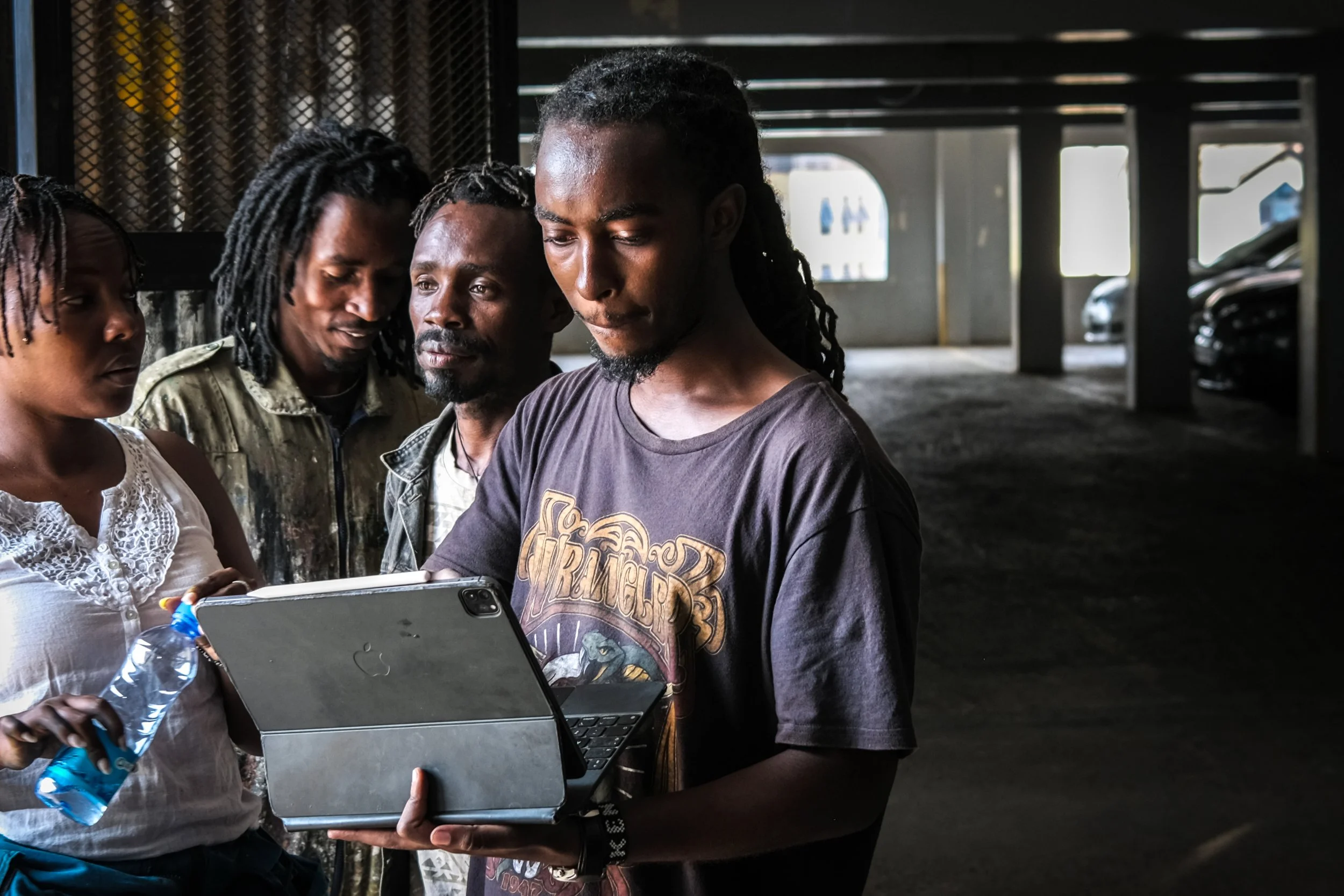
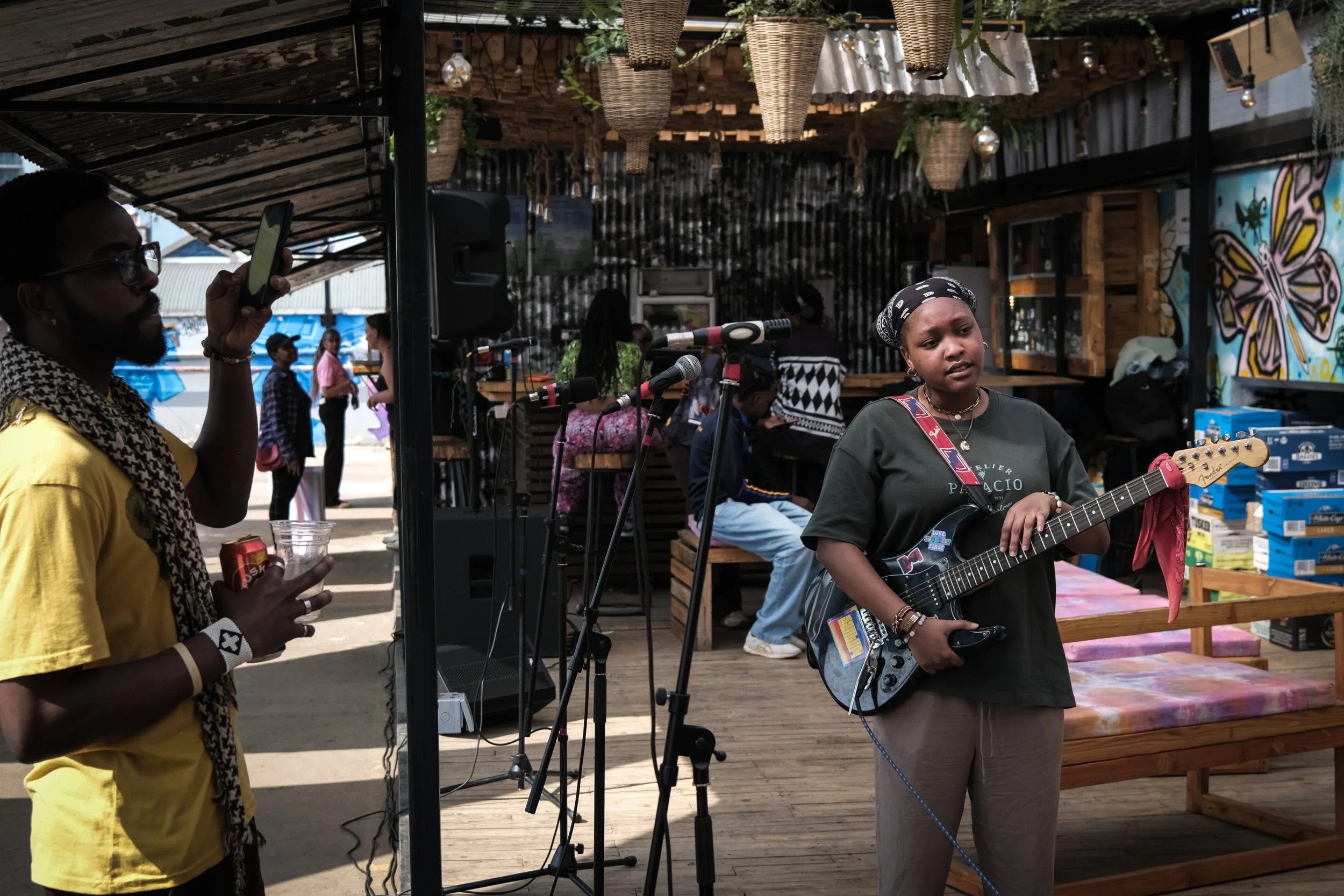
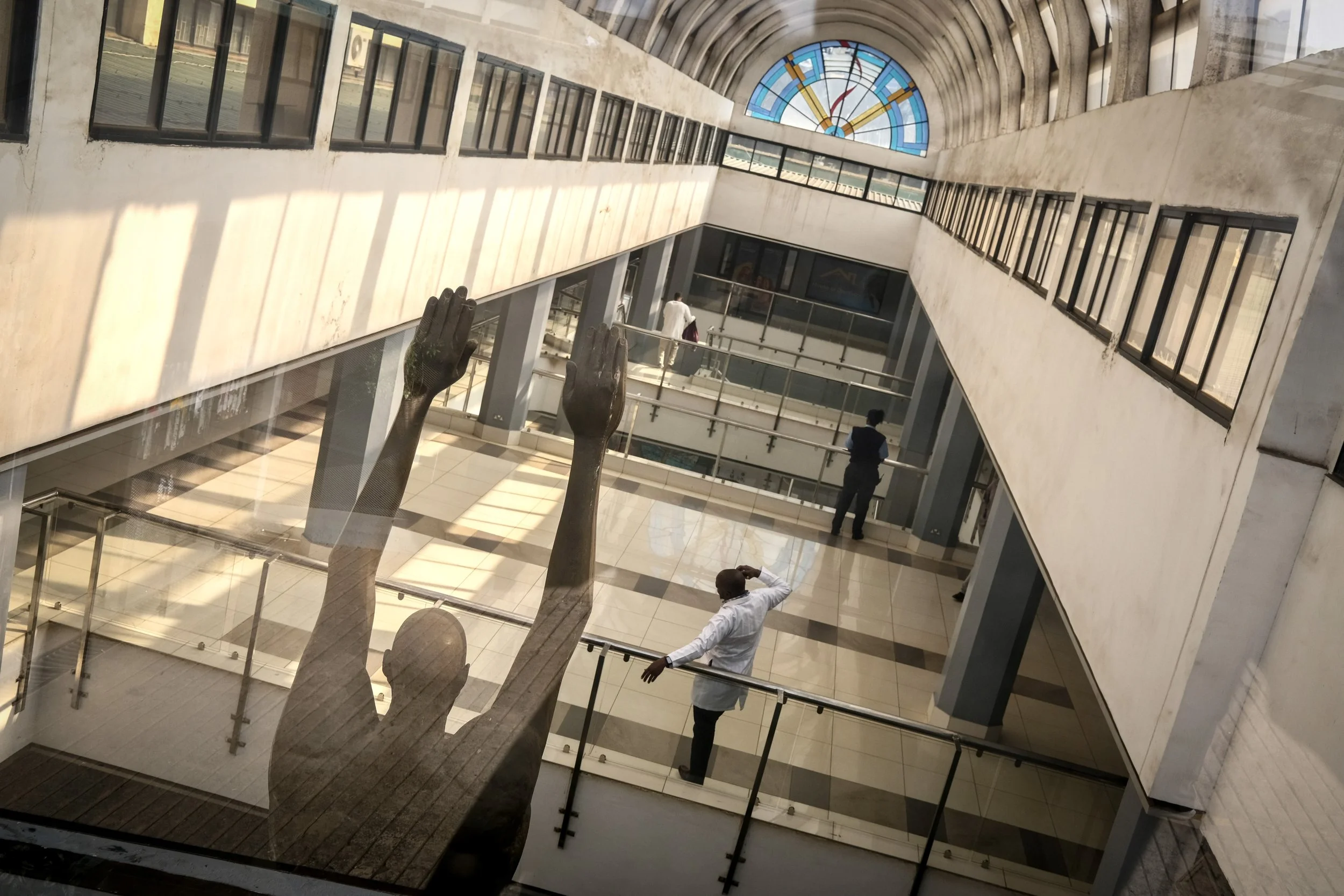
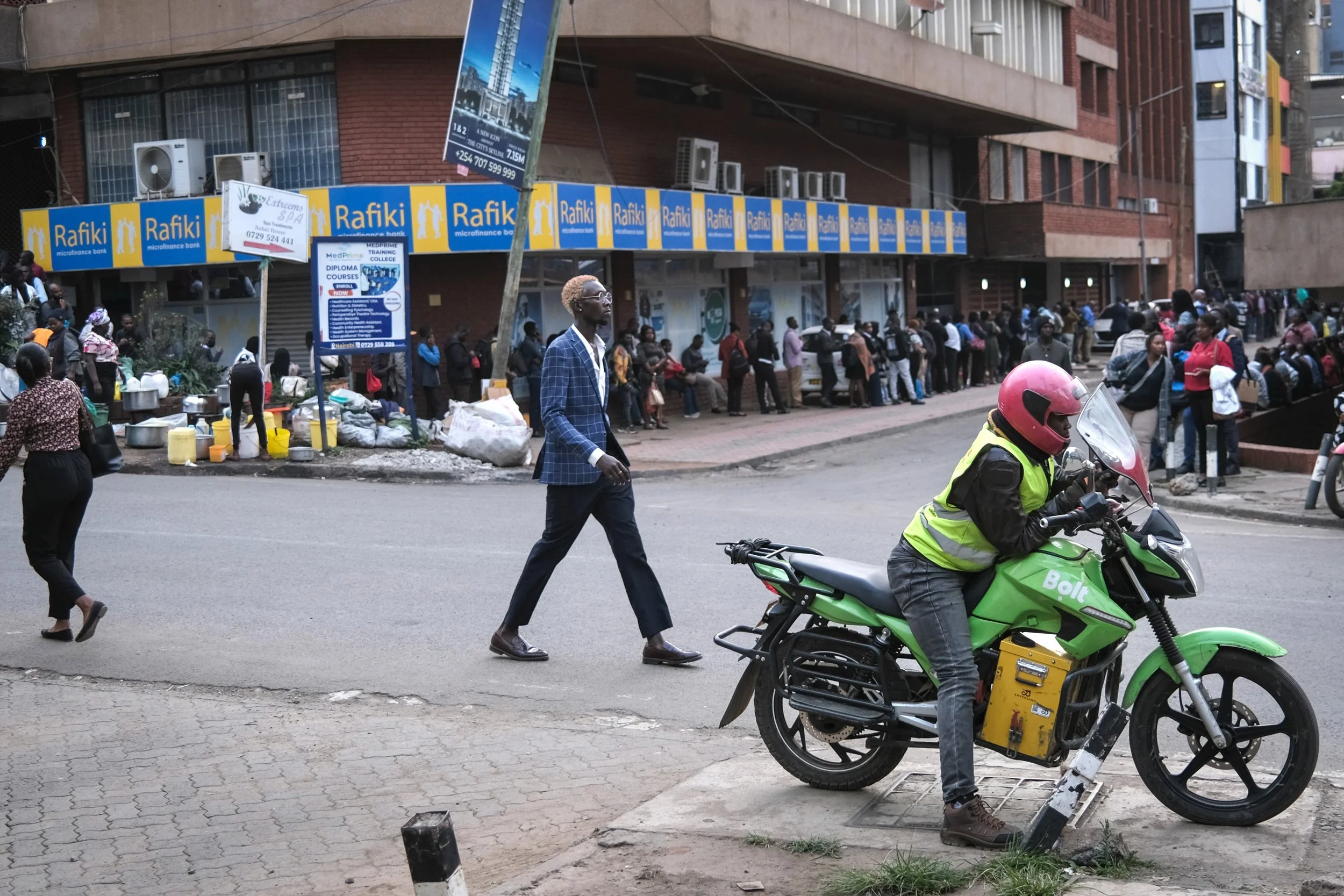
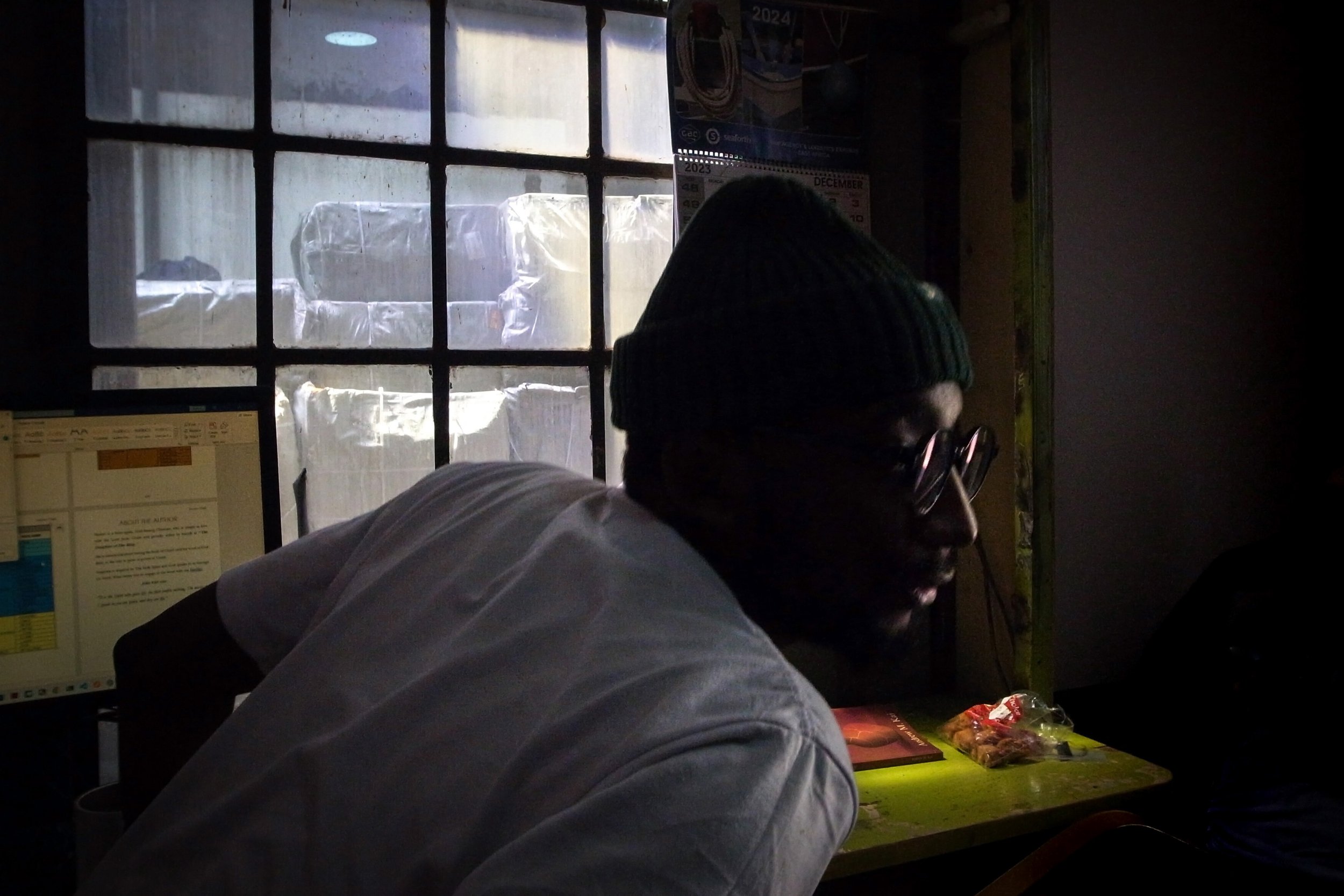
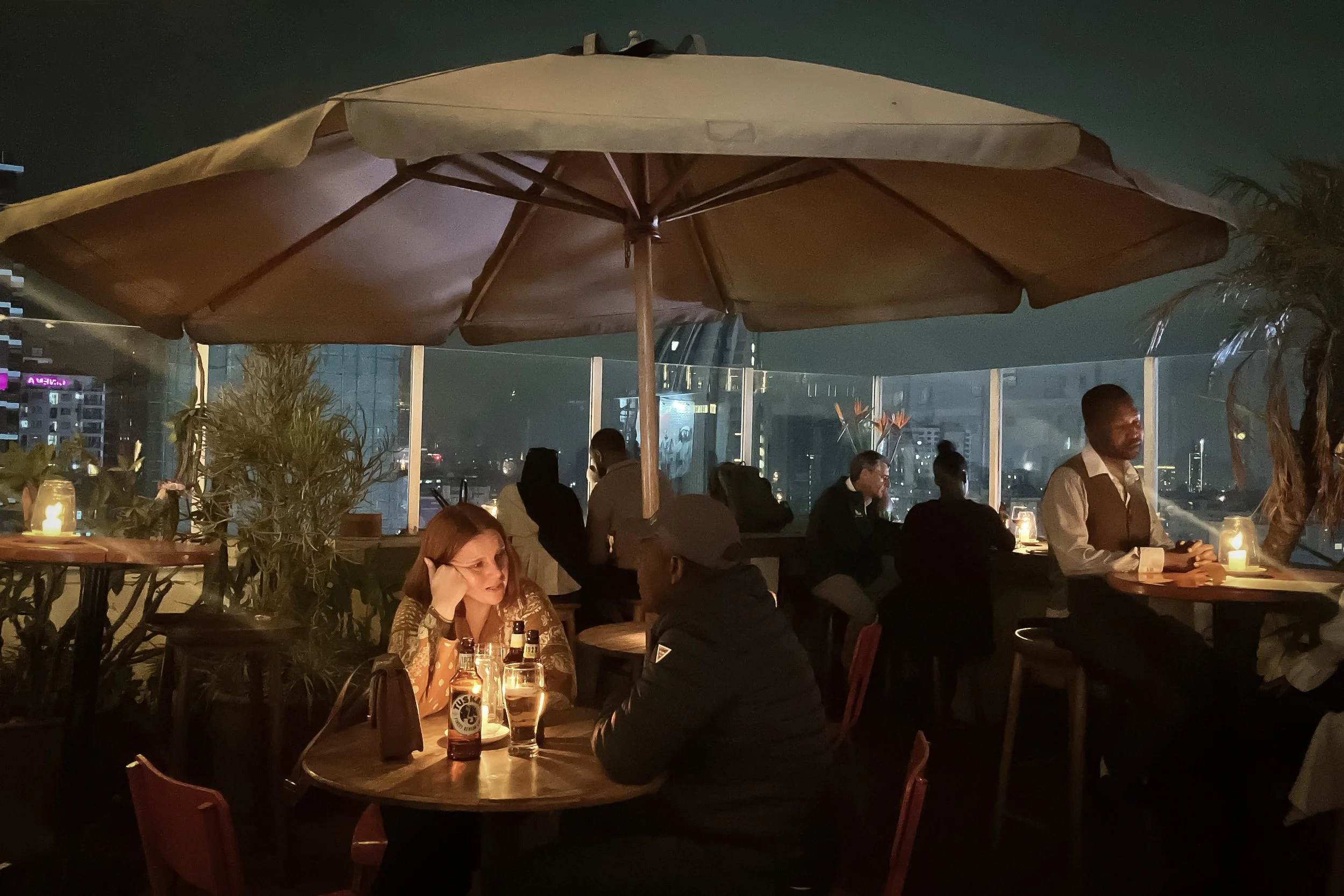
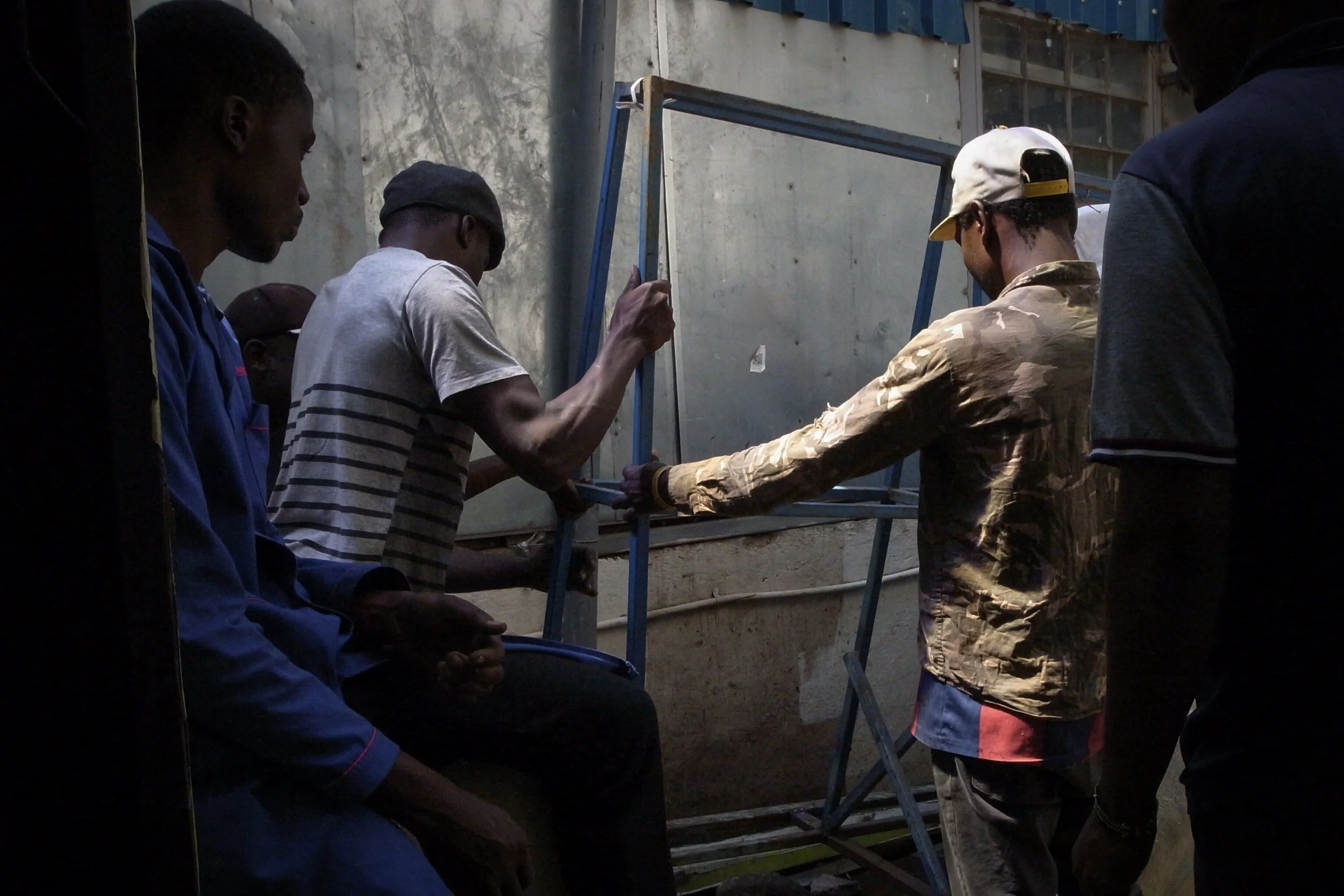
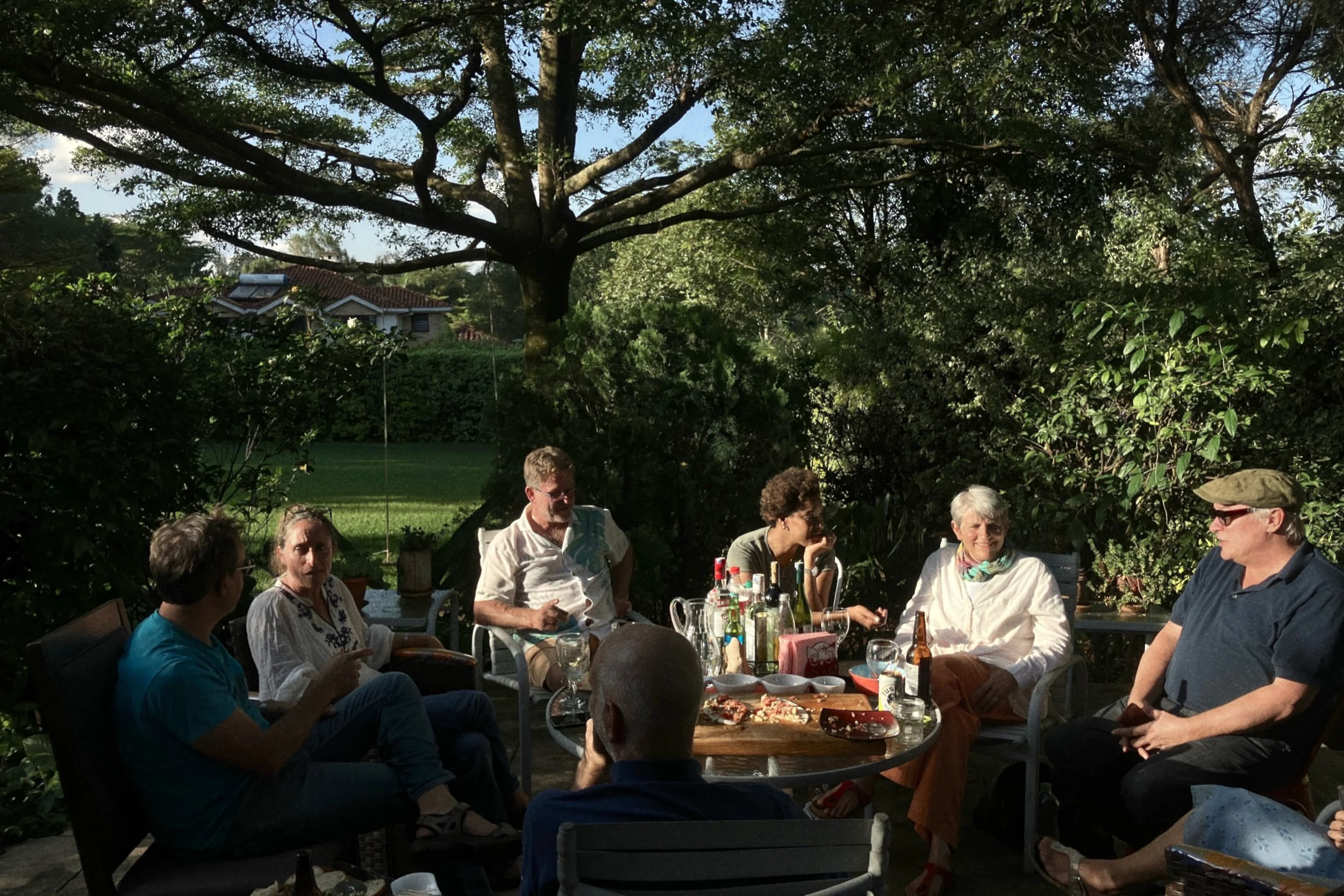
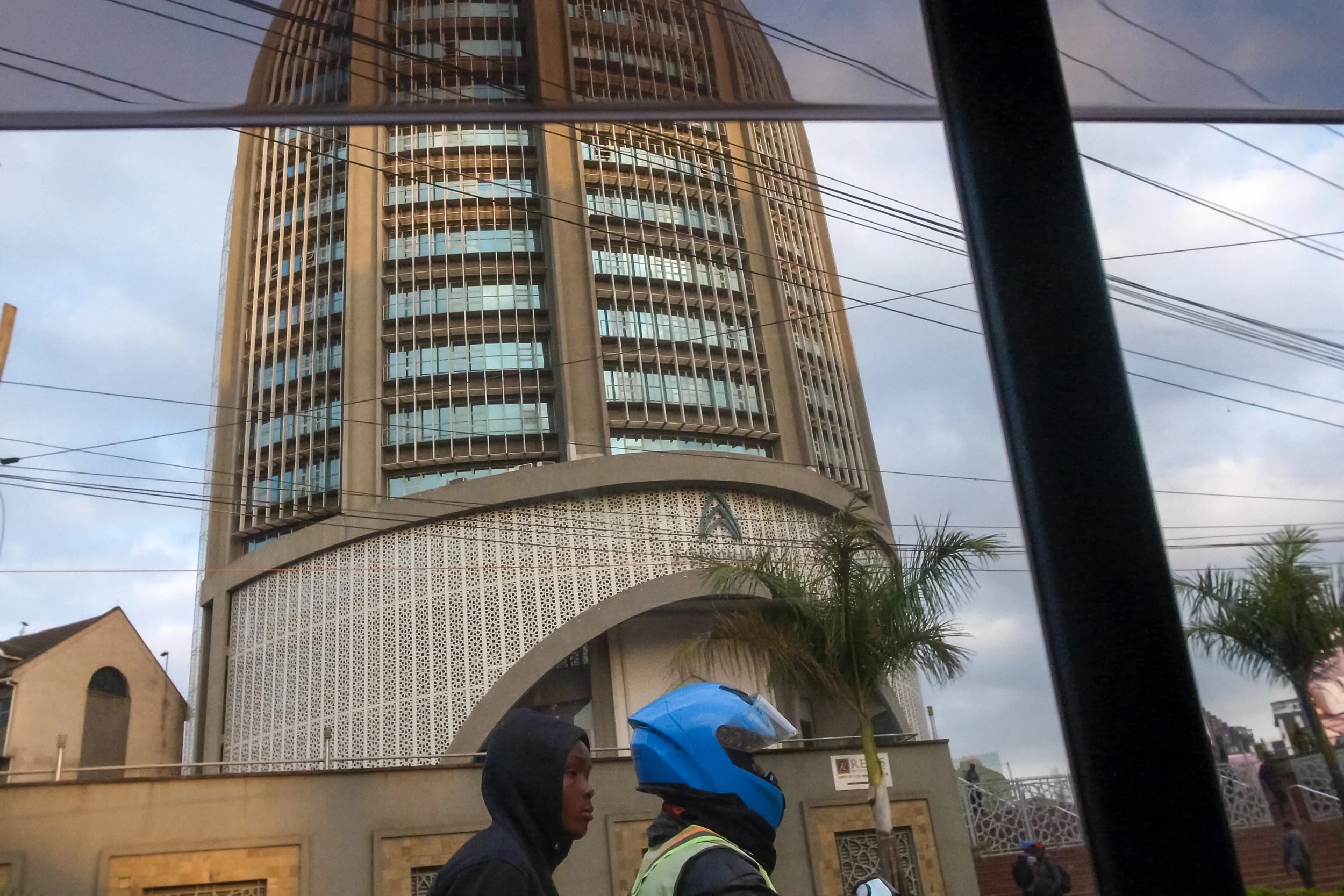
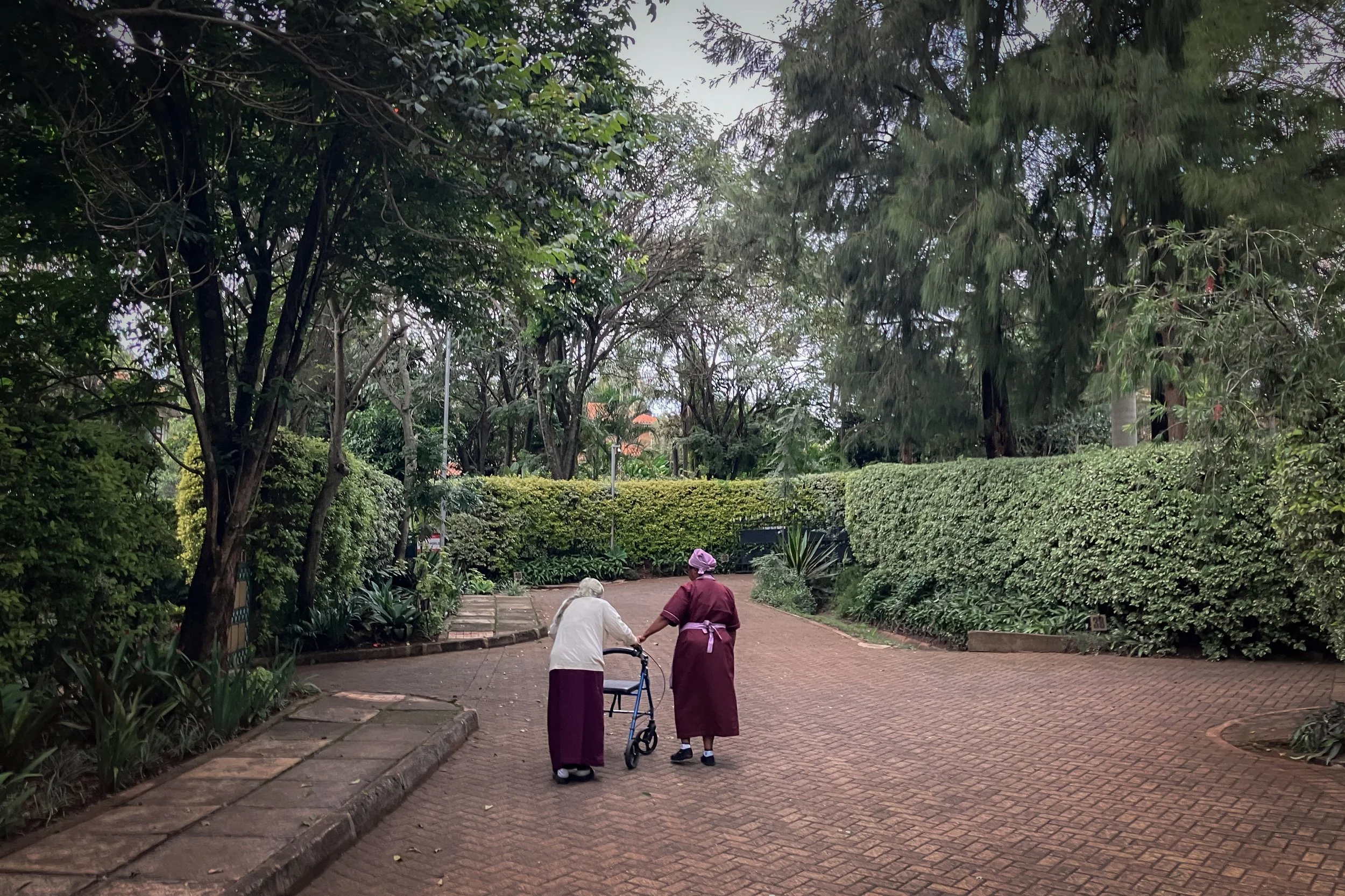
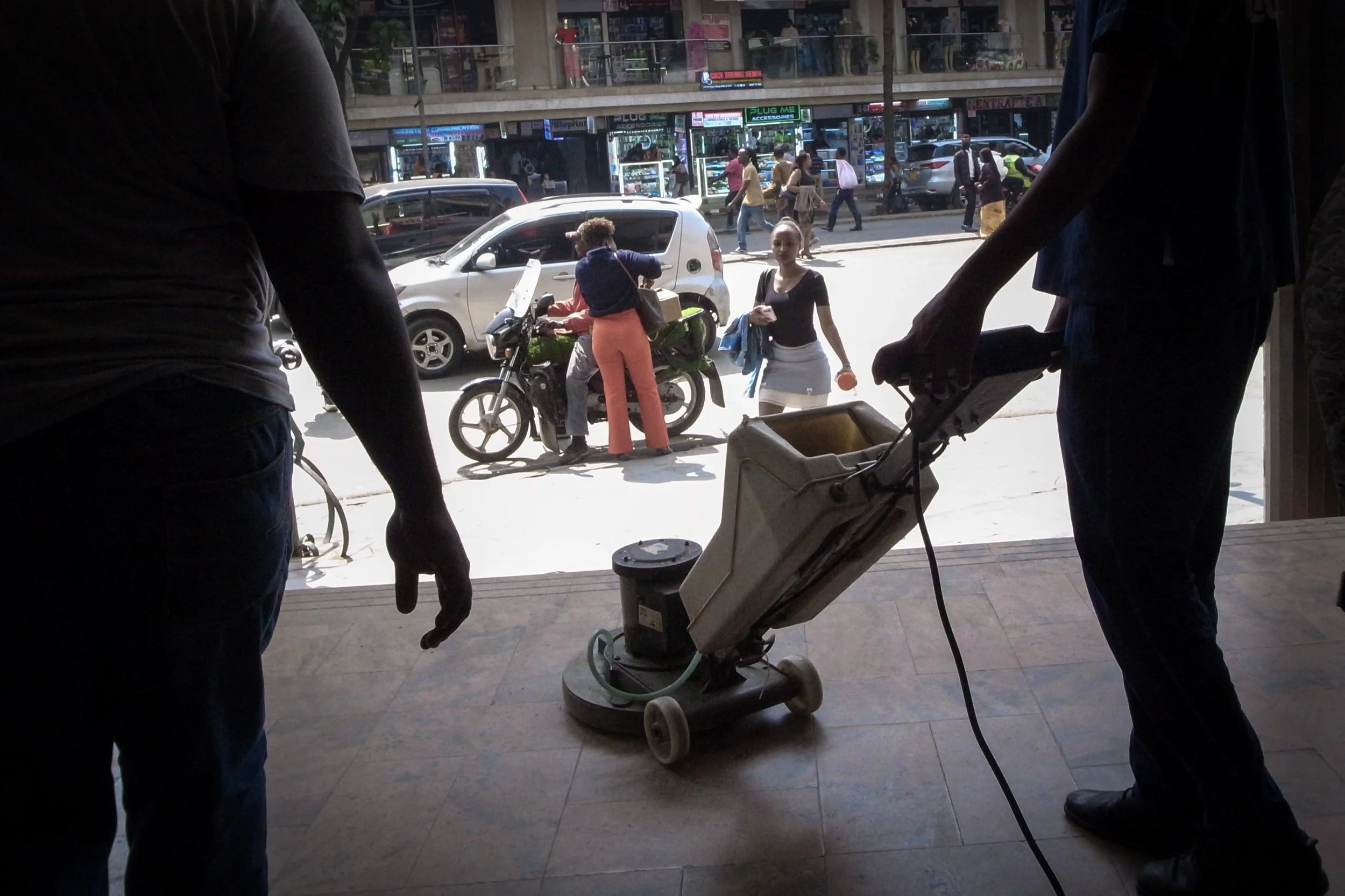
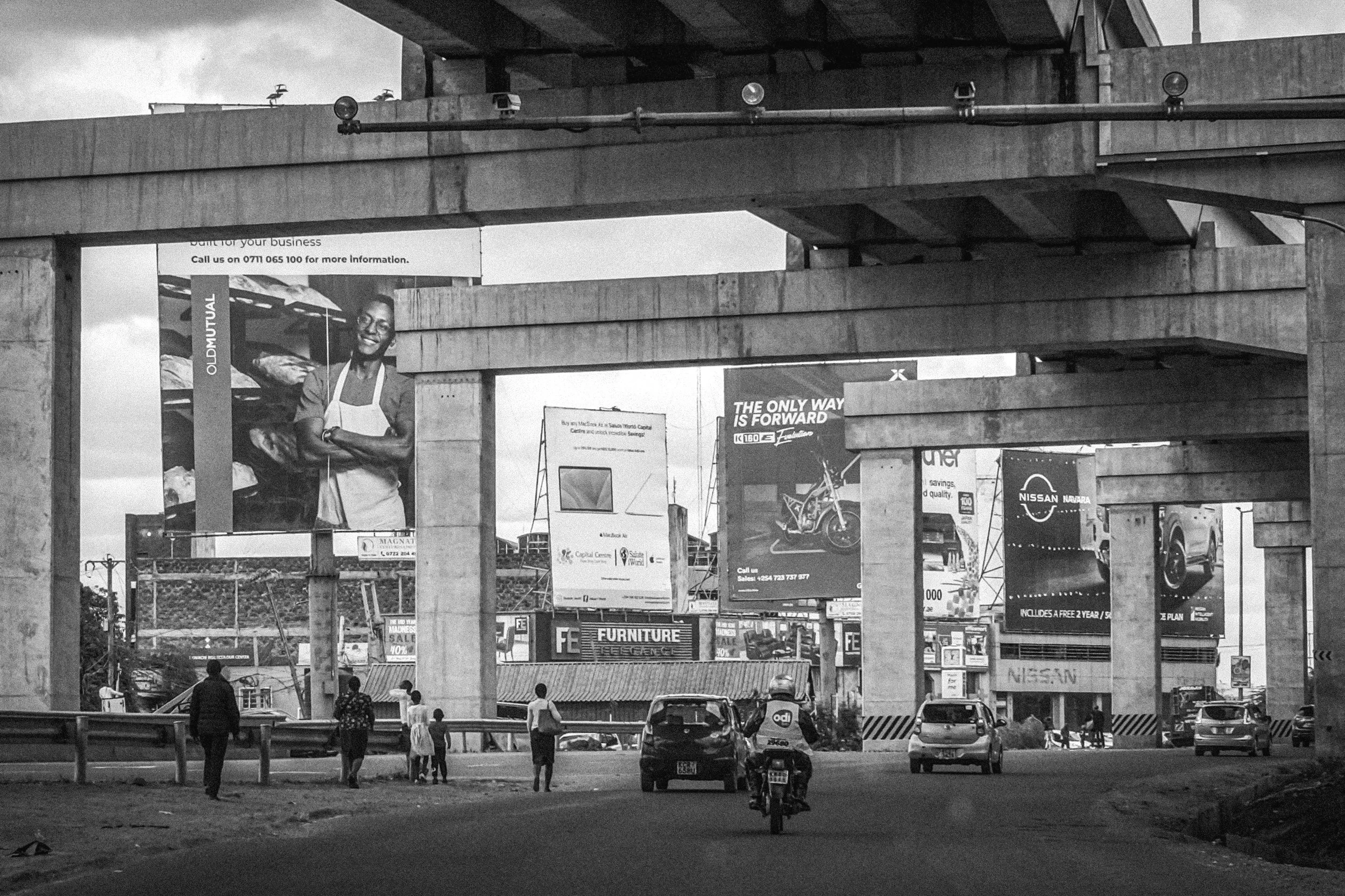
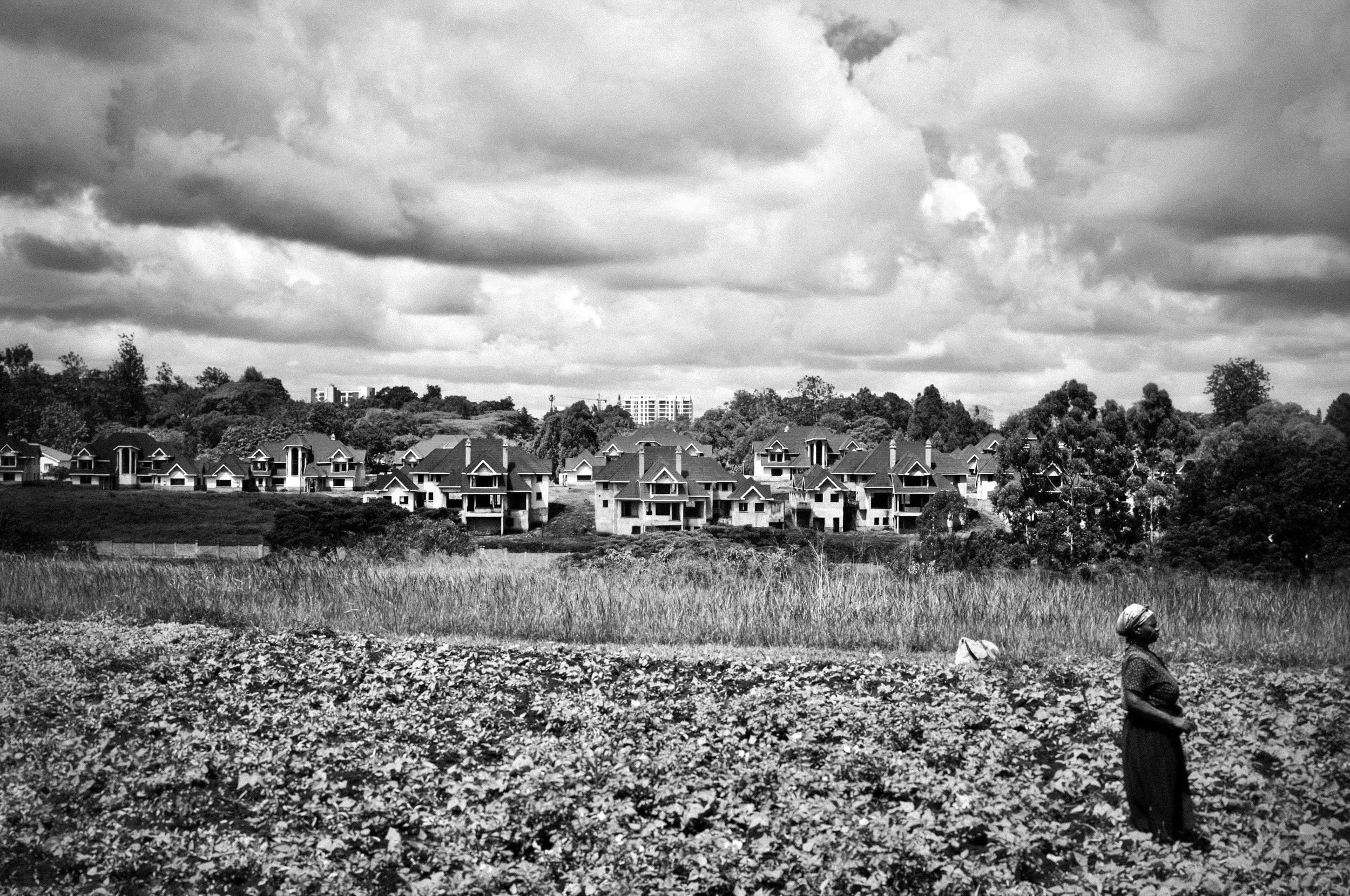
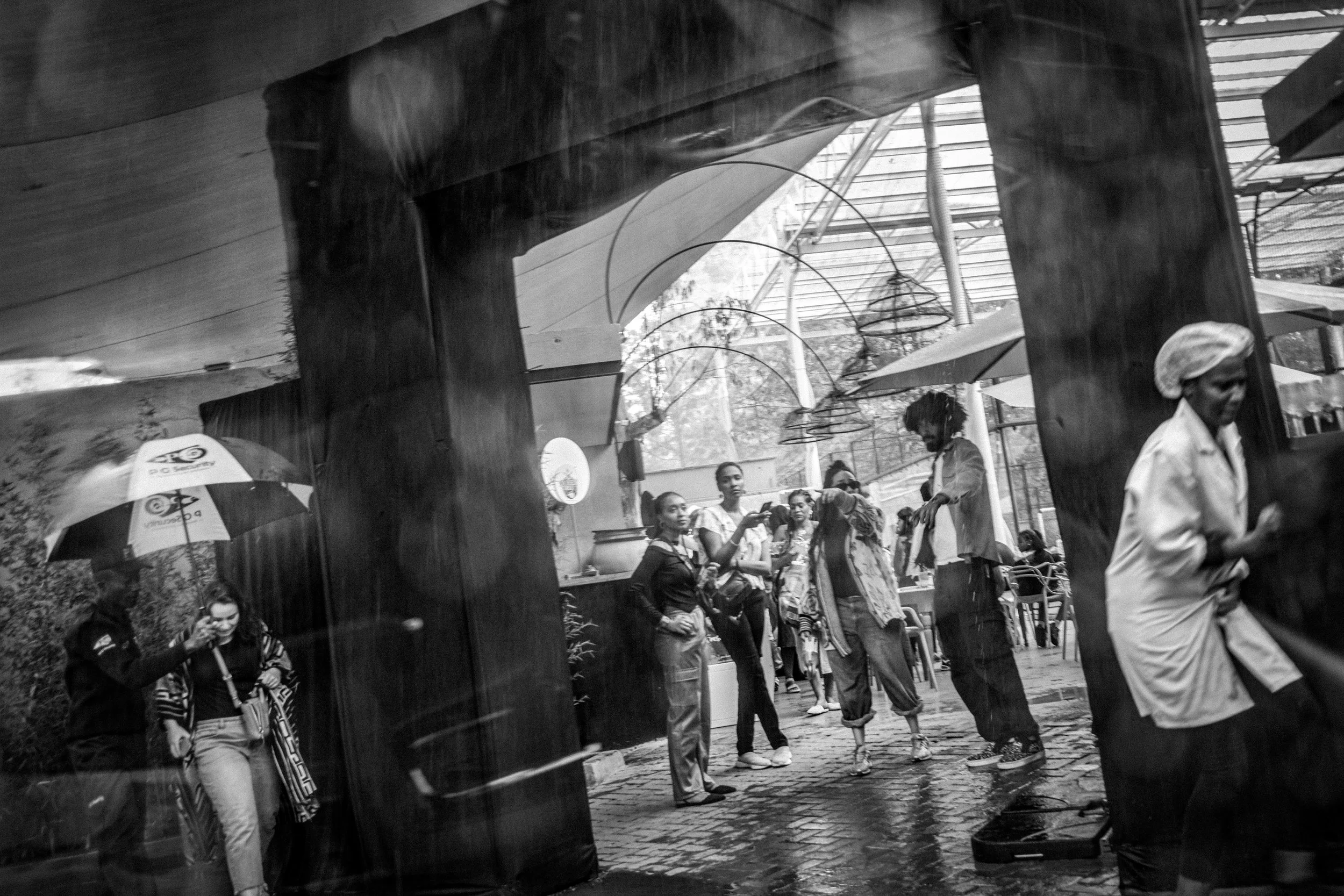
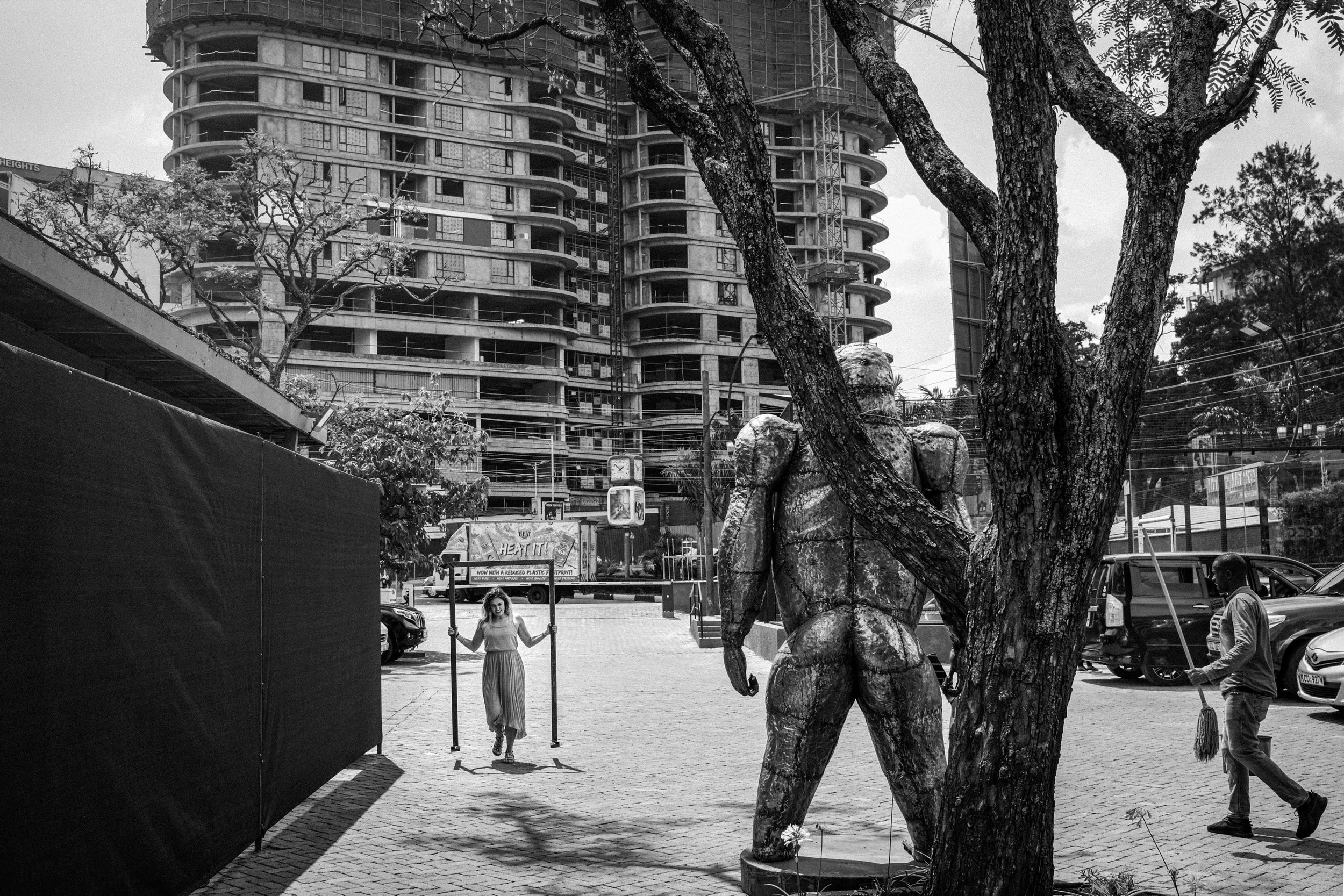
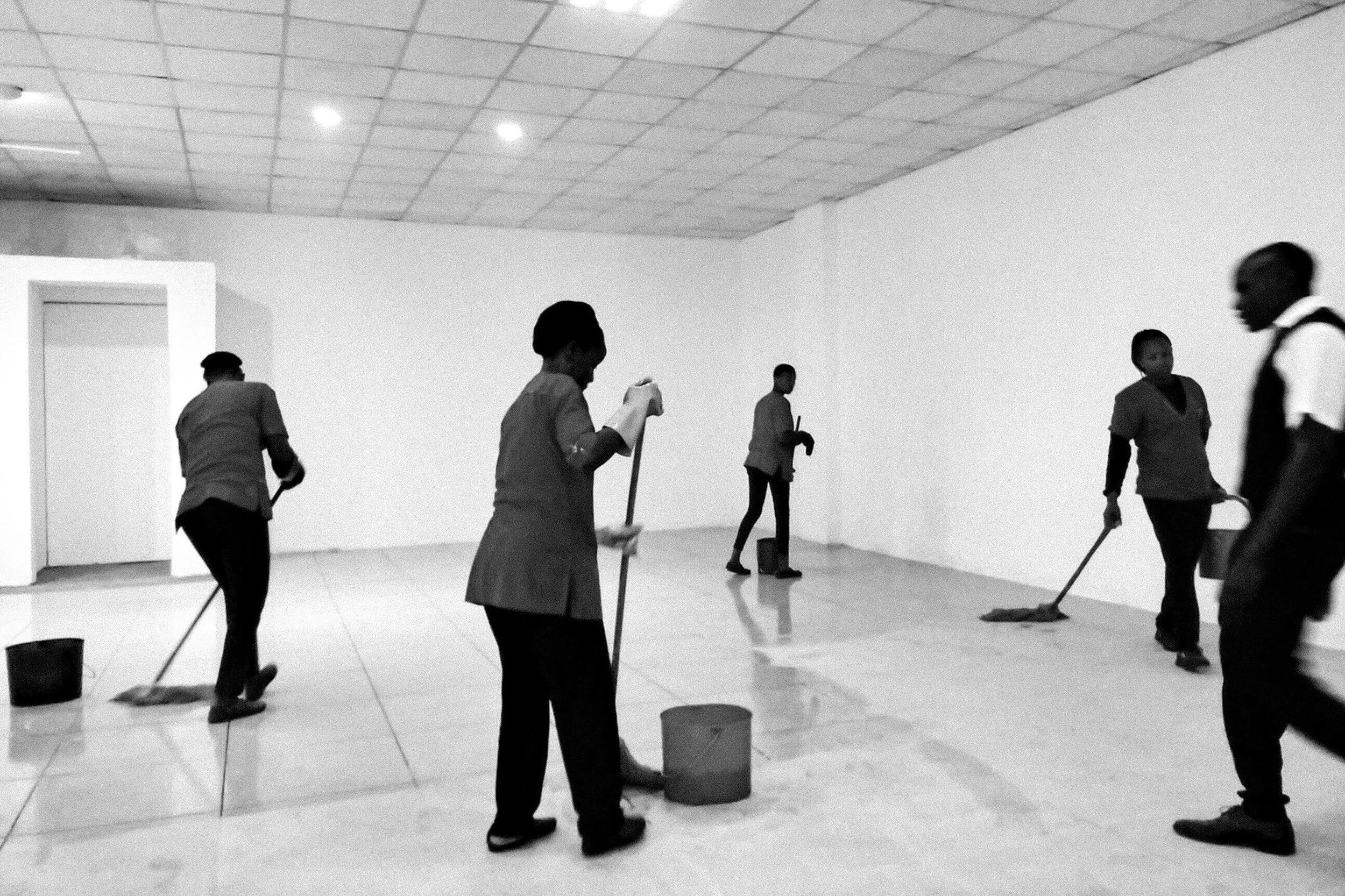
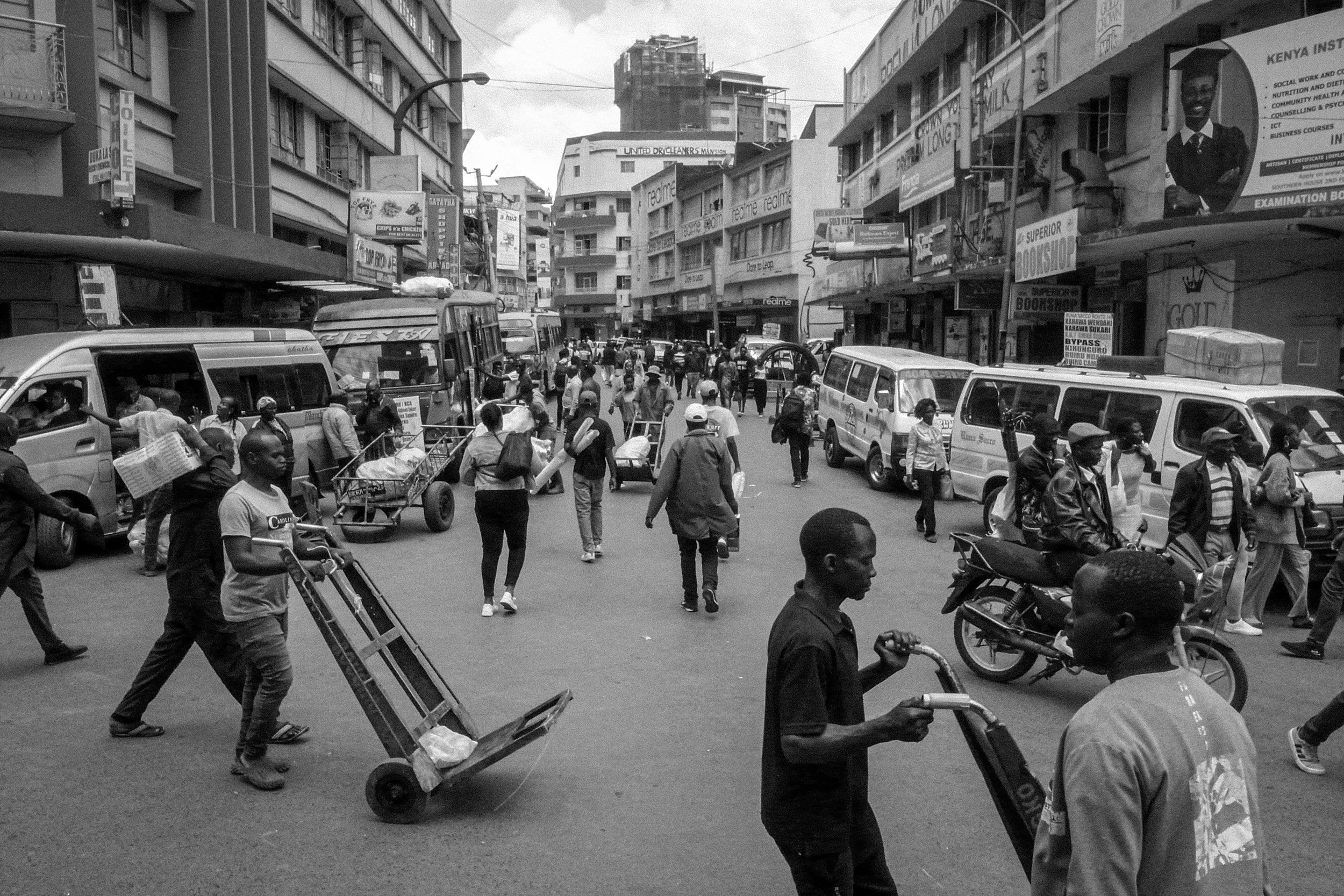
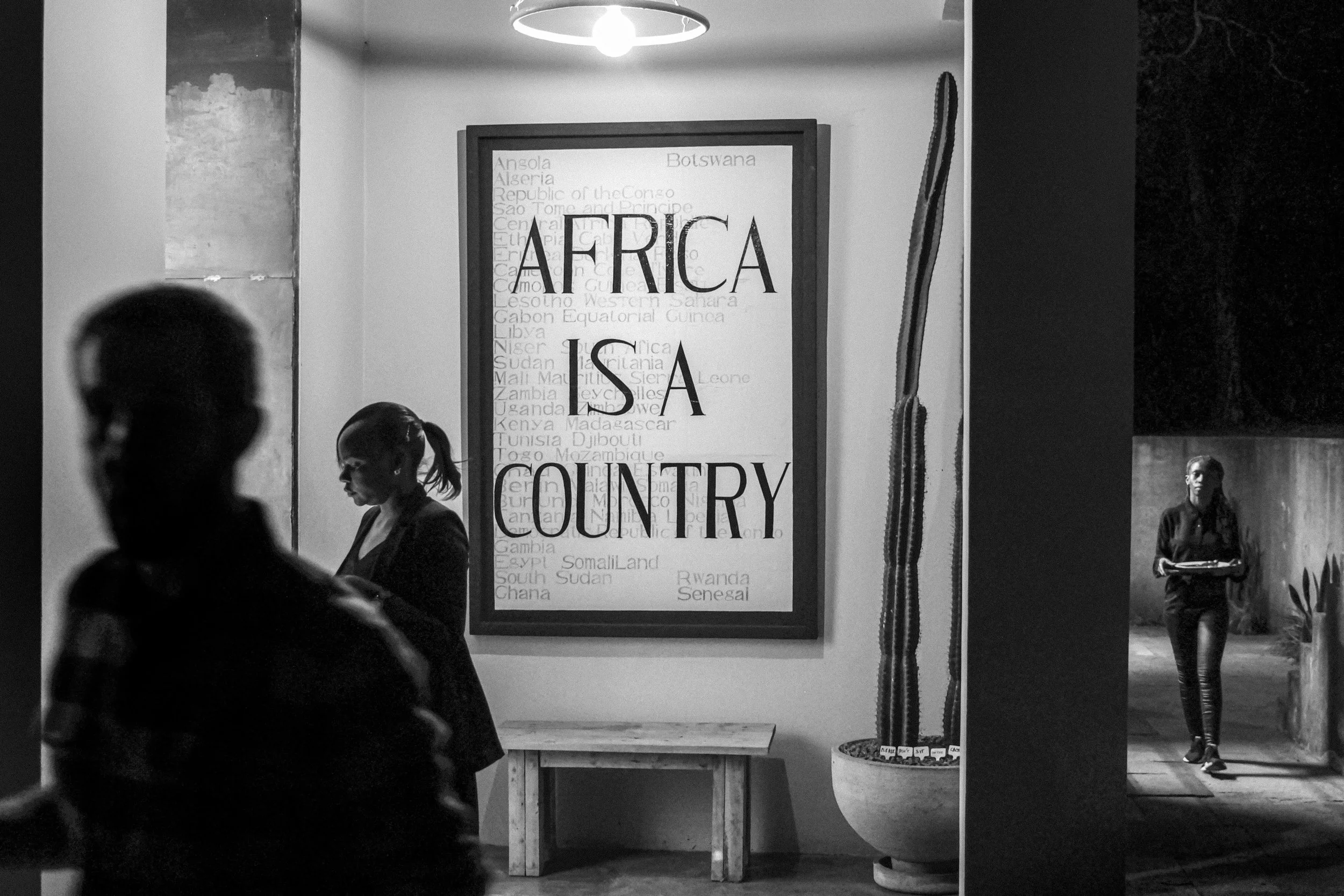
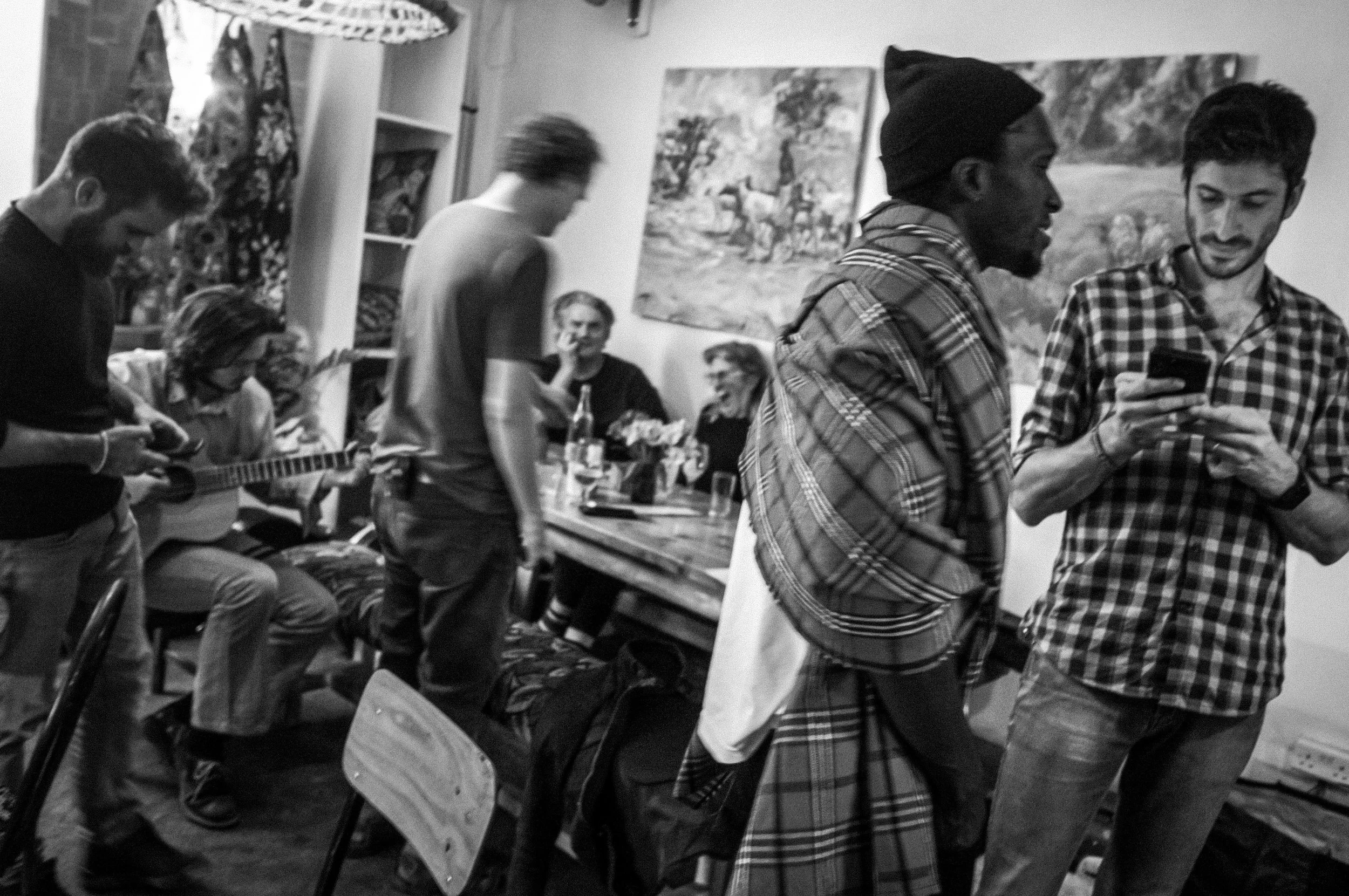
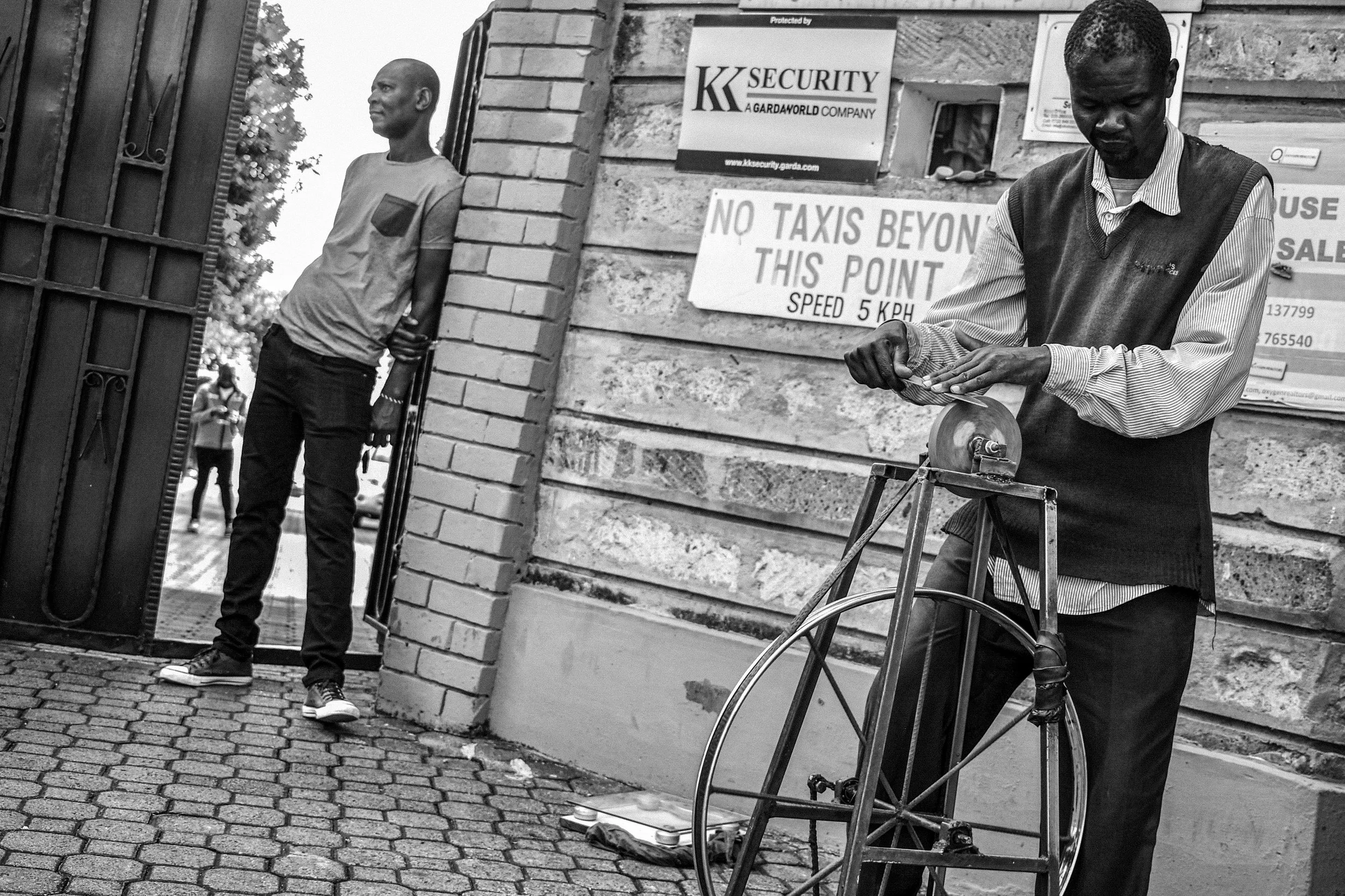
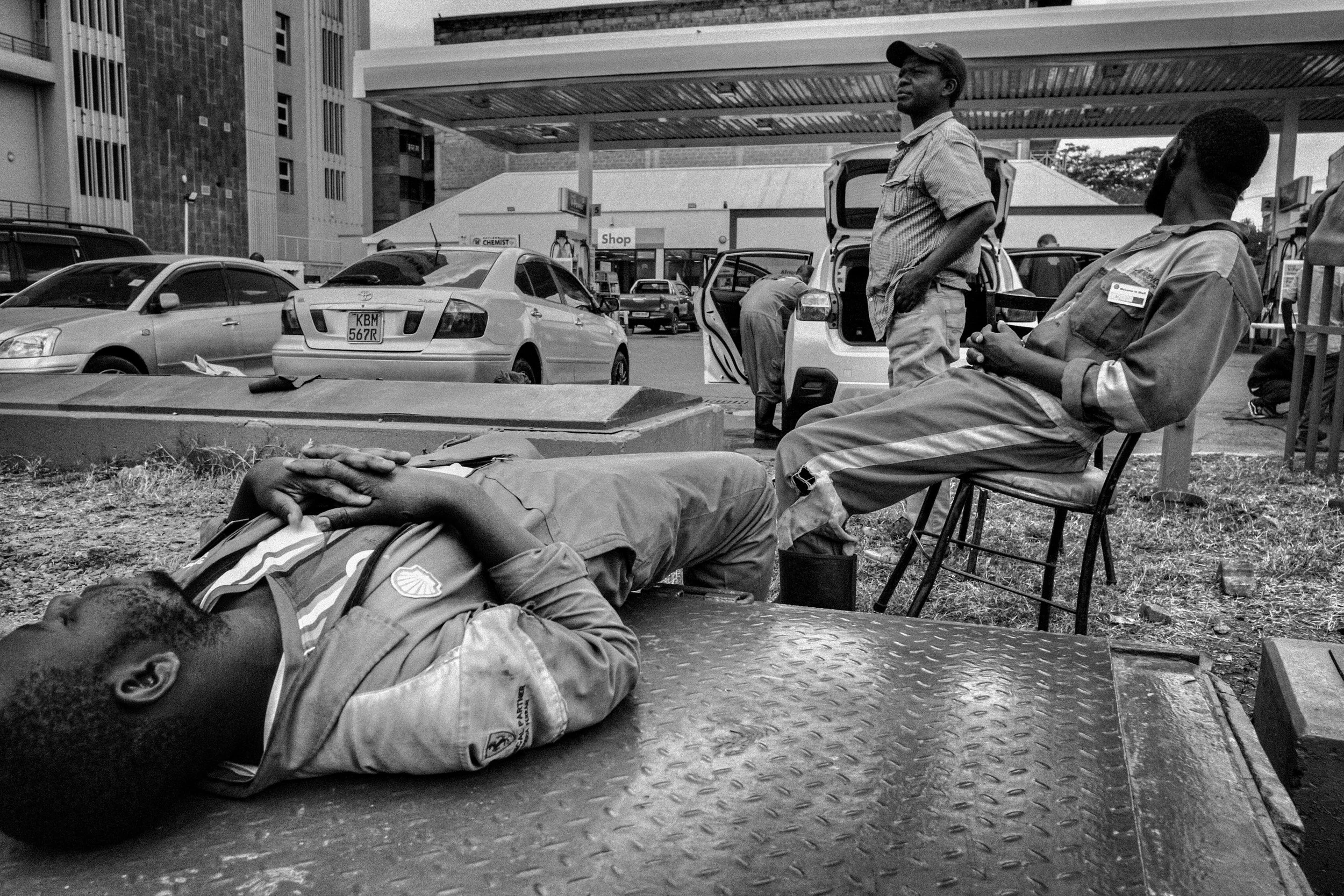
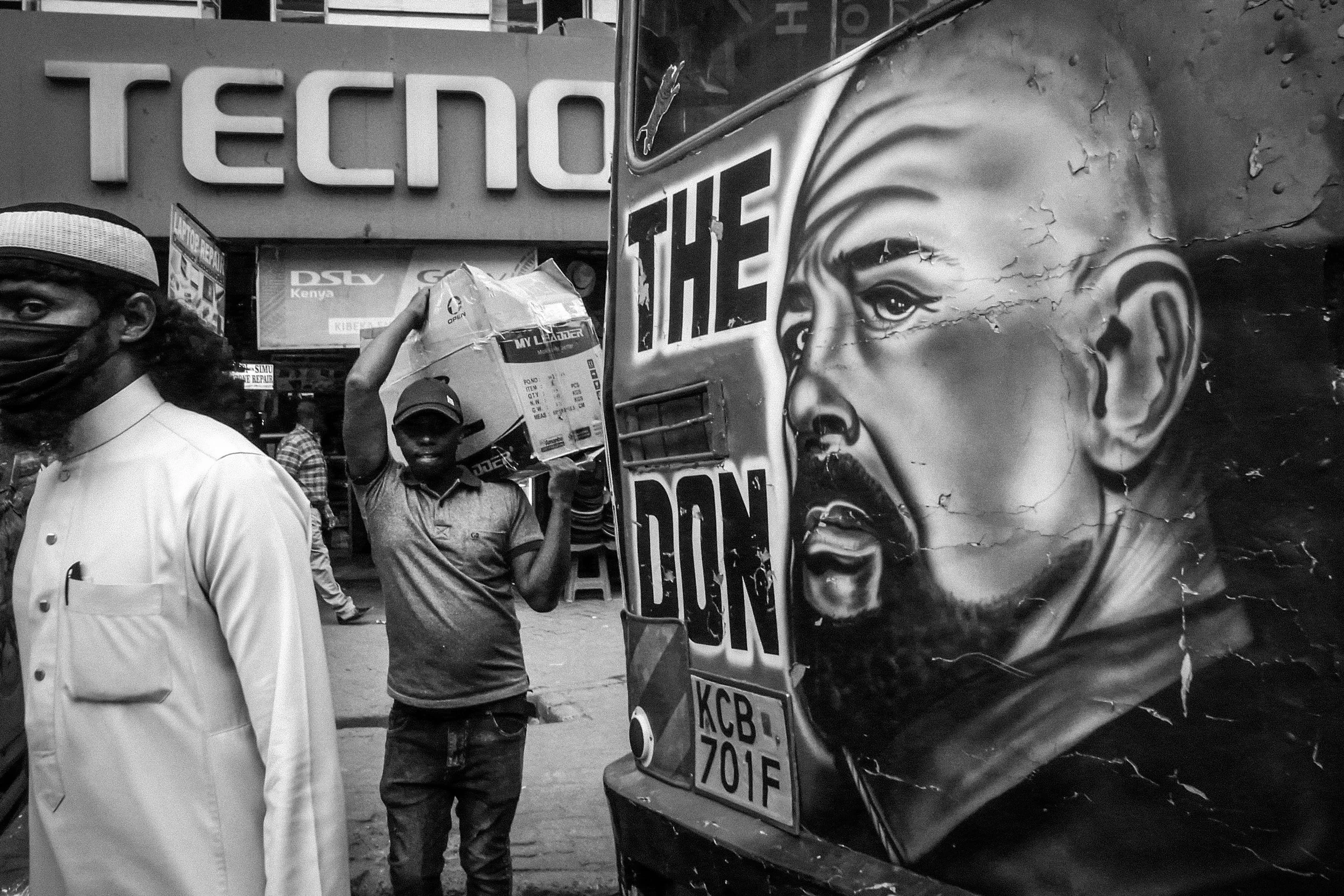
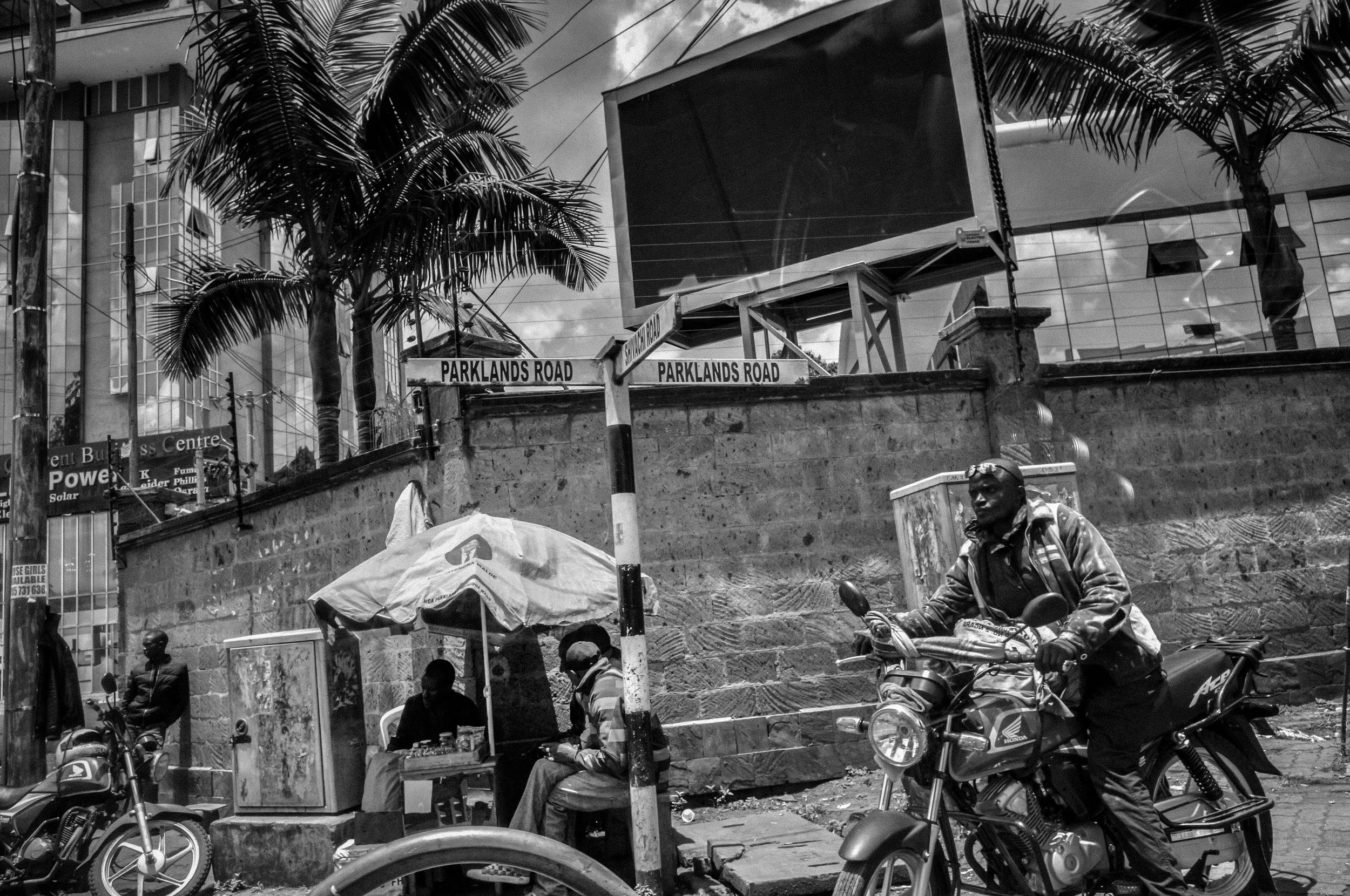
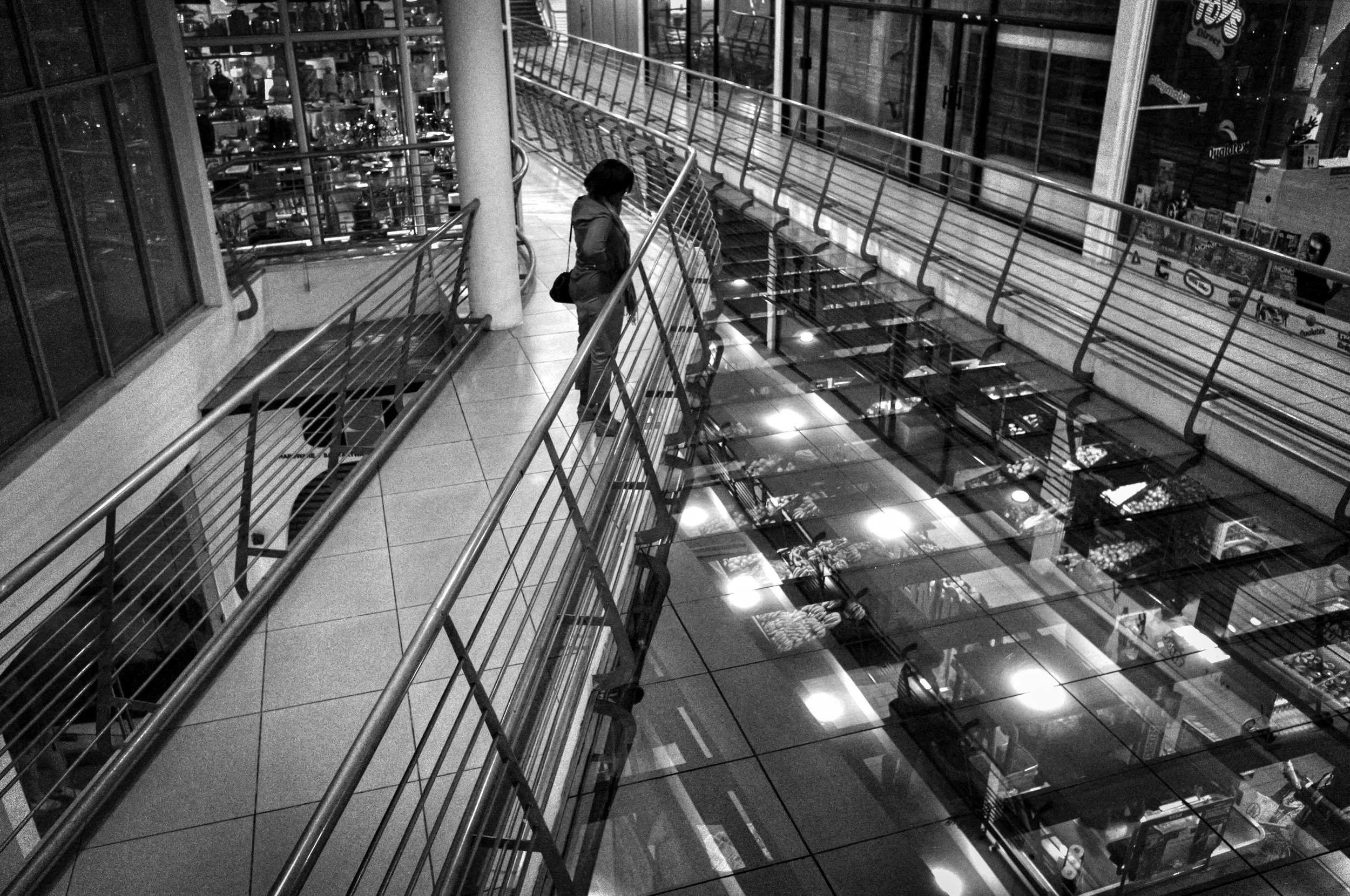
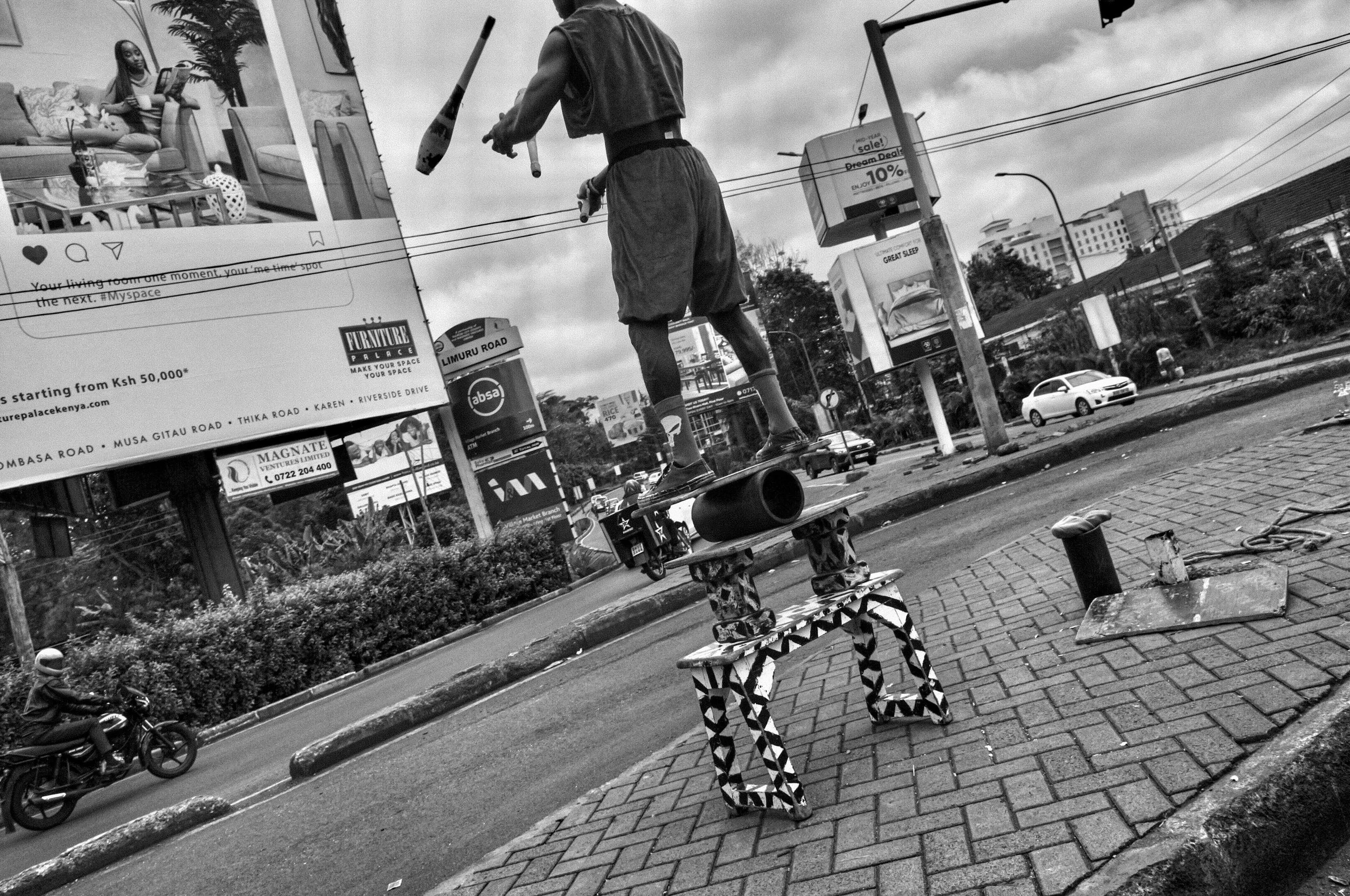
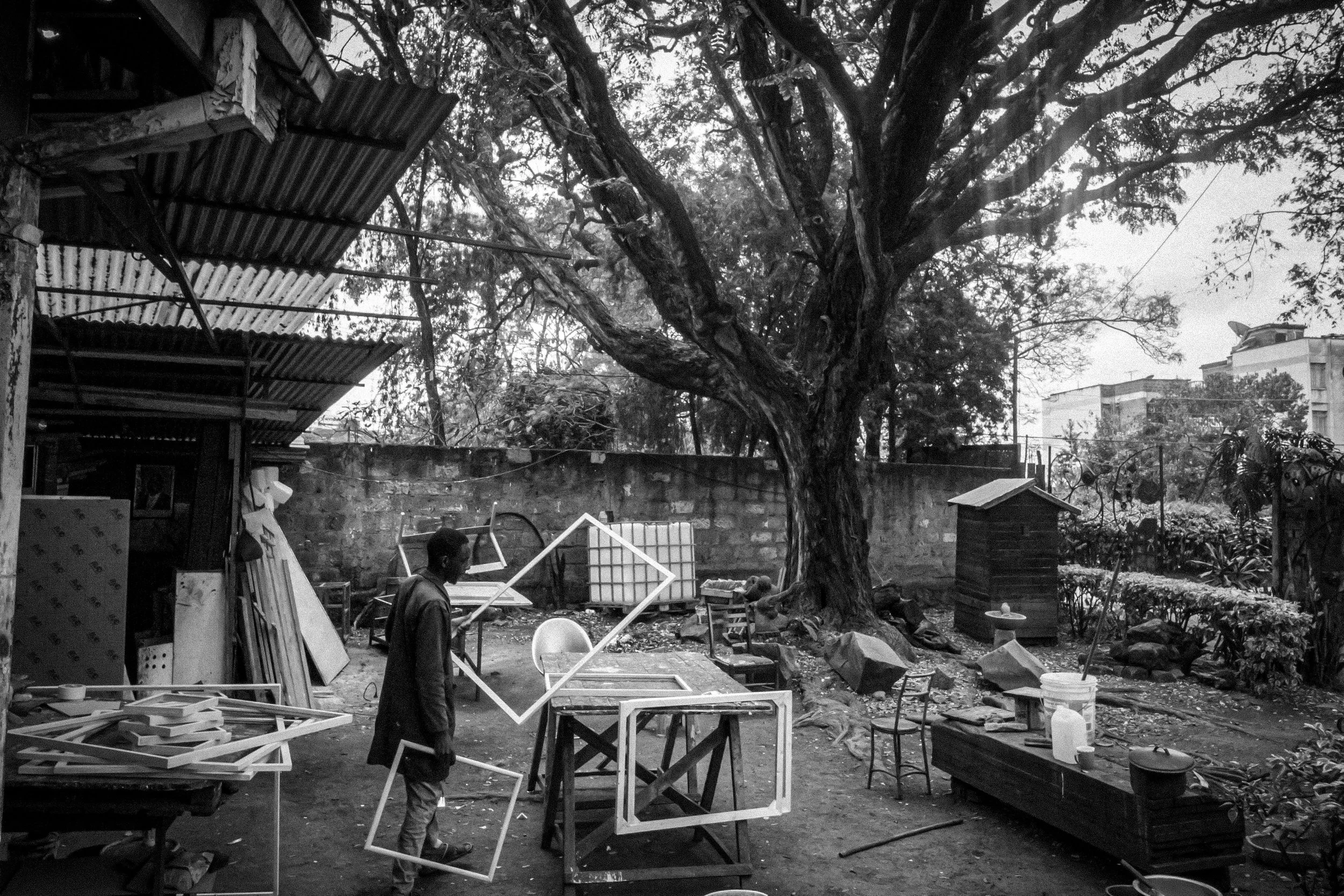
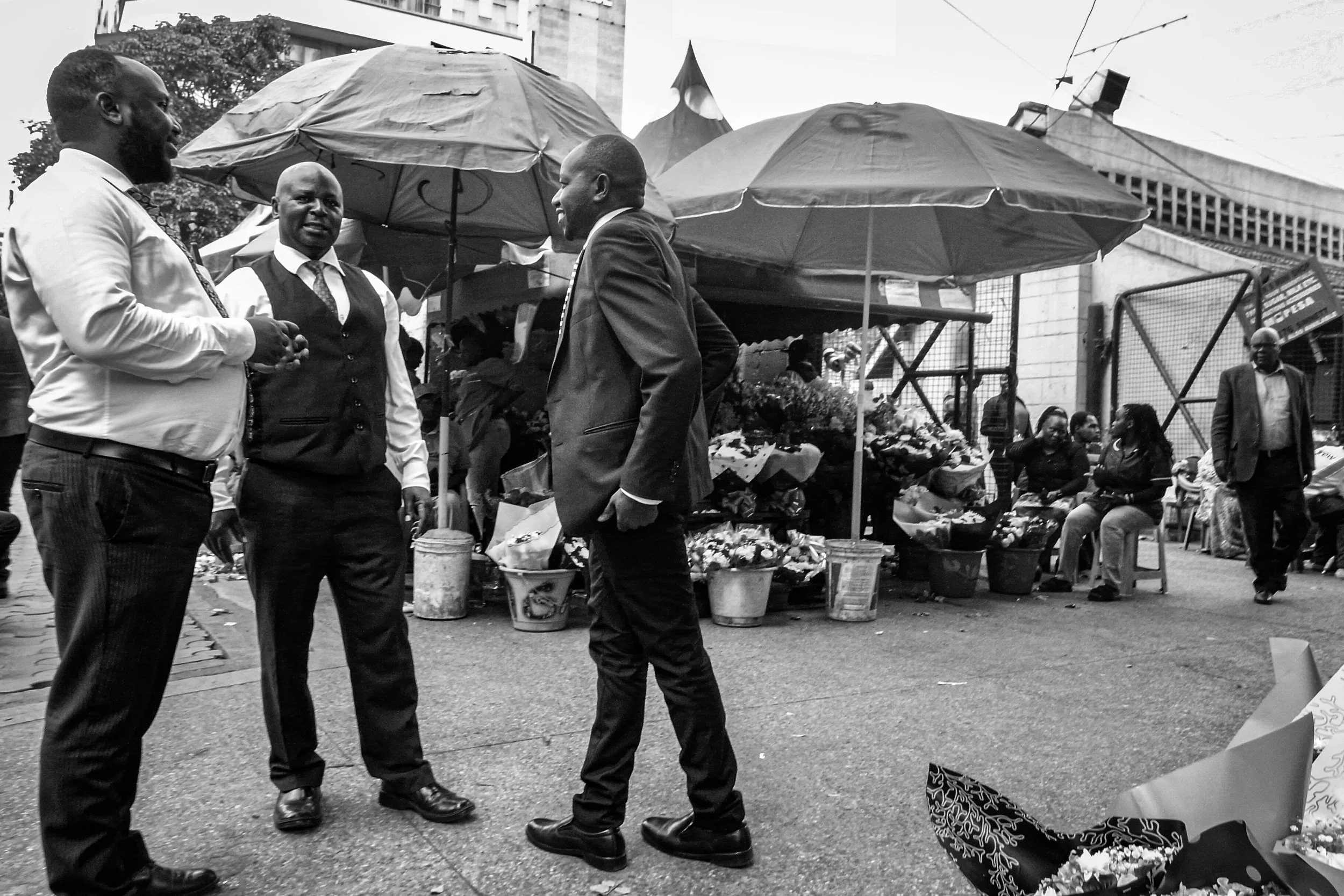
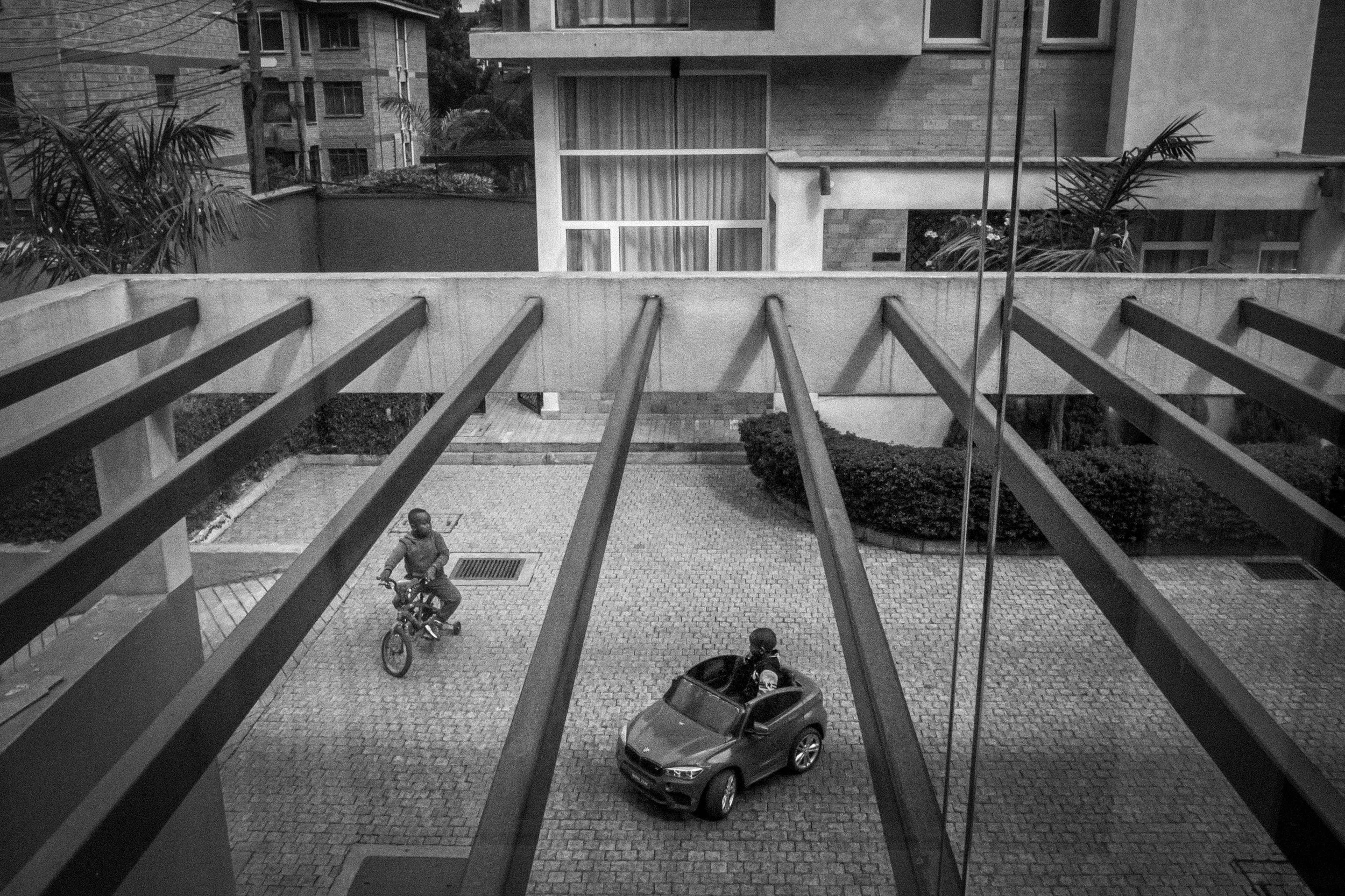
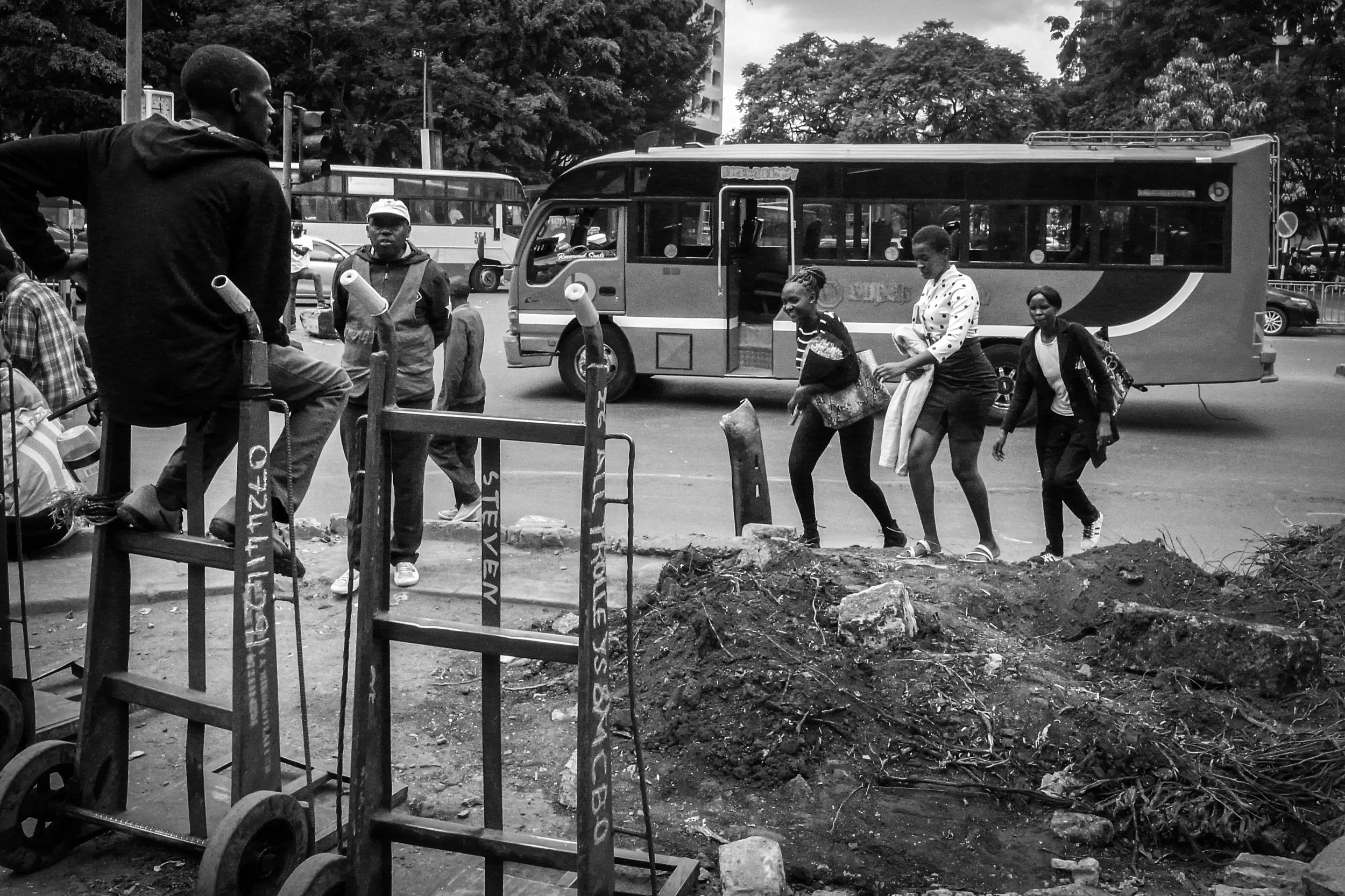
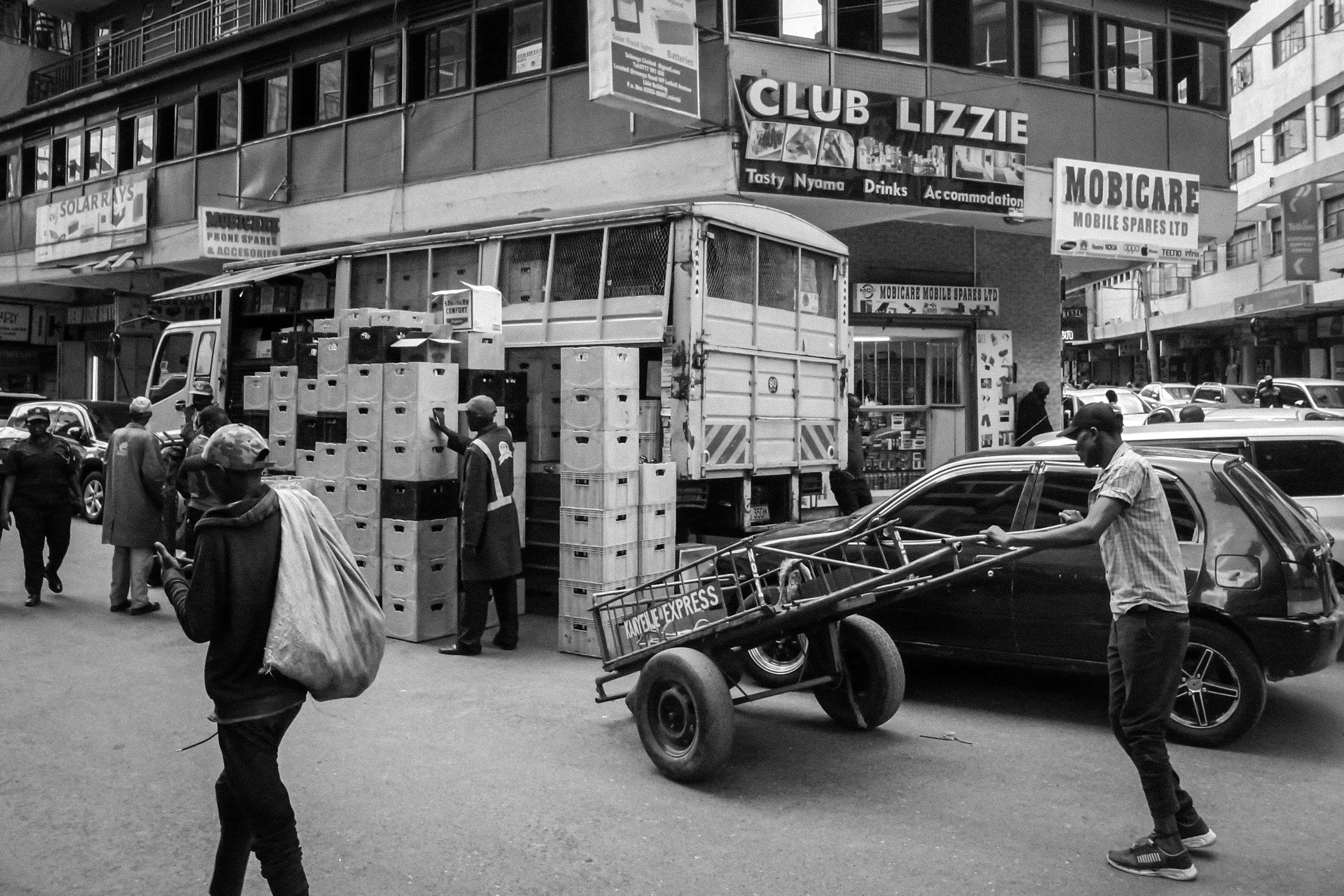
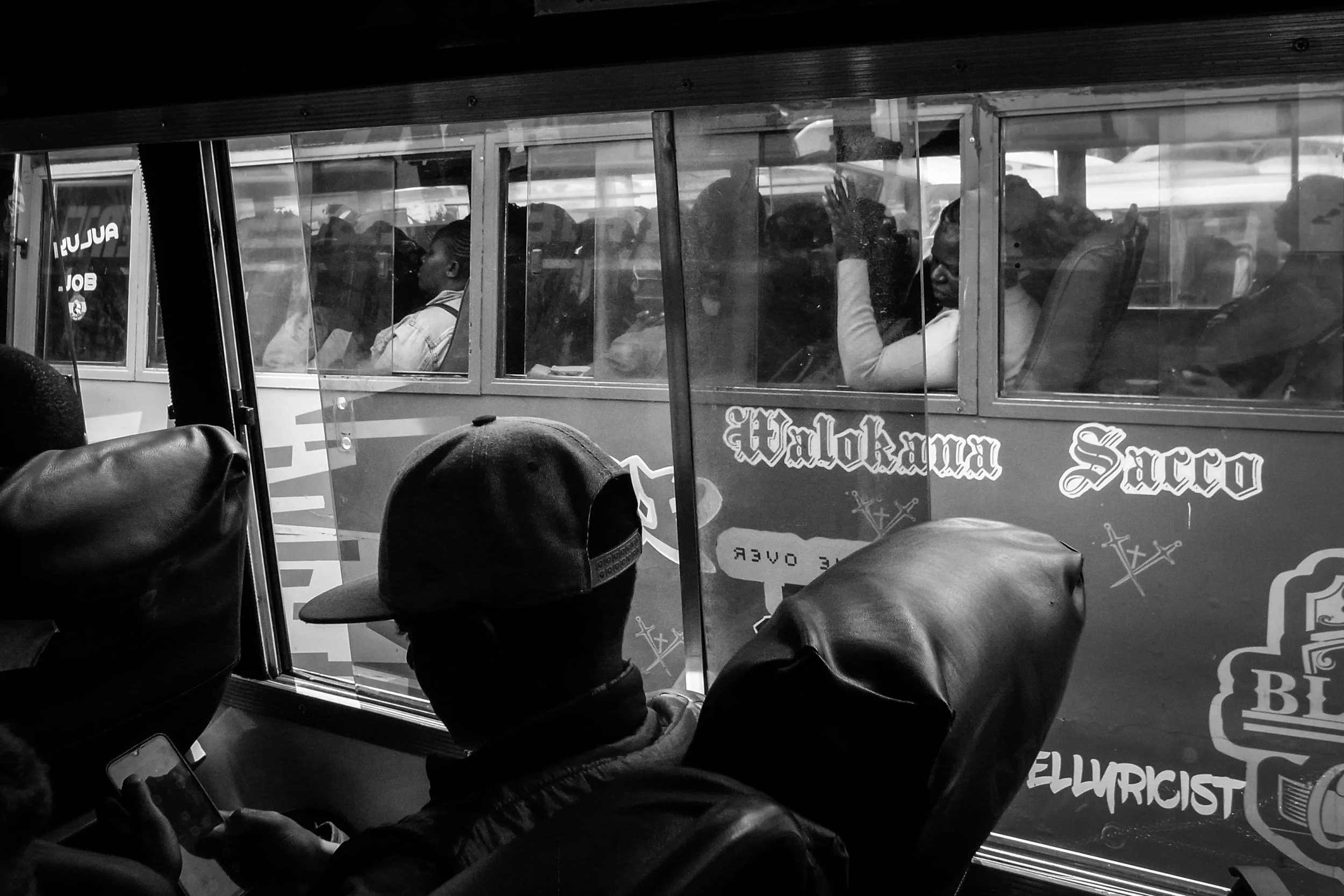
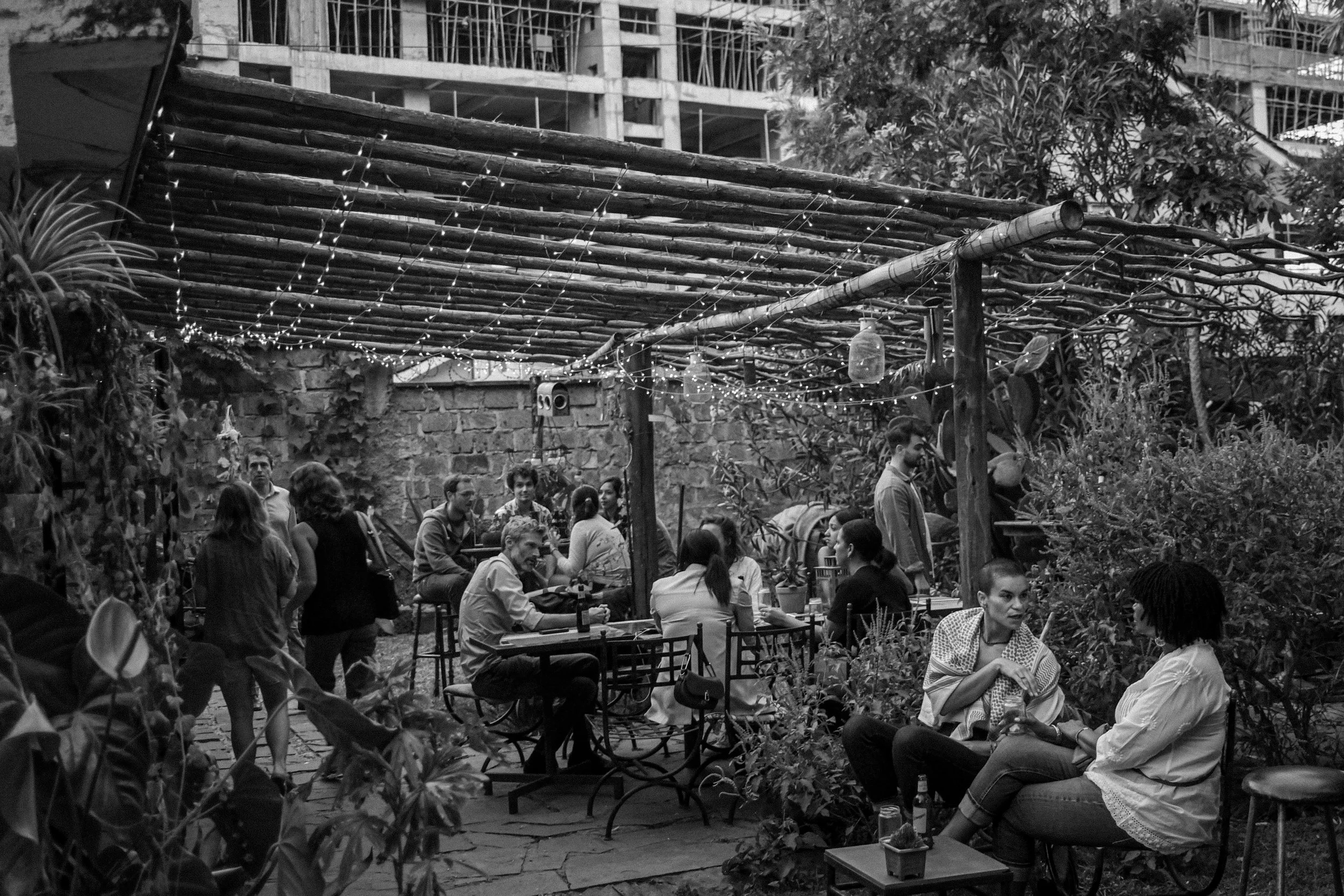
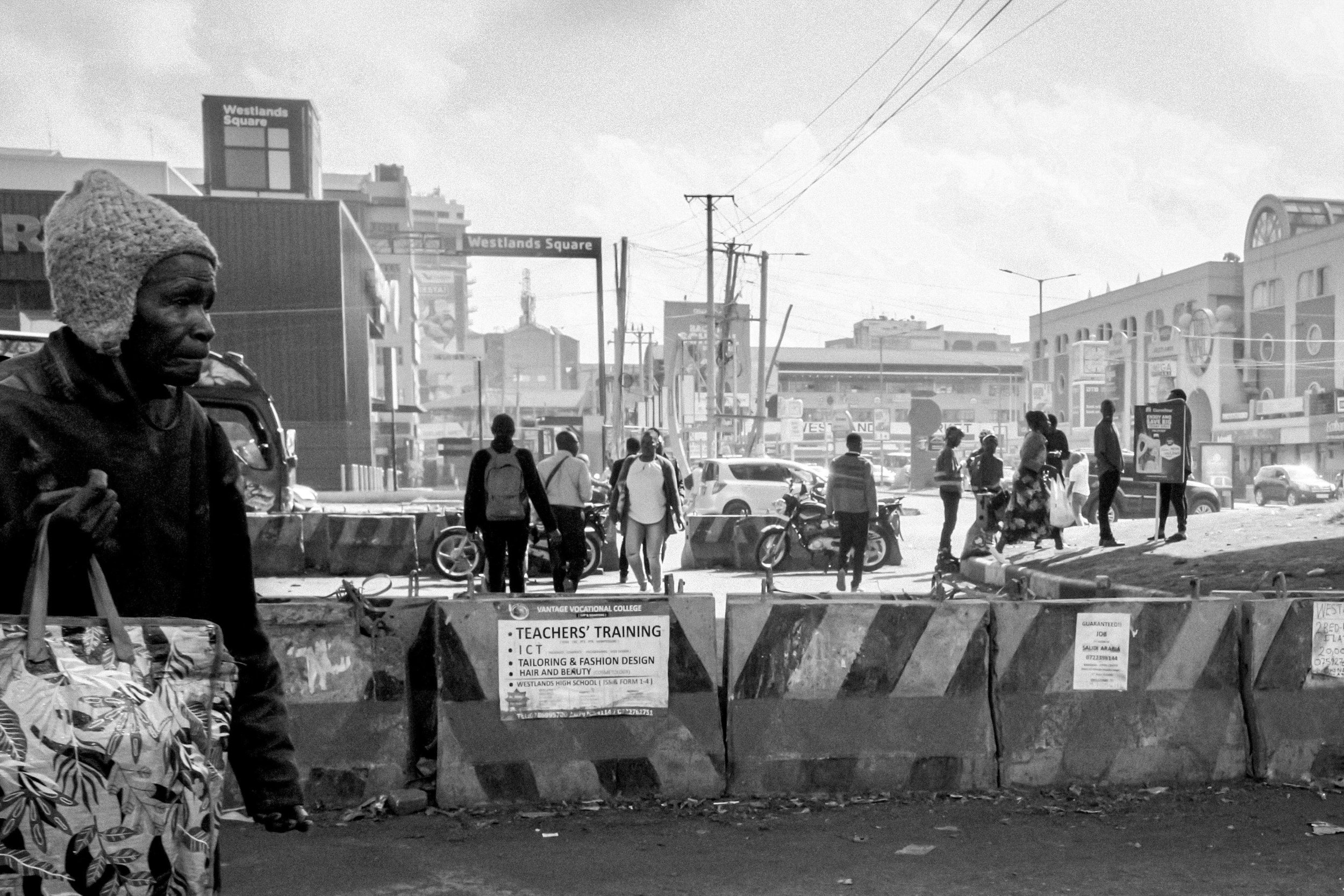
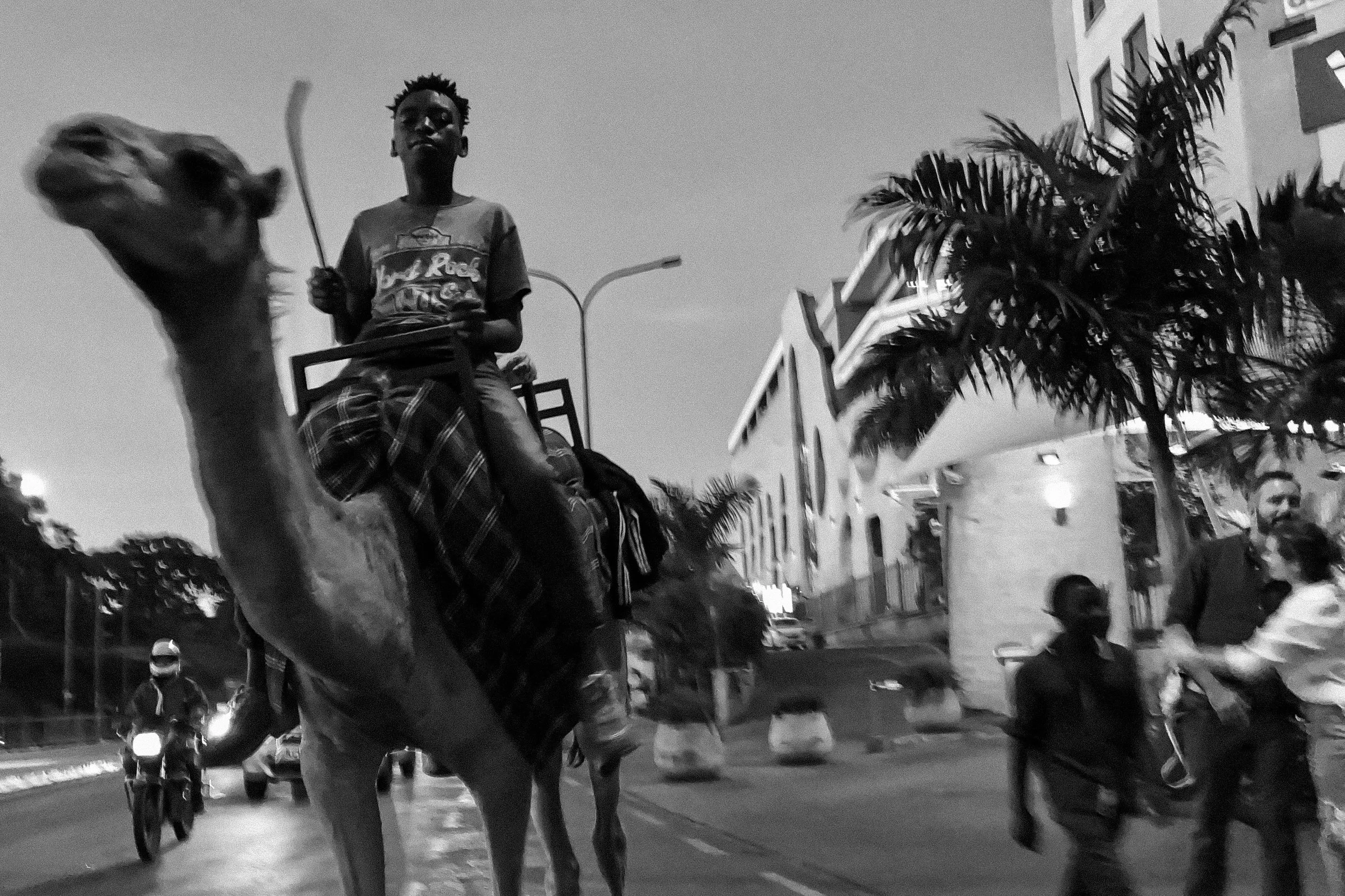
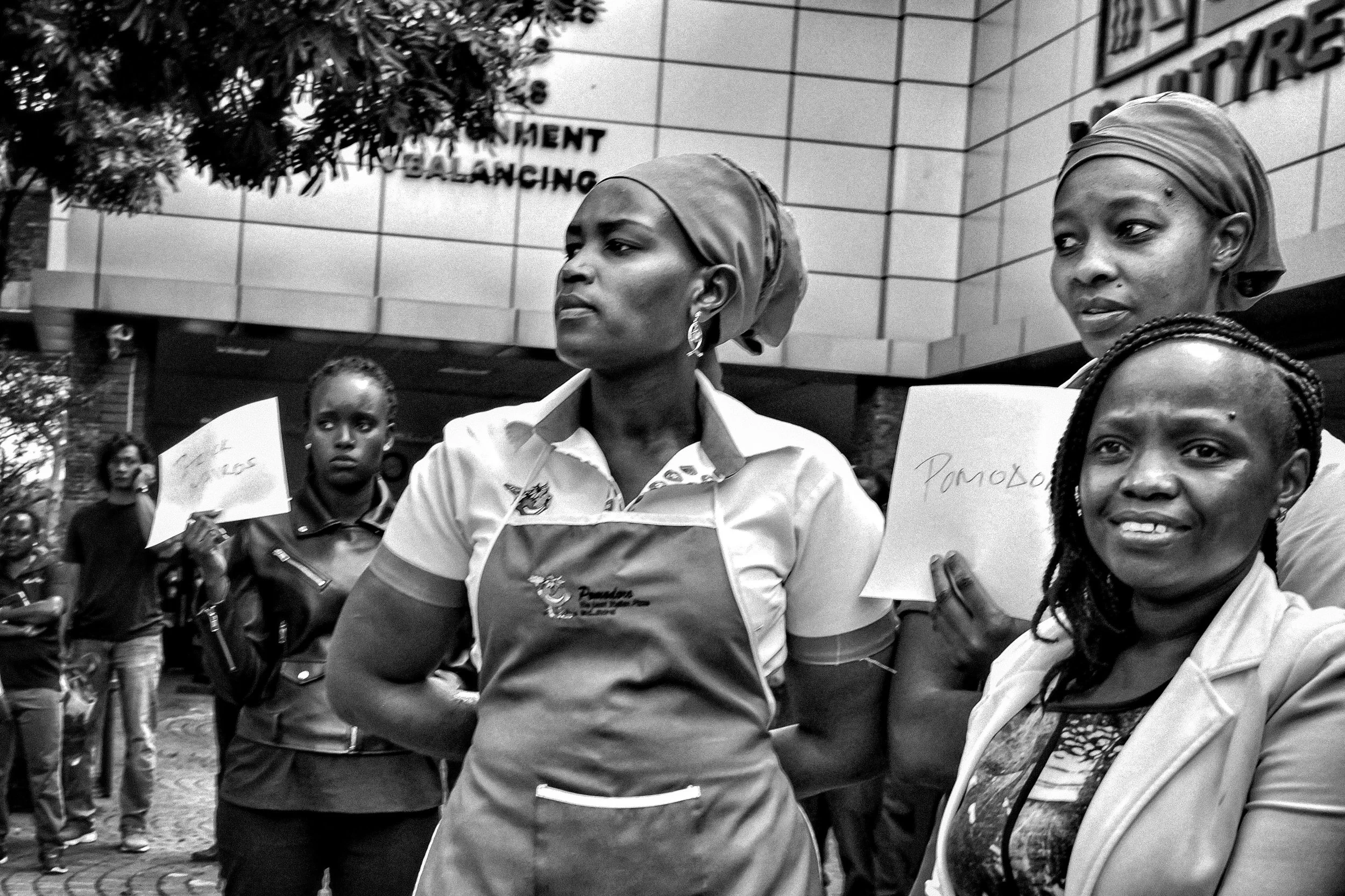
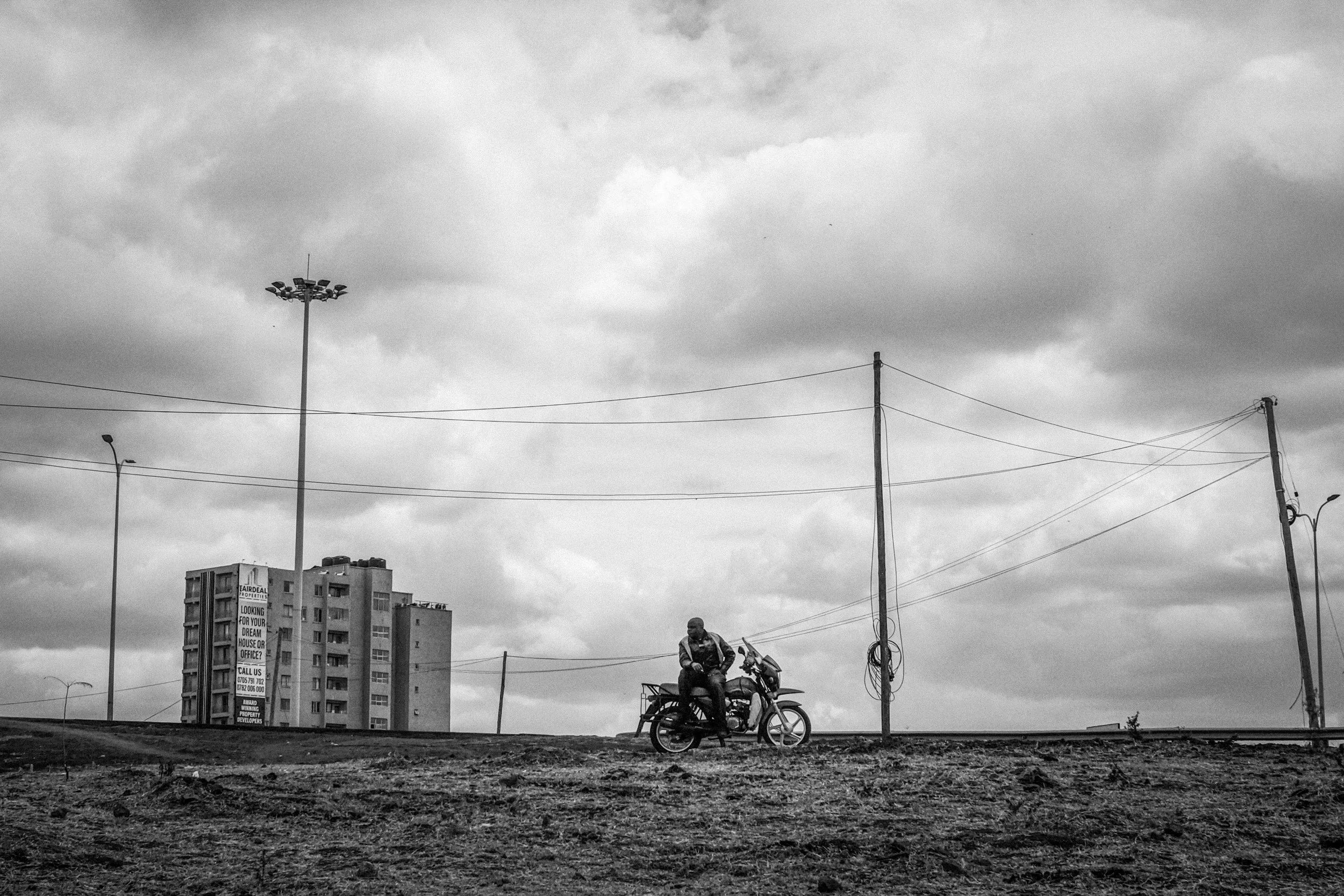
City of contradictions. Poor but also not. Beautiful and ugly. Developed and raw. Safe and unsafe. Fun and frustrating. Lovely private spaces and a disjointed public realm. Shopping malls and slums alternate throughout the city. ‘City of a thousand code violations’. Through it all most Kenyans are grounded, modest, and predominately kind. For them the hustle is unrelenting. For the numerous expats, life is more comfortable but largely sheltered from local realities.
I am almost always after the essence of a place, and the relationship of people to their environment. Basic questions: What is it like? How are the people? What is true? Yet any ‘answers’ I might offer are more in the form of new questions, I’m also seeking mystery and ambiguity. Any story is only a fragment, any message is possibly a feint. Isn’t that how life is?
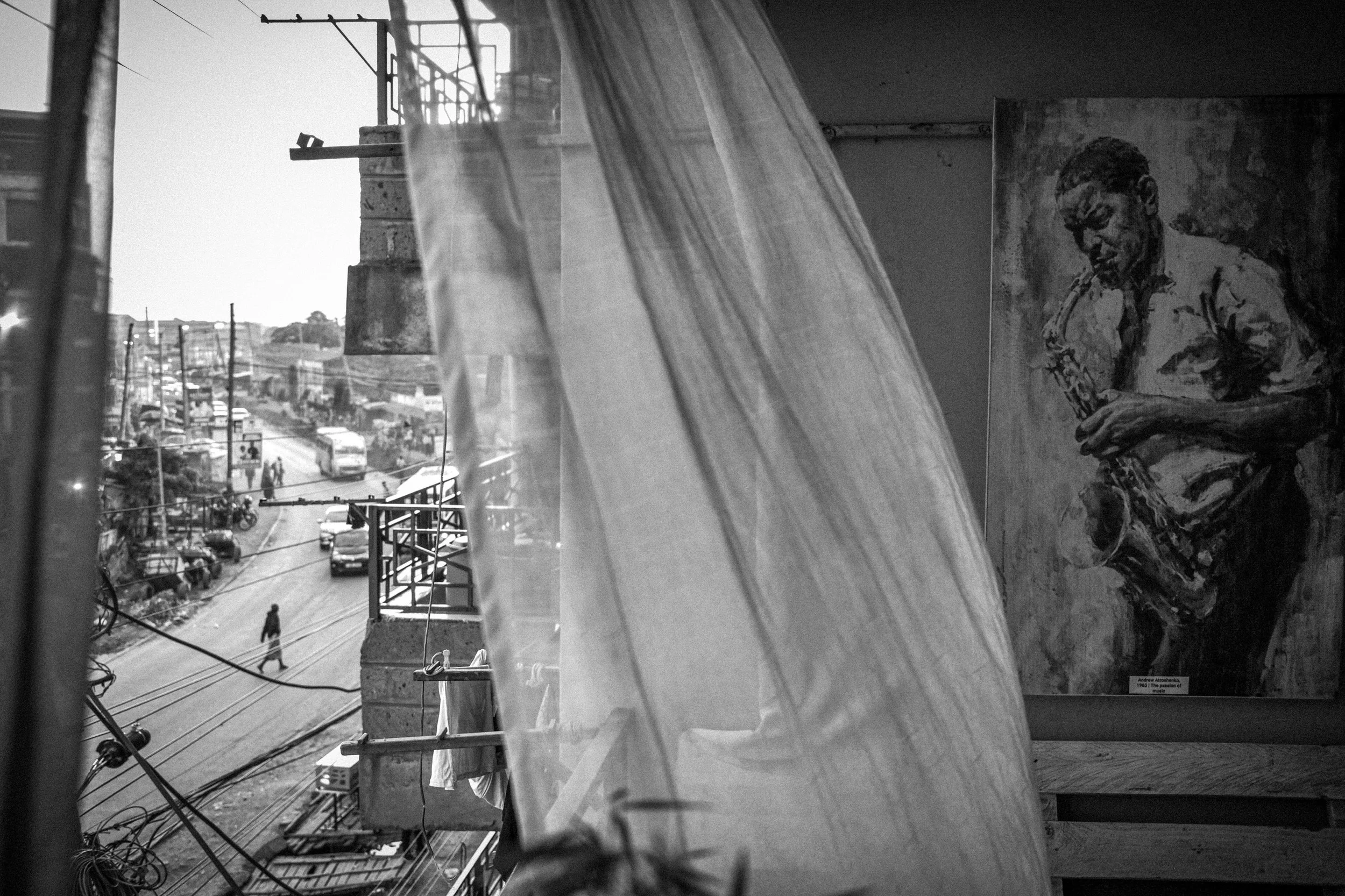
Street-level Nairobi is very visual but not the kind of place you just wander around alone with a camera. I found it impenetrable at times. Even knowing I’d only scratch the surface, I did my best to surprise, go against expectations of Africa generally, and to embrace all the equanimity I could muster. For me it’s always a process not just of seeing but of trying to understand, and putting that understanding into the photos.
Kenyans have plenty of problems but they display a certain calm stoicism. I feel like they are well-positioned to survive the apocalypse.
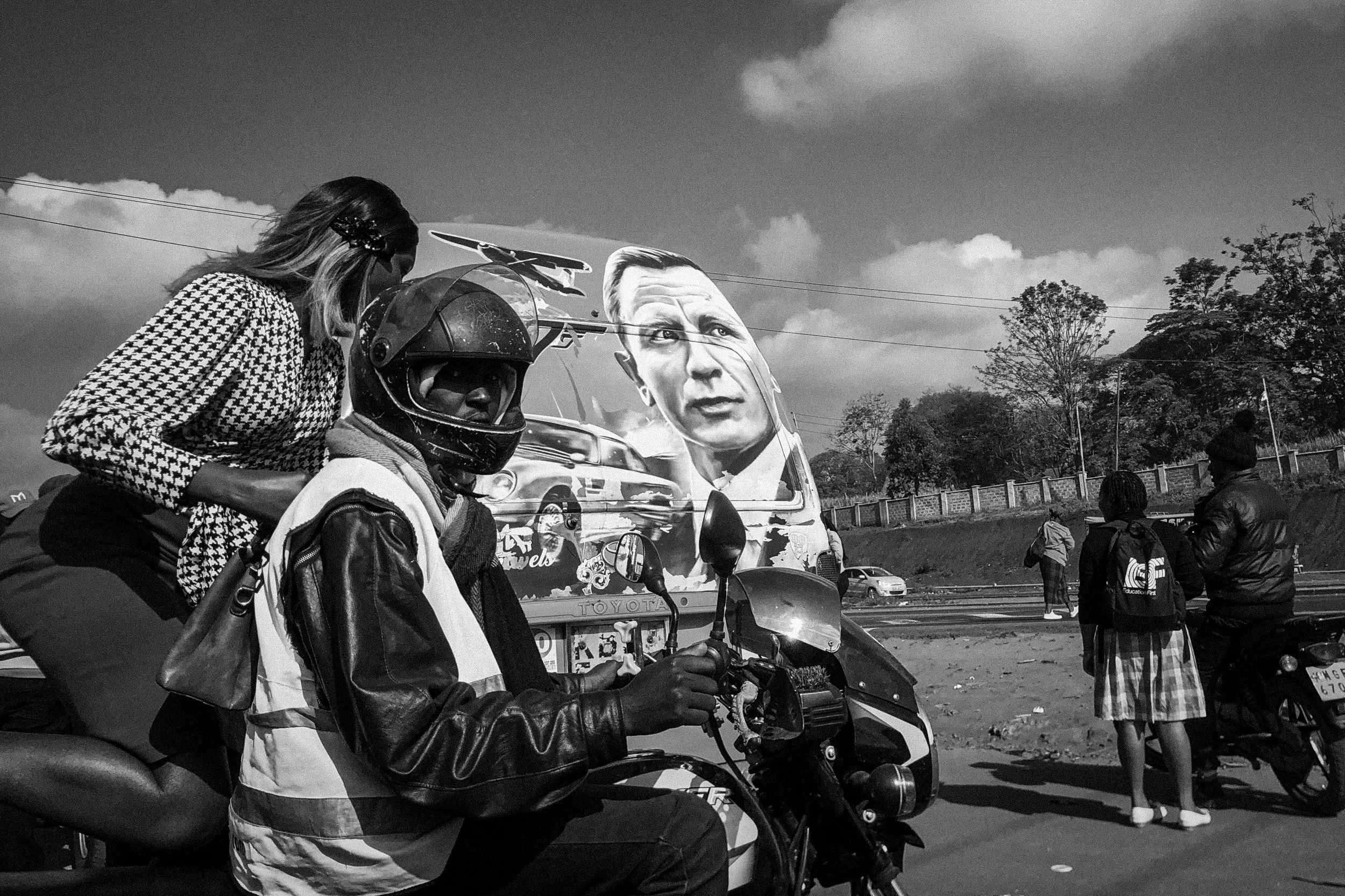
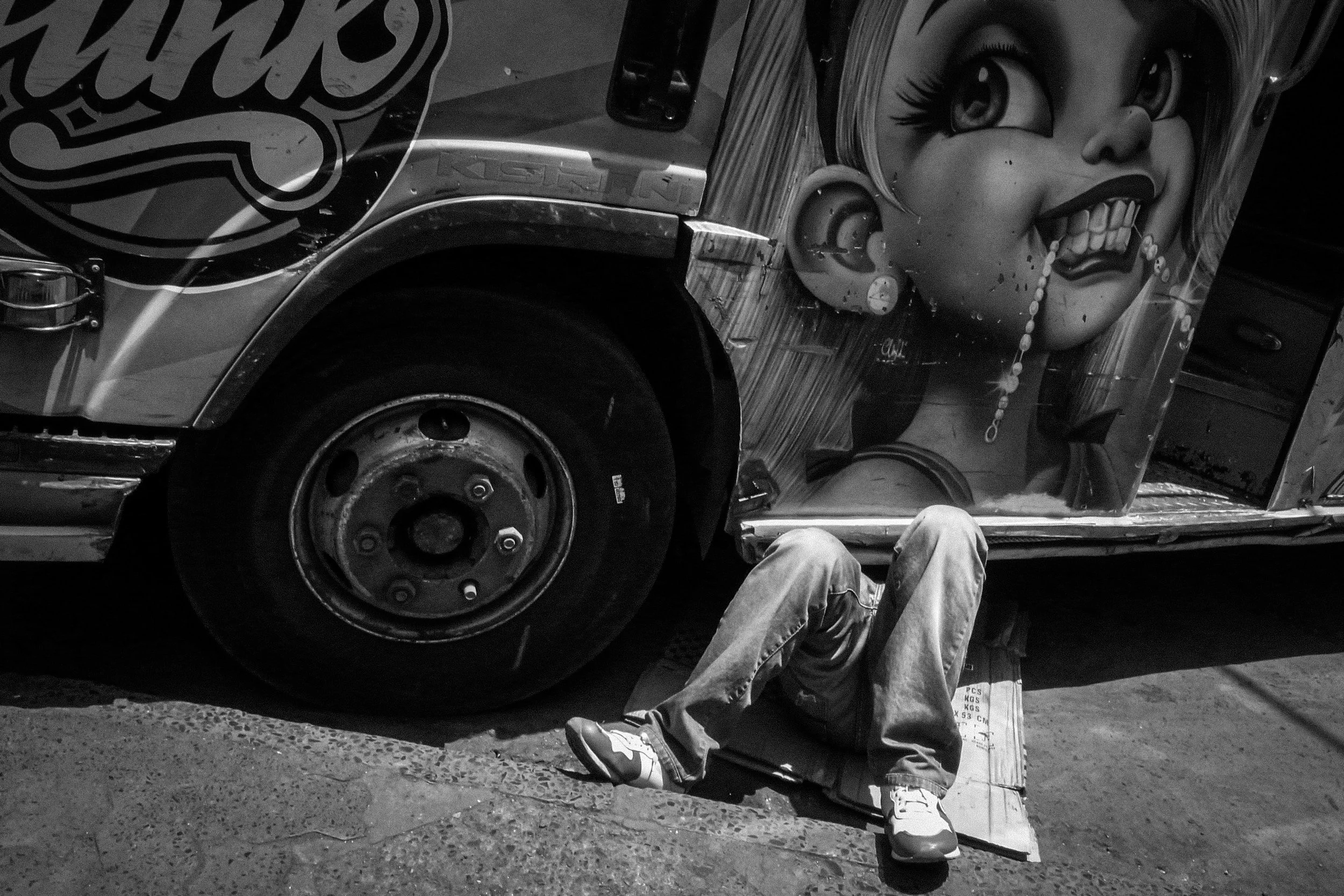

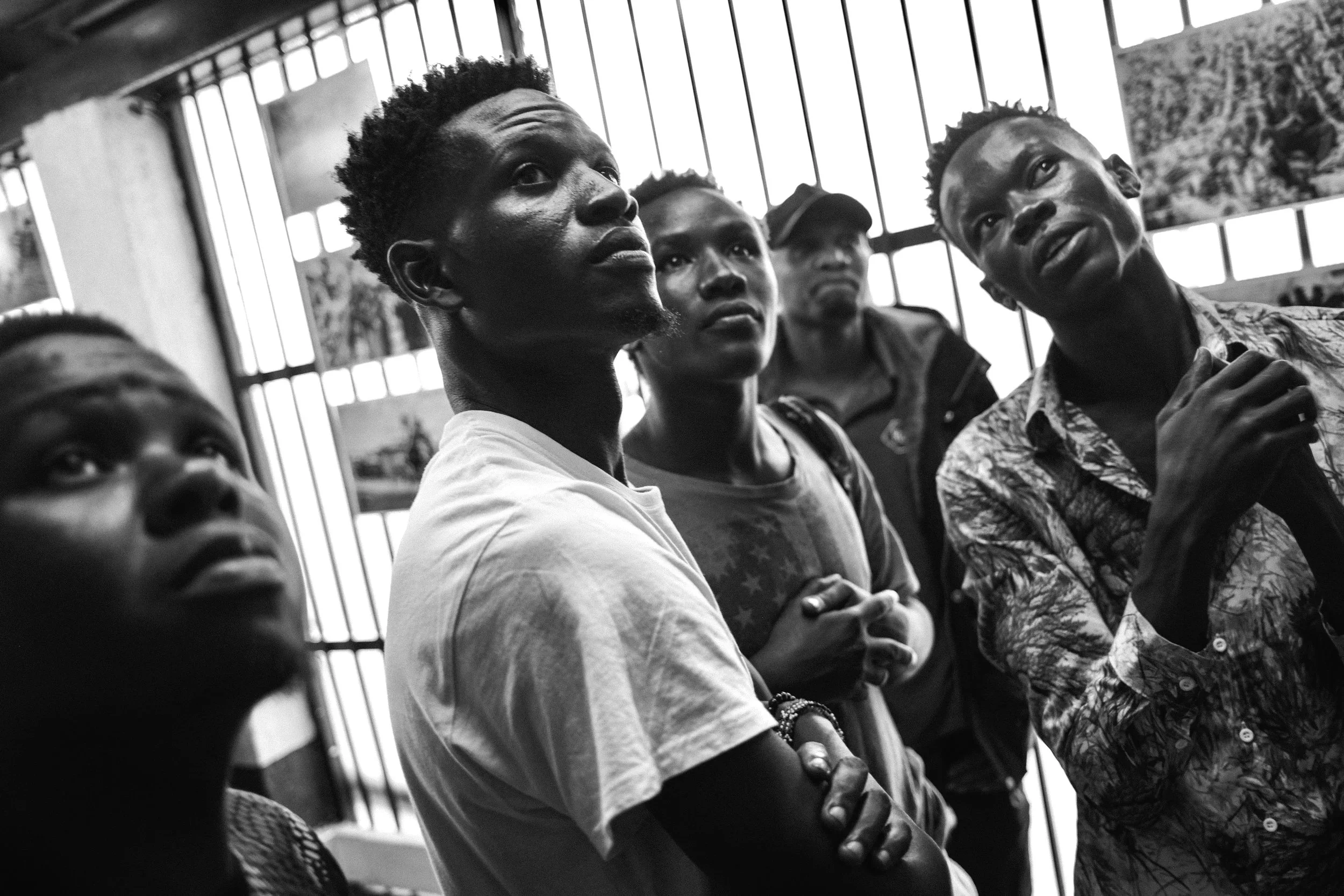
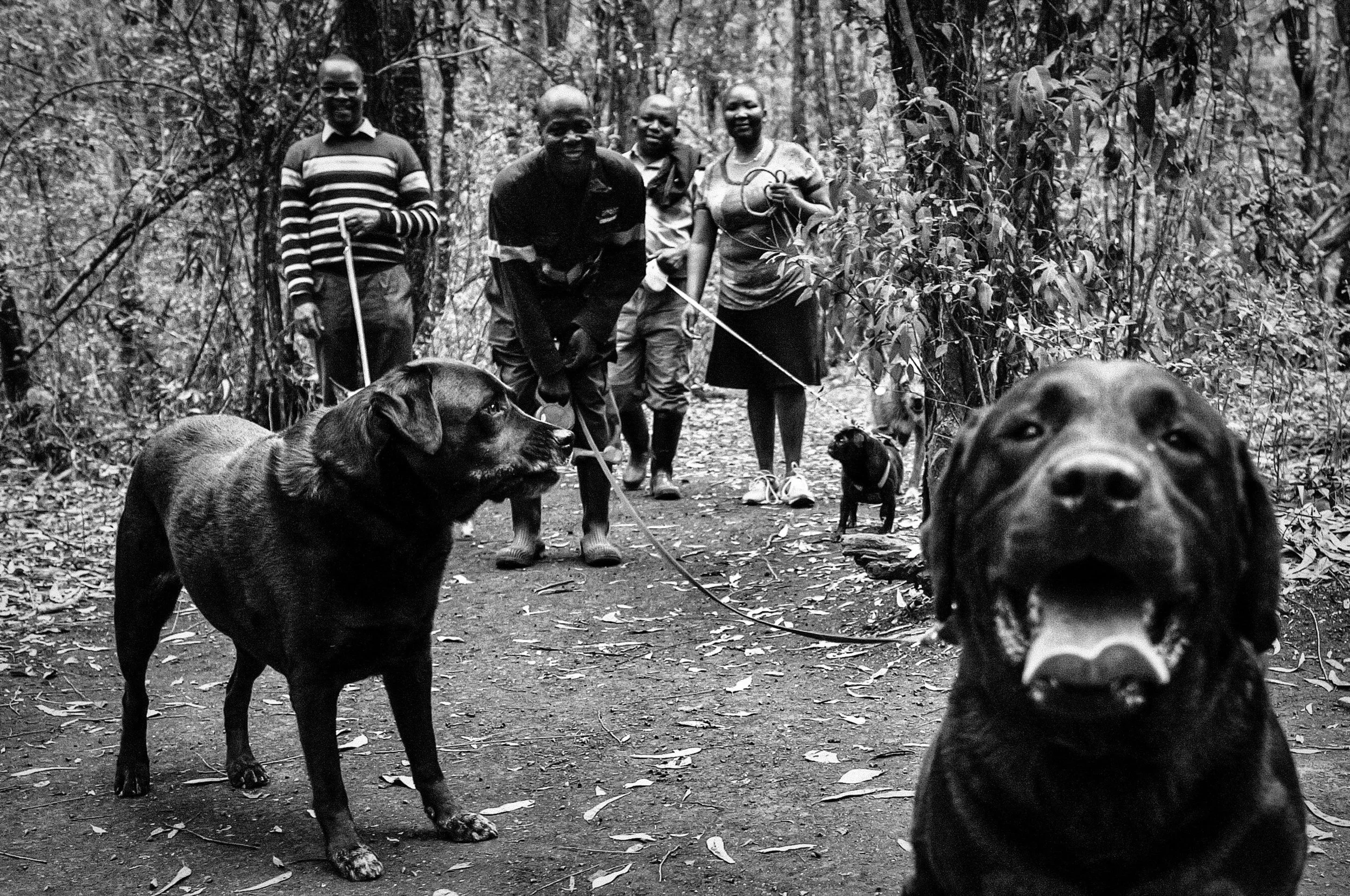



Kibera
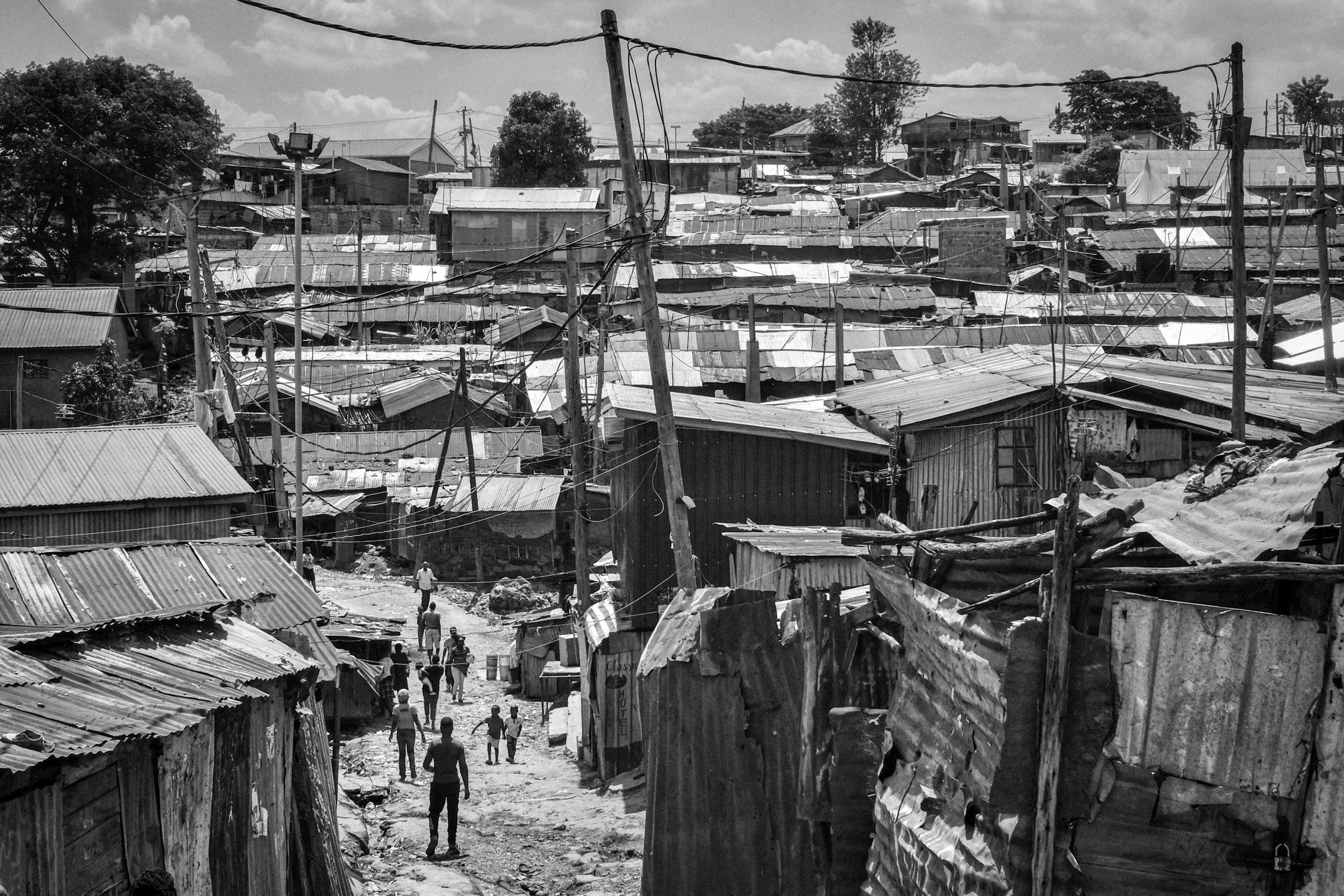
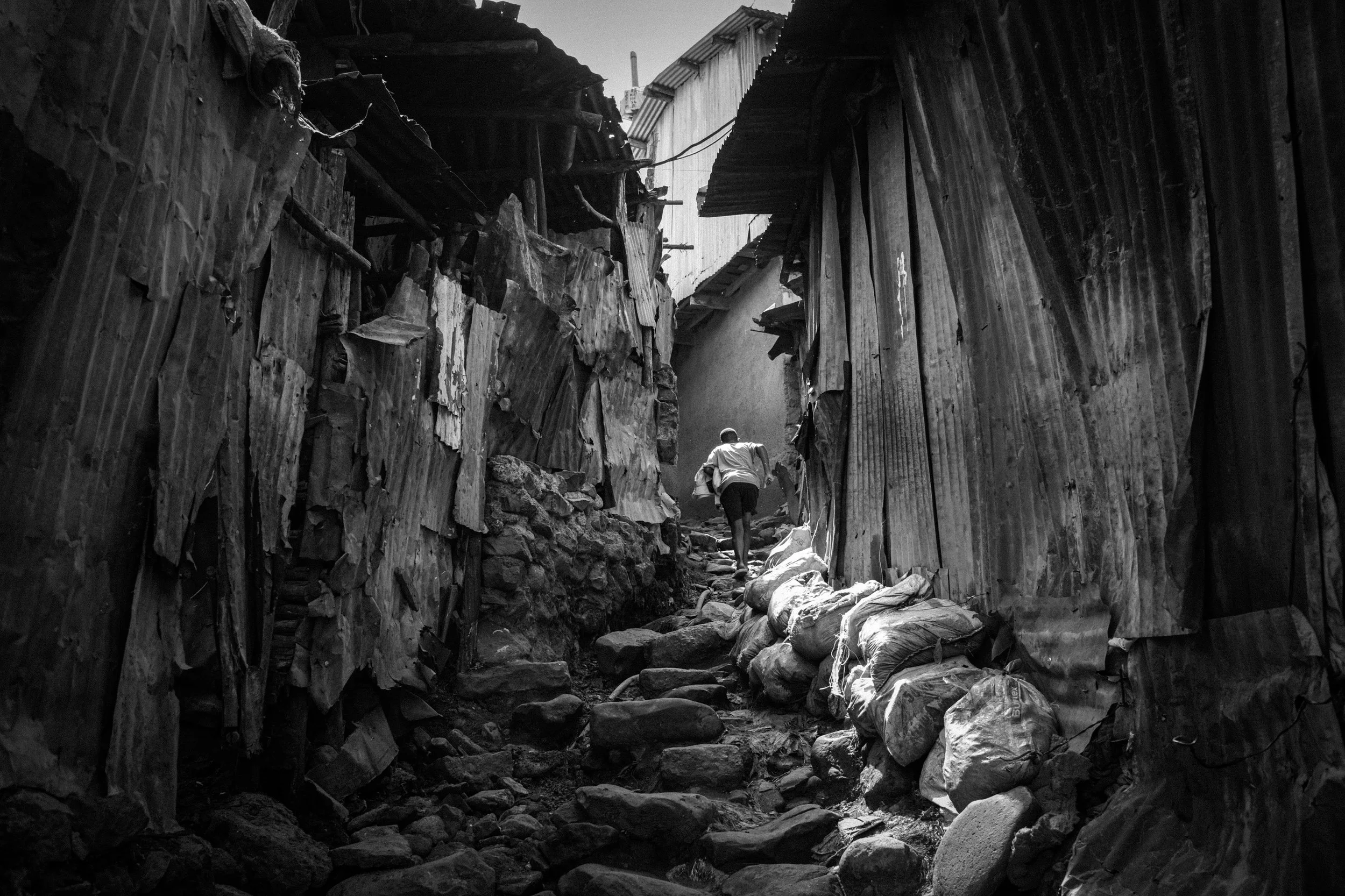
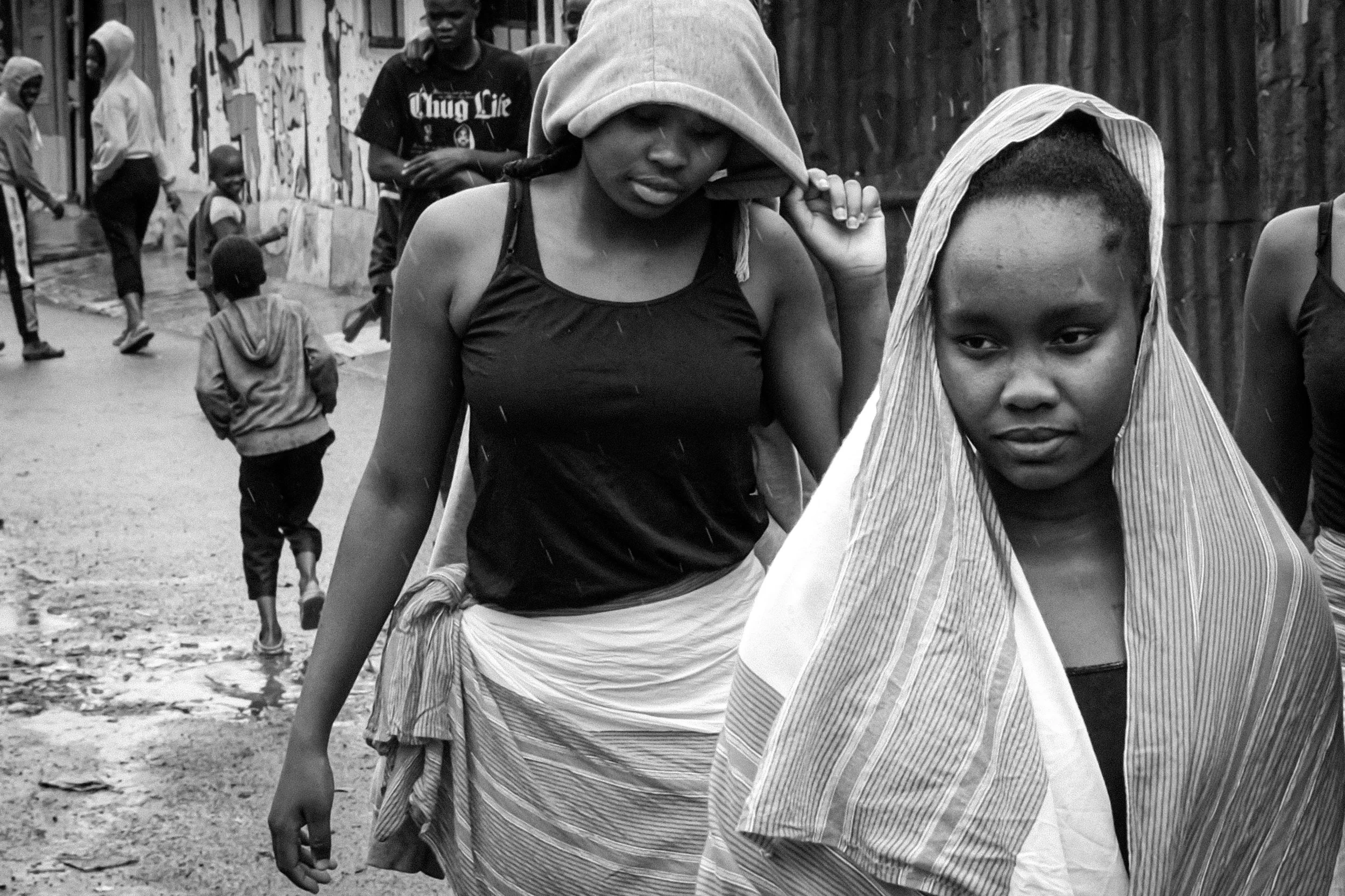
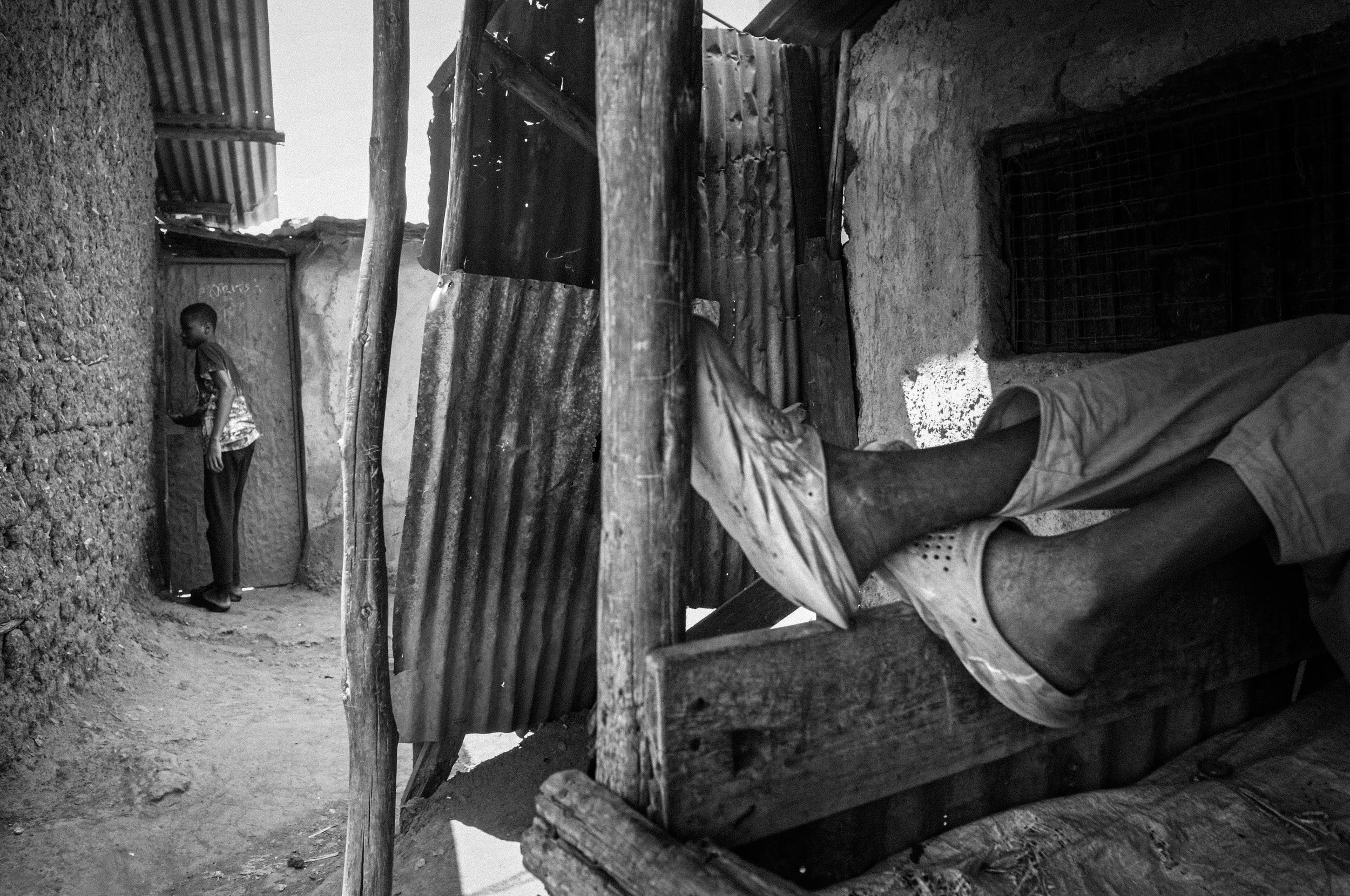
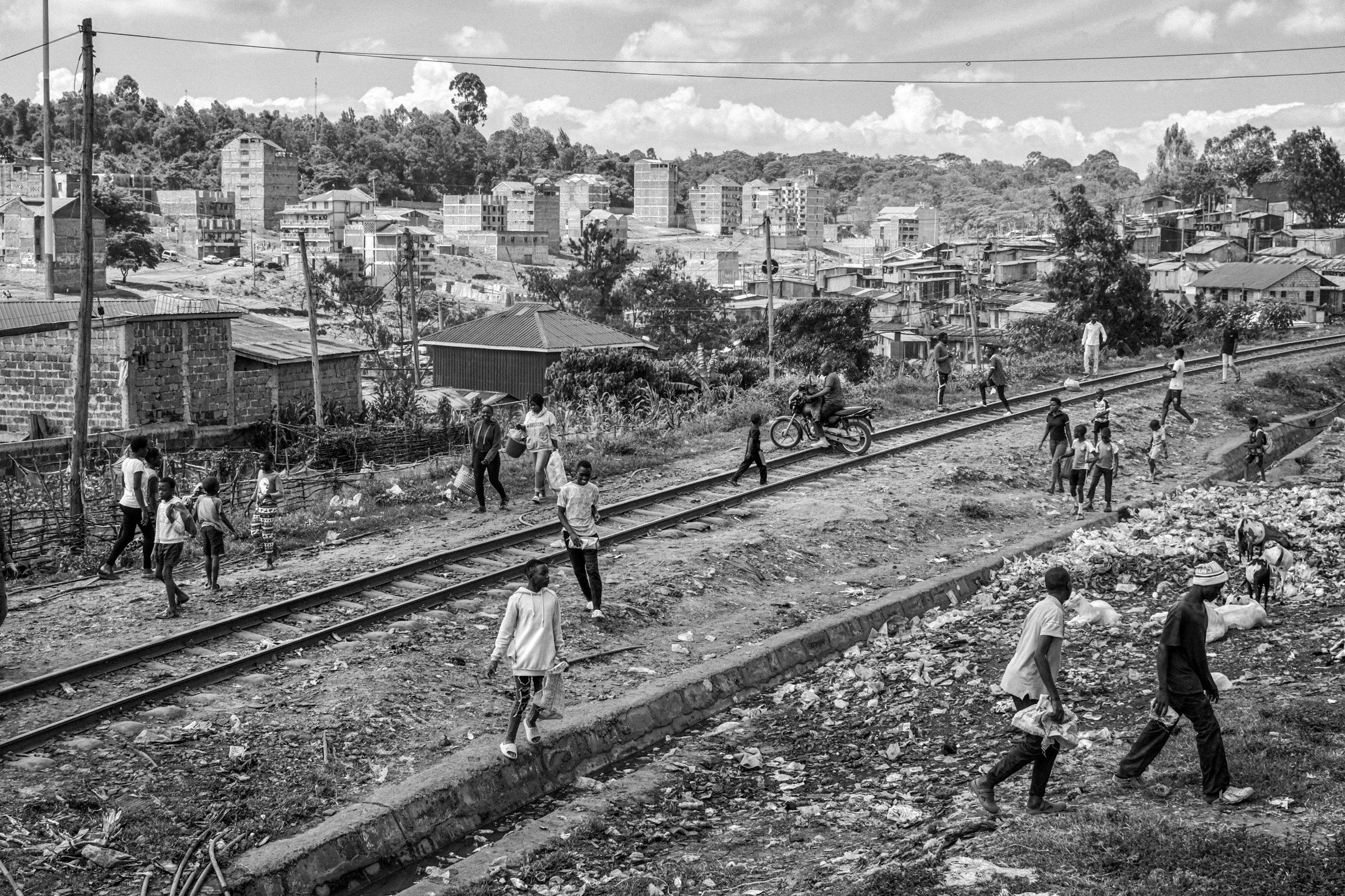
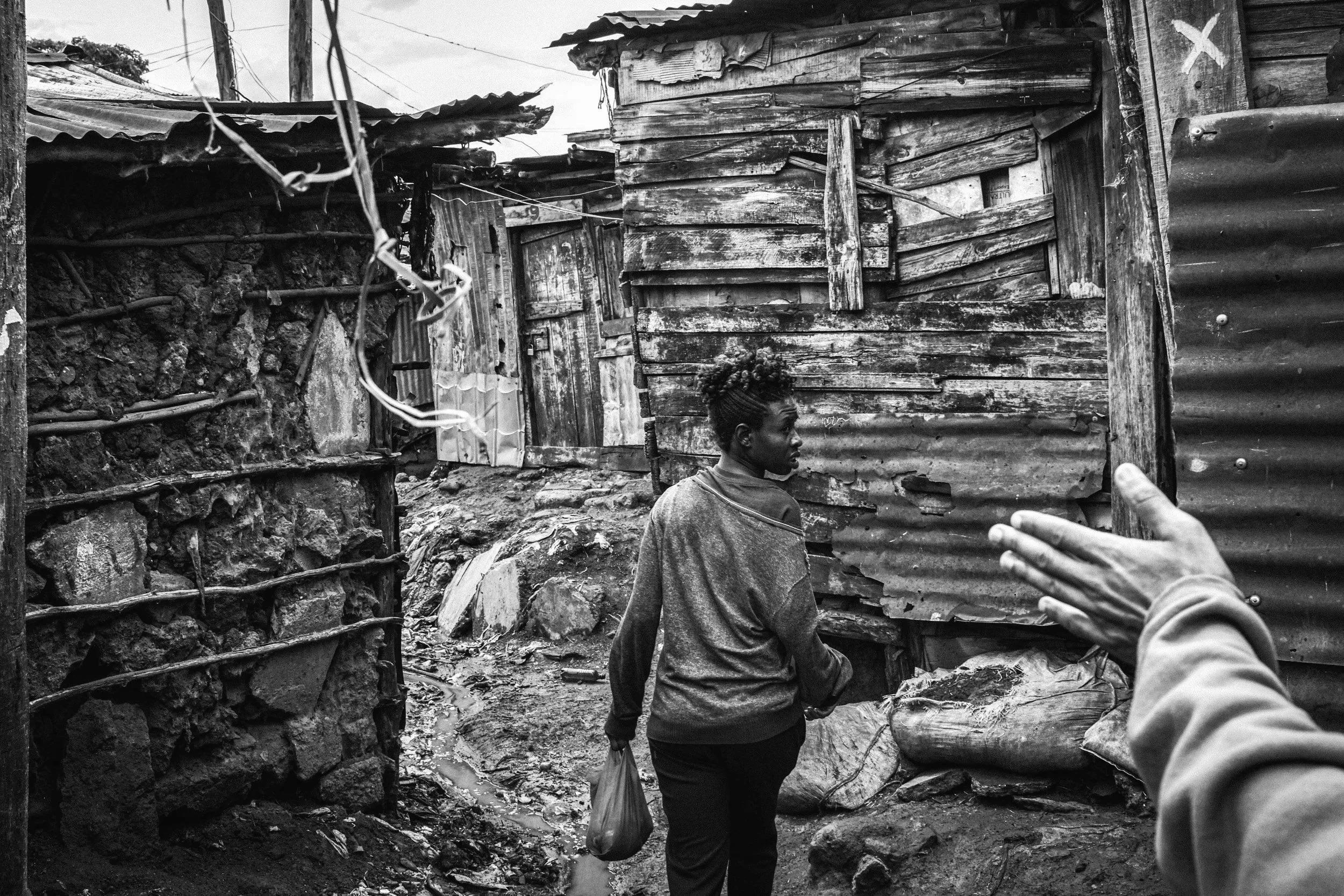
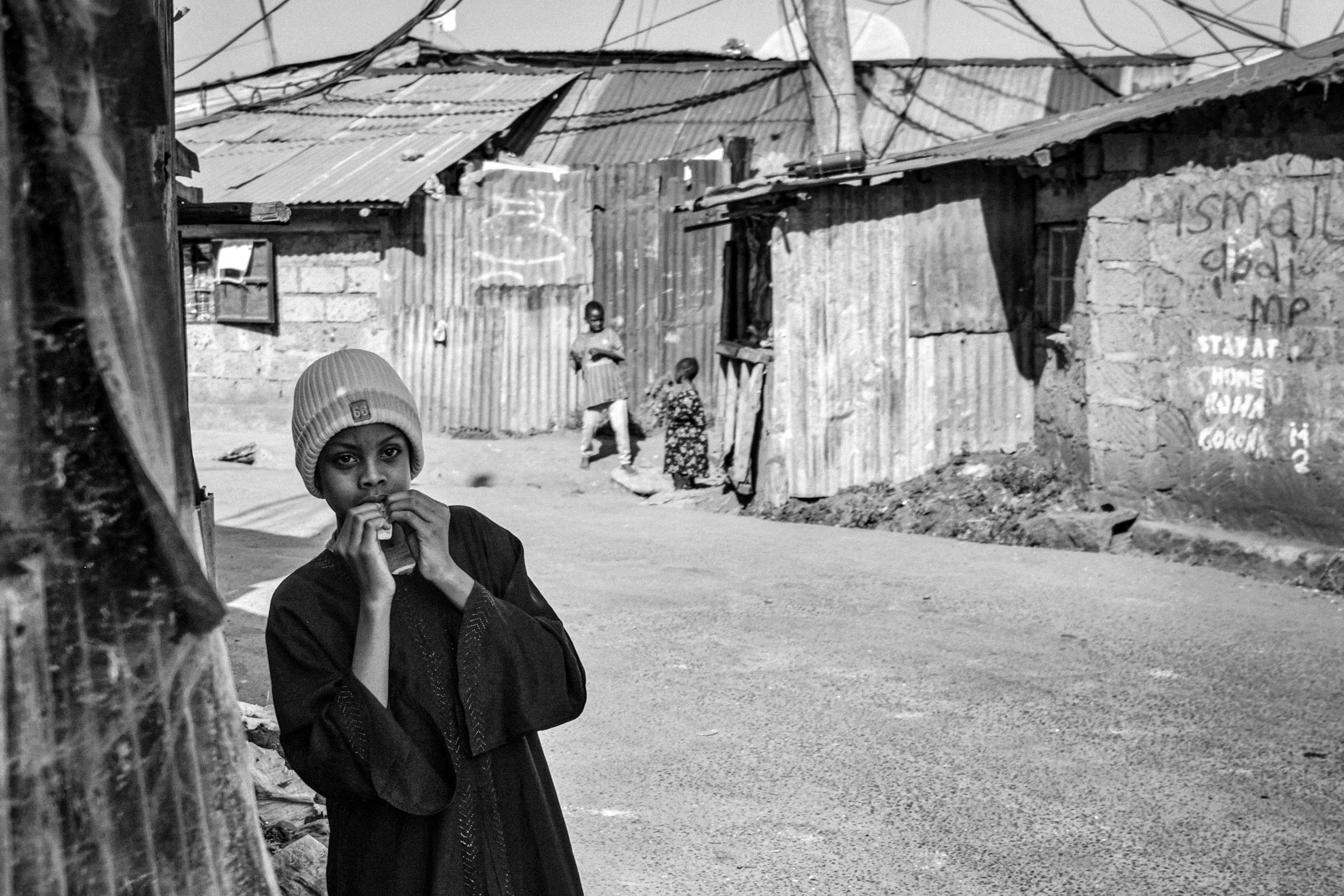
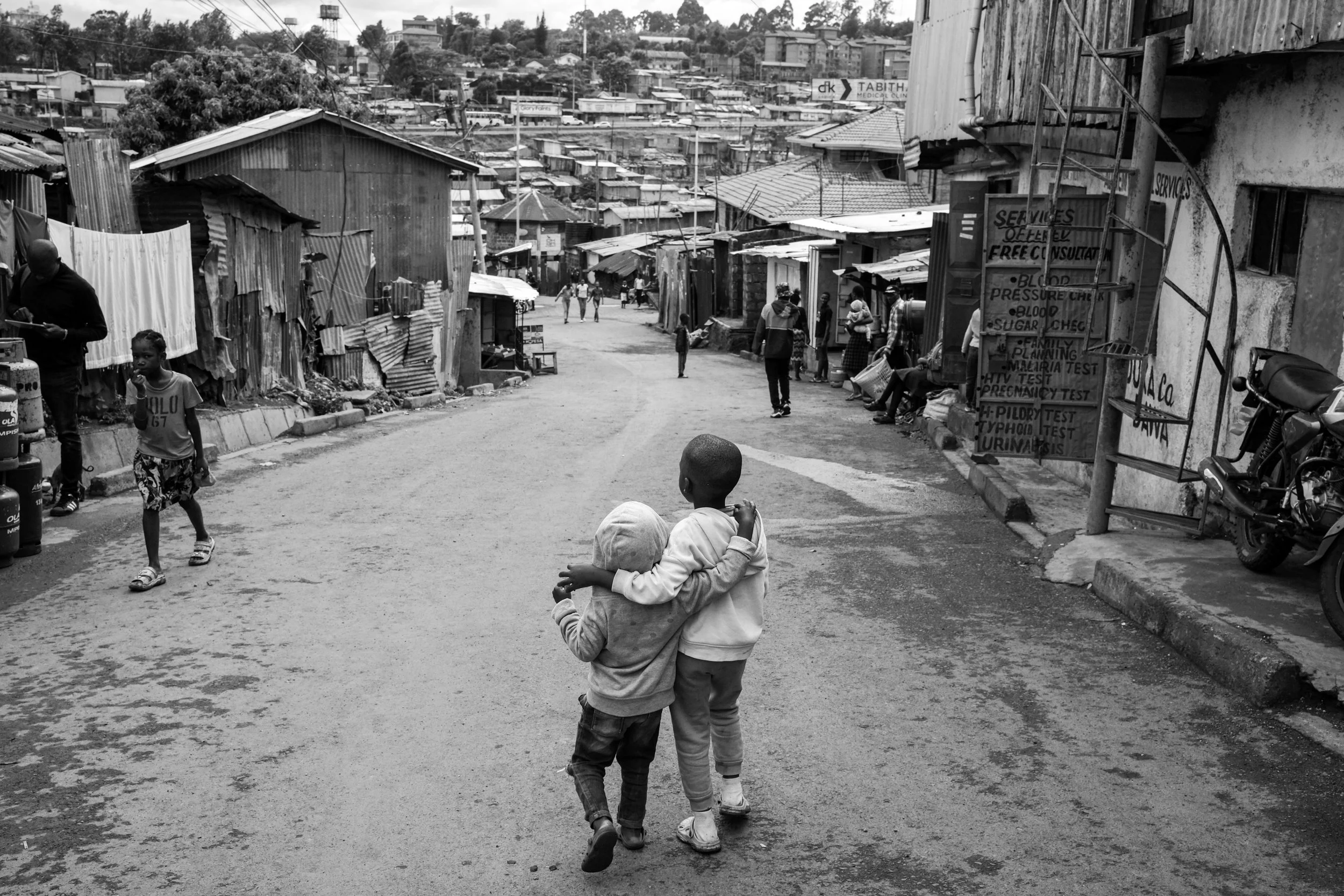
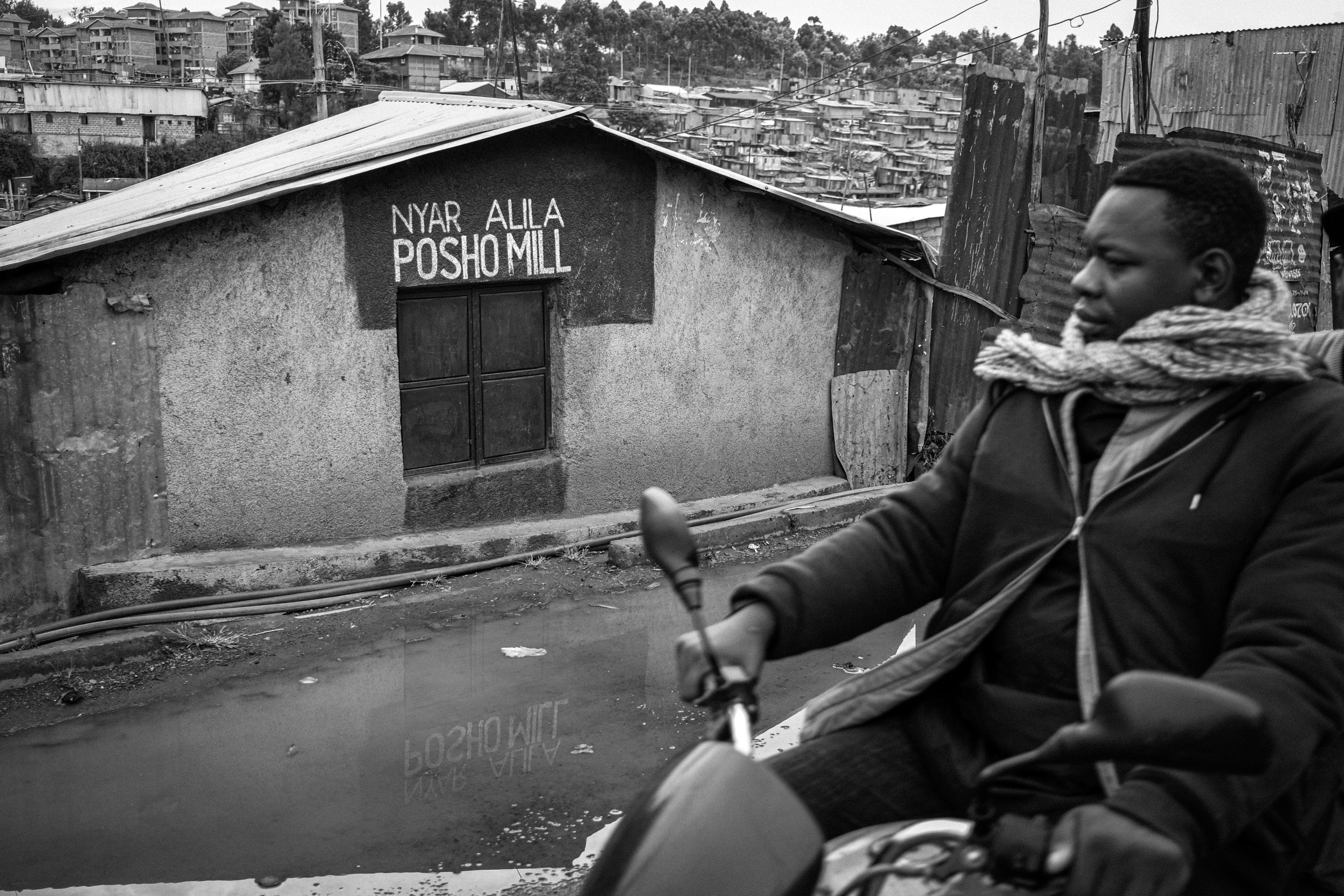
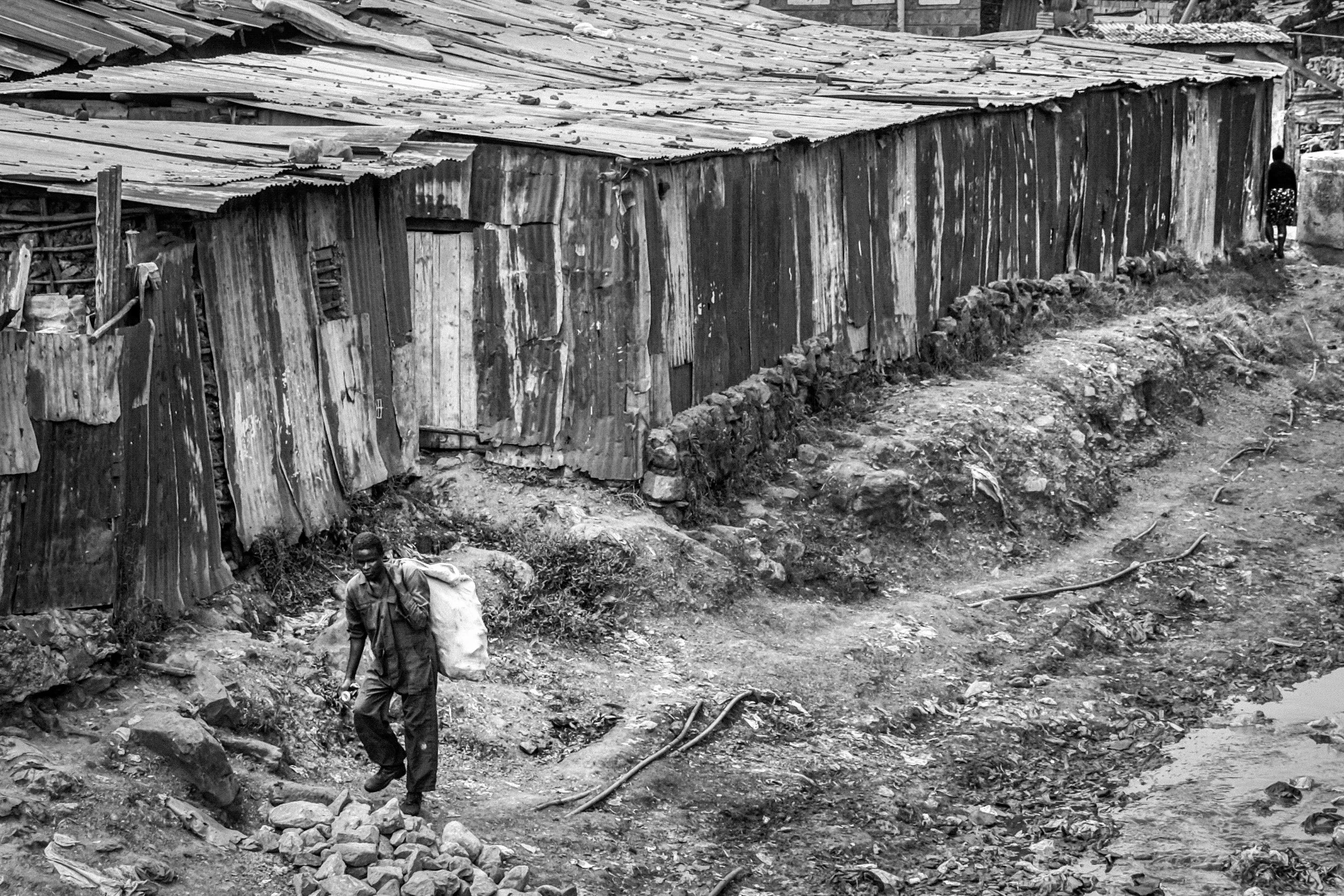
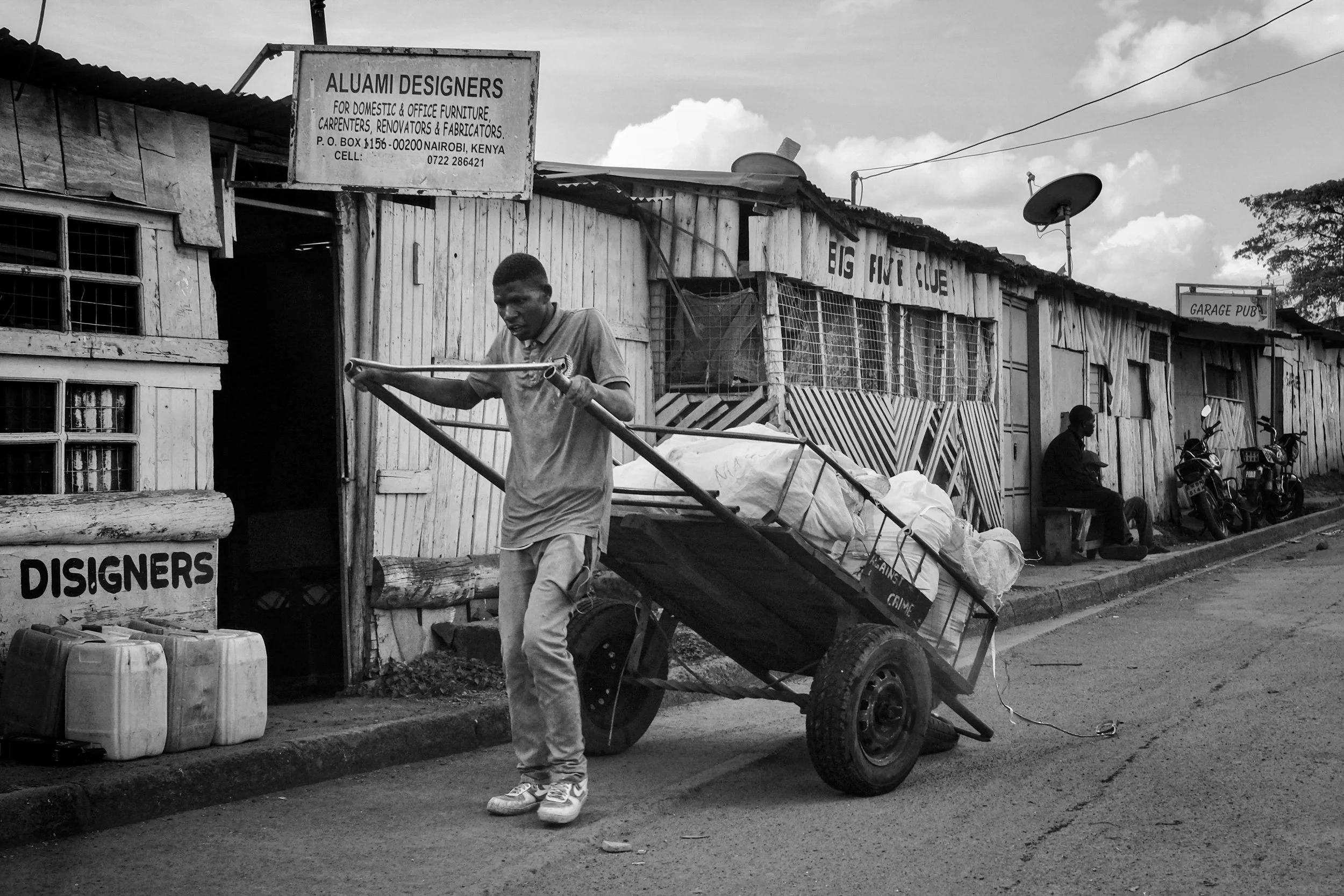
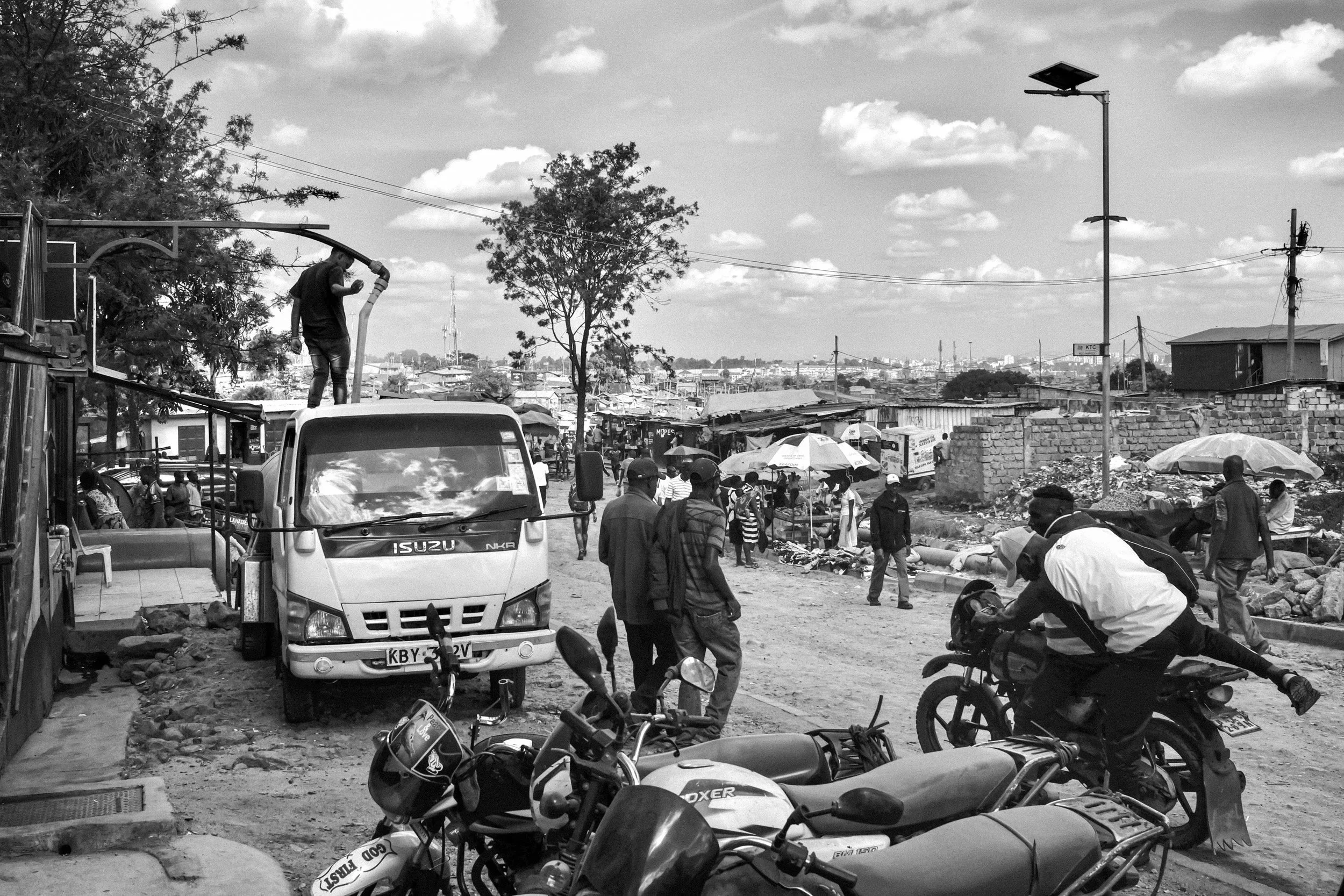
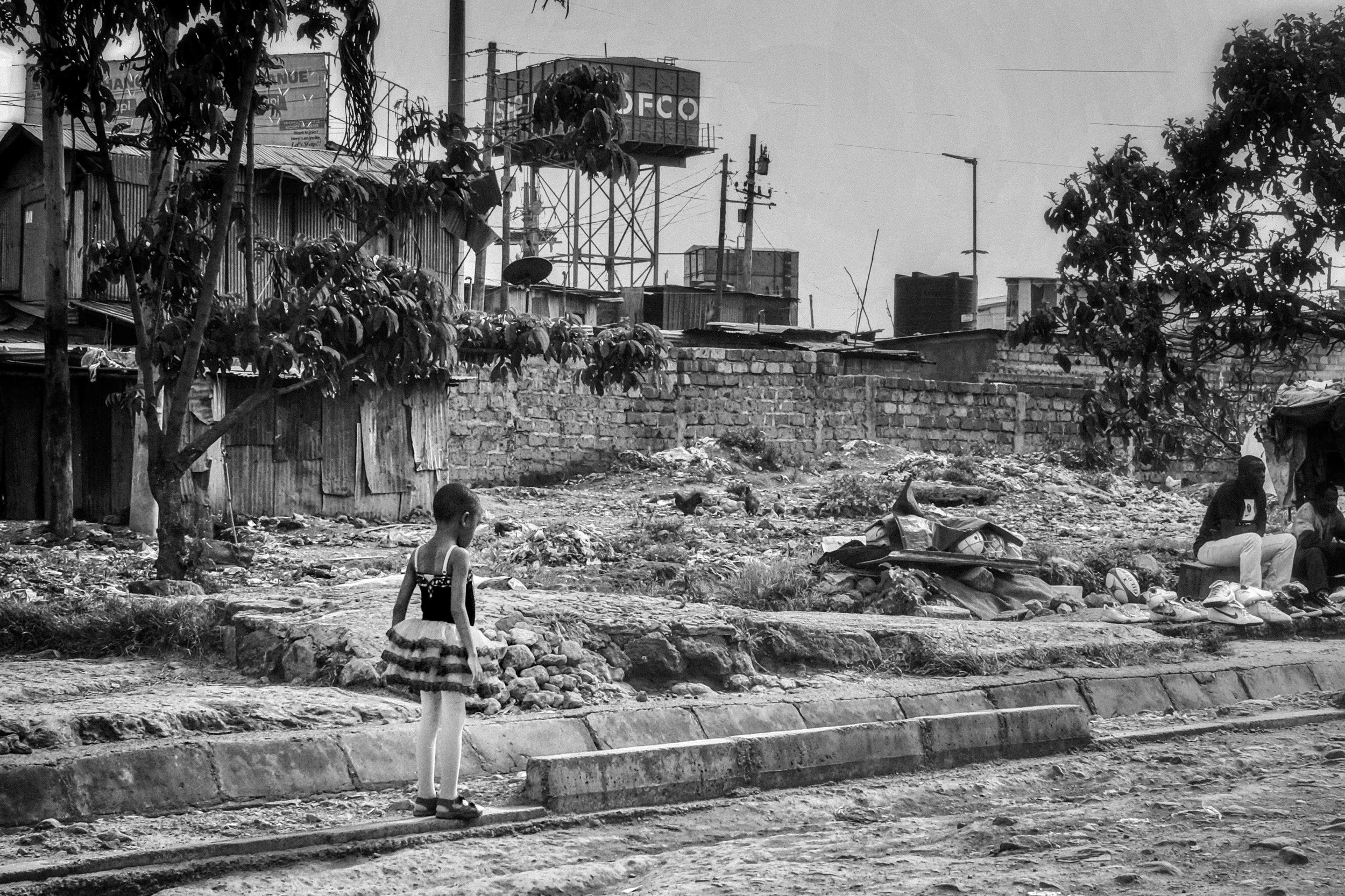
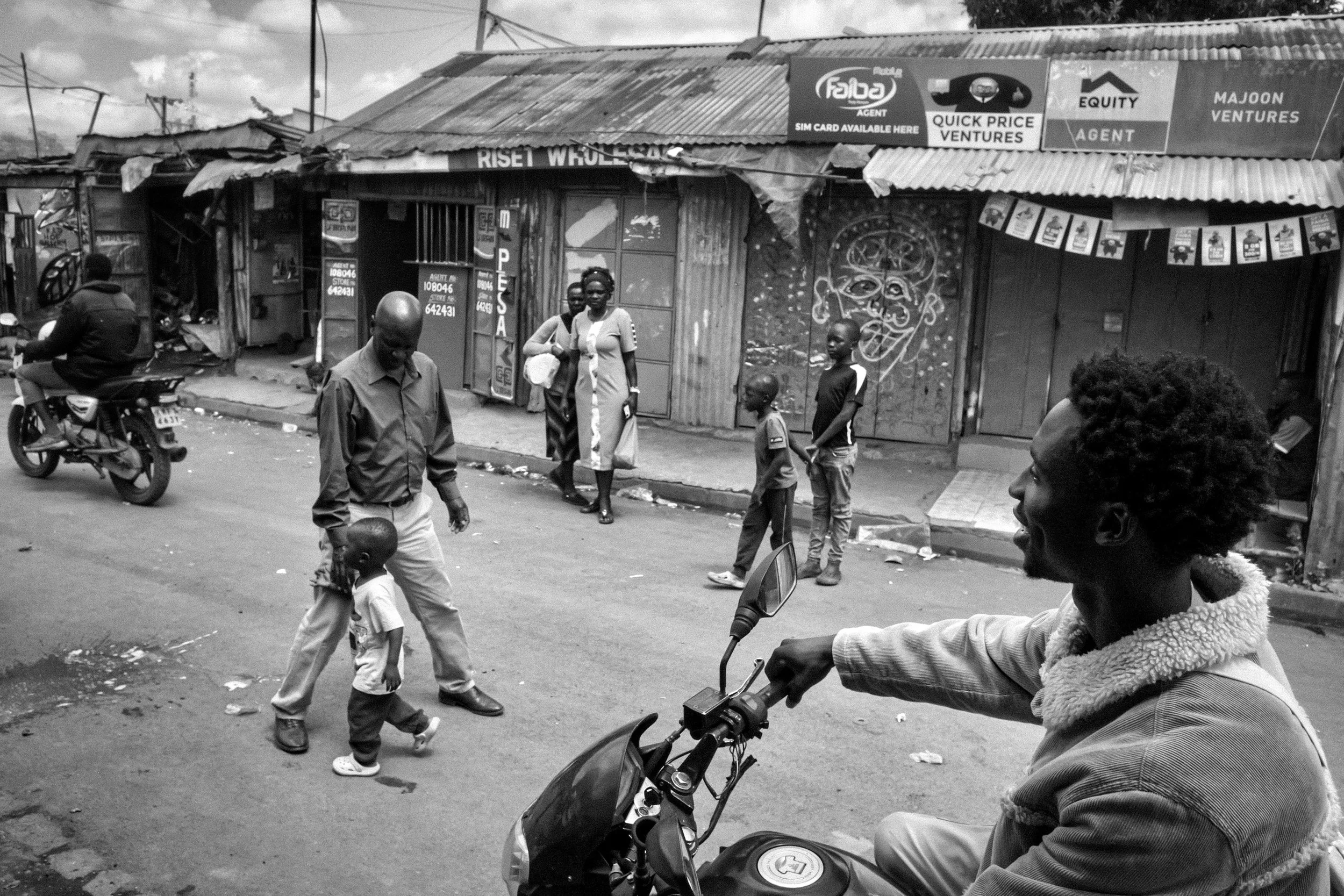
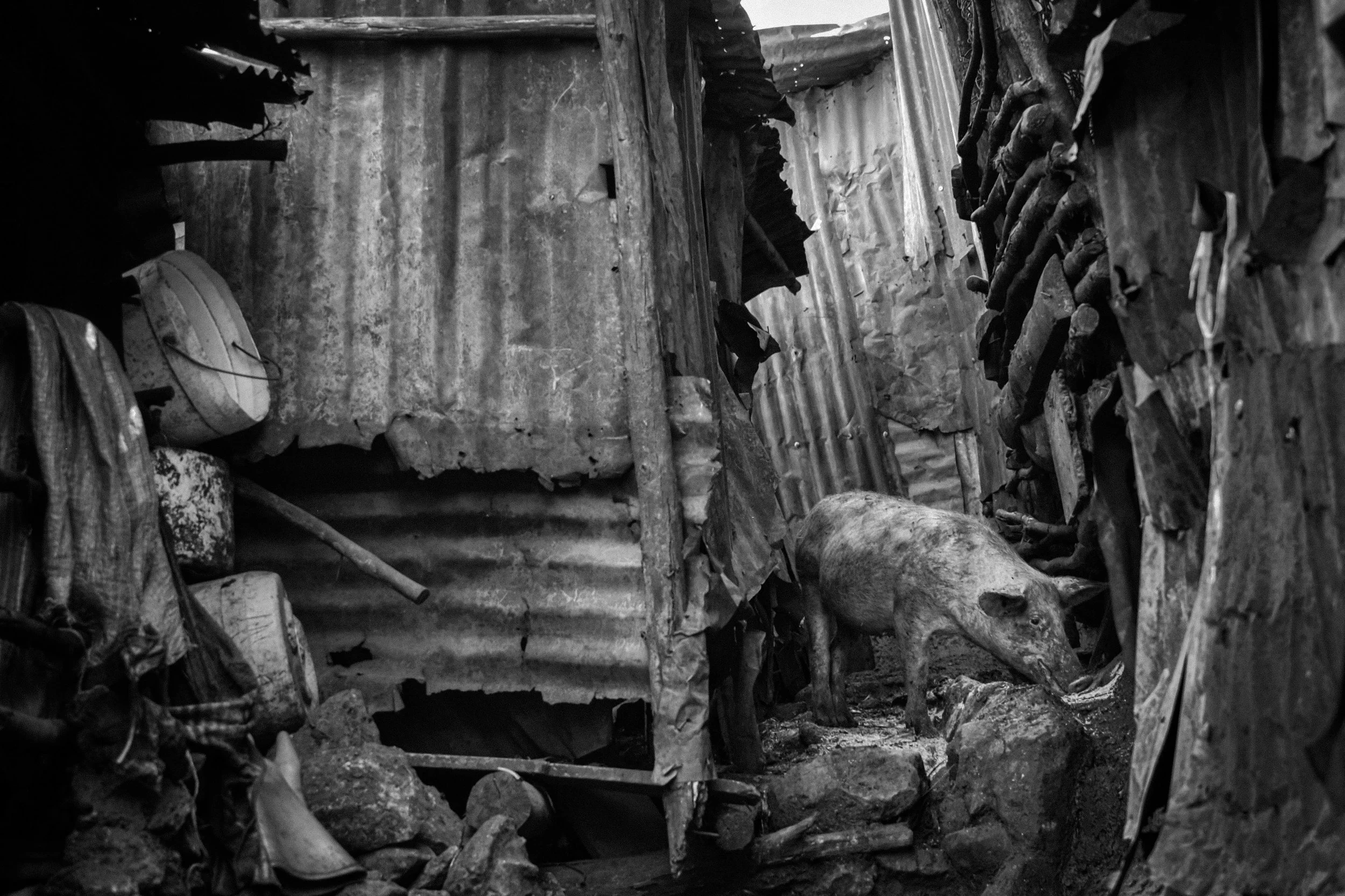
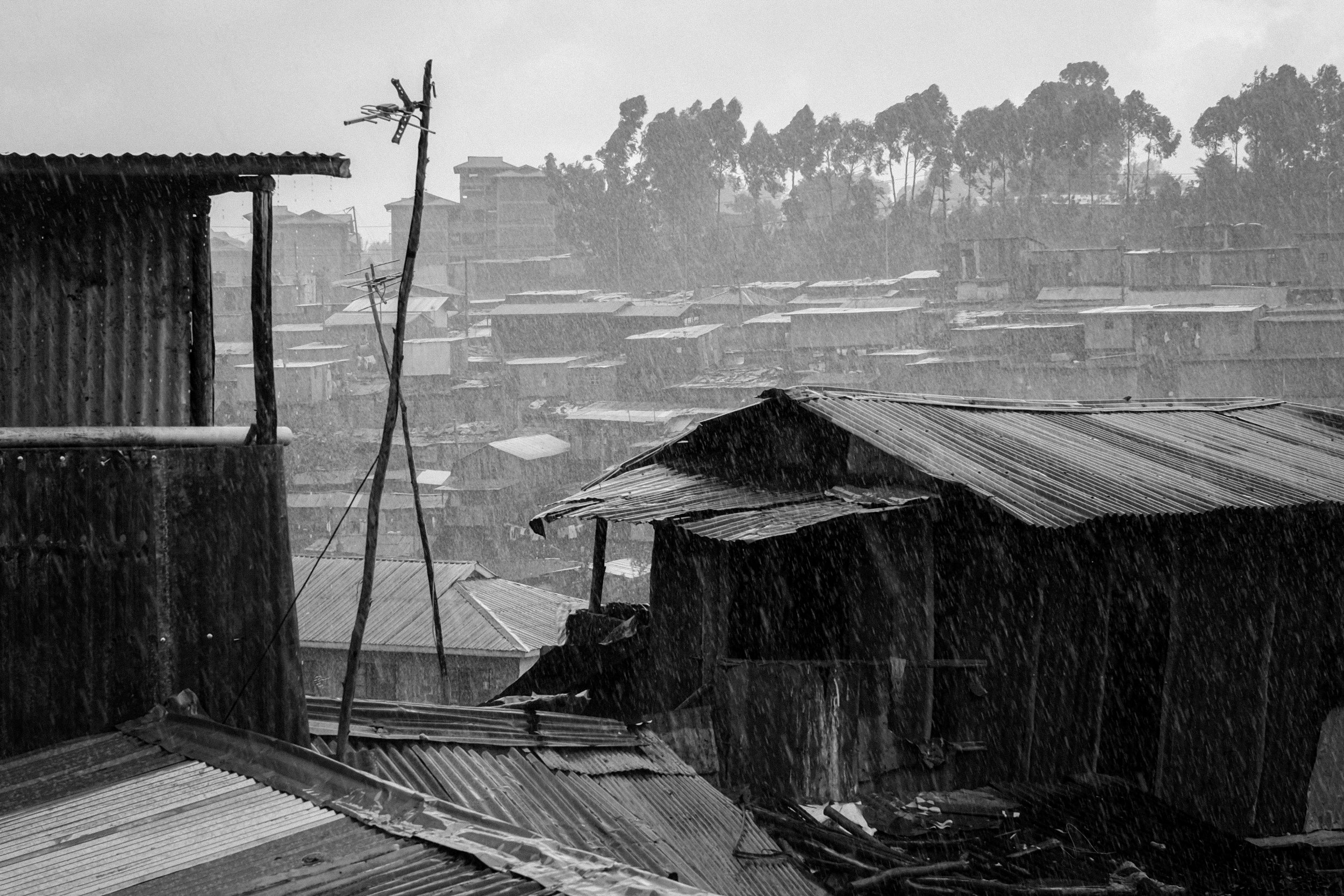
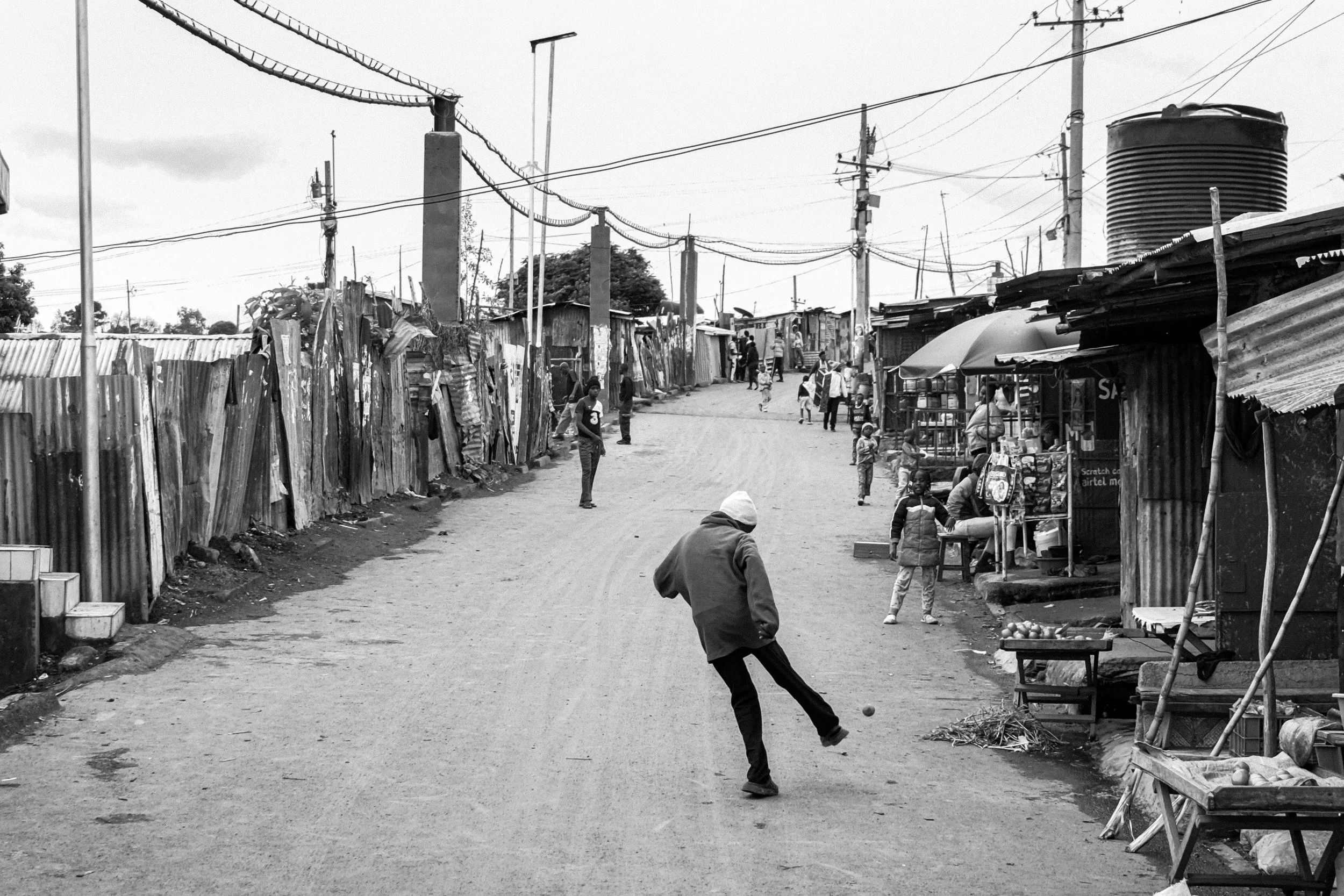
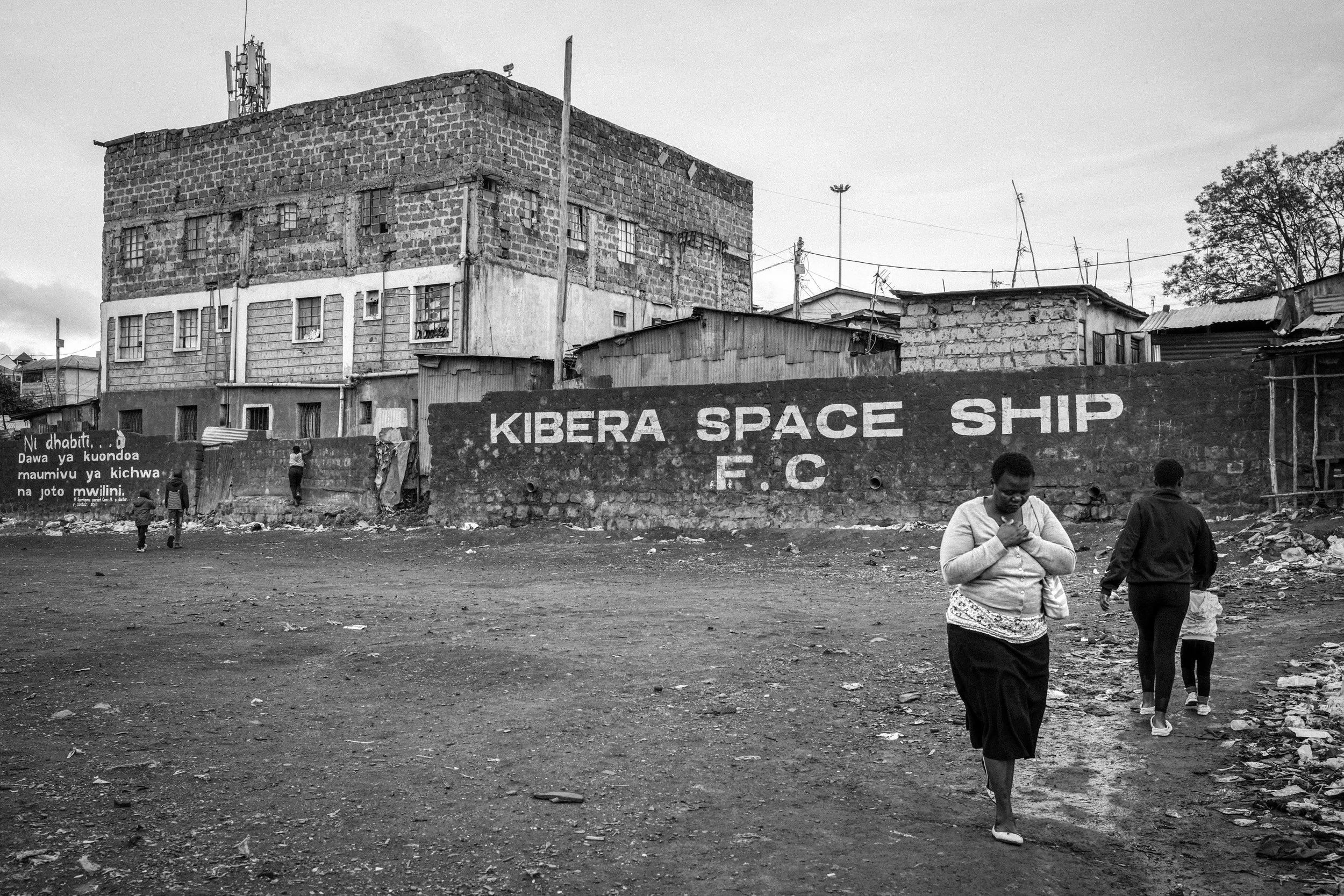
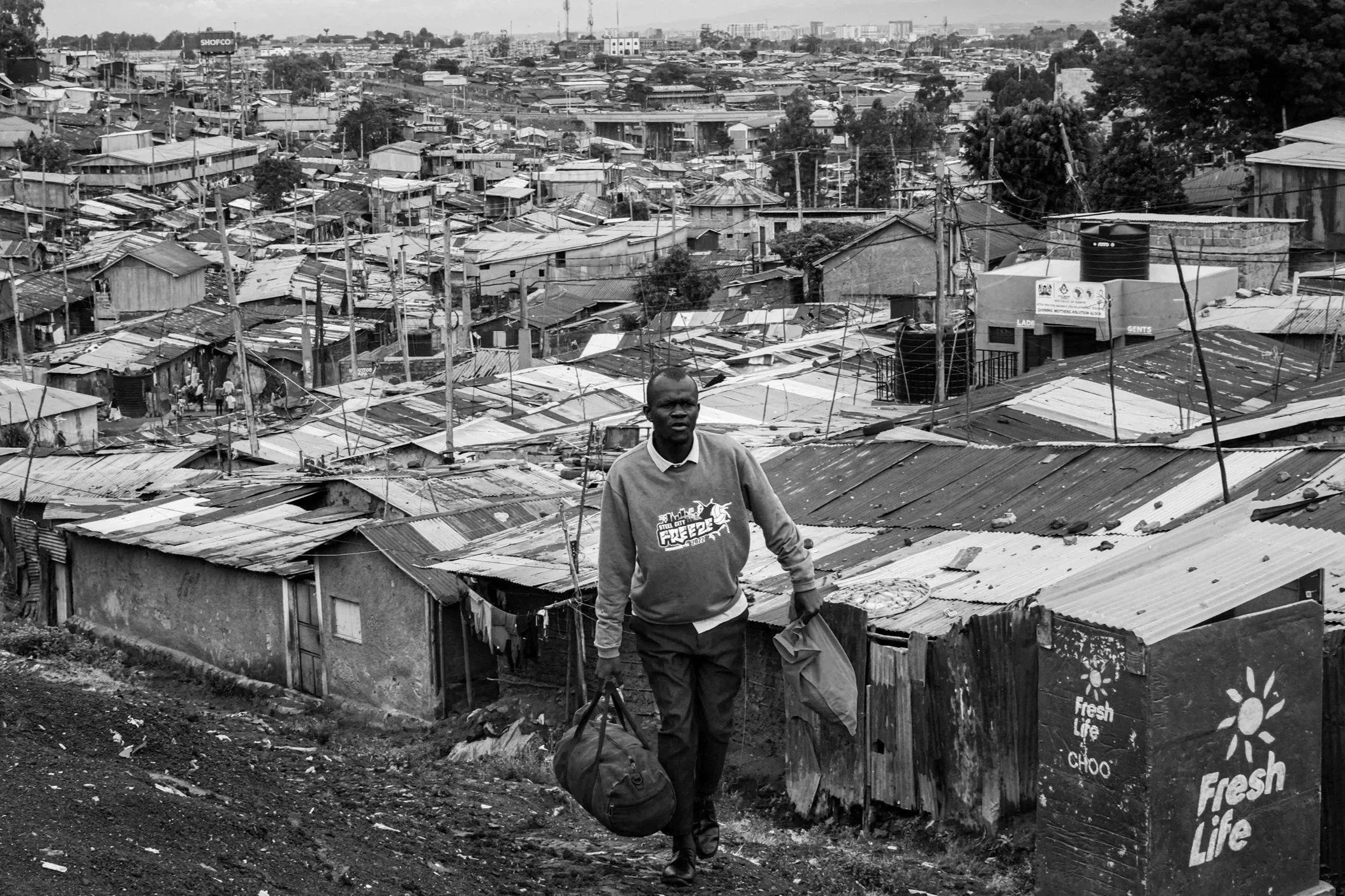
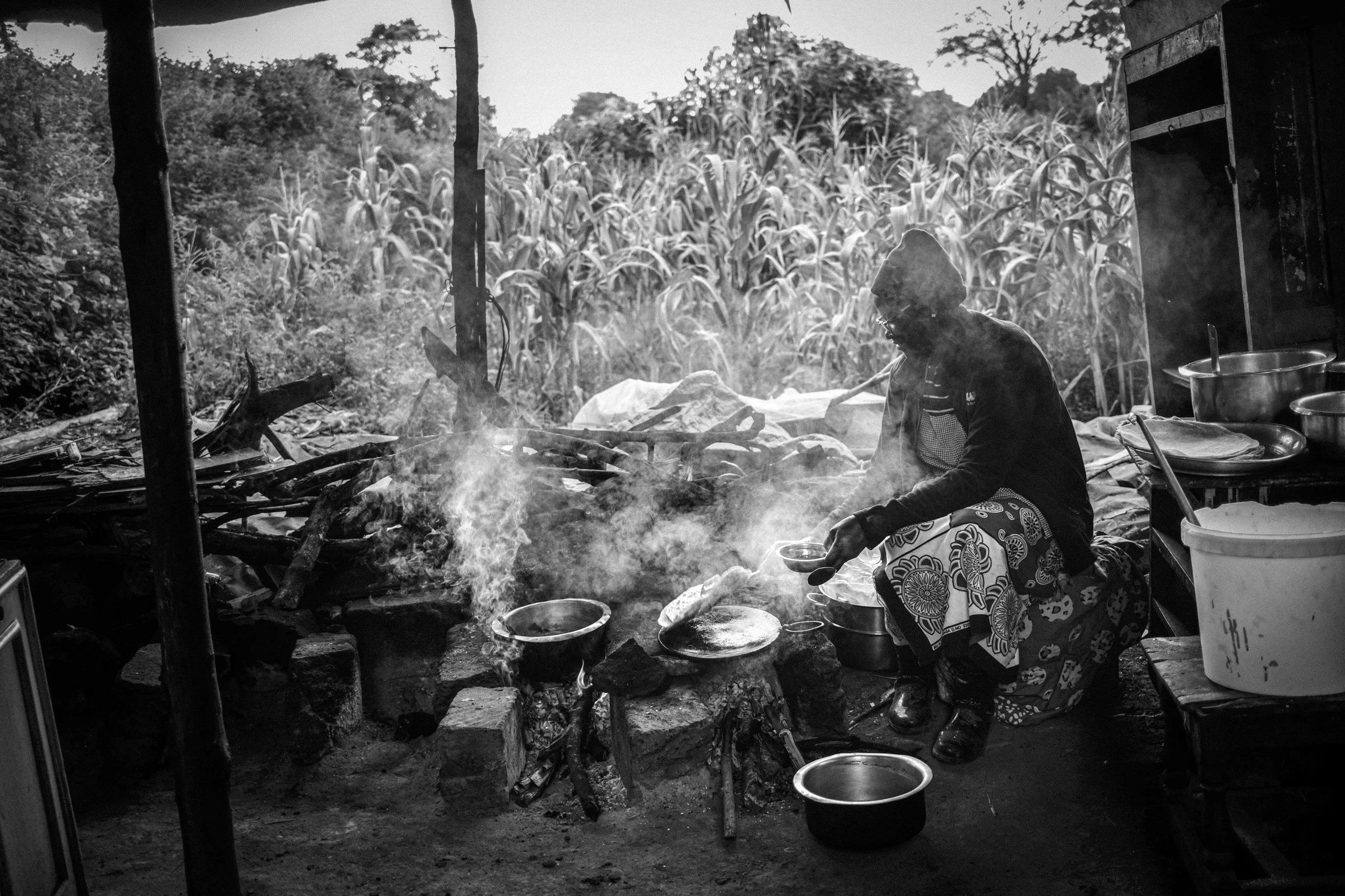
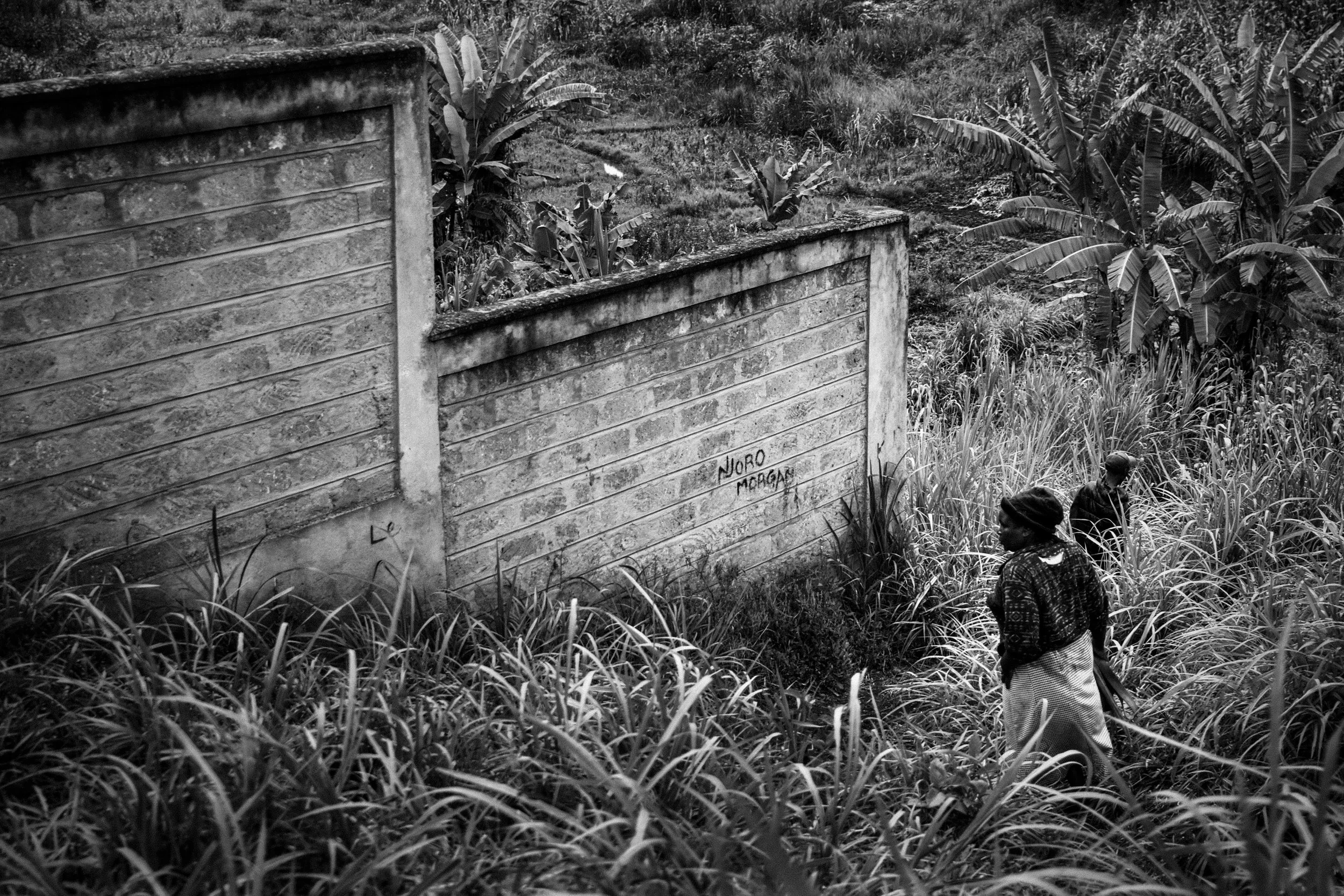
Kibera is a city within the city. It’s the largest slum - or ‘informal settlement’ - not just in Nairobi but in all of Africa. Its population depends on who you ask, anywhere between 250,000 and a million people. It used to be a no-go area, even for locals. Over time its notorious reputation has softened a bit and it has gained water, electricity, and improved sanitation.
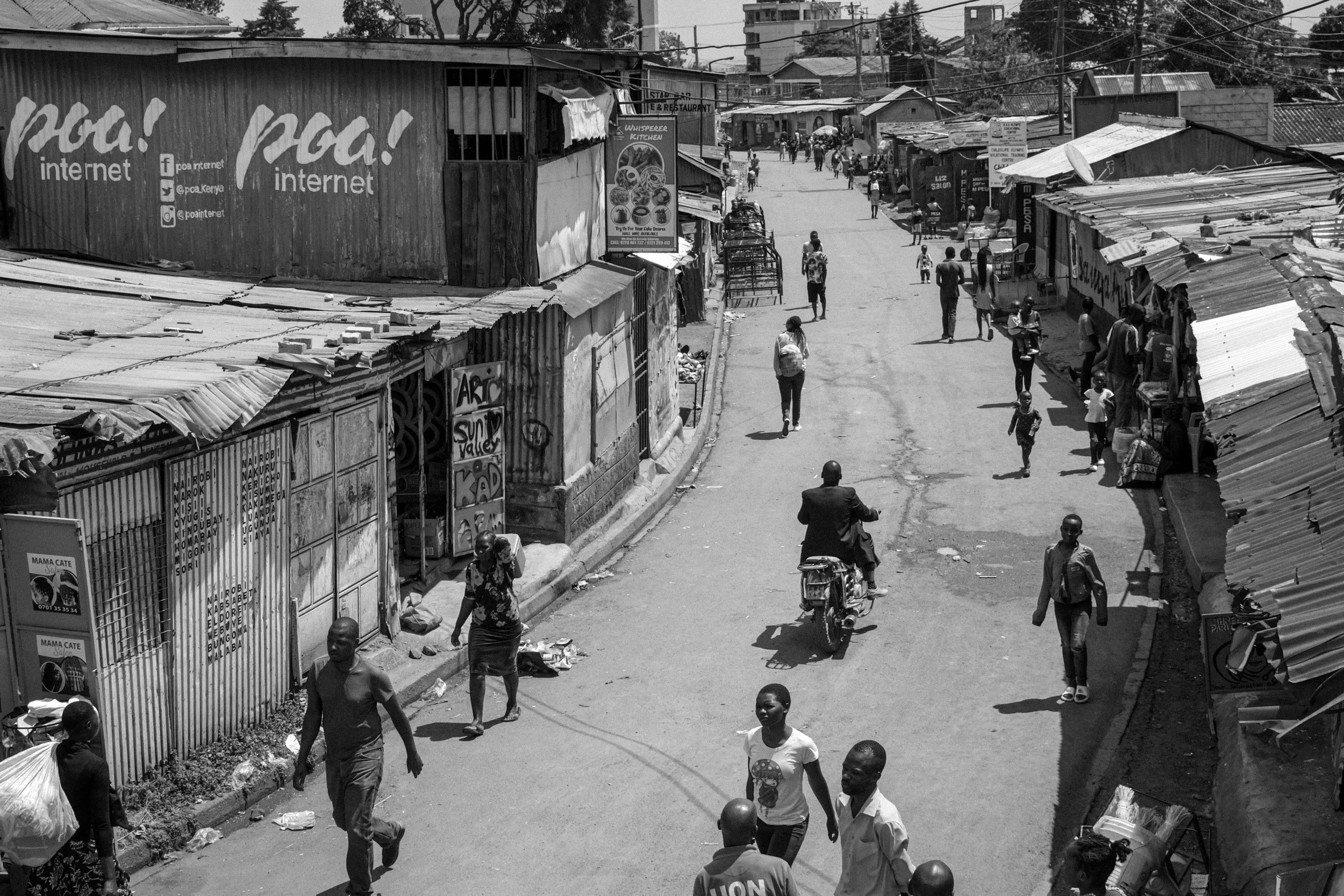
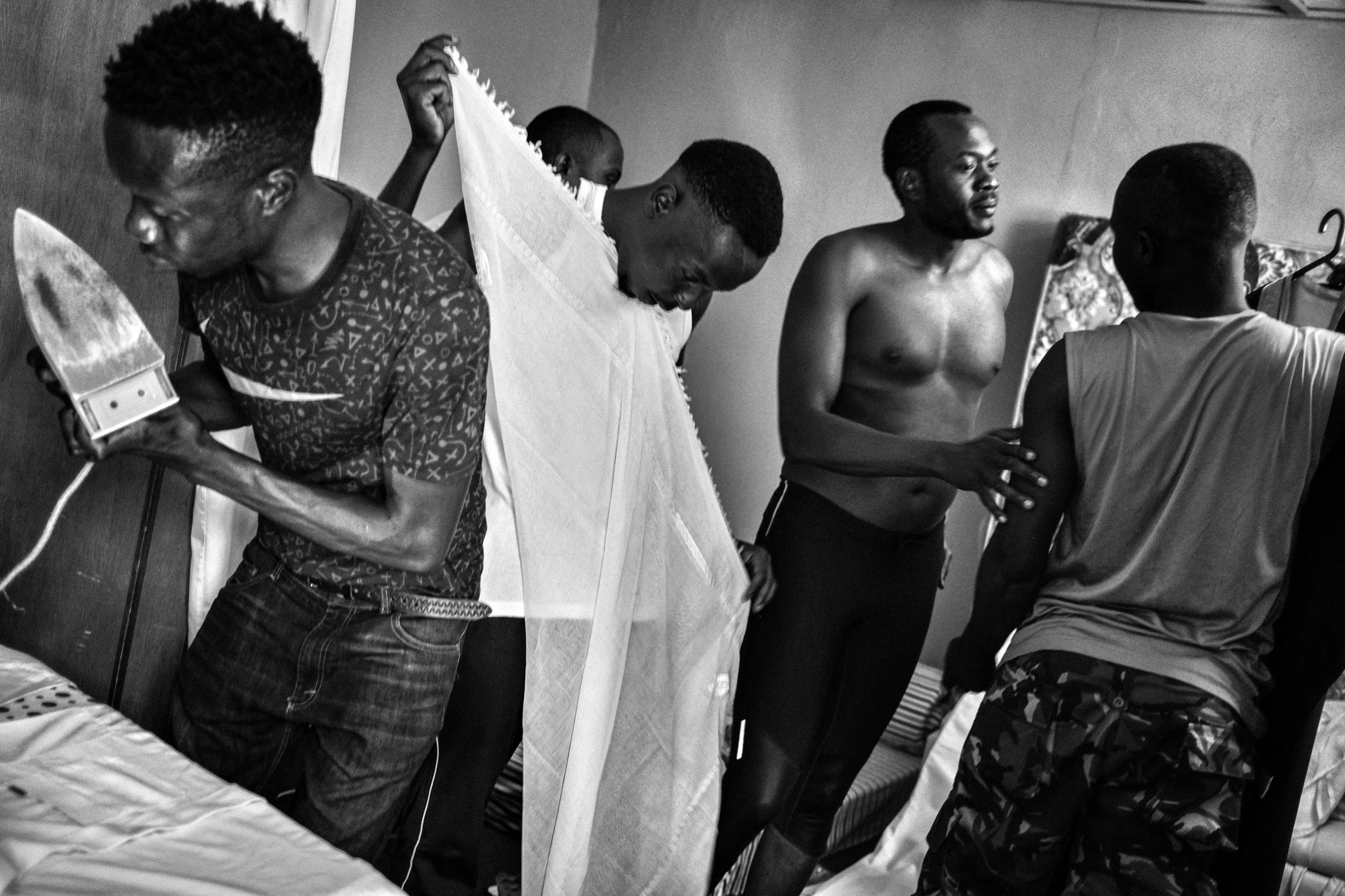
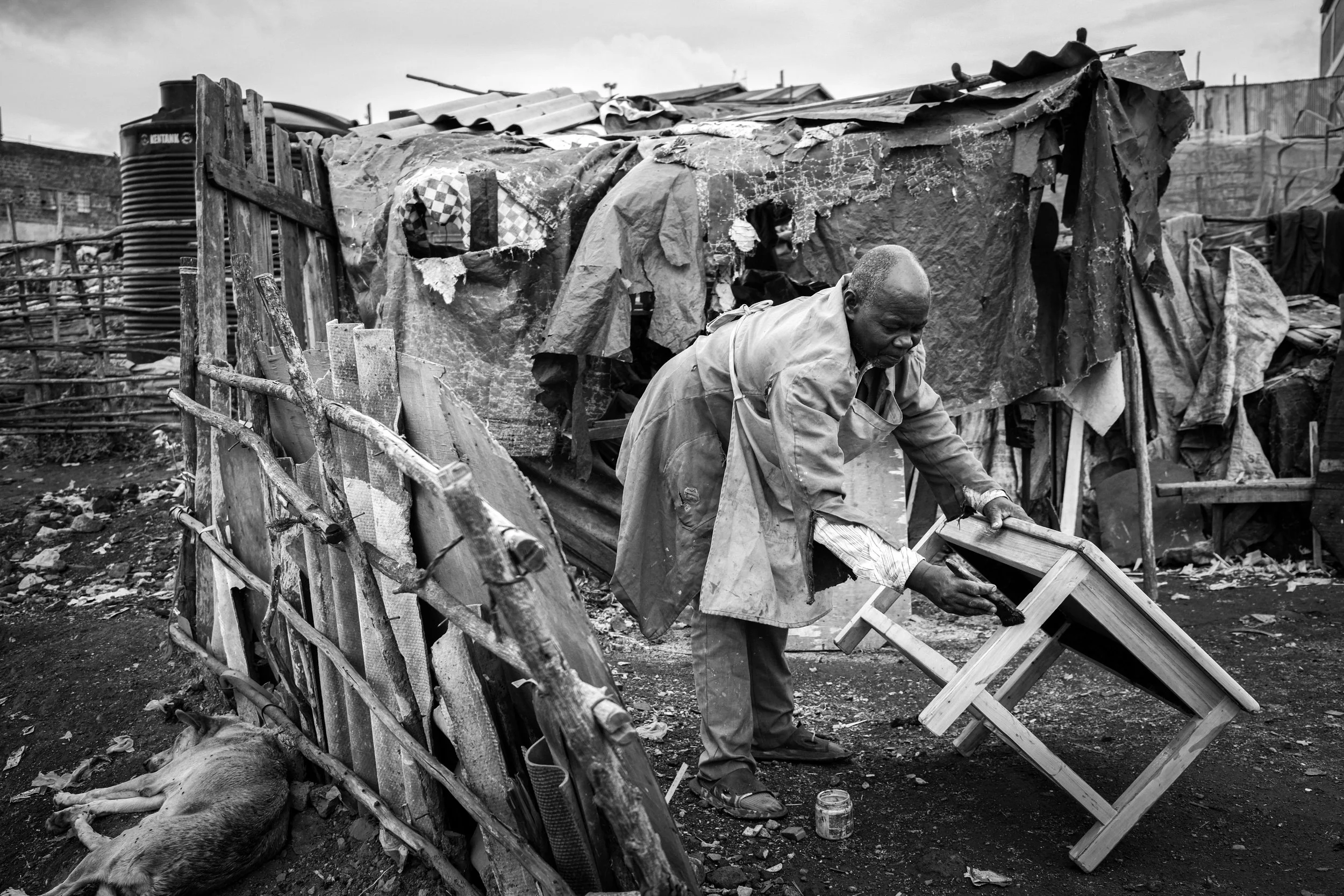
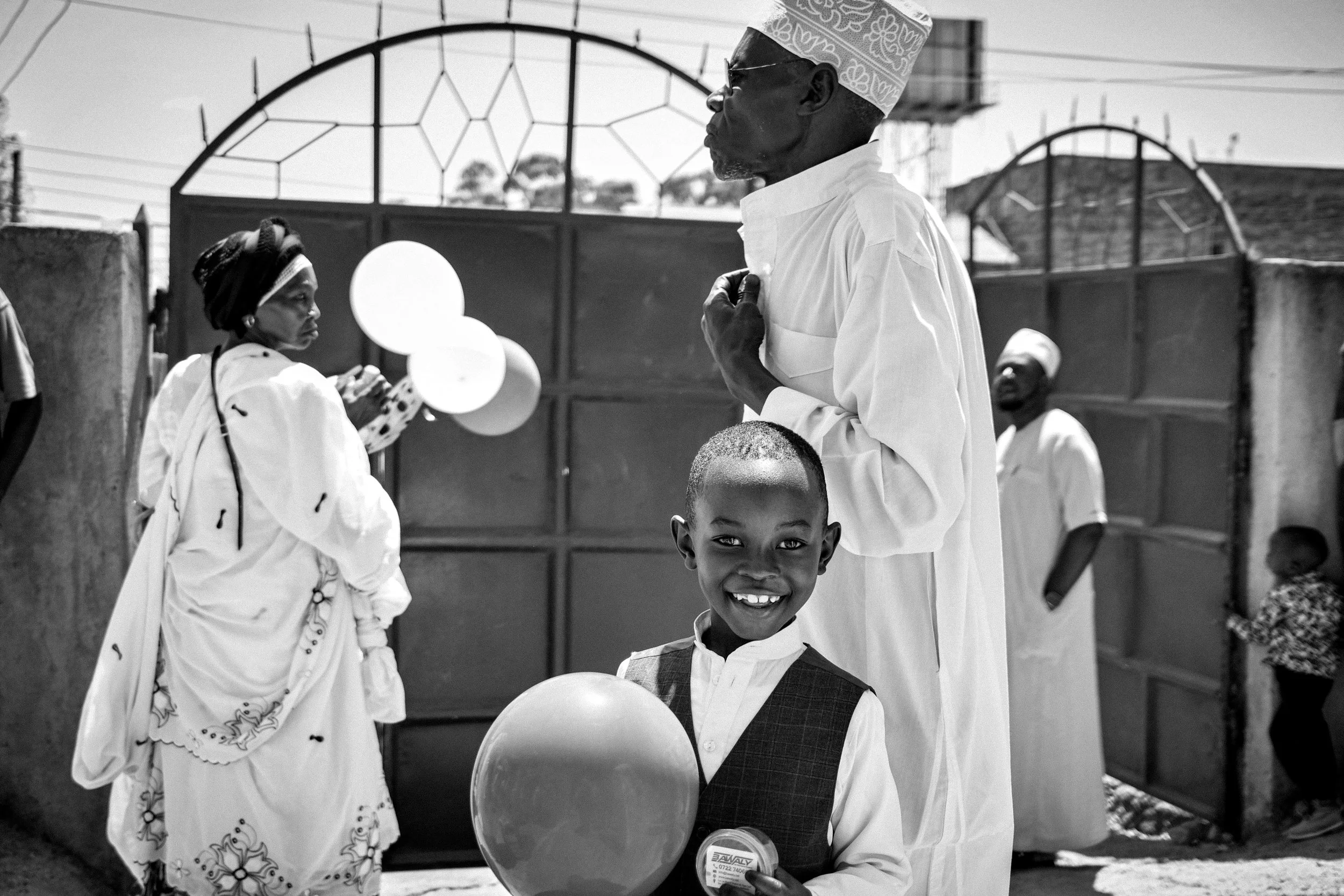
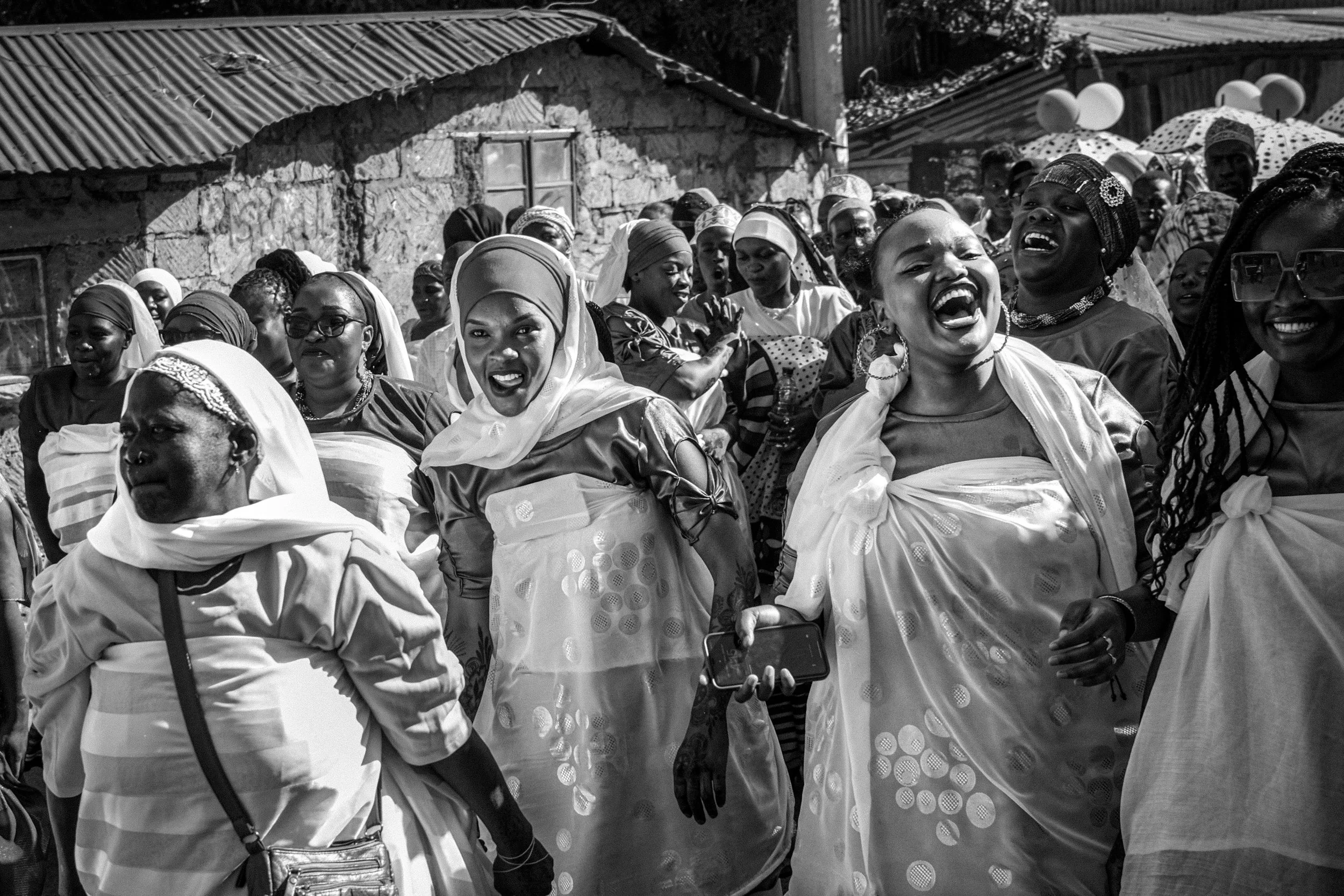
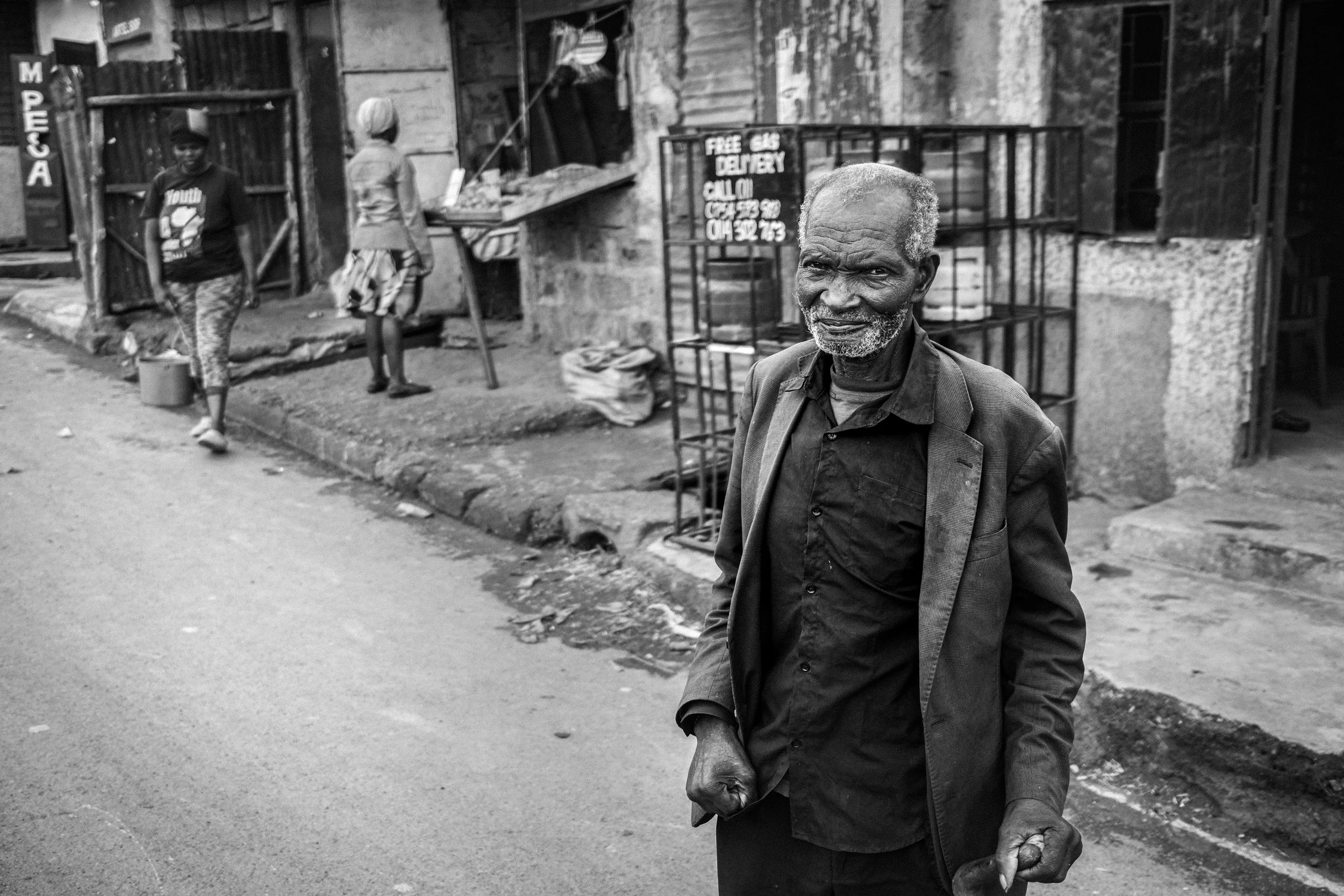
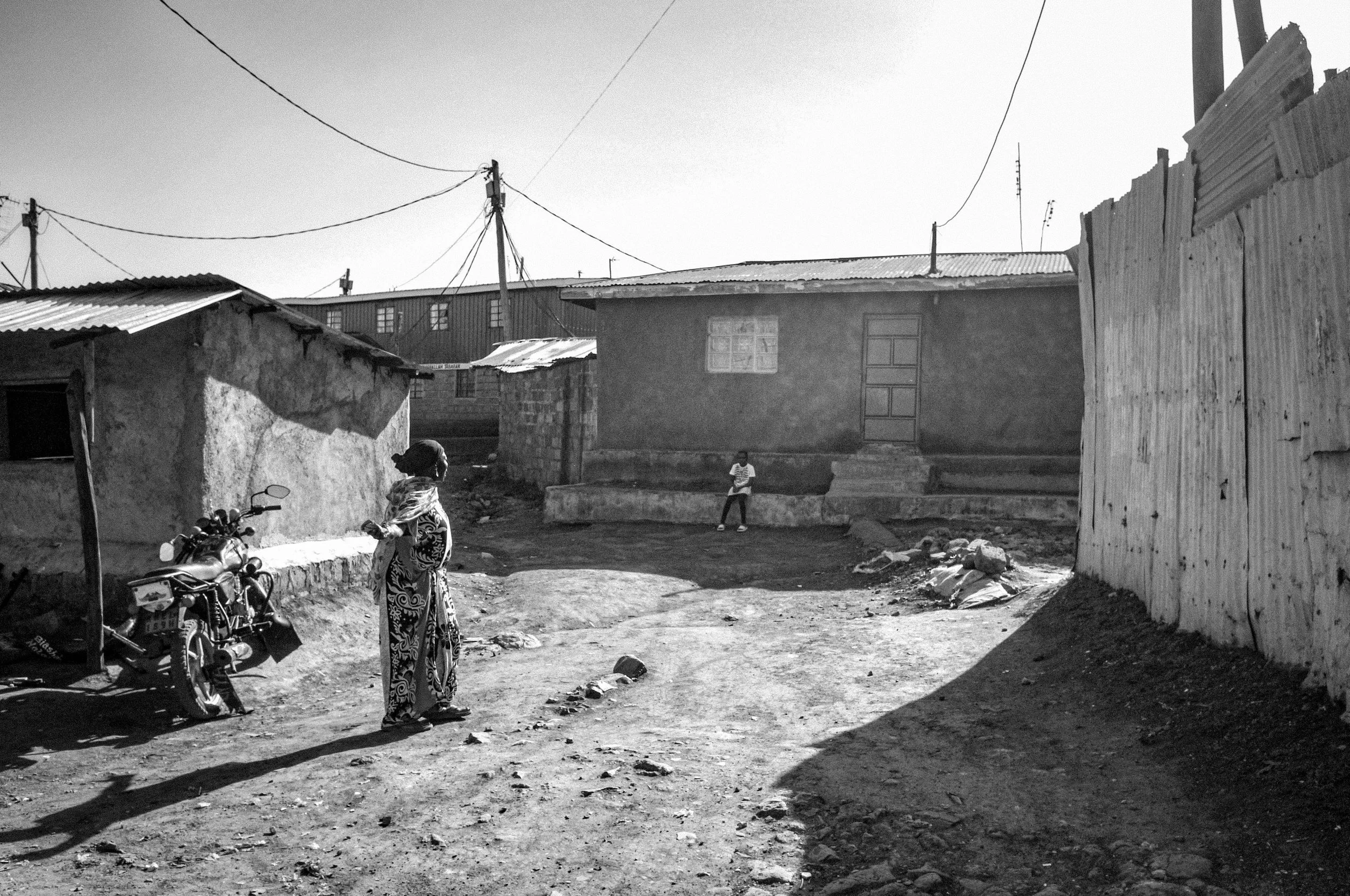
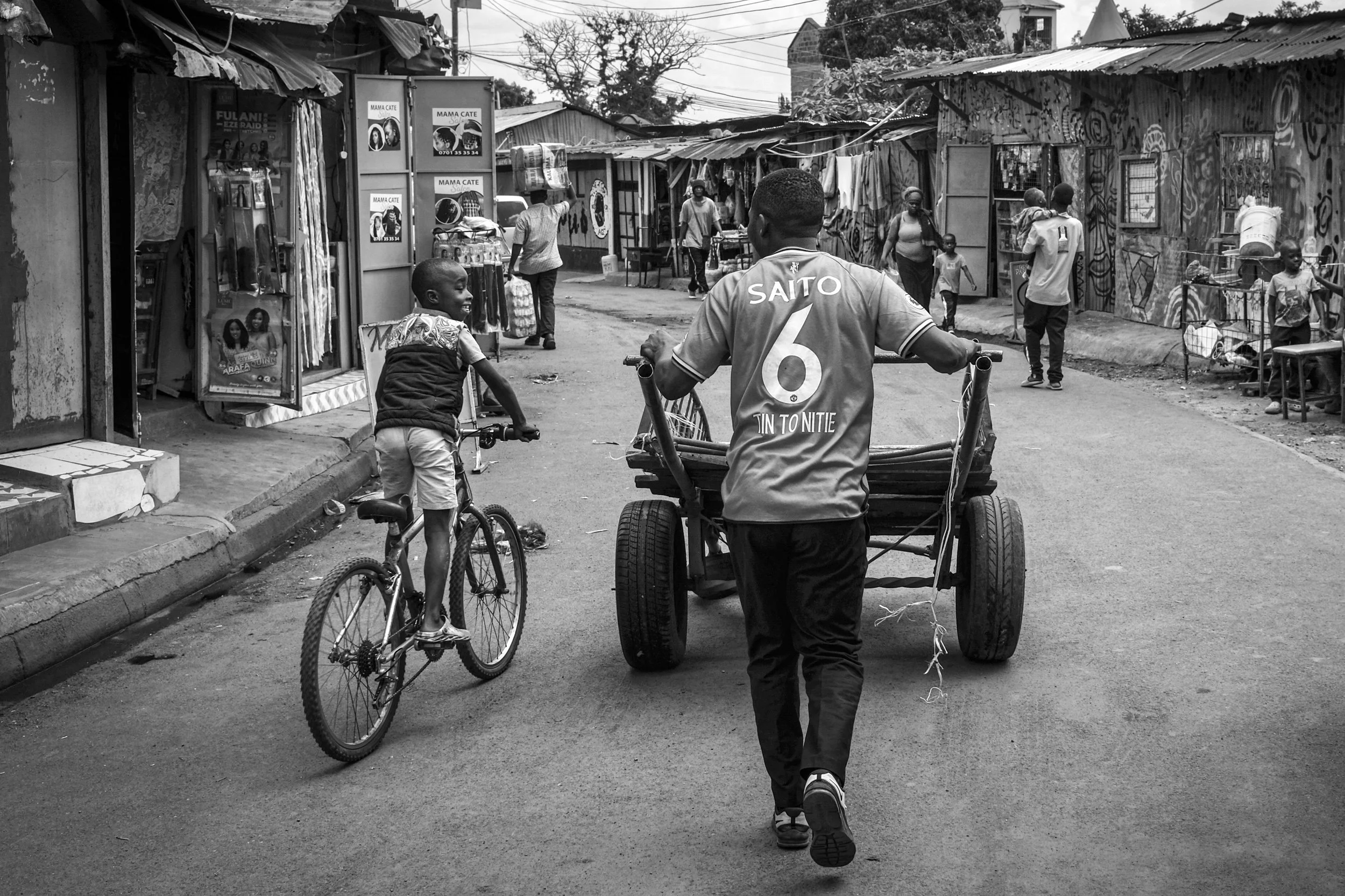
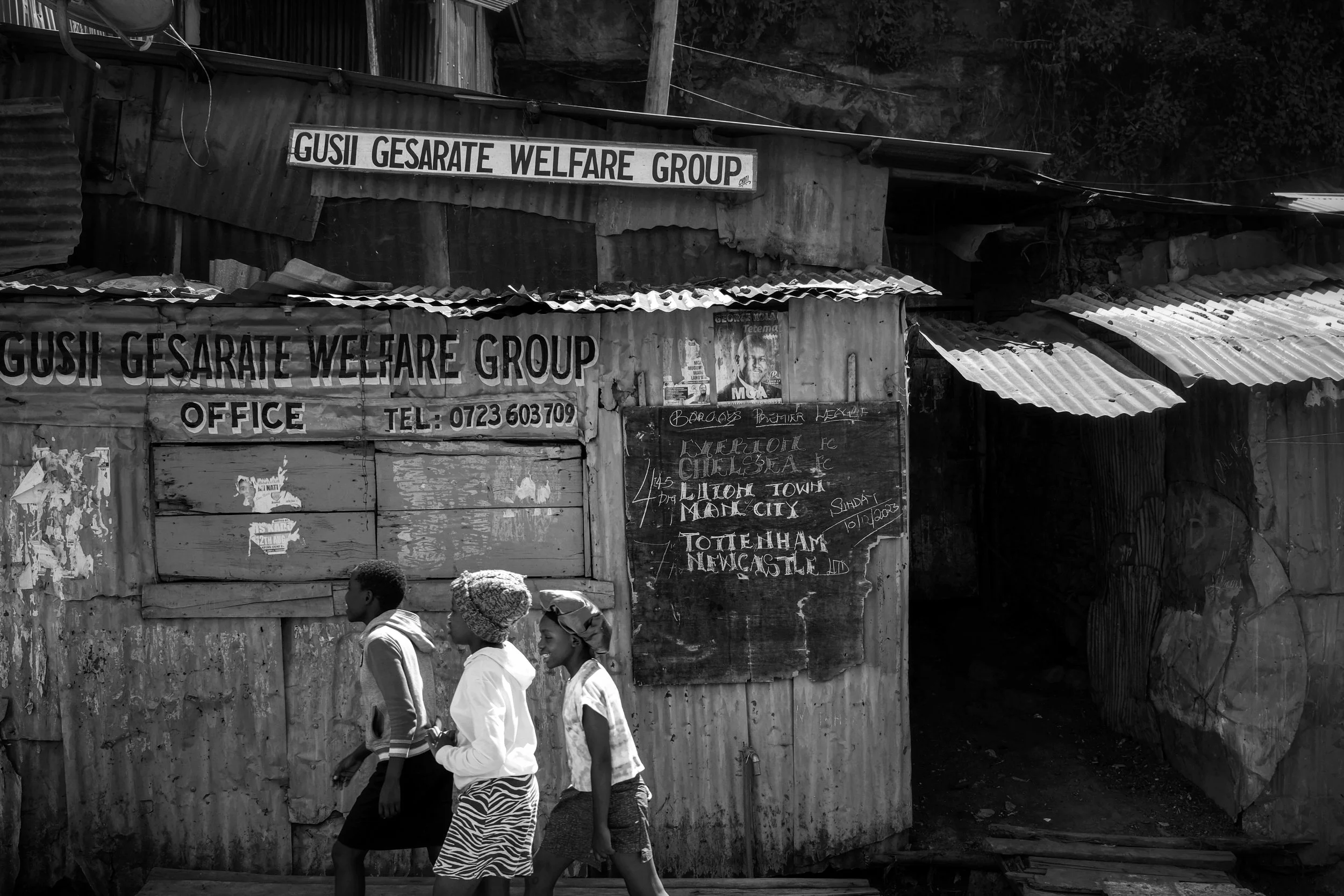
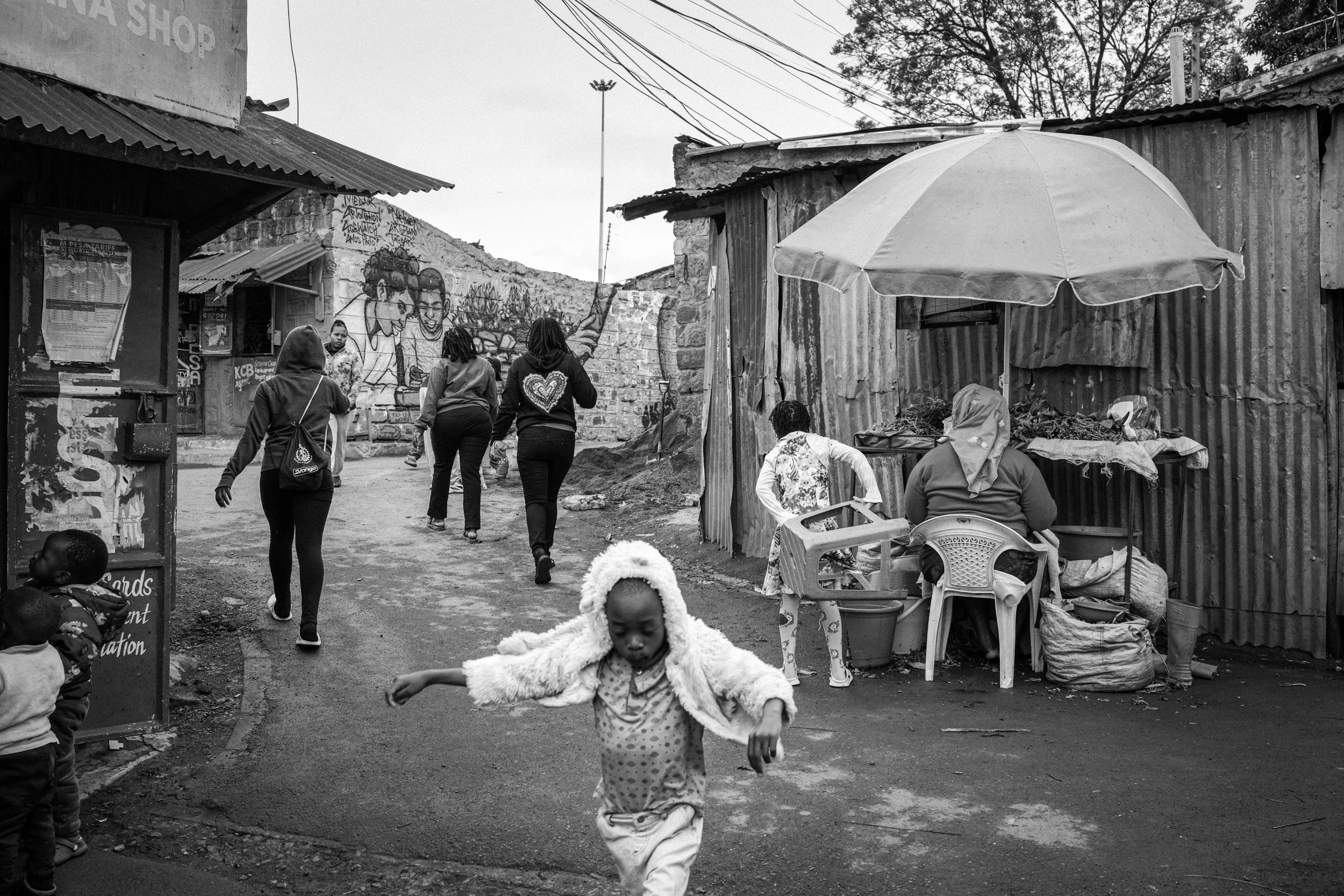
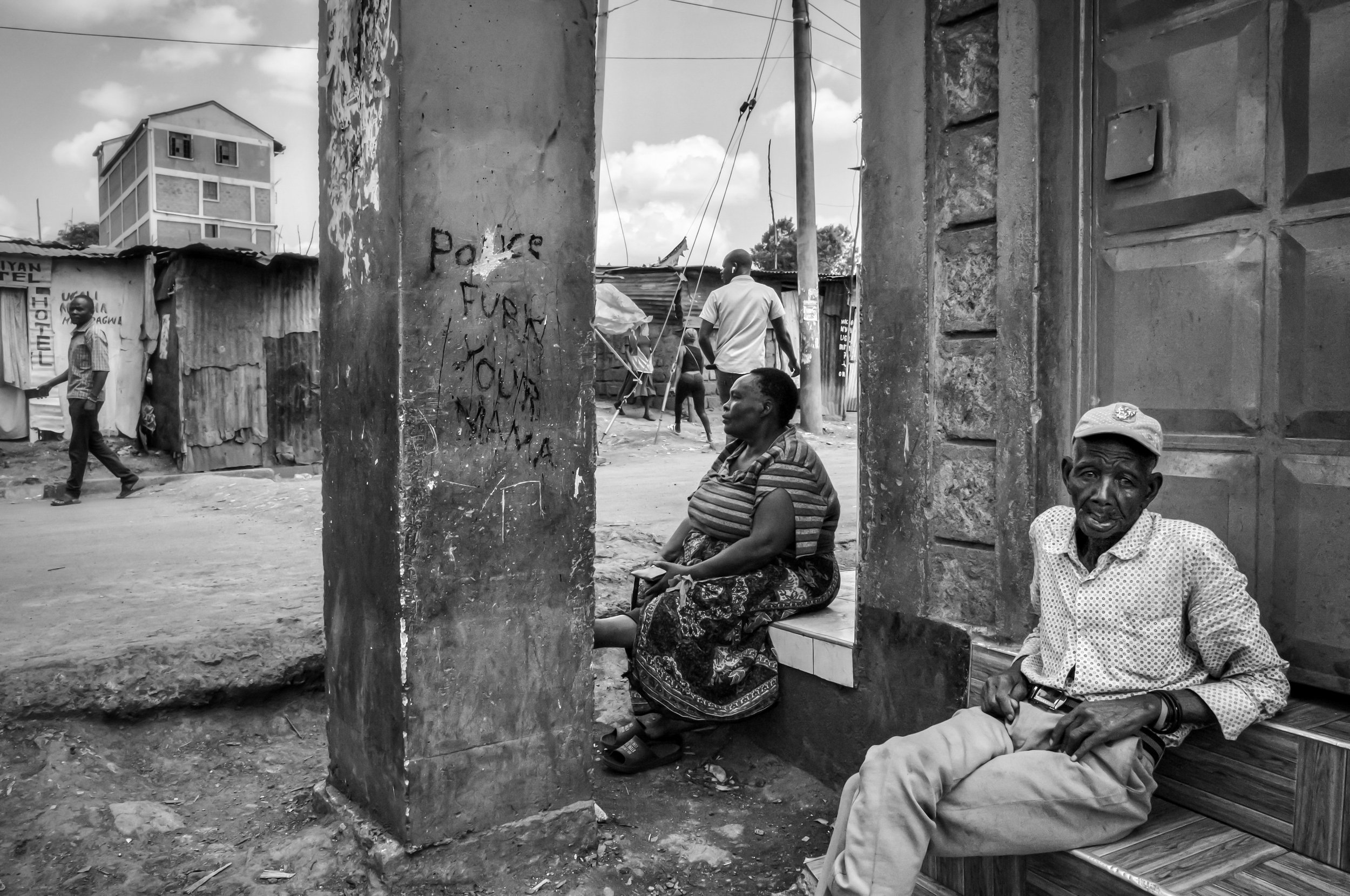
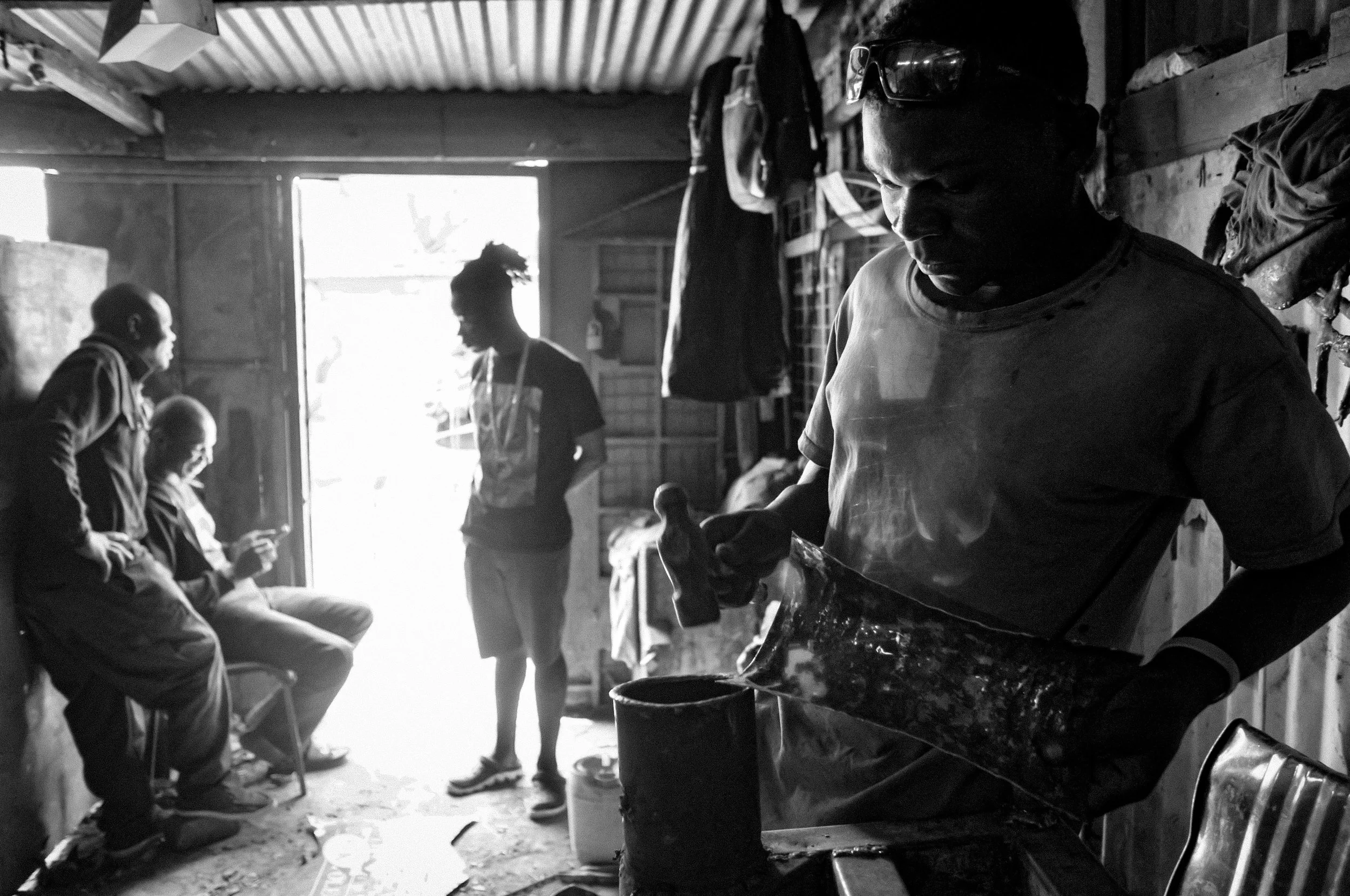
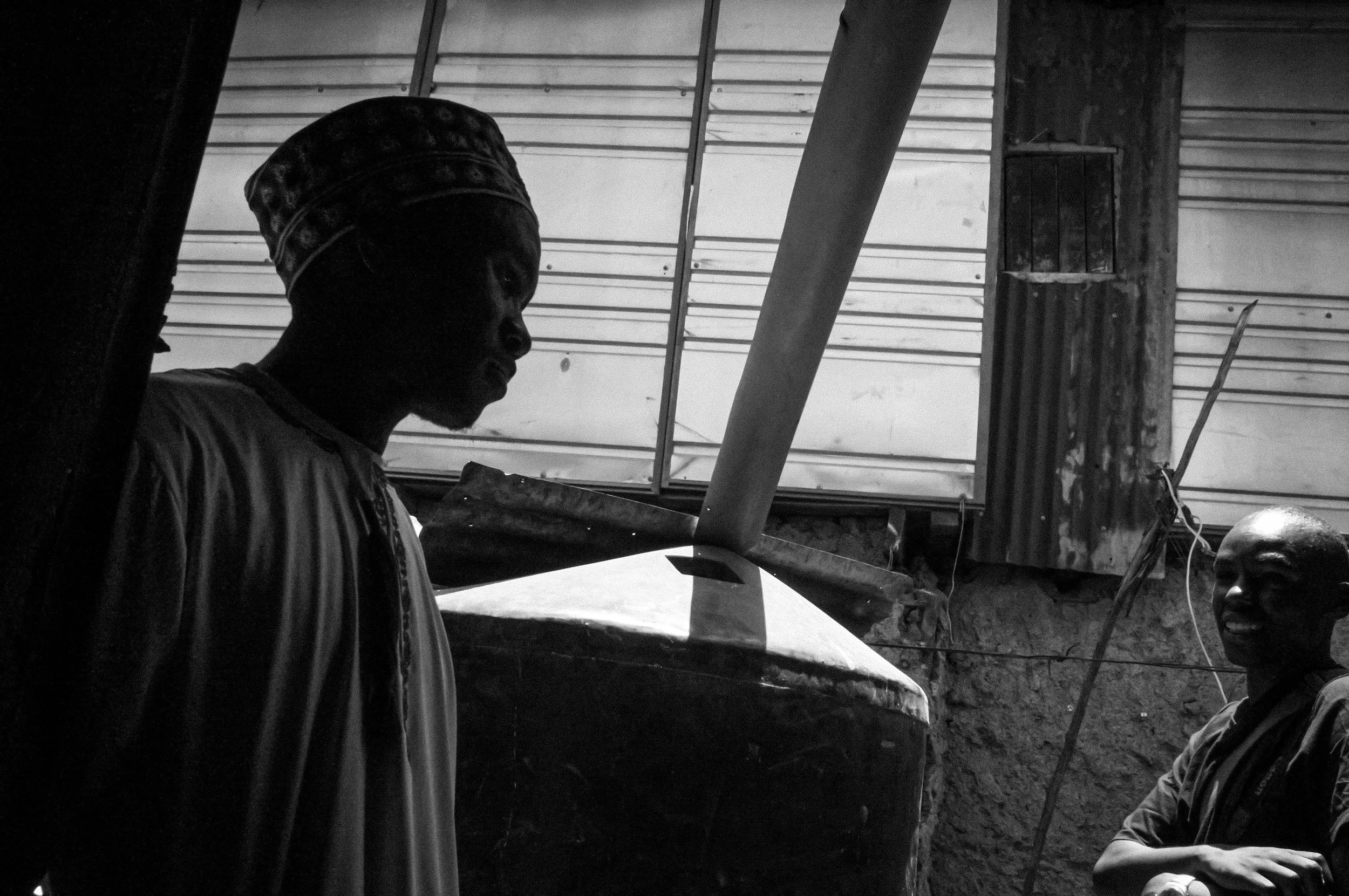
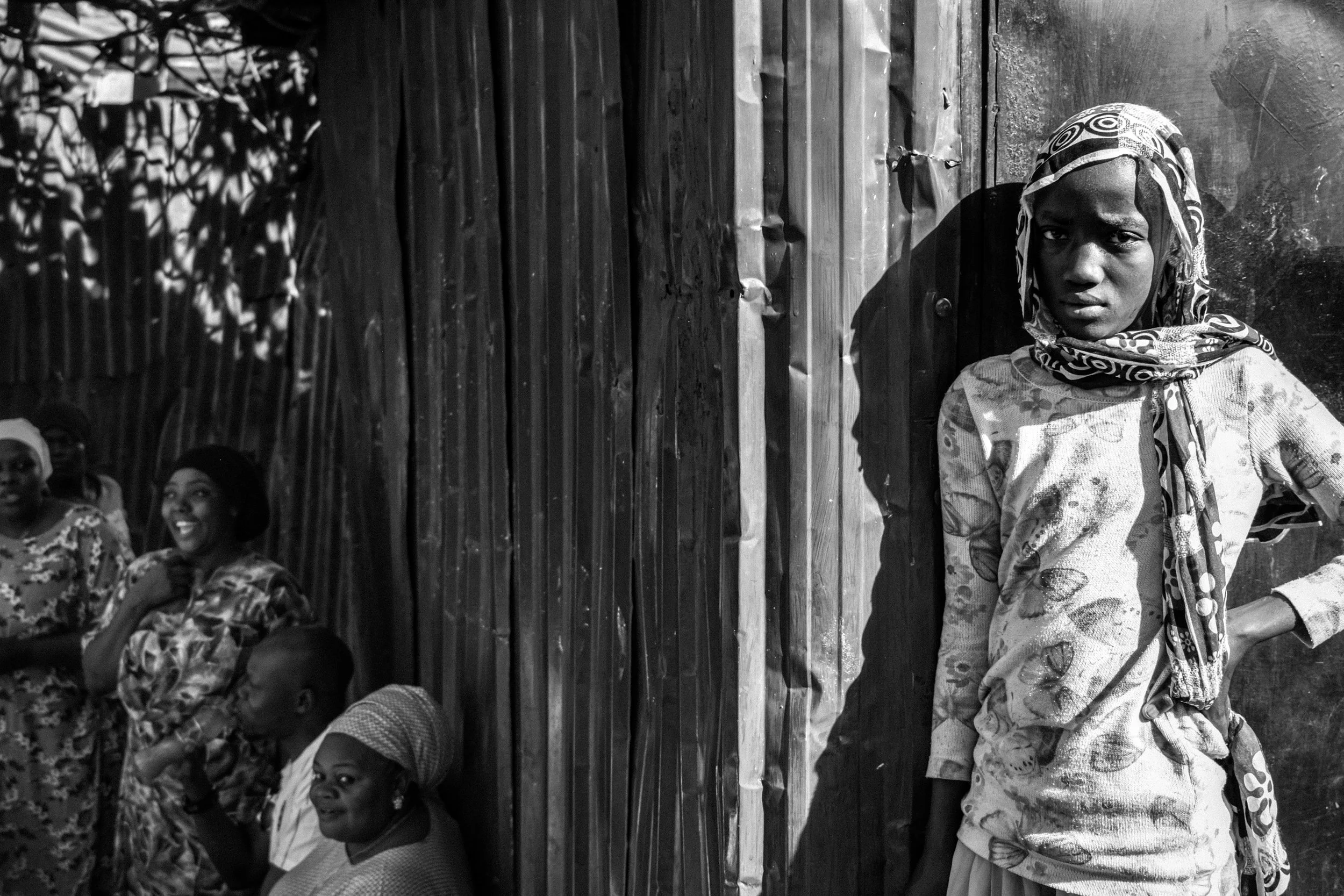
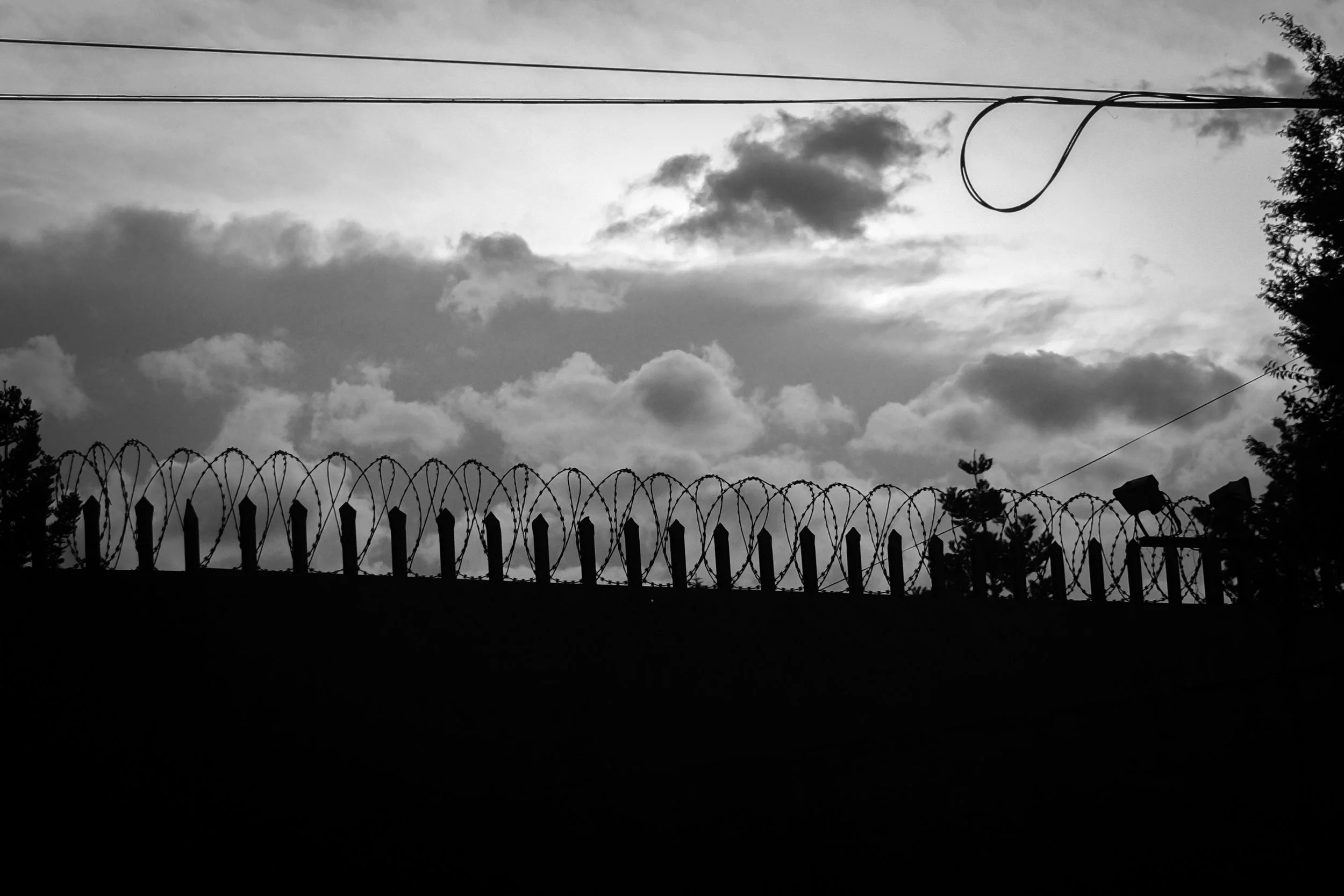
In some ways what struck me the most about Kibera - besides the astonishing scale and the almost medieval conditions in some parts - is that it is a community, in a way that the rest of the city often is not. Yes, there are challenges and distrust, it is not kumbaya. But Kibera functions as a complex urban organism. Unlike the walls and barbed wire that surround many desirable locations in Nairobi, there is an openness. People clearly work hard, go about their business, and coexist.
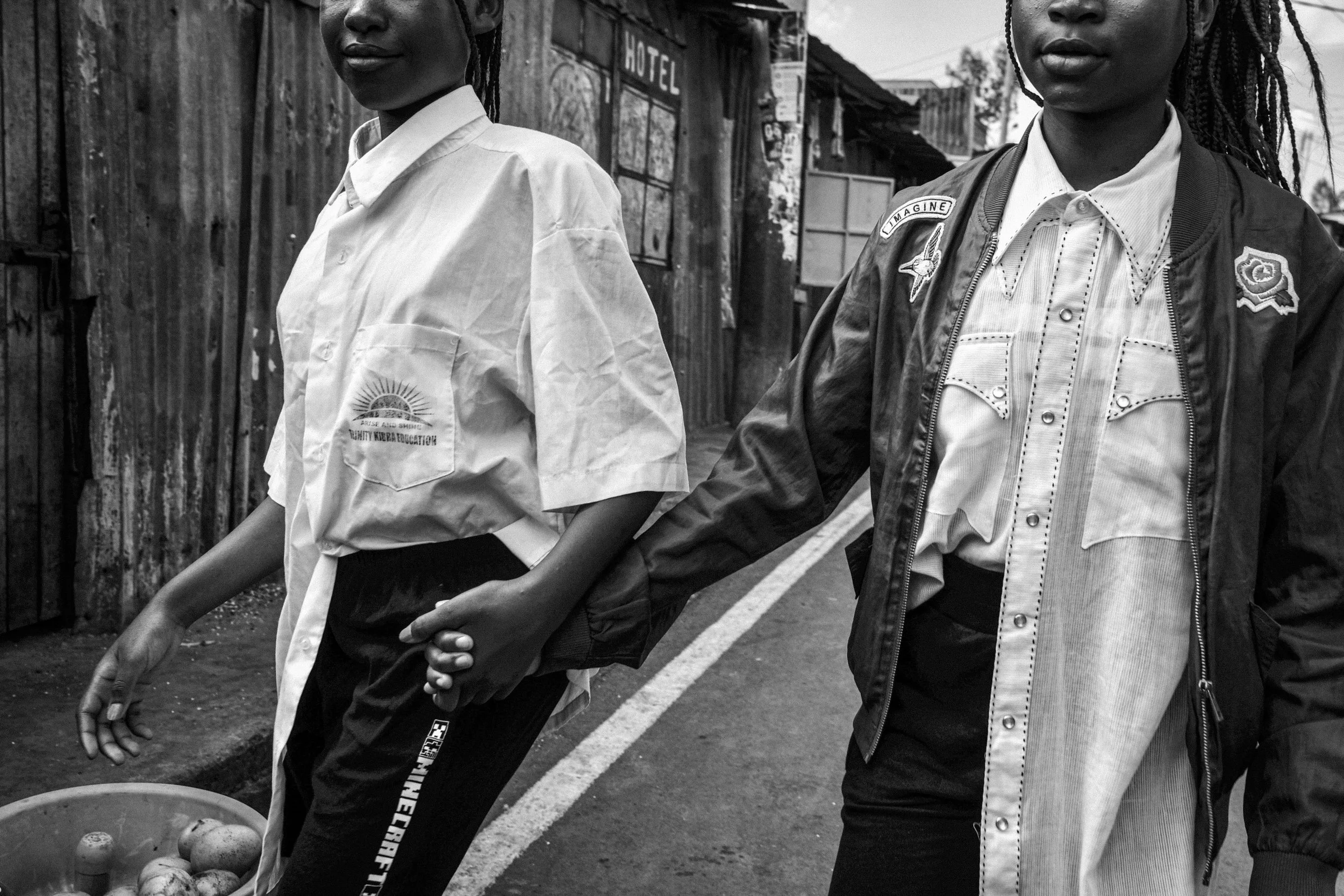
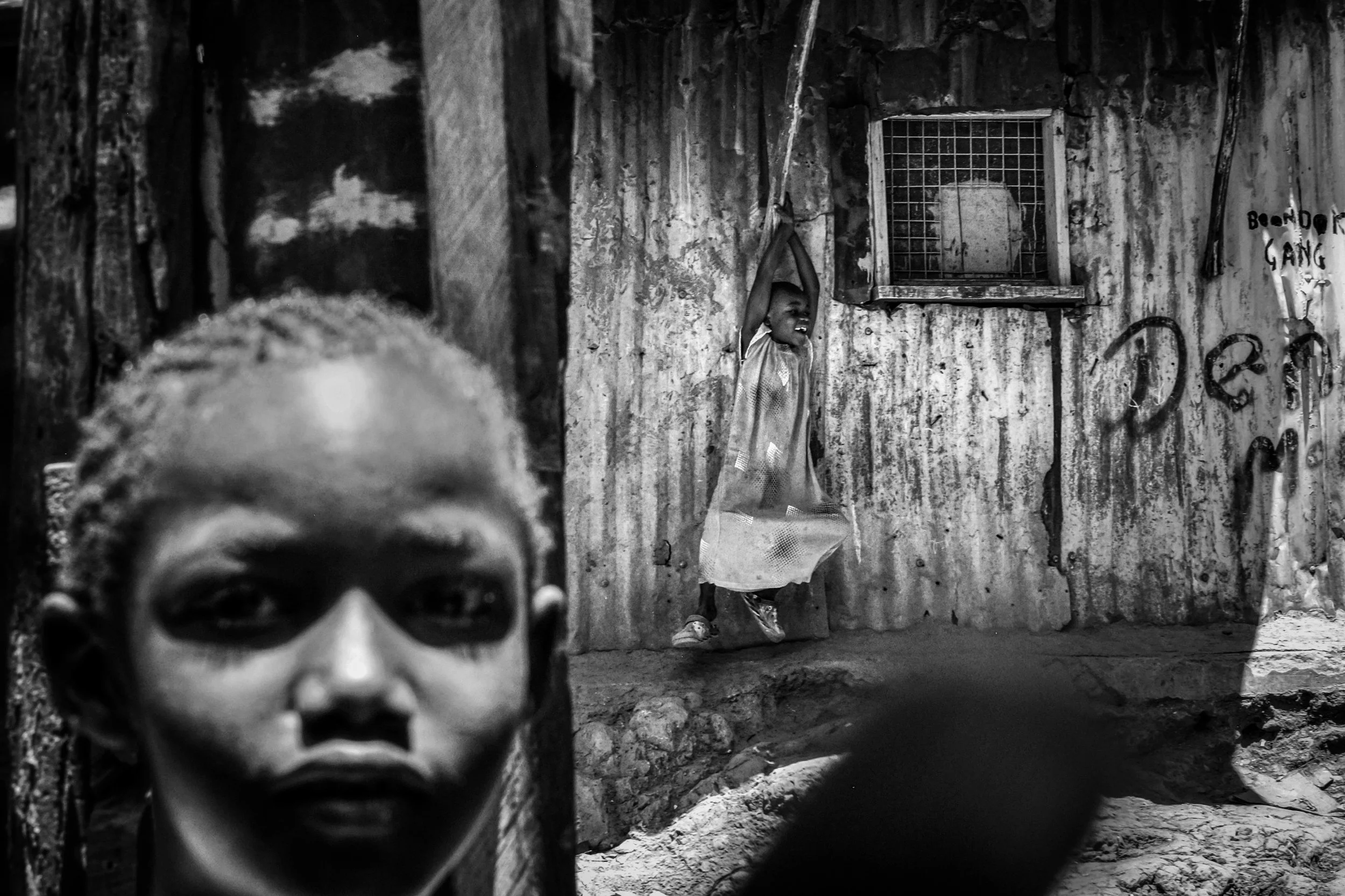
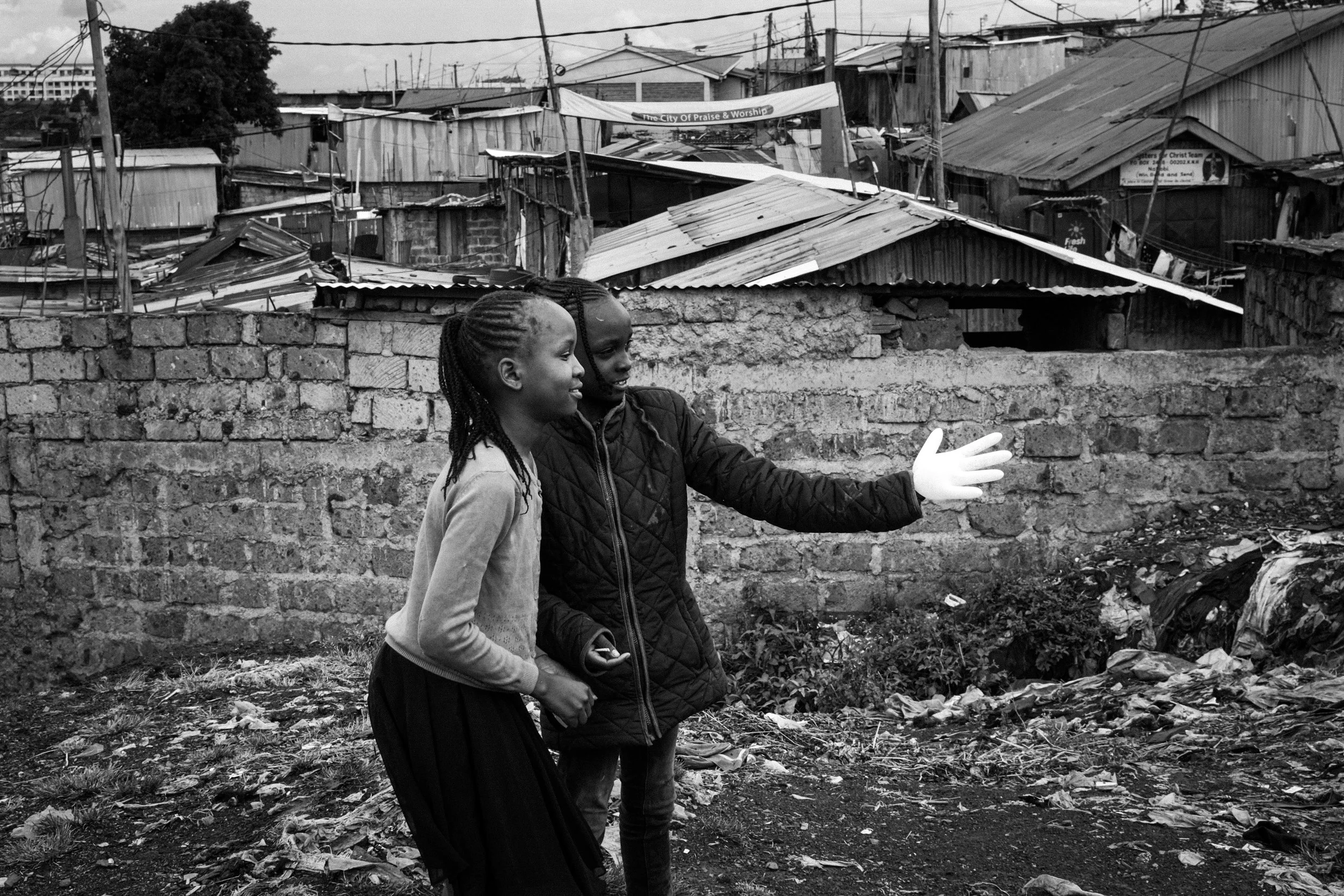
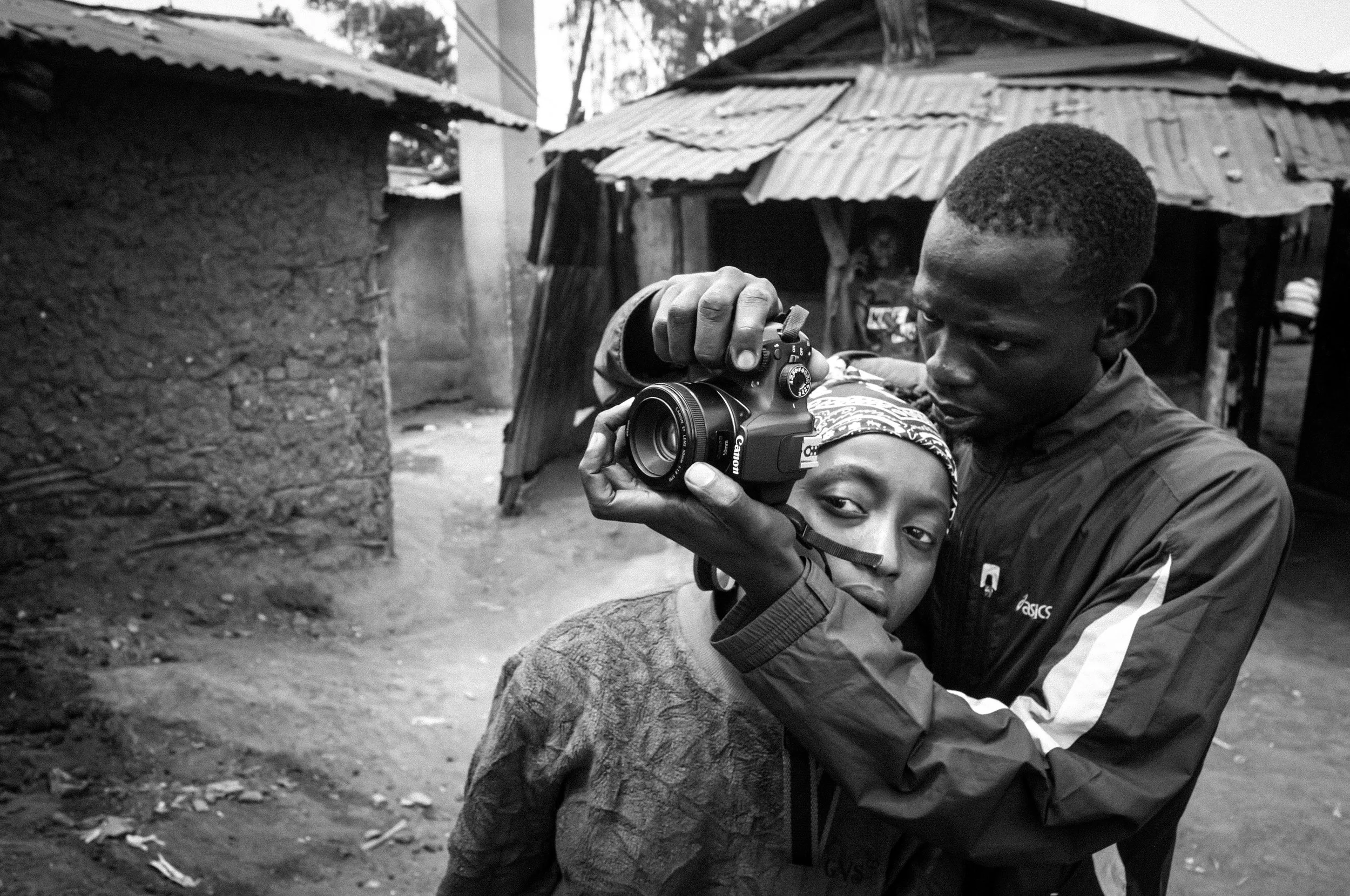
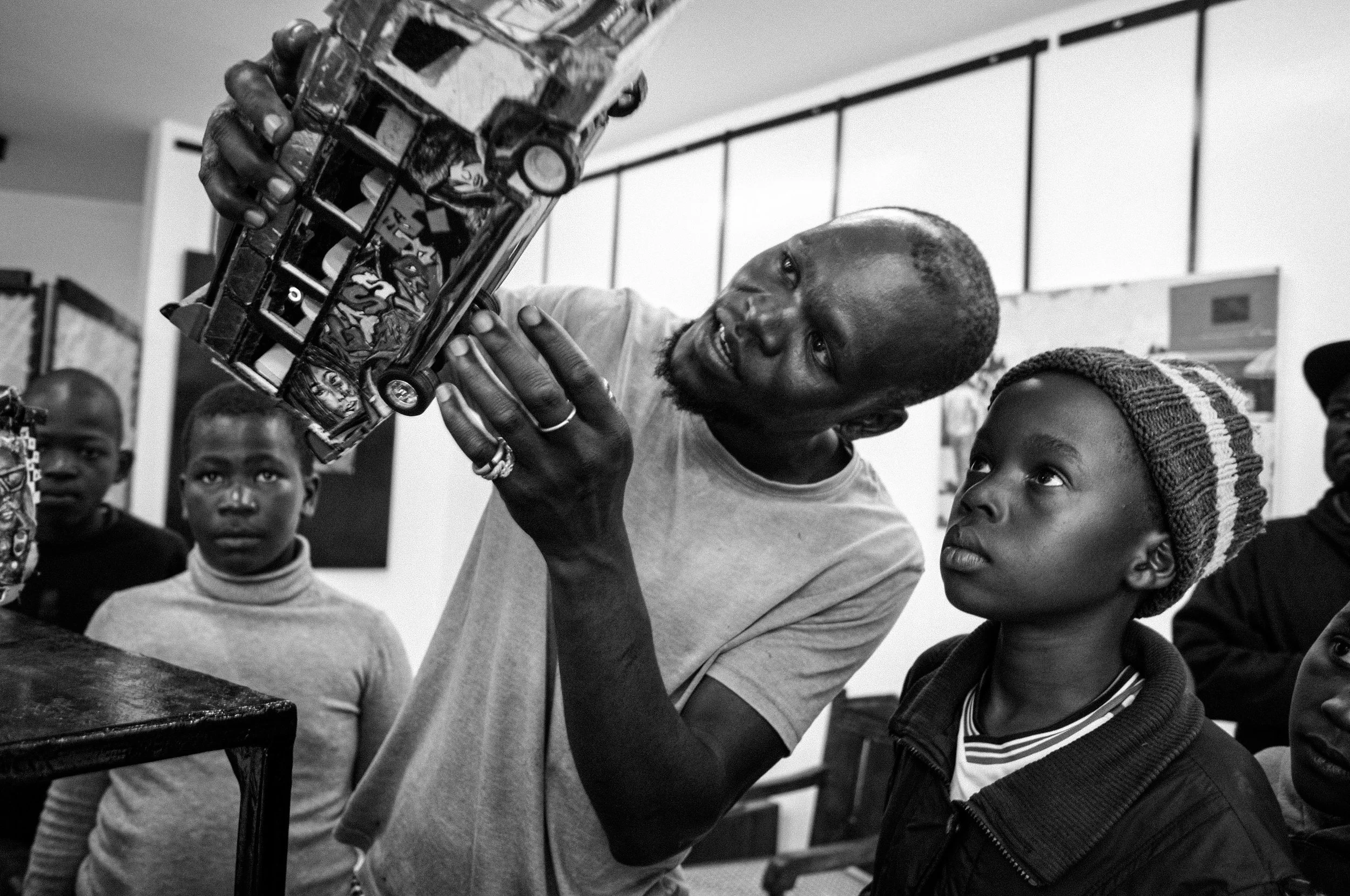
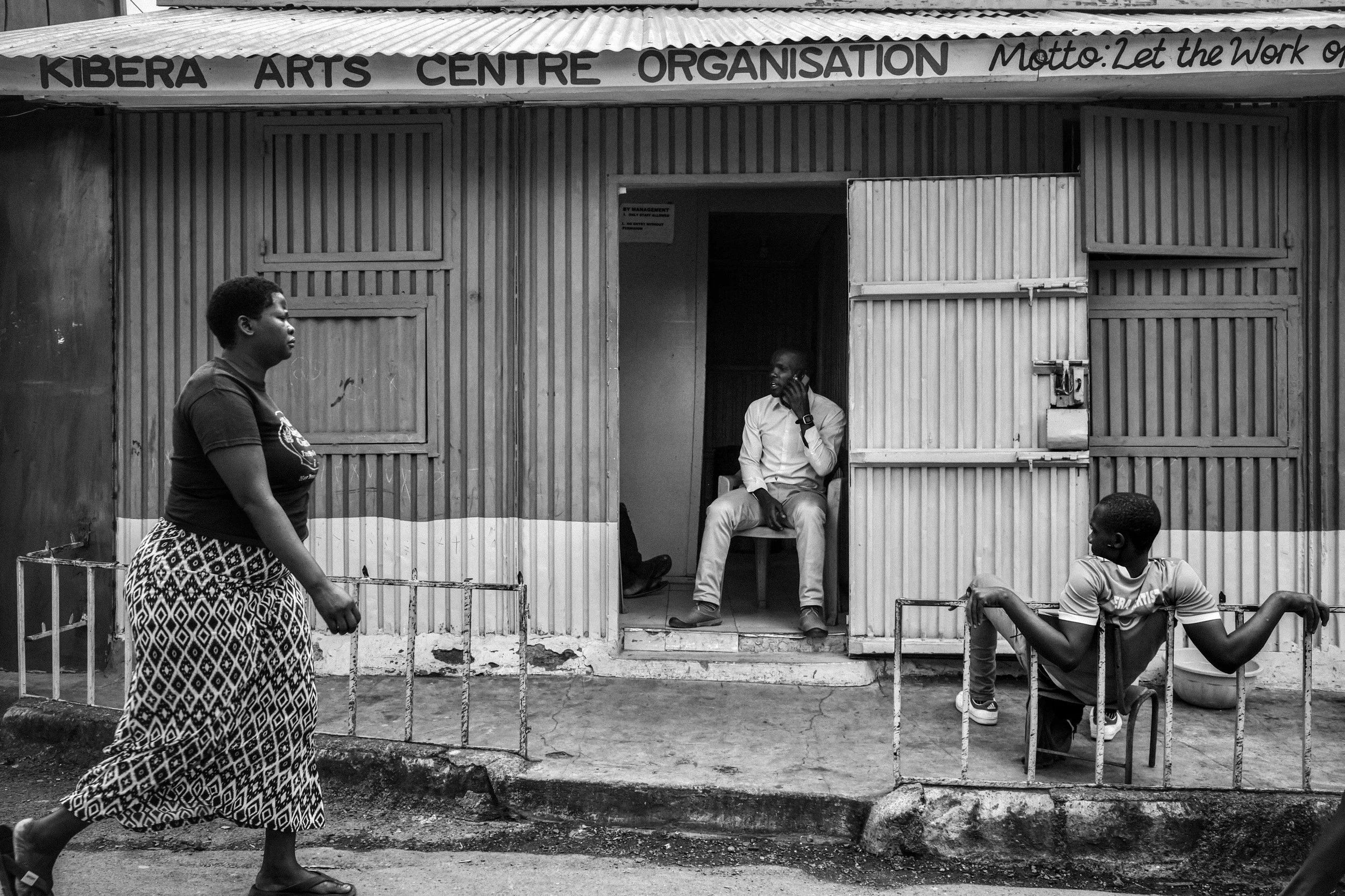
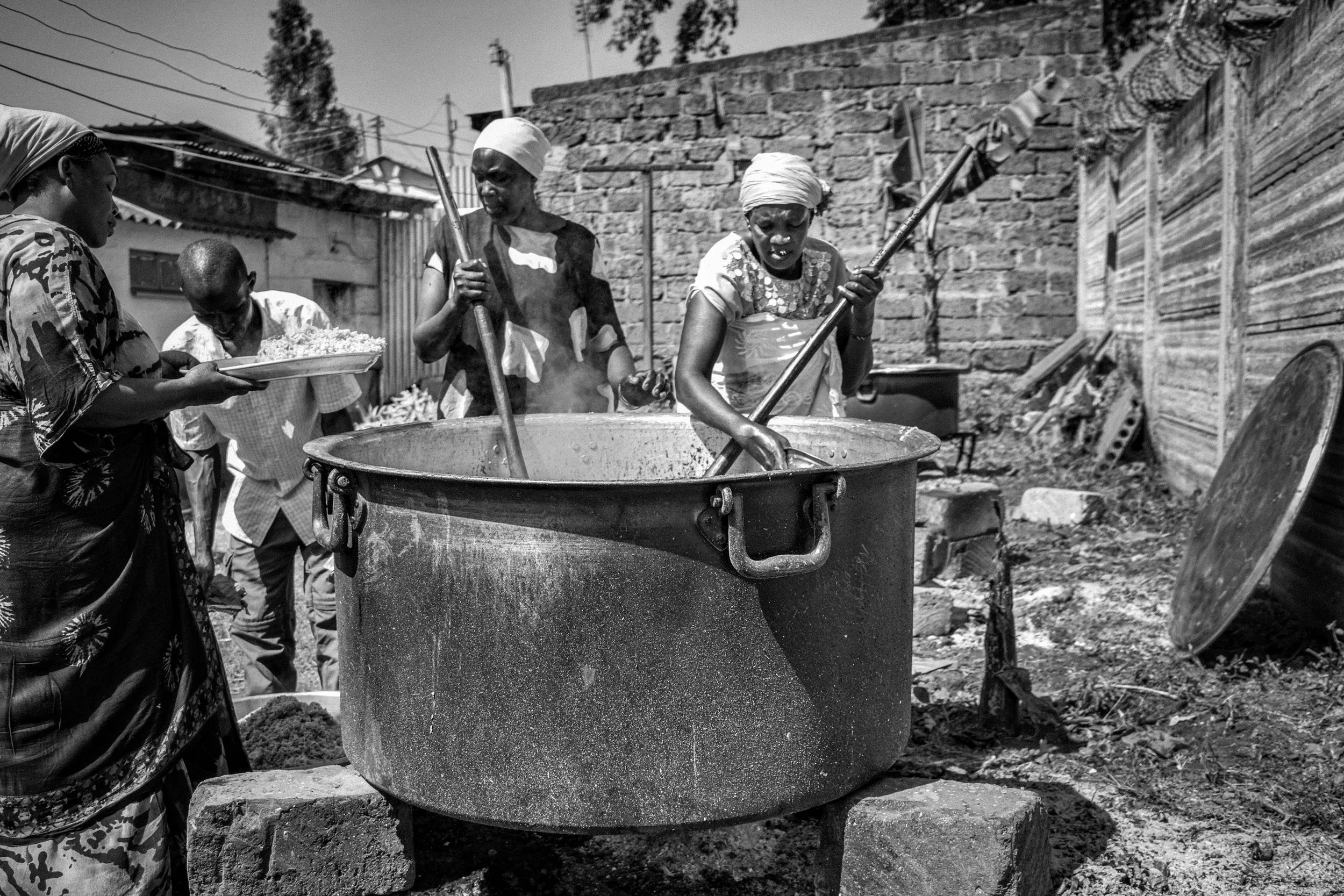
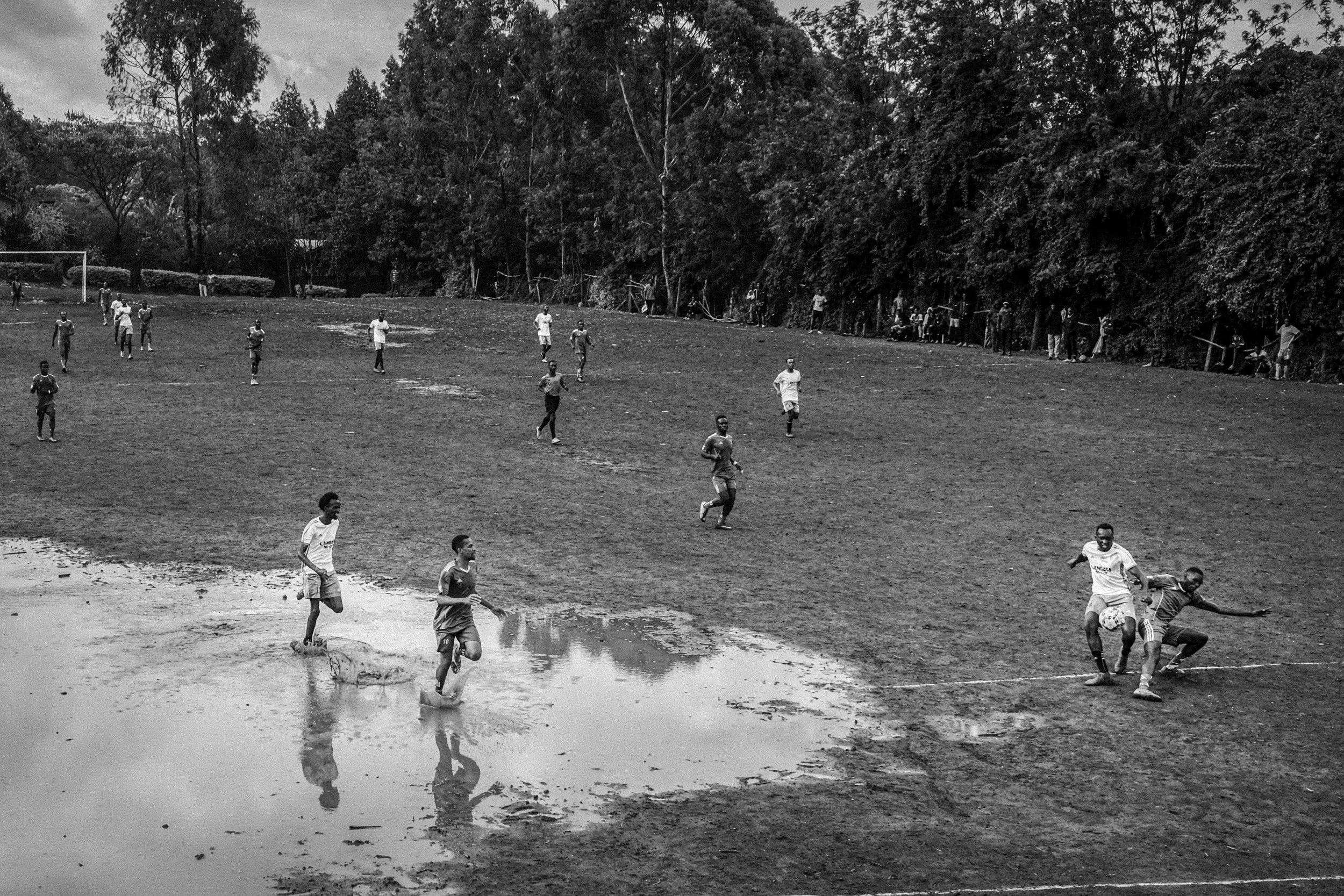
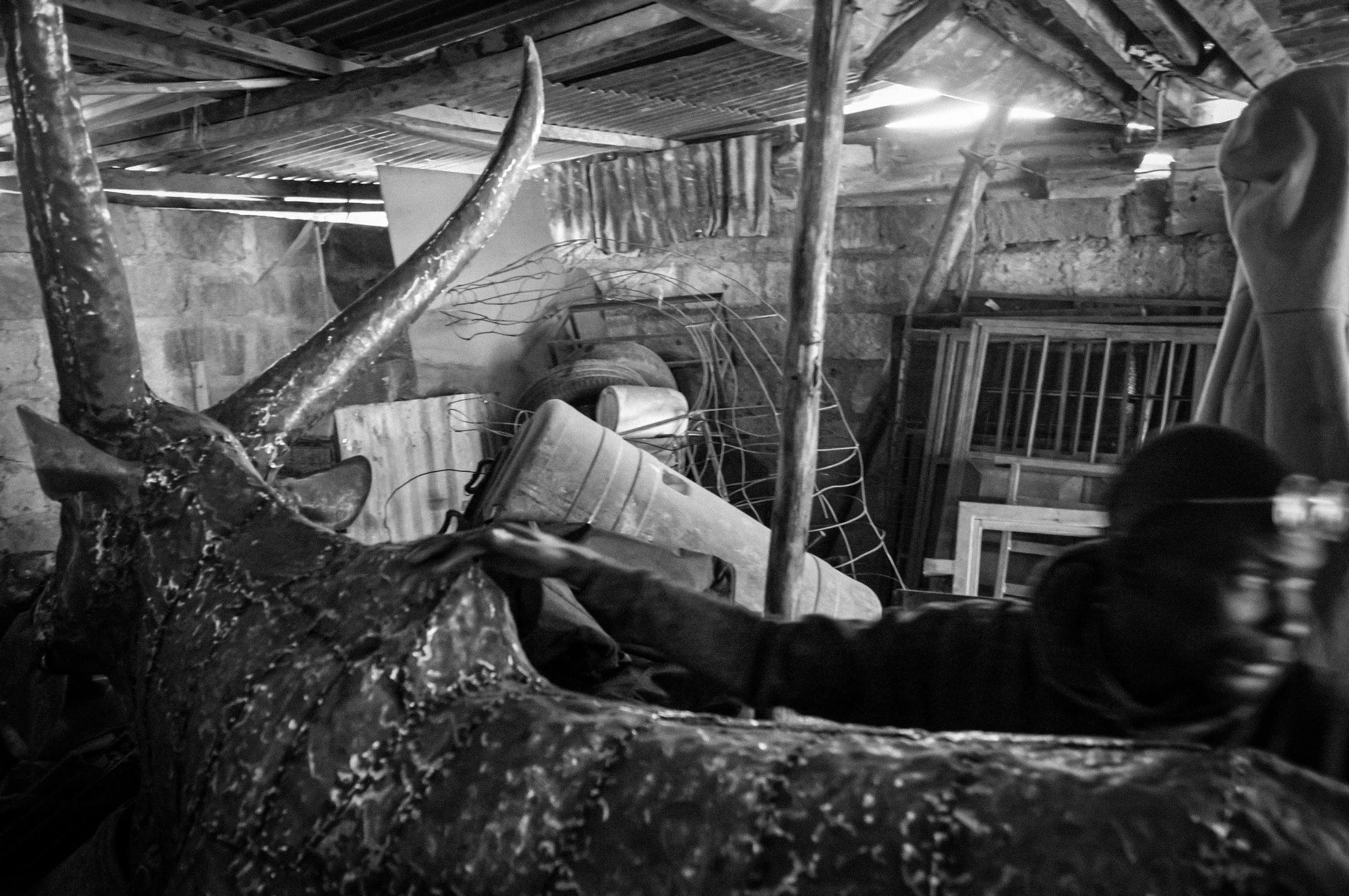
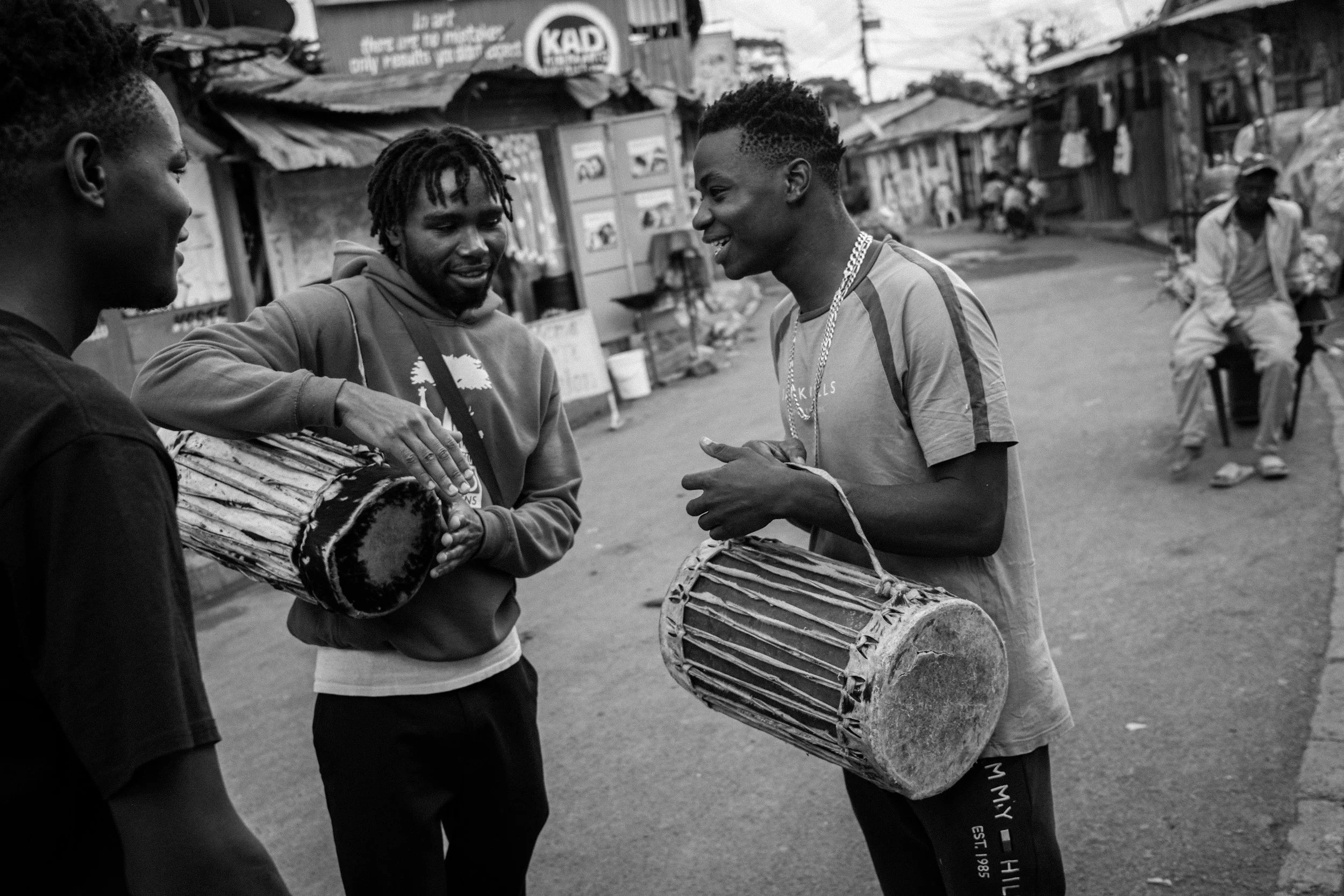
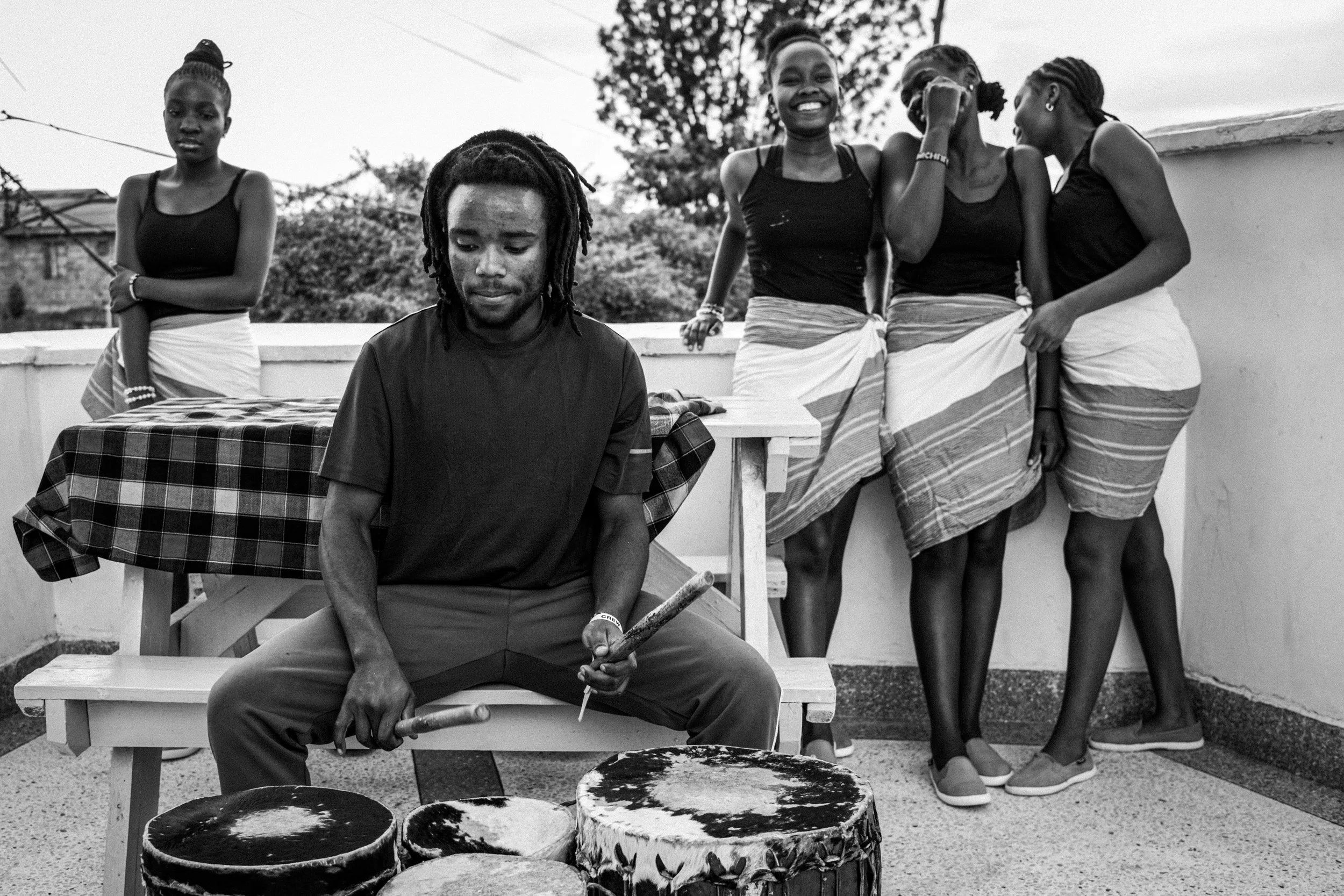
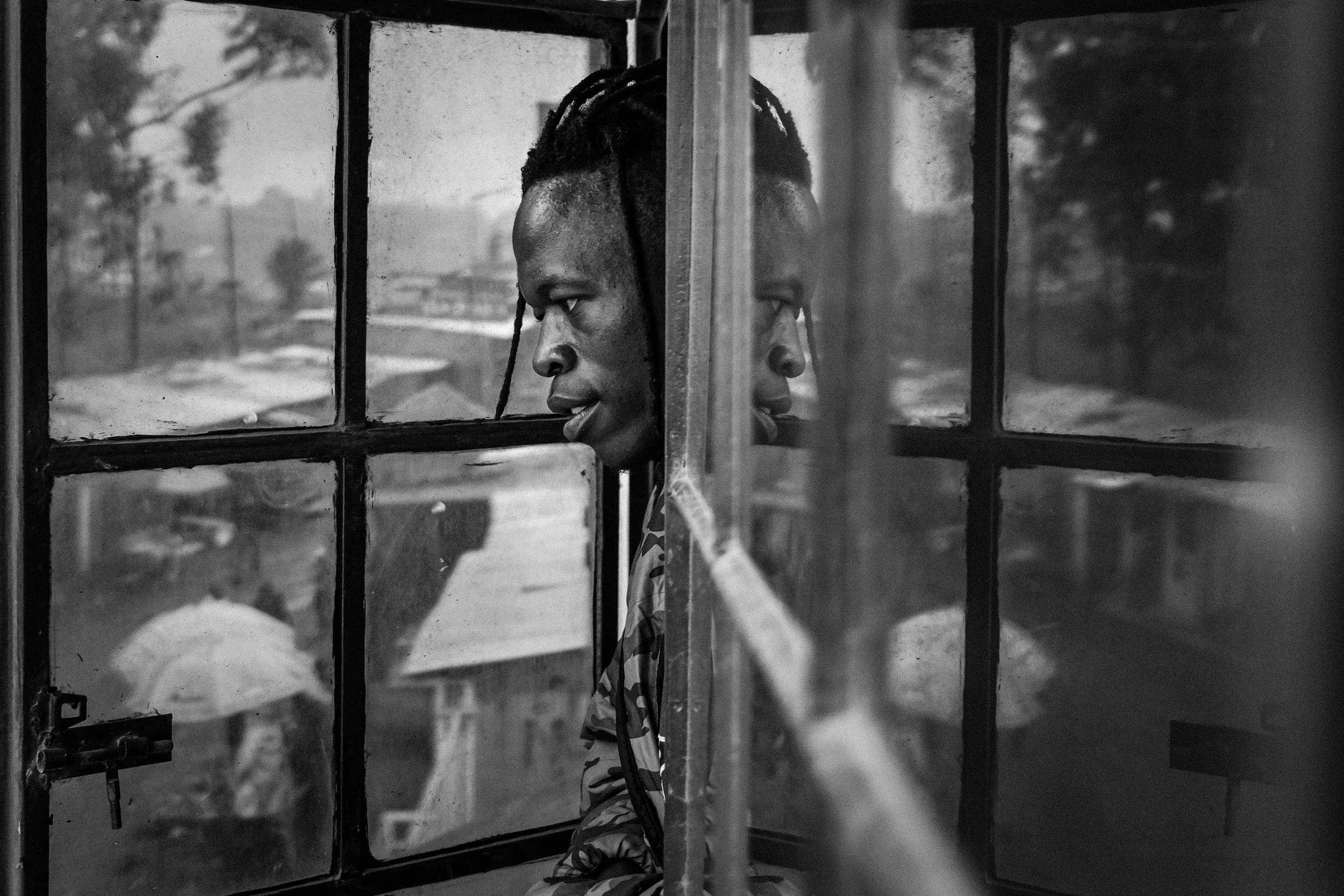
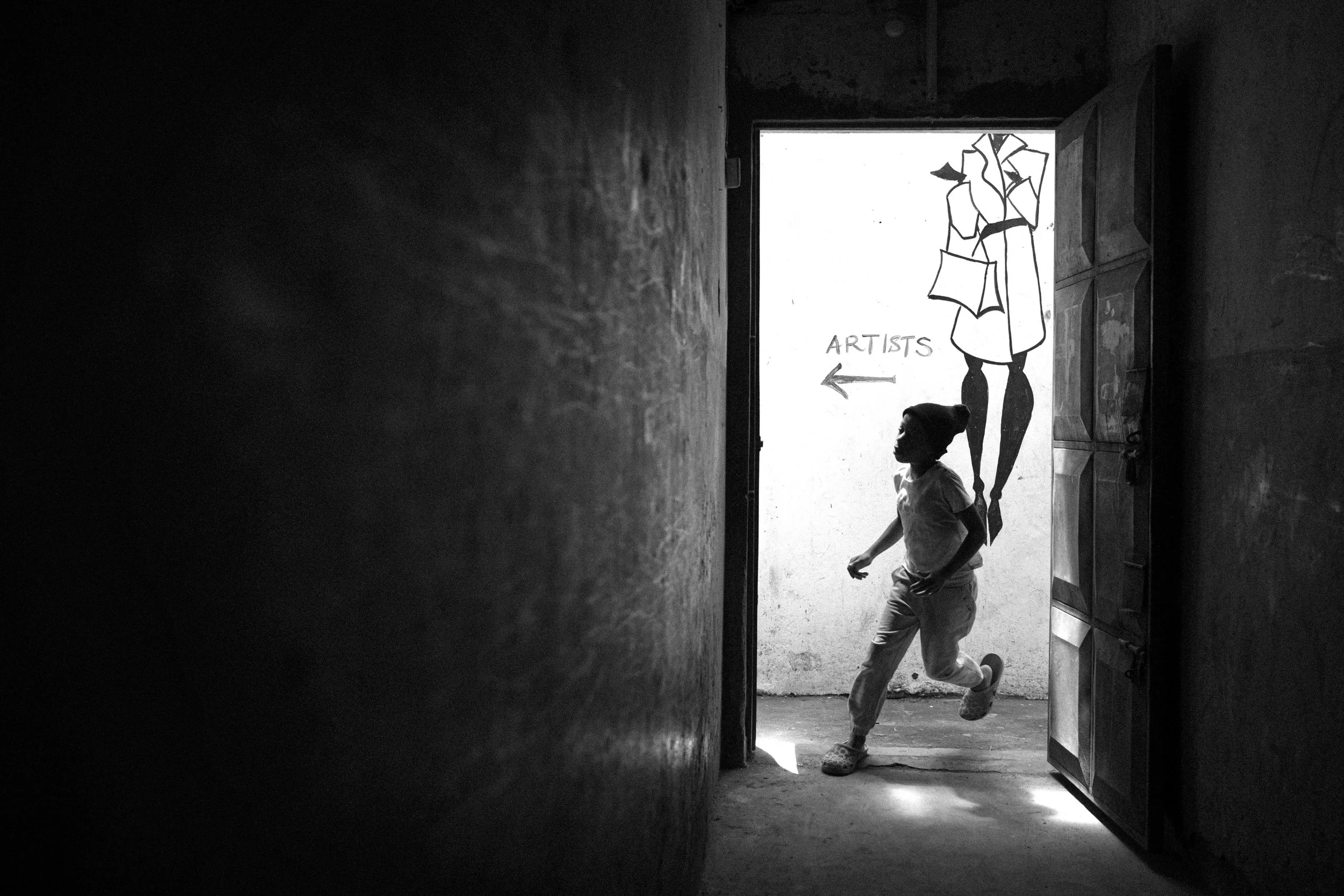
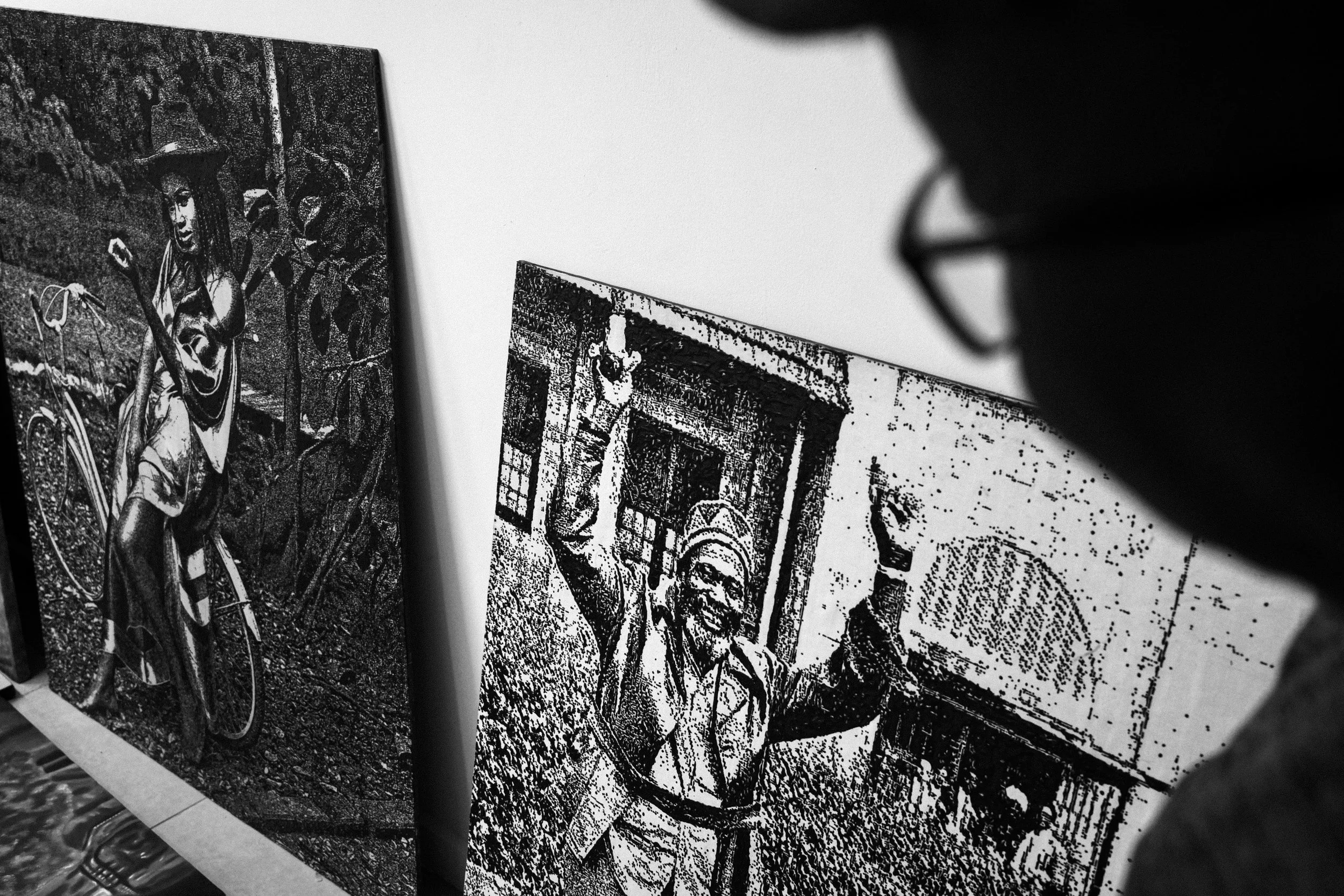
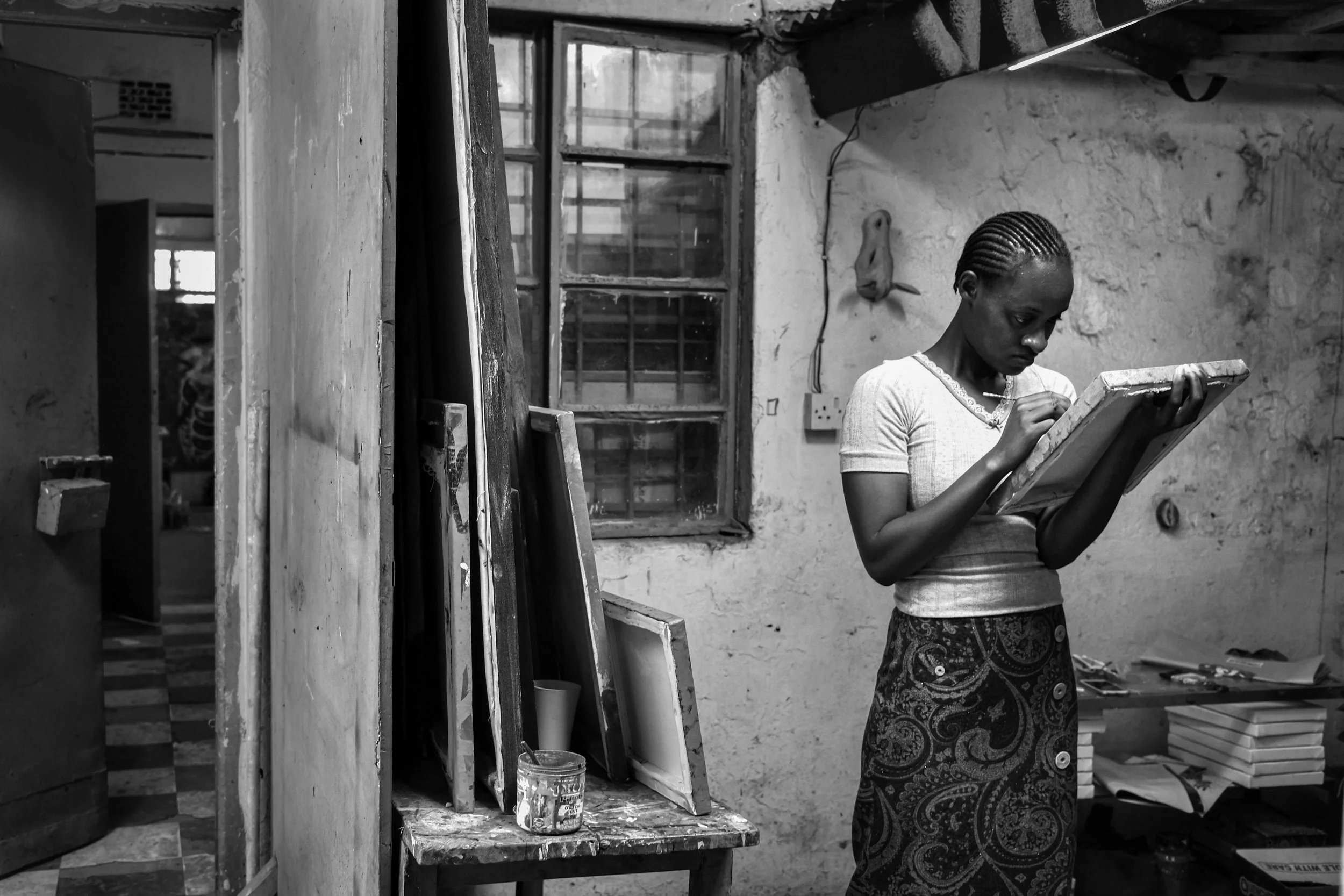
I was invited to share food. I never felt there was someone waiting around the corner to rob me or give me a hard time, which would be my instinct in parts of, say, Philadelphia. There are schools, businesses, churches, and all kinds of programs. It’s an old, dubious trope, the ‘happy poor’, and I won’t say they are that. But people in Kibera, even with very little, have dignity, sturdy seriousness of purpose, and moments of real joy. They are not downcast or pitiable. There is an arts district of sorts, with numerous small galleries. A movement of young photographers born in the slum is determined to tell their own stories.
It was one of the most interesting places I have ever been, experiencing Kibera was one of the great gifts of my time in Nairobi. You can’t walk around on your own, that wouldn’t go well. But with the right guide, as I had - and your own openness, a desire to understand and learn - much is possible. If you never make it there yourself, I offer these photos for your exploration.