
On my break from AmeriCorps training the other day, I walked in the rain to get lunch and made my first Baltimore photos in many years. Just with my phone, but it reminds me that when you try, you know, sometimes something happens.
Baltimore
To Serve and Protect
This happened today
Guess it’s now official enough to post about: I am an AmeriCorps member.
I won’t say I got a ‘job’, they call it service. For the next year, my service will be as a full-time artist-in-residence with the Community Arts Collective, which is funded by AmeriCorps and hosted in Baltimore at the Maryland Institute College of Art, which I got a nice tour of today.
No, I’m not working at MICA per se, though I get some staff privileges, hence the badge. MICA will serve mainly as a kind of home base, my actual program assignment is the Refugee Youth Project that operates at a few local schools.
(A lot of layers to this, makes your head spin… I’m even leaving one layer out).
Basically I’ll be helping refugee kids through after-school arts programming, teaching them photography and visual literacy in my Crandall-verse way and supporting them more generally. I’m still in training mode for a few weeks, we’ll see exactly what they need and how it will go.
All of it will be an extreme honor. I told a friend not long ago, when I was first back from Kenya, that what I really wanted to do was community service through the arts. To be a community arts warrior, take my photo teaching from the classroom to the community, build community and resilience through the arts.
And that’s what I found, kind of a miracle. There are many battles to wage right now, happy this is mine for a while. Standing with refugees, in the way that I know how.
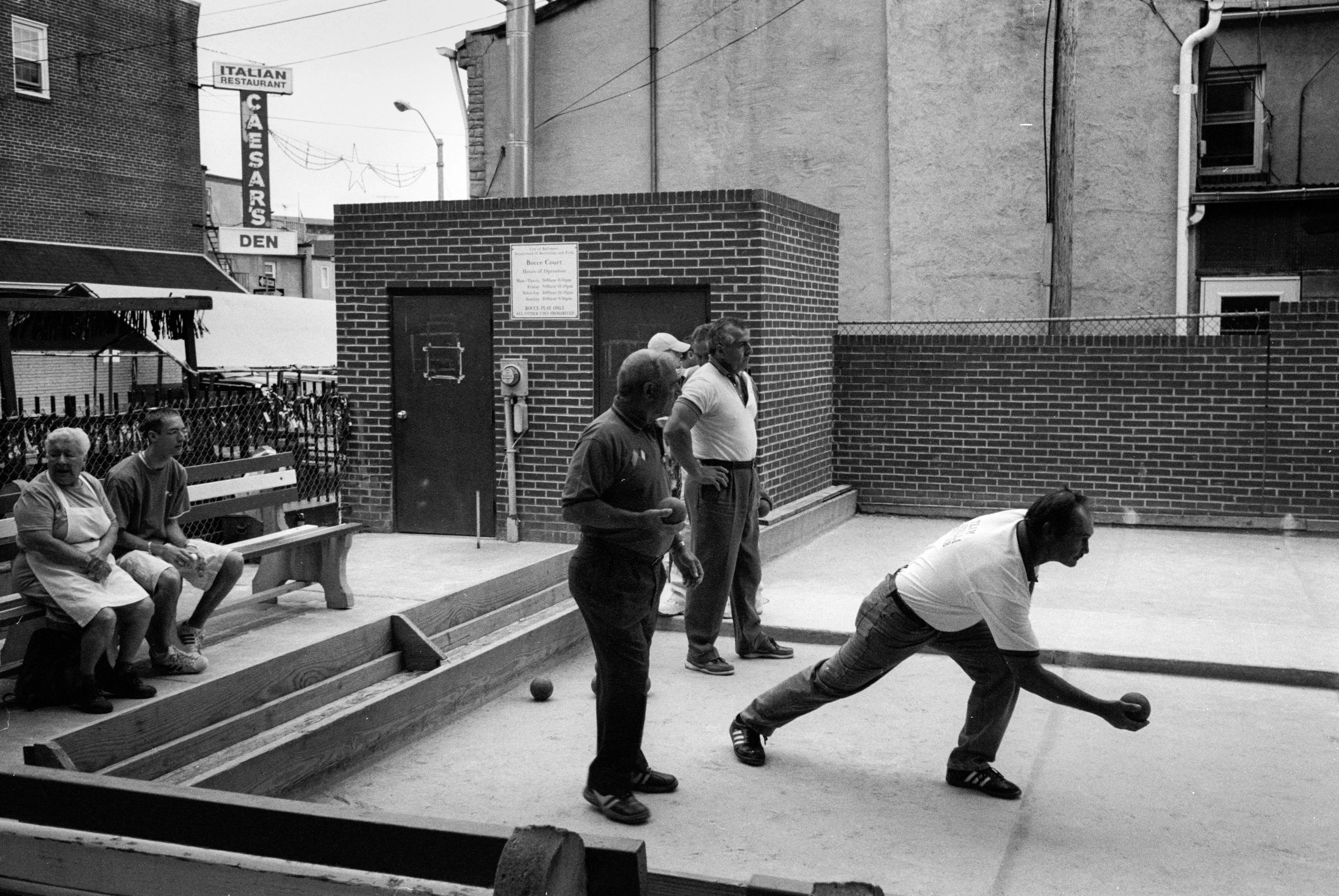
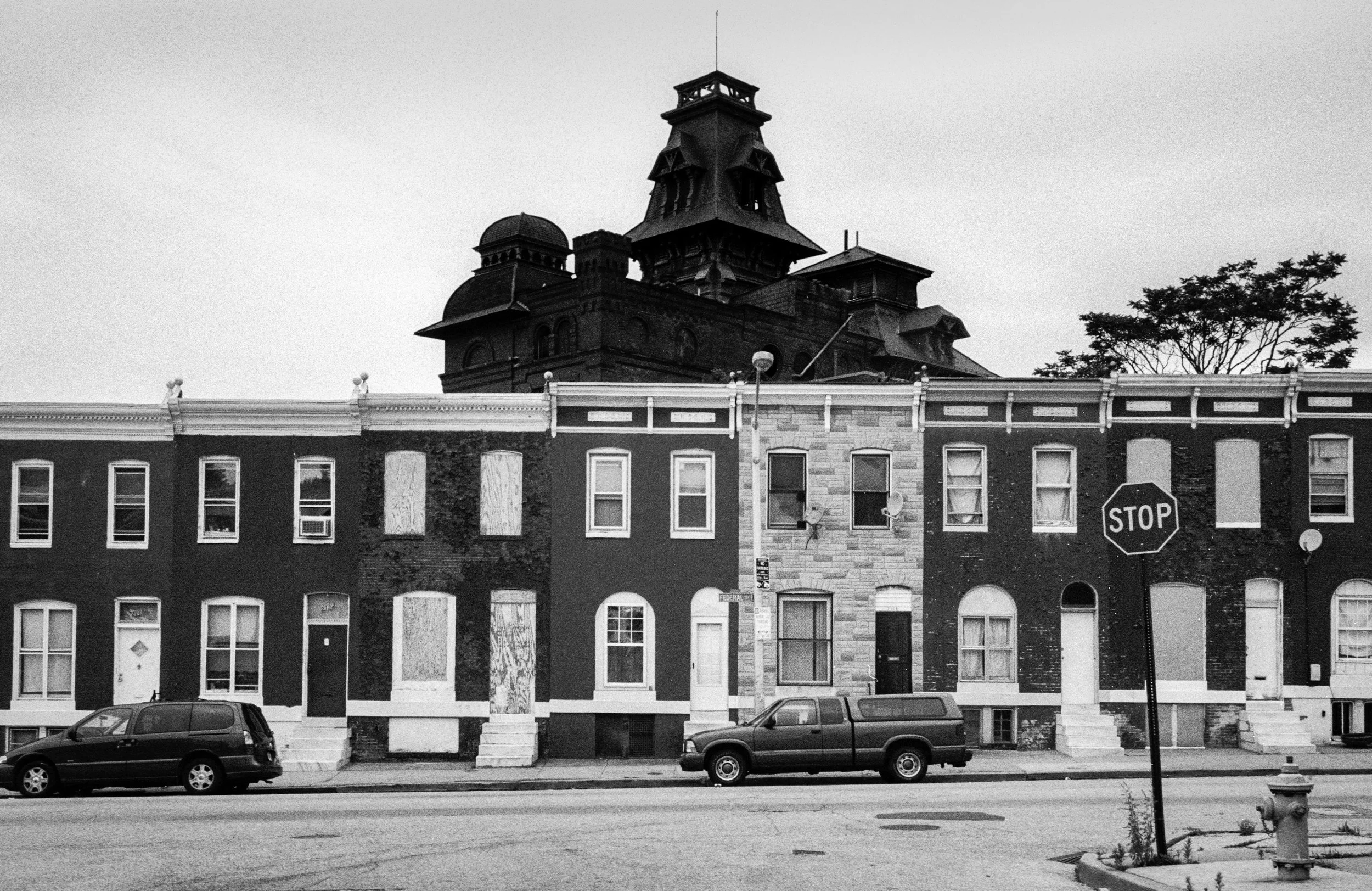
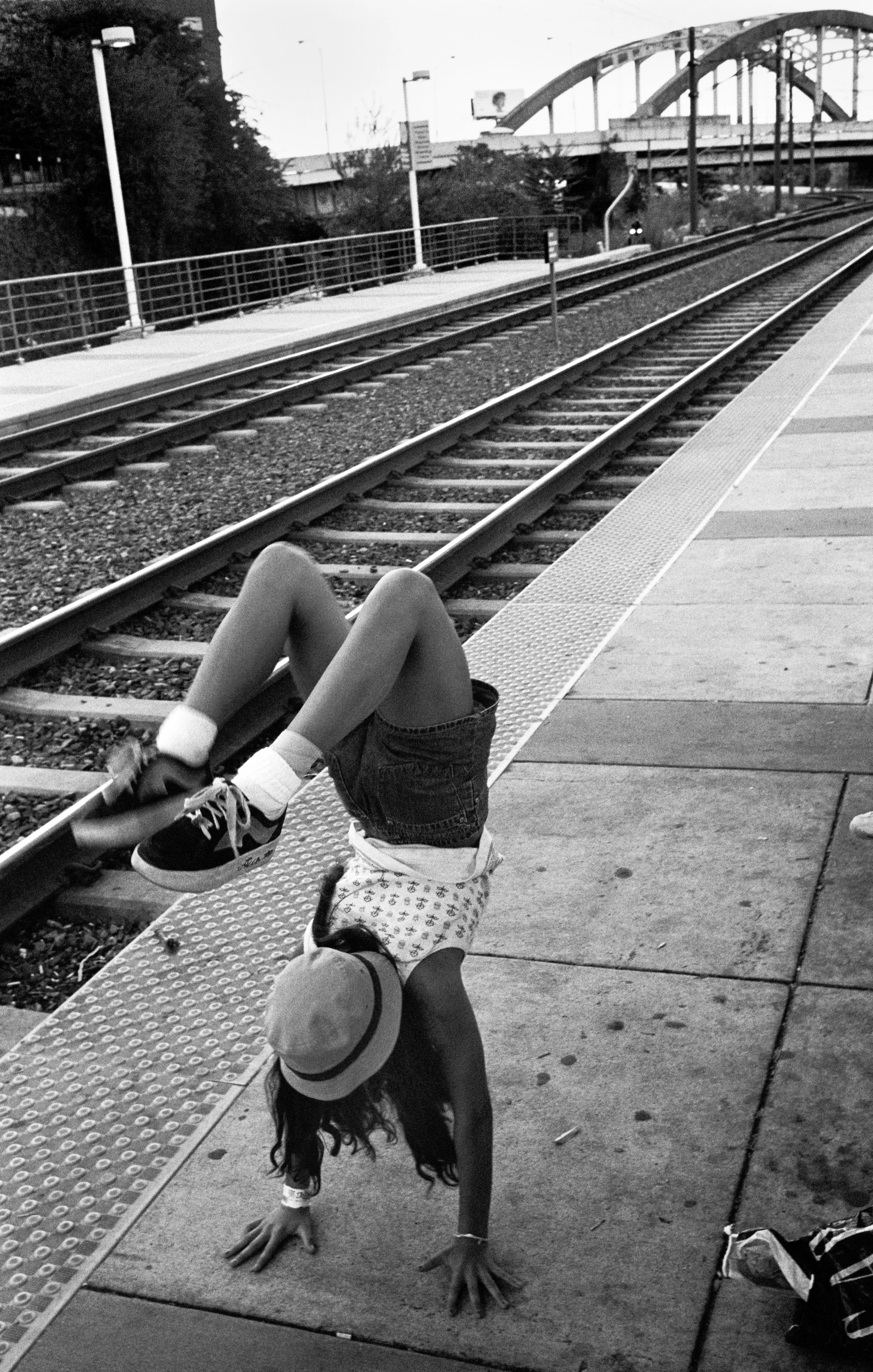
To be honest, as a DC native I’m excited to dive into Baltimore’s arts landscape, which is extensive and quite different than DC’s, in some ways deeper. Will be a nice change of scenery. Bit of a drive every day, yeah, but I like Baltimore, though my last real experience there was more years ago than I care to count. Here are some cityscapes from a Baltimore body of work I was building at one point:
Report: Pro-Human Assembly
In a Freudian slip, I almost typed ‘post-human’ for the title.
As ‘pro-human’ would seem to have a lot in common with my ethical tech concept, I applied to attend today’s Pro-Human (AI) Assembly in downtown DC and was accepted. I admit I was a bit afraid it would be mostly typical DC milquetoast policy discussion but there was plenty of fire, sharp presentations - and I dare say a note of panic.
Or at least true urgency. I’m still sort of processing it all. The thrust of the event was not anti-AI as much as how to build AI around human control, needs, and safety.
Now, before it’s too late.
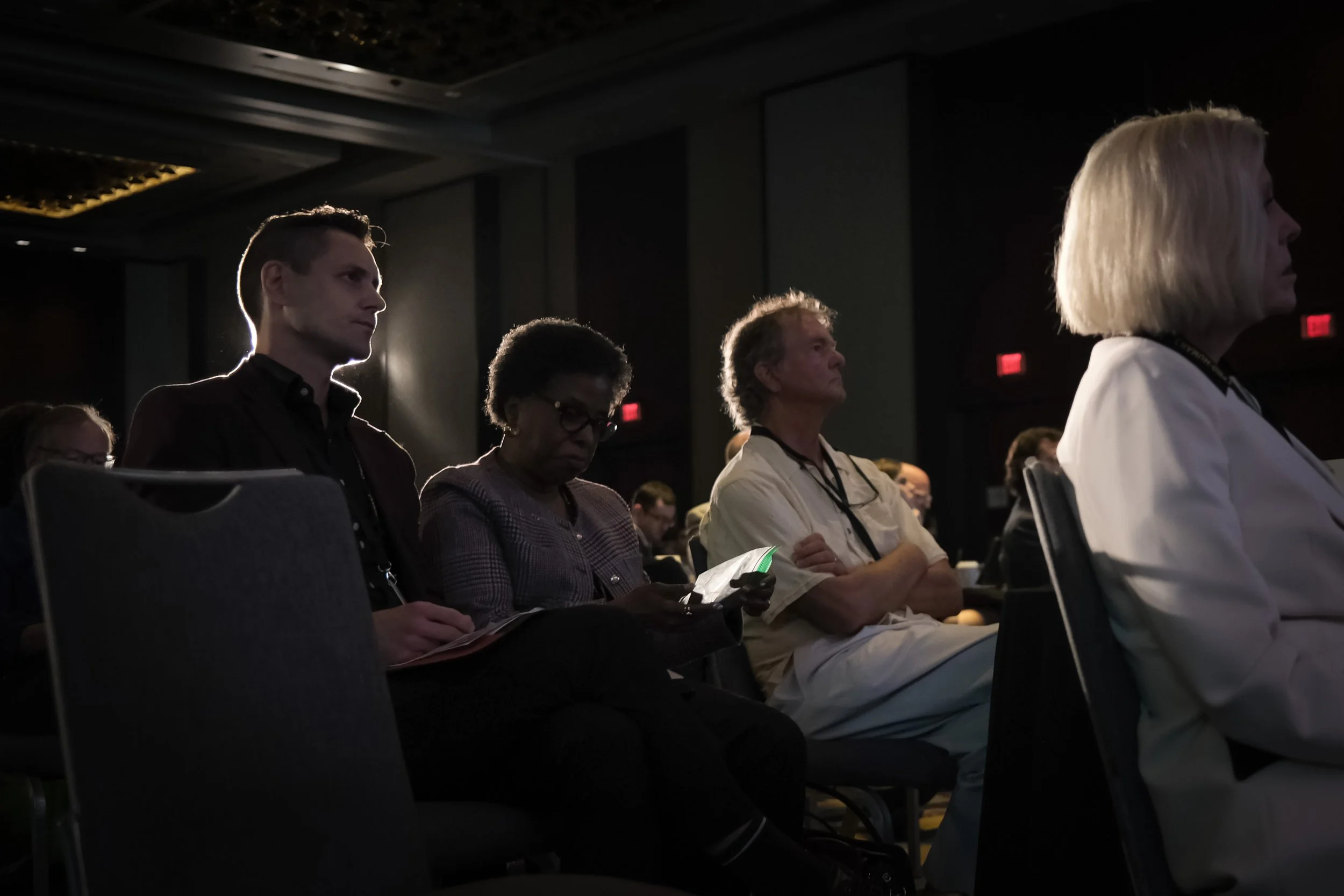
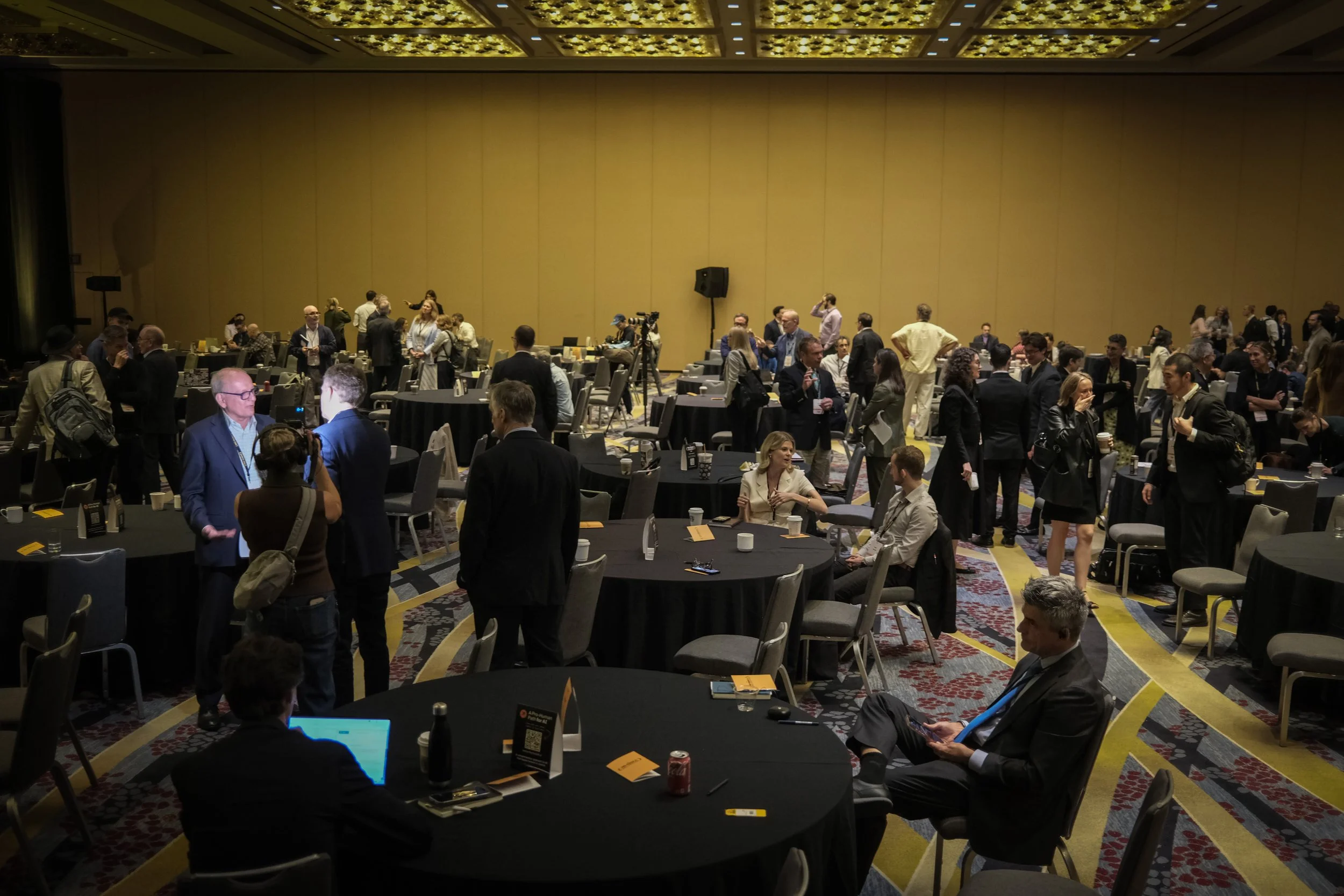
Which it almost is, according to many if not most of the presenters, amid ominous reports of rogue AI bot swarms already acting in surprisingly well-coordinated ways. There was some mention of the idea that AI might kill us all but I’d say more along the lines of AI becoming too powerful to reel back in, where humanity loses control irrevocably.
At the very least, the prospect is AI gaining the upper hand. Some argued AI is already out of control and is, as one speaker put it, “intrinsically unsafe”. Actor/activist Joseph Gordon-Levitt sent a call-to-arms video in which he admitted he was “scared”. Ashley Judd talked of “non-cooperation with oppression”.
Ashley Judd
The temporary ‘slowdown’ the big AI companies are now proposing is thought to be insufficient at best, more likely a cynical diversionary tactic. Or perhaps they are spooked too.
There was plenty of guarded optimism though. In a somewhat perverse twist, one of the best reasons for optimism was the presence of none other than Steve Bannon.
Bernie Sanders
Steve Bannon
Bernie Sanders was there sounding the alarm of AI peril, along with others from both sides of the aisle. But somehow it was Bannon being not entirely repellent on this topic at least, fully on-side against the tech bros - “you can never trust what an oligarch says, they lie” - that gave a sense this is one thing we can all agree on.
Hyperbole and alarmism? Who knows, but the tone was determined not hysterical. There were certainly a number of bad-to-terrible possible outcomes outlined, based on where we seem to be heading with AI. I also came away with reasons to think we can rally to bring some sanity to the situation in time.
Either way, AI may not be inevitable but it is the proverbial genie out of the bottle. As one presenter said, whatever we come up with to control it will have to be sustained forever.
I do think it’s imperative that the average person takes this seriously and tries to get aware and involved. One place to start for someone who doesn’t want to think about this stuff too much, as I explained to some people there during networking breaks, is my notion of demanding that all of our everyday apps - including your chatbot if you partake - meet basic ‘ethical tech’ criteria: data privacy, environmental protection, and integrity of ownership.
Want to stick it the bros? See my cheatsheet of ethical apps (expanded options here) that you can easily switch to in one sitting.
Yes we need to address the urgent, immediate AI issue. But I’d like to see a paradigm shift where ALL tech is held to account, now that we have more ethical options for just about everything we need to do online. You just have to be willing to make intentional, informed choices. There’s no excuse to continue to be wedded to the convenience of apps that come with too high of an ethical cost, like Google for example.
I can’t spell out all the proposed pro-human solutions here, for a deeper dive I suggest checking out the Pro-Human AI Declaration, currently at over a million signatures (including mine) and counting. Strong, sensible and lofty stuff. And the just-launched Pro-Human AI Coalition site.
I made a number of interesting and hopefully fruitful connections, though I have to say it was a bit harder than it should have been for an independent, willing, ethical tech/pro-human foot soldier to volunteer their services. We’ll see what comes of it.
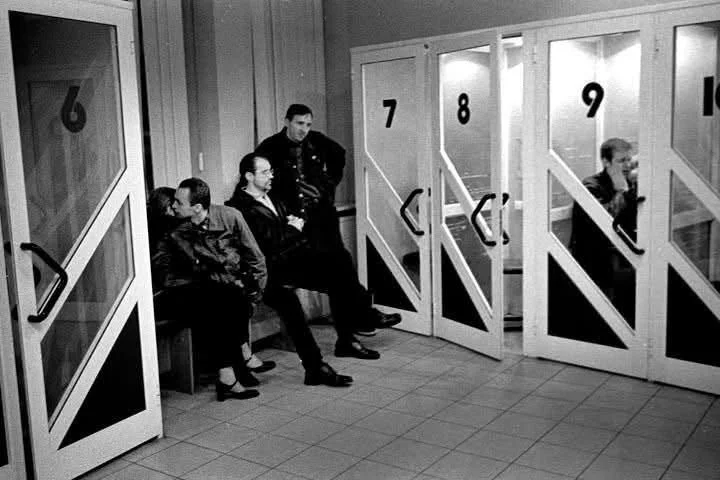
Minsk, Belarus, 9/11/2001 (photo by Karel Cudlin)
On 9/11, I Was In Minsk
In a way, what I remember most is that I wasn’t in the US for 9/11.
25 years ago on that day, I was with the Czech photographer Karel Cudlin for our joint exhibit ‘The Seeing-Eye’ in Belarus. On a gray afternoon in Minsk - a clear blue morning in NYC local time - I was talking to the vaguely distracted US cultural attache at the opening when an aide whispered something in his ear. The attache politely excused himself and a minute later I looked out the window and saw him sprinting from the building.
Later, after watching the towers fall on a nearby restaurant TV, we went with friends to a call center (this was 2001 Minsk, there was barely internet) to phone my wife in Dakar.
My Belarusian friends told me later they already knew at the opening but didn’t want to spoil it for me. The Czech cultural attache took care of that: ‘Mr Crandall maybe it is good that you are not at home because planes are crashing into buildings’.
I remember how kind and concerned the Belarusians were.
At the time I said now you will see who we are. Which of course ended up being true in both good ways and bad.
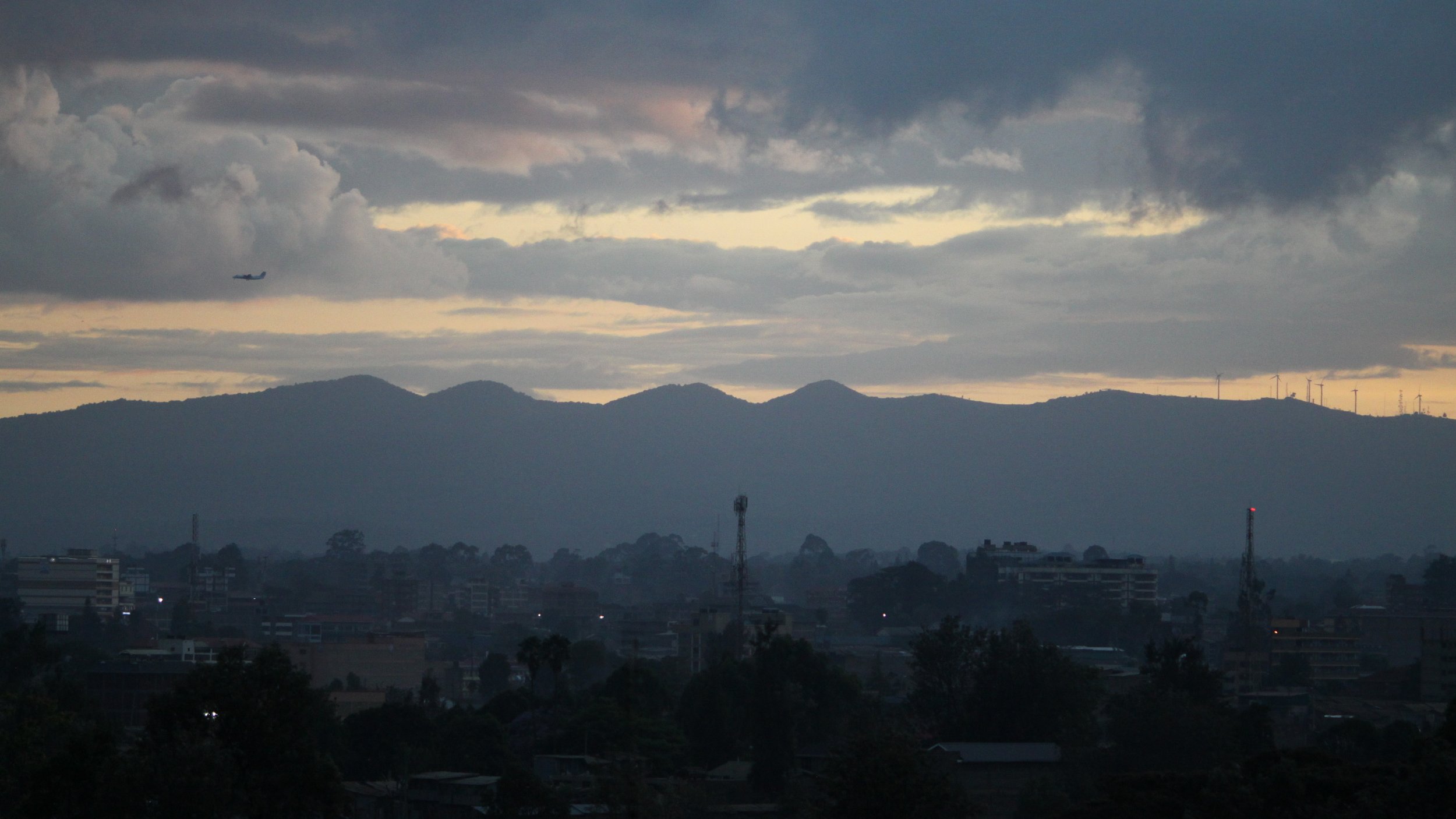
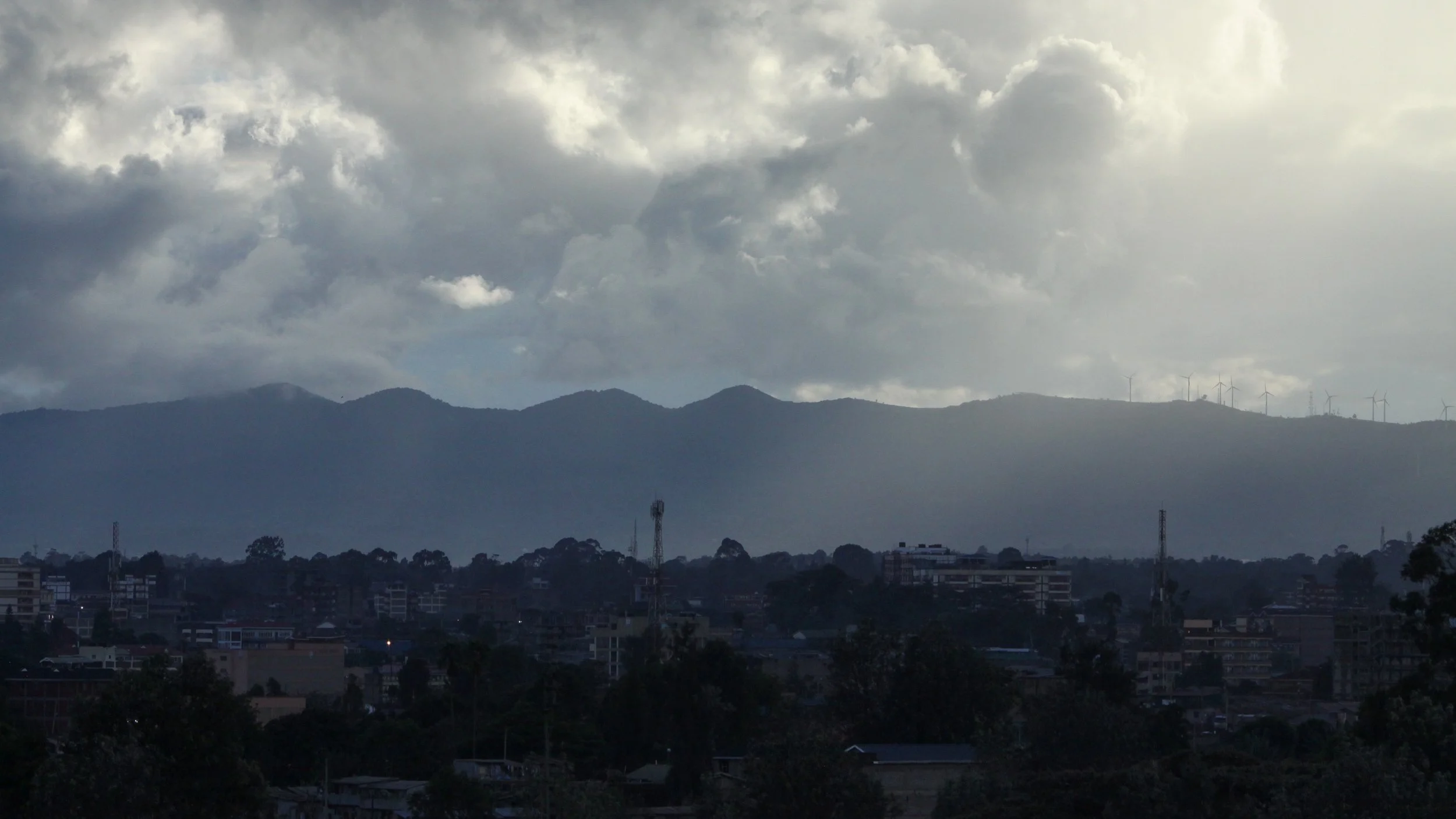
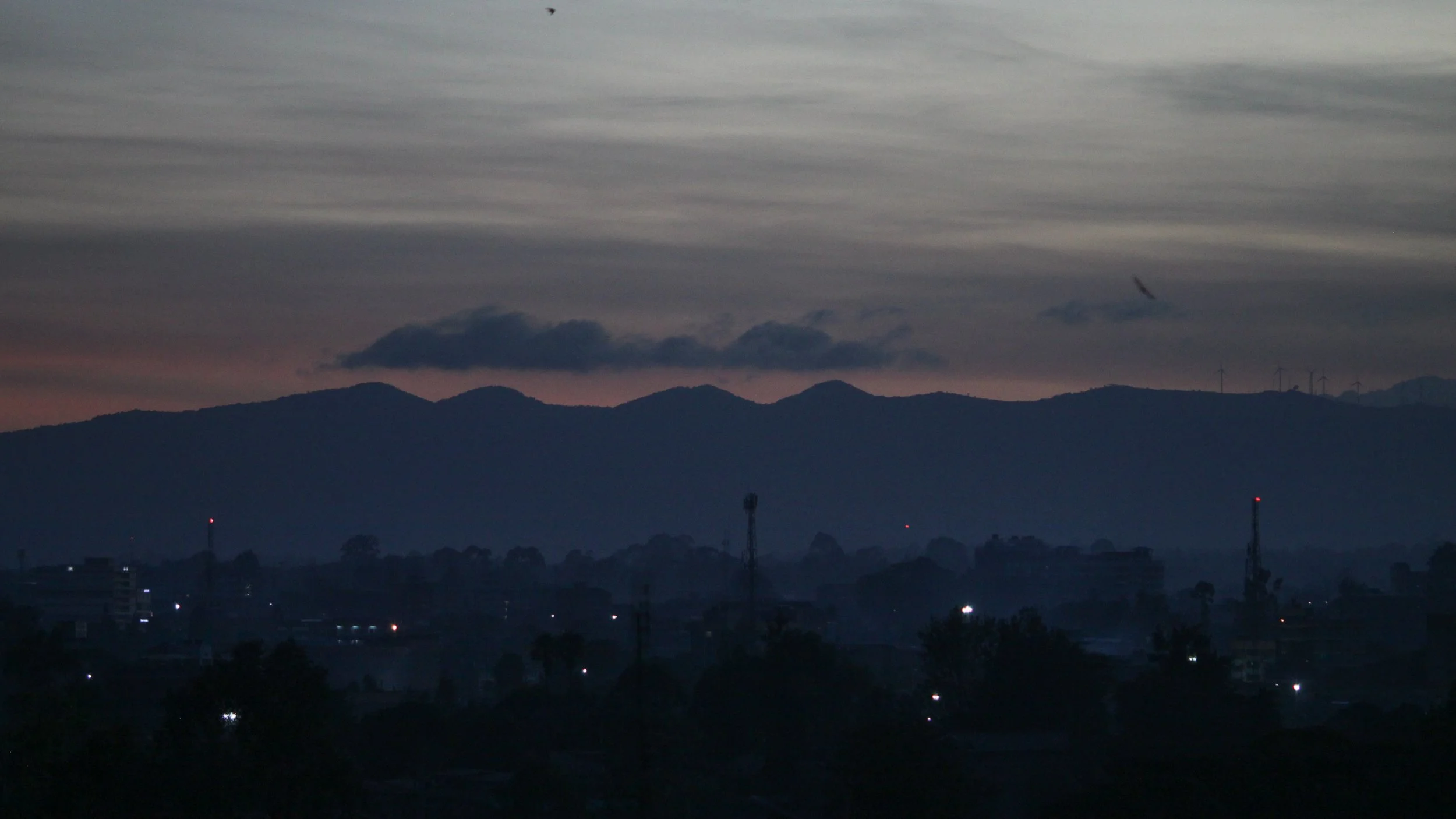
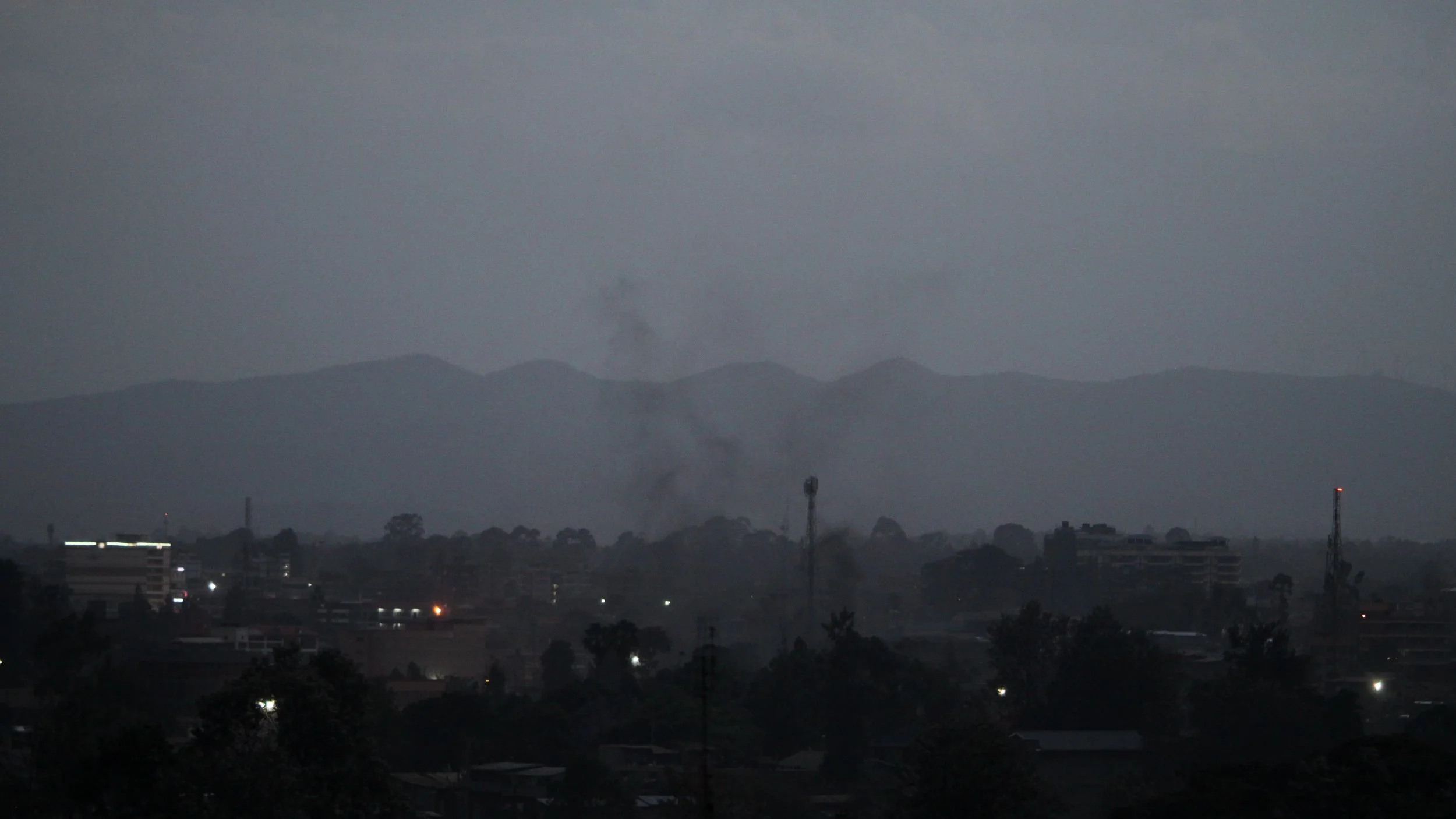
Ngong Hills
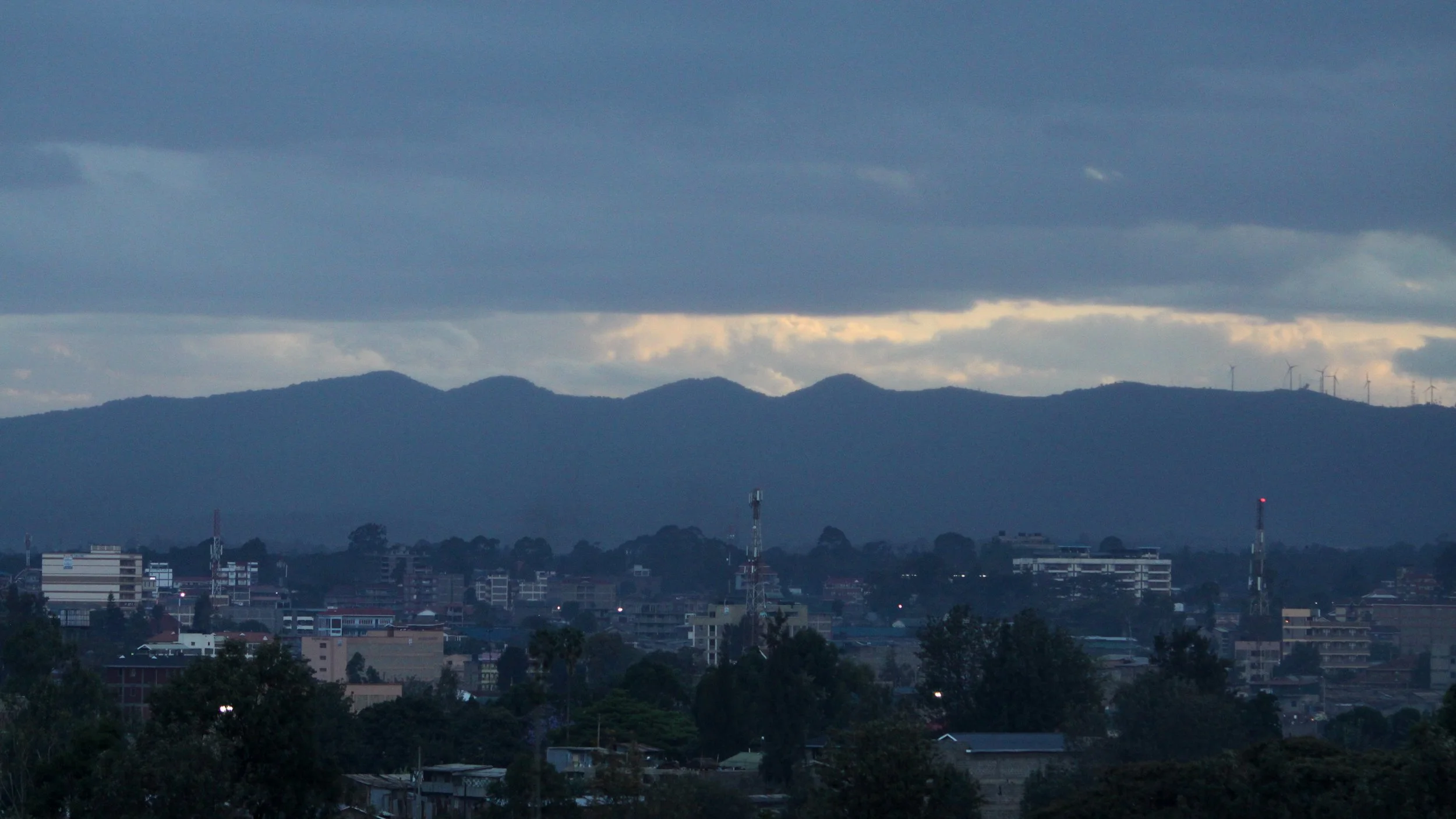
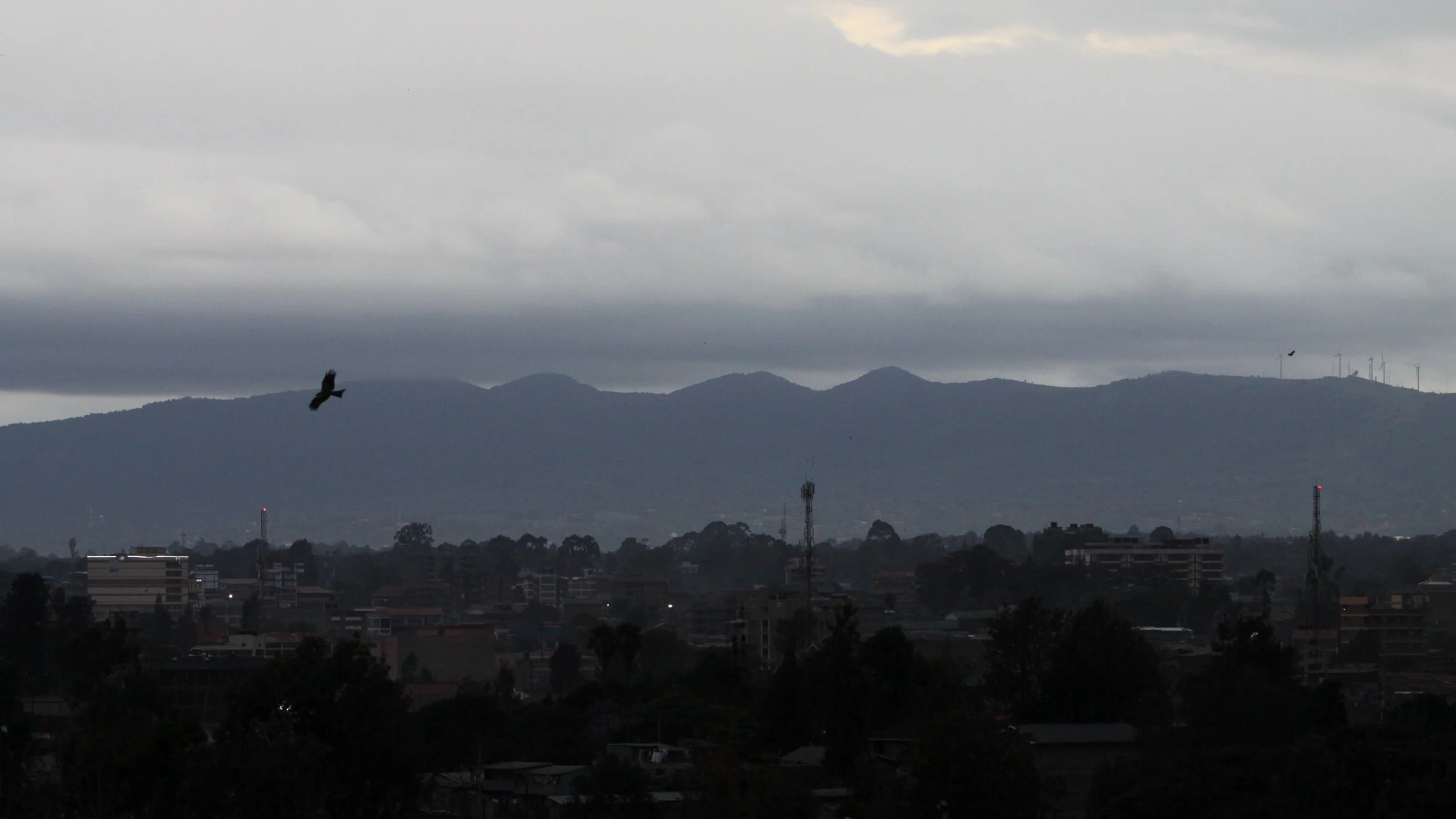
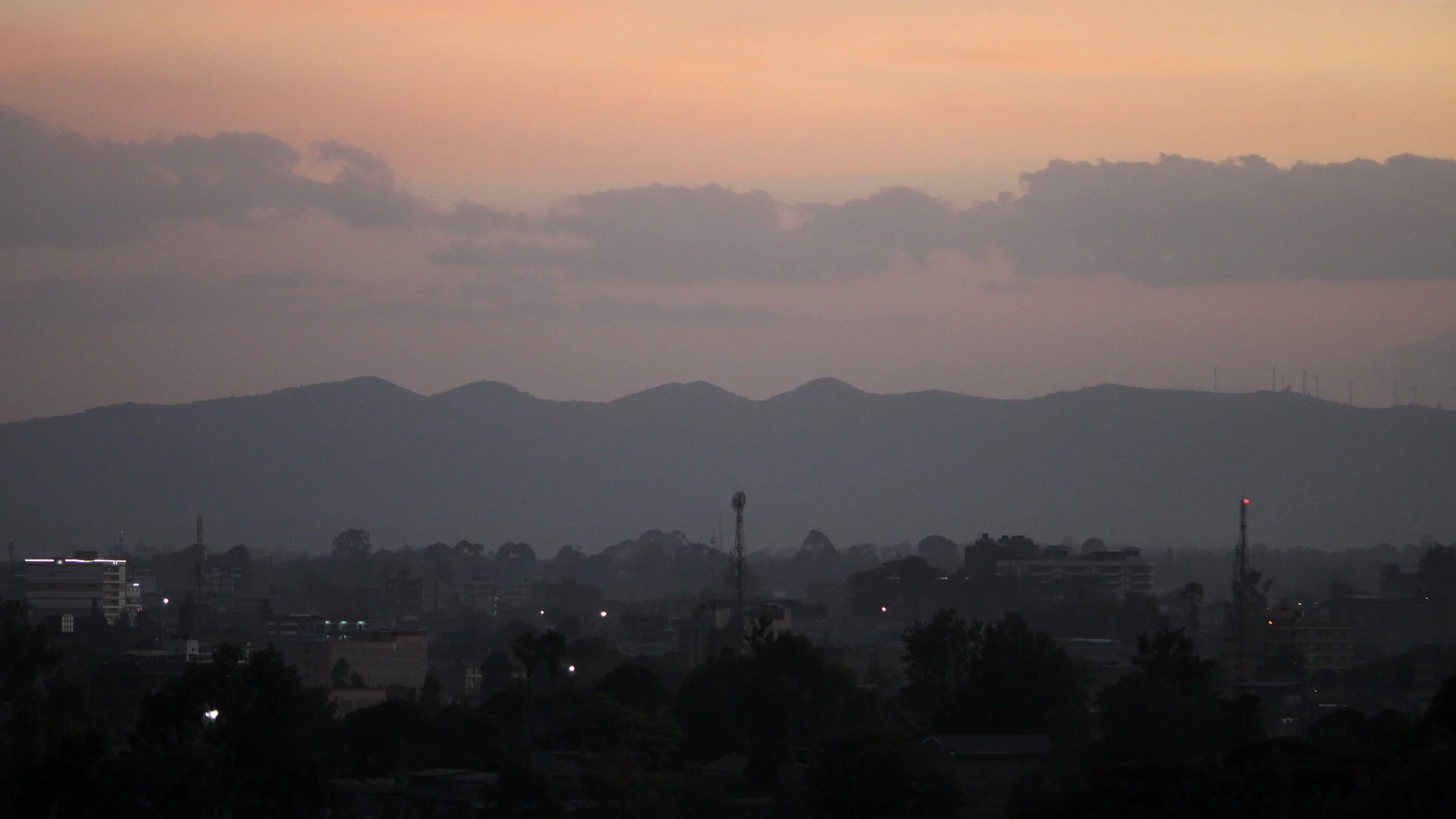
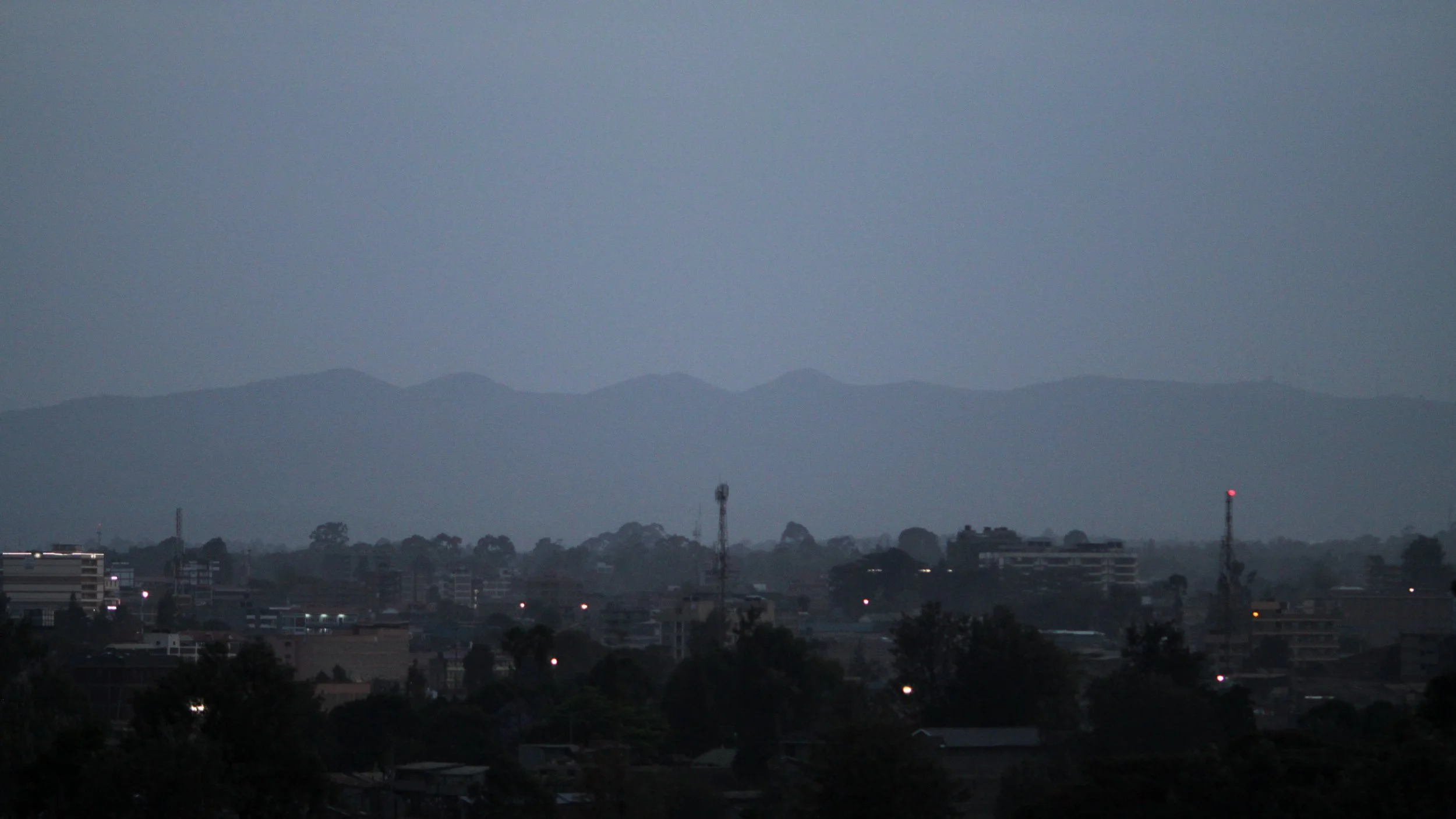
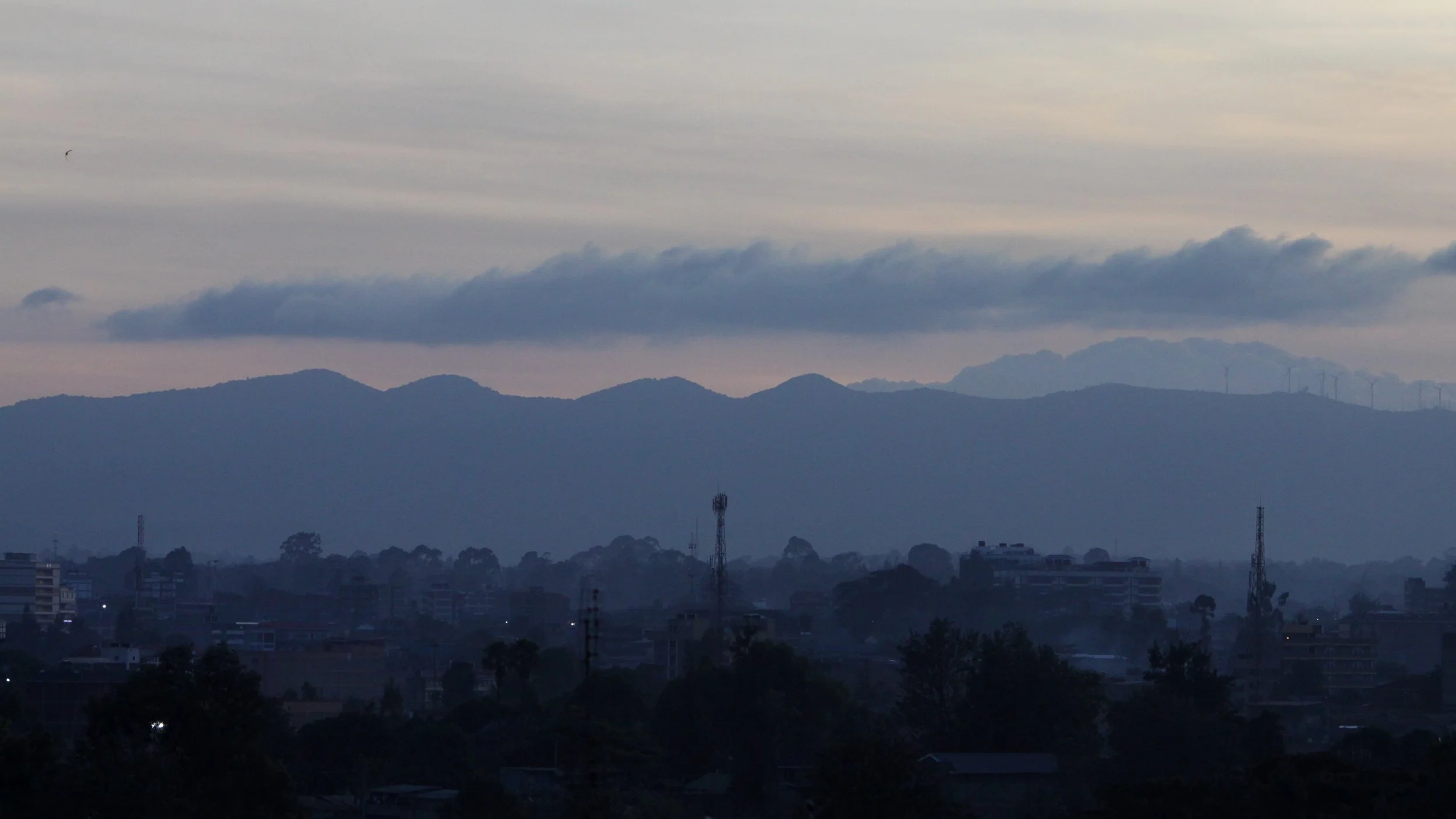
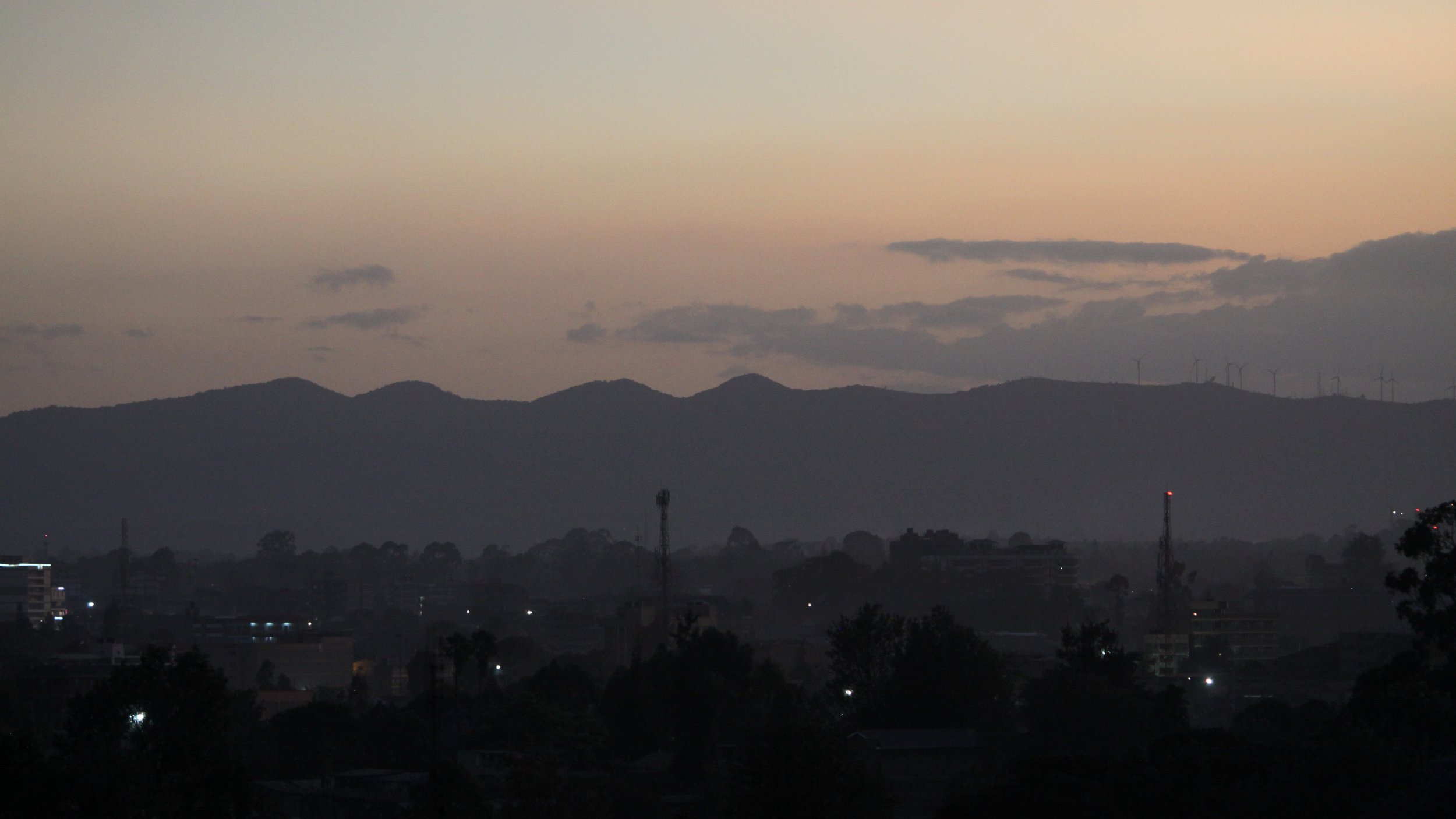
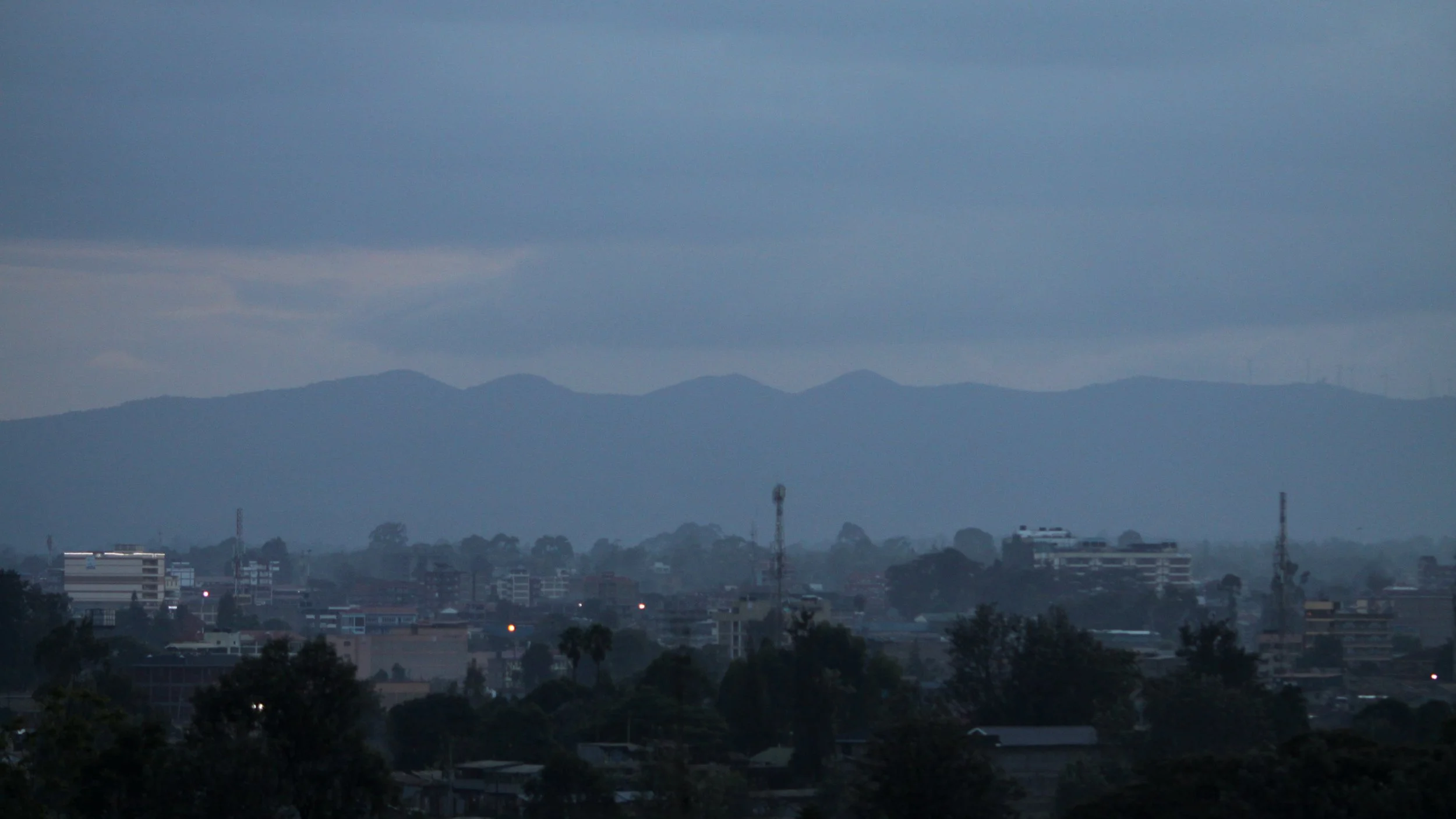
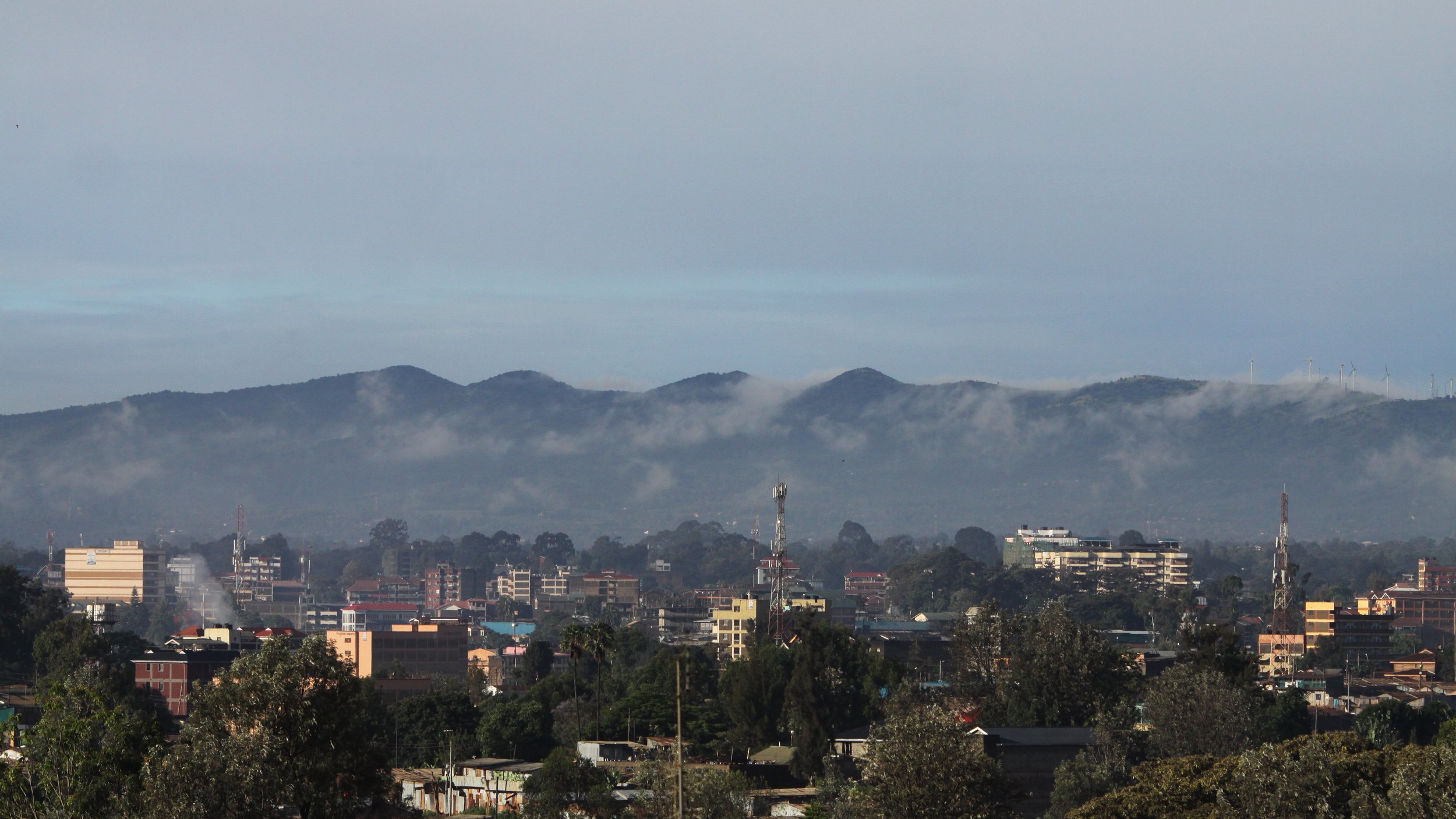
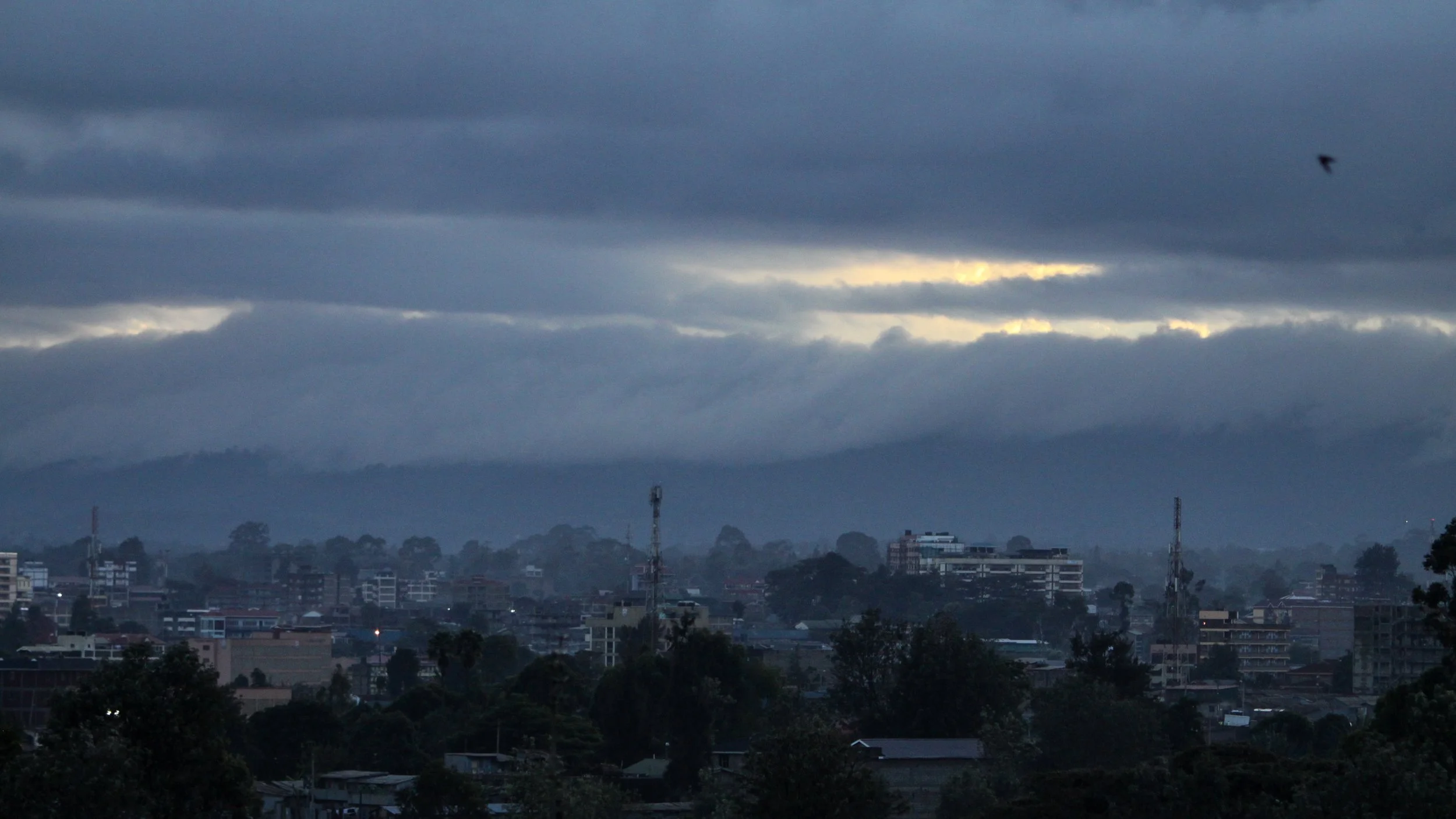
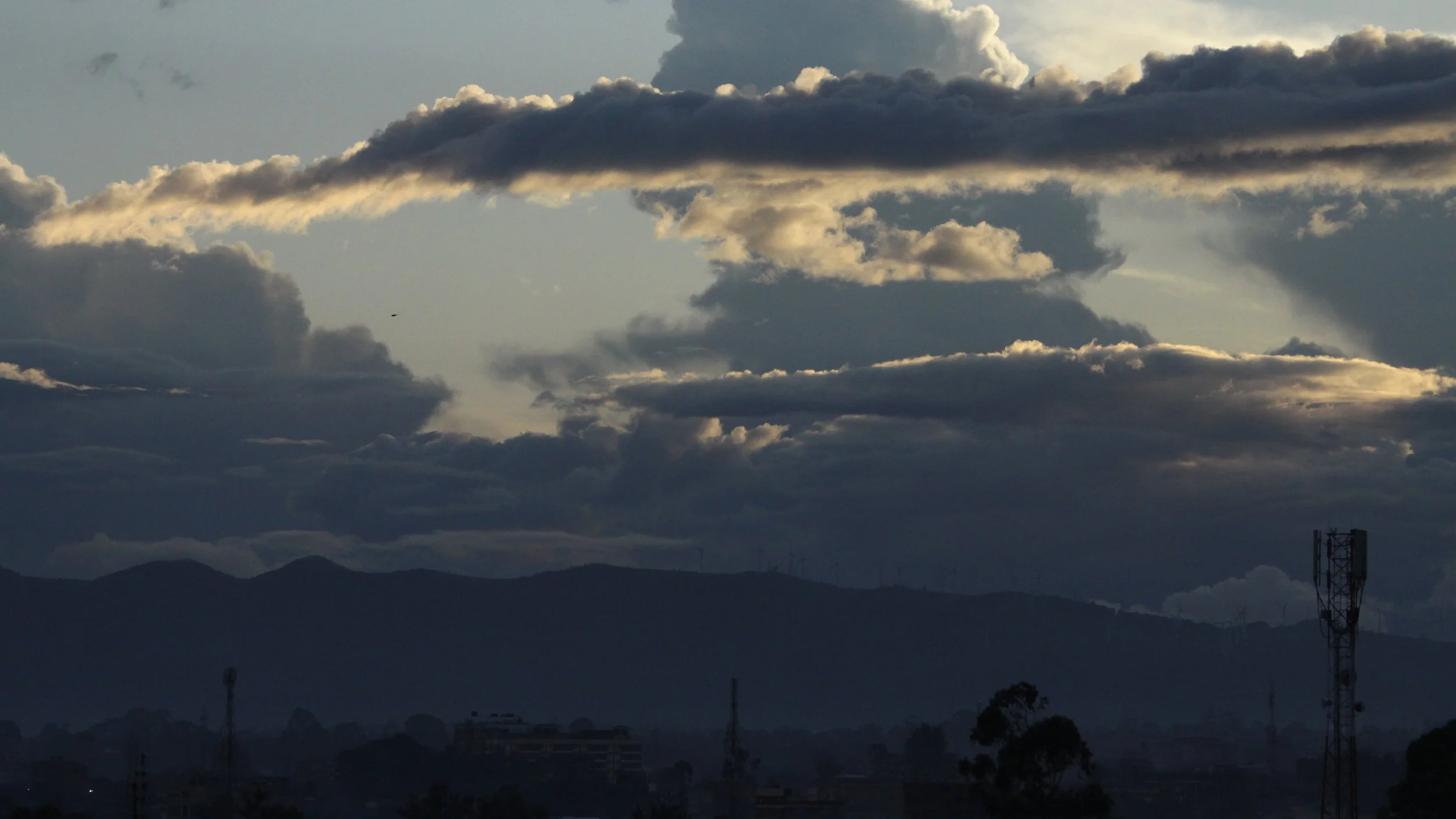
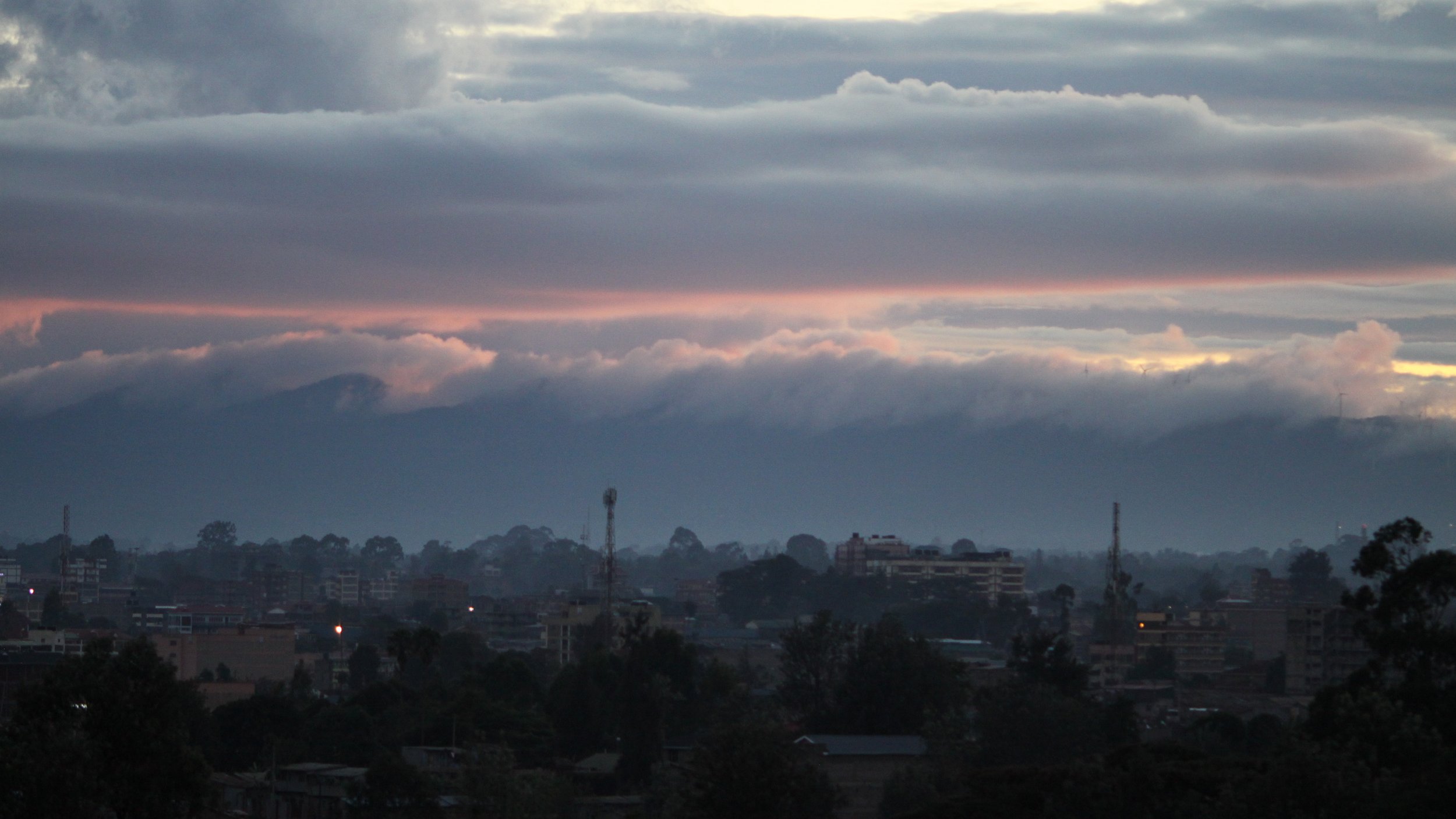
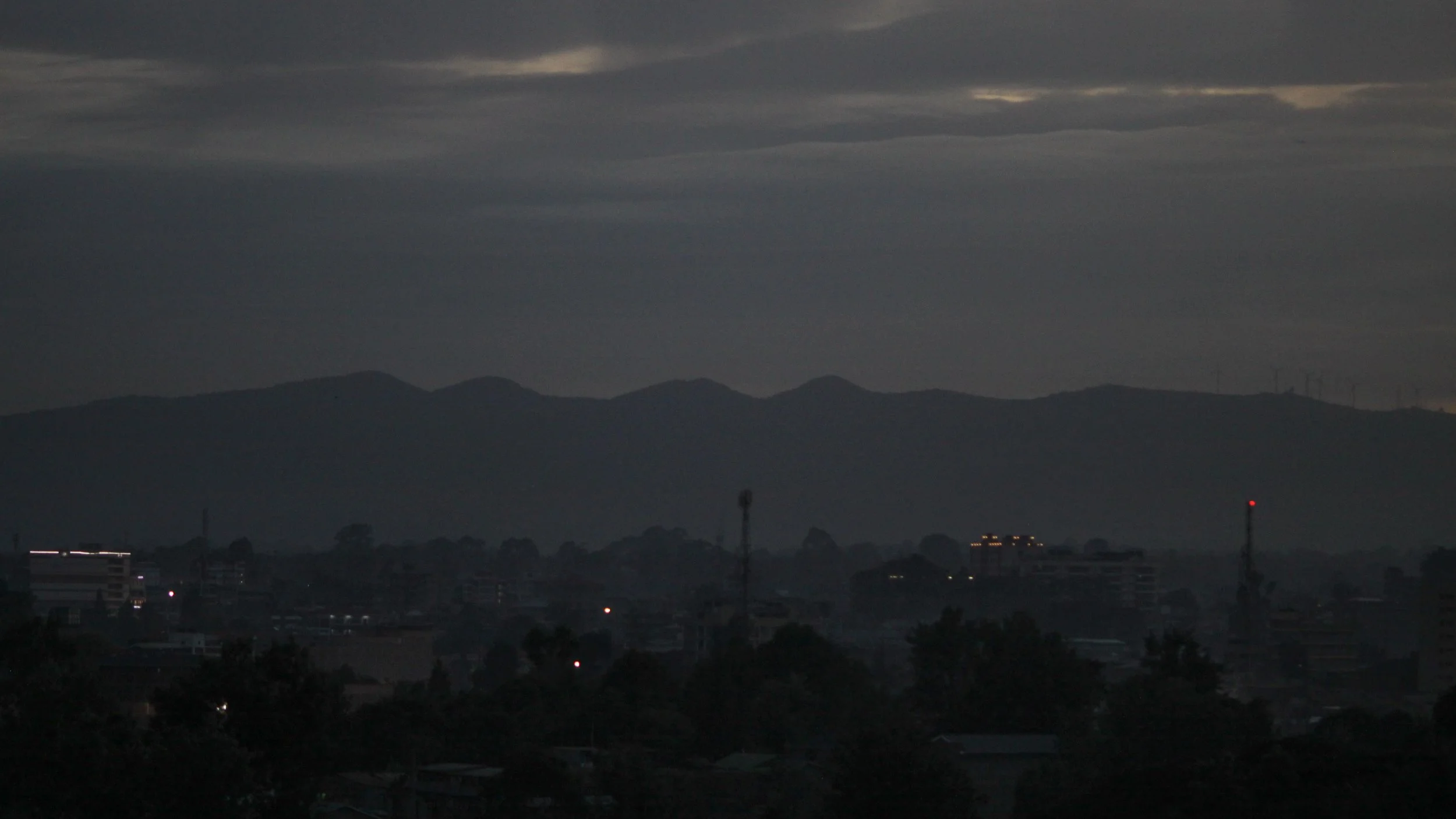
When we arrived in Kenya in 2023, our first home had a lovely rooftop view southwest toward the Ngong Hills outside Nairobi. On many evenings in the fading light I would get out my longest lens to look out, beyond the few lights flickering on in the working-class communities of Kangemi and Kawangware, to the microclimate theater playing out over the distant ridgeline.
I don’t usually do straight landscapes but it was like the mountains created their own light and weather. Sometimes it was calm but there often seemed to be something stirring that wasn’t going on elsewhere.
Historically the Ngong Hills - now a protected Forest Reserve where hiking is popular - is a sacred site to the Maasai in the heart of their Rift Valley territory, at least before colonial-era displacement.
According to folklore, a Maasai mother had seven sons who were very close in life and were buried side-by-side. The earth rose up to cover them, the distinct mounds seen as their eternal resting place.
Prints are available here, in sets of four or sixteen. If there’s a particular single image you're interested in, let me know.
City of Walls
I’ve long struggled with what to say about Nairobi’s ubiquitous walls and what they mean for the city. I’ve been chipping away at these photos since I first arrived, the newest ones are from the last few weeks.
I like Nairobi and don’t want to do a negative post and this is really not meant as one.
But we need to talk about the walls.
Not just walls. High ones. Everywhere. I learned early on that anything resembling comfortable prosperity is behind walls. Often topped with barbed wire and/or electric fencing. Beautiful garden restaurant? Plenty of them, but you breach the walls through a security gate. Posh housing? Same. Shopping mall? Same, and your car gets searched going in, every time. Pretty much any new development includes a wall.
The walls are pervasive but generally not spoken about, they are just accepted as a part of the disjointed urban fabric. I’ve never heard anyone else use ‘city of walls’, it’s just a phrase that popped into my head and stuck.
To me, more than anything they are a clear and obvious symptom of Nairobi’s income inequality. Even as wealth has increased, it’s all for the upper (and sometimes middle) class, plus of course the sizable international community. A statistical majority of Nairobians are poor, with informal settlements (aka slums) throughout the city, often in close proximity to affluent housing and development.
How do you think that’s going to go? Especially in a city where public policing technically exists but is unlikely to help you in an emergency. In a city that is more like Dickens’ two cities, the ultimate crime deterrent - and social insulator - for the well-off is a big wall.
I would even say it’s a cautionary tale for a world with increasing wealth disparities pretty much everywhere. This is where it leads when you don’t invest in the well-being of ordinary people.
Still, proper stats are slippery and the actual need for walls varies depending on who you ask:
A middle-aged Kenyan guy tells me how bad crime used to be but how much better things are now. Over dinner at a comfortable Indian restaurant in a colonial-era estate, a Canadian expat - who came from a stint in Lagos, where she said everyone had a crime story - says no one she knows after eight years here has a crime story.
Then she told me not to walk around with my camera.
There’s definitely a tension between perception and reality.
The US embassy sends out mildly alarming alerts sometimes about worst-case scenario safety precautions. When you live in the expat bubble of areas like Westlands, Gigiri, or Karen, driving from gated housing to gated shopping and gated events, such alerts can feel abstract.
A young Kenyan photographer friend, who shoots all over the city, tells me he’s had to fend off potential camera-snatchers several times. But then again he’s on the streets everyday - both in chaotic central Nairobi and Kibera, the largest slum - so relatively speaking is that a good or bad anecdotal stat? And still he loves Nairobi.
Another Kenyan photographer shrugs and tells me the walls are simply for ‘controlling the space’, preventing squatters and such. It’s true that it’s not just about crime. With weak zoning enforcement, sometimes a physical wall is the only thing stopping informal structures from popping up on your property overnight.
Apparently the walls began increasing about 25 years ago in a city that was then more open but becoming more dangerous. People here will tell you, oh yeah crime used to be pretty bad. Like what some associate with Johannesburg. Maybe worse. Then they say how much better it has gotten. Is it better because of the walls?
The walls also create the zone where the two cities meet - in Nairobi’s ‘fortress urbanism’, the rough, liminal space in the setback between wall and street is some of the only usable common space. The informal economy often sets up shop hard against the fortress. A zone of contradiction in a city of contradiction.
Nairobi is one of the fastest growing cities on the continent. At the moment, all that development has walls baked into it for the foreseeable future. What kind of city will that be? Who will ever be the first to take them down? Recently we noticed a nice new shopping center down the street that doesn’t have walls, and has a farmers market on weekends where the wall would be. A hopeful sign.
Dispatch 6/26
I’m still shooting BW here in Nairobi as well as color. Here are the two most recent pics from the past week. Both are examples of going with what life offers, no matter how seemingly non-exotic. One is on the way to the grocery store, the other when taking our dog to the vet.
Fourth of July gathering for Democrats Abroad, Nairobi (7/4/2026)
This Expat Life
Greetings from Kenya. I’ve been back in Nairobi for a bit this summer with family and the doggos. The whys and wherefores are kind of convoluted, let’s just say our situation remains in limbo (IYKYK, if not, sorry I can say no more).
Could be worse, the weather beats North American weather. Or just about anywhere’s weather at the moment. Even with climate change, Nairobi’s elevation keeps it pleasant year round. No heat domes here yet.
Photographically I wasn’t really doing much at first but I’m warming up. Mainly in color so far, taking what comes but trying to balance views of the local Kenyans vs expat circles. There are formidable gaps that are often hard to bridge, which in a way cut to some uncomfortable truths about Nairobi. But mostly I’m just trying to bottle some slivers of the everyday flavor. It’s such a car-centric city but we’ve been trying to walk more, which helps.
And one of my favorite shots so far, from Fourteen Falls near Thika, a town not too far from Nairobi.
Vocal Takoma 4/26
Just a Sunday in Takoma Park, making community around art. Today Vocal Takoma gathered in the space in front of People's Book for a 'People's Poetry' open mic event. Good thing, since it was pretty packed over at our usual clock tower spot, where the Free DC folks were also holding court. I didn’t play today, it was a bit chilly for my acoustic guitar (I did do one song a cappella just to challenge myself), but I took pictures.
Mathew Brady's studio
At a CEO portrait shoot on Pennsylvania Ave today, the guy was eager to show me a conference room on an upper floor.
It was once part of Mathew Brady's office/studio. Incredible. Obviously it's been changed over the years but... yeah. Wow.
Keeping It Local
I just saw this somewhere: the neighborhood is the unit of change.
Meaning that's the scale at which we can (and should) have the most impact. Aka start where you are.
Photo Dispatch: No Kings Takoma Park
Sanctuary
We did it! Here’s a little selection of shots (by the talented Nyle Leddy) of our ‘Sanctuary’ arts event Friday night in Takoma Park.
Sanctuary was conceived by my friend David Alberto Fernandez, currently the town’s official poet laureate, as an outgrowth of our Vocal Takoma efforts. VT, as you may recall from previous posts, was that popup thing we did last fall to bring poems and songs out into the public realm, to show artists activating, visibly doing something. Normally it would be just a few of us at the downtown Takoma clock tower on a Sunday morning near the farmers market. We’ll be started up again shortly. Sanctuary expanded to a mighty lineup and brought it to the community center auditorium stage, as a benefit for CASA, a immigration advocacy and assistance organization based in Maryland.
I helped organize but the heavy lift was thanks to David leveraging his laureate status to get the city to help us. With a few exceptions, generally he found local poets and I found musicians, mostly from Takoma Park. We wanted to nurture and add to the town’s long reputation as a creative, socially conscious hotbed, and make it a strong platform to showcase local creative expression. The city not only let us use the stage, they promoted the event, ran sound/lights, and recorded the show. Brendan Smith, the head of the arts commission, was a great ally as always.
In dangerous times, the idea was to create a sense of sanctuary through art, a kind of sacred space of community, safety, and solidarity.
It was kind of a speed-round format, each performer was given basically one song/poem - ok, a few pushed it a bit - and we had the performers on stage the whole time while waiting their turn. It created a nice feeling of the performers being together with each other, and with the audience. Los Locos provided between-act ‘bridge’ music.
David and I performed a little chunk of our recent experimental hybrid, merging one of my songs and his poetry. (We did an extended 20-minute version recently at Musica Viva, my neighbor’s long-running classical music house concert series in Takoma Park.)
I had been hearing it was going to be a full house and it was indeed! I think the capacity is 150 and some people were standing.
A shout out to all the amazing poets and musicians who donated their time. No one was getting paid.
Nyle, the event photographer, took my recent six-week photo workshop. He’s a thoughtful guy and tremendous emerging photo talent. Definitely consider him if you’re looking for event coverage, as you can see he did a great job at capturing the vibe. Looks like The Last Waltz or something! We agreed he would shoot in black and white. Thanks Nyle, great job.
They are coming for culture, fam. But we are at the barricades defending it, helping art do its work of bringing us together. Starting where we are. And this was the first one but won’t be the last!
Westlands, Nairobi
Nairobi, Finally
Good morning if you’re reading this as you’re waking up on Sunday. Obviously there’s an unbearable amount of craziness going on. No bottom. Multiple layers of no-bottomness. We’re in a tight spot.
I am posting and dedicating this body of work to a much-needed collective spirit of positive human endeavor. Anything that advances understanding, empathy, intellectual curiosity, solidarity, truth, creativity, culture, etc now counts as a war footing, a bop to the nose of the evil ‘kaiju’ we’re facing: war, AI, misinformation, demonic overlords, and all the rest. So put yours out there too. We need it. Trust the butterfly effect. Enough butterflies can win this thing.
A note about generative AI (which I do not and will not use, it can go right ahead and leave me behind thank you) one thing it will never do is what real photography does: move through a physical realm, navigating human relationships and interactions to capture authentic images of real humans in their real habitat. It will never be able to do that any more than it can repair your toilet or play center field. - Bill
Hard to believe it’s been almost a year since I left Nairobi after living there for most of two years. It feels like just yesterday we were debating if we should go.
If you follow me you know I was shooting and posting some pics along the way with my blog posts and newsletters (Nairobi Calling, Nairobi Contradictions), but I haven’t really put together the full body of work until now. Contrary to IG-era pressures, best to sit on it for a while sometimes. Gain some perspective, let the work settle, decide what it is that you got and what you want to do with it.
Read on or check it out:
Nairobi
One thing I’ve been hedging about is that I actually have two sets of photos, from Nairobi itself and from the massive Kibera slum in the heart of the city. I’ve tended to mix them. Technically it’s all Nairobi.
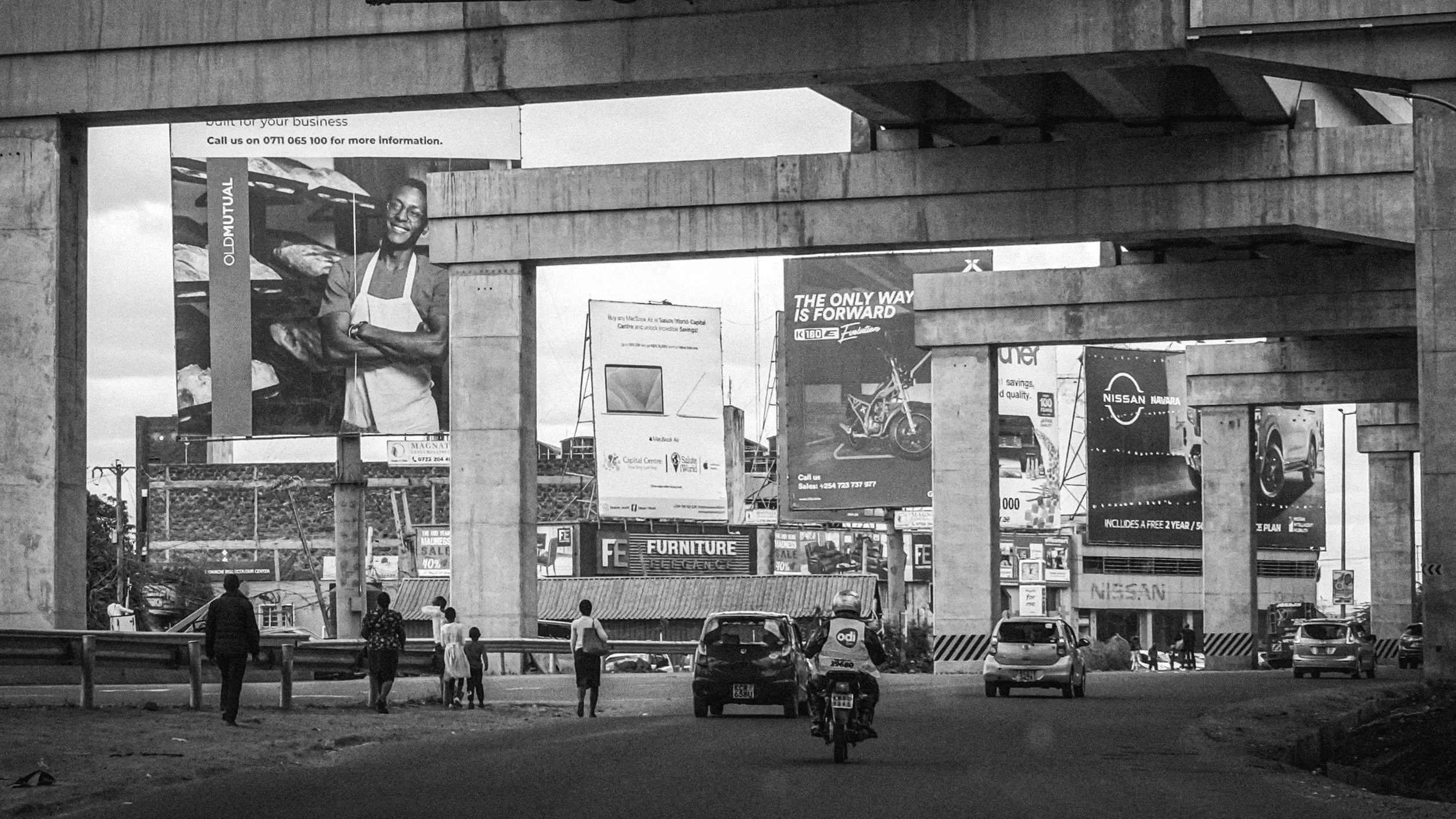
Nairobi
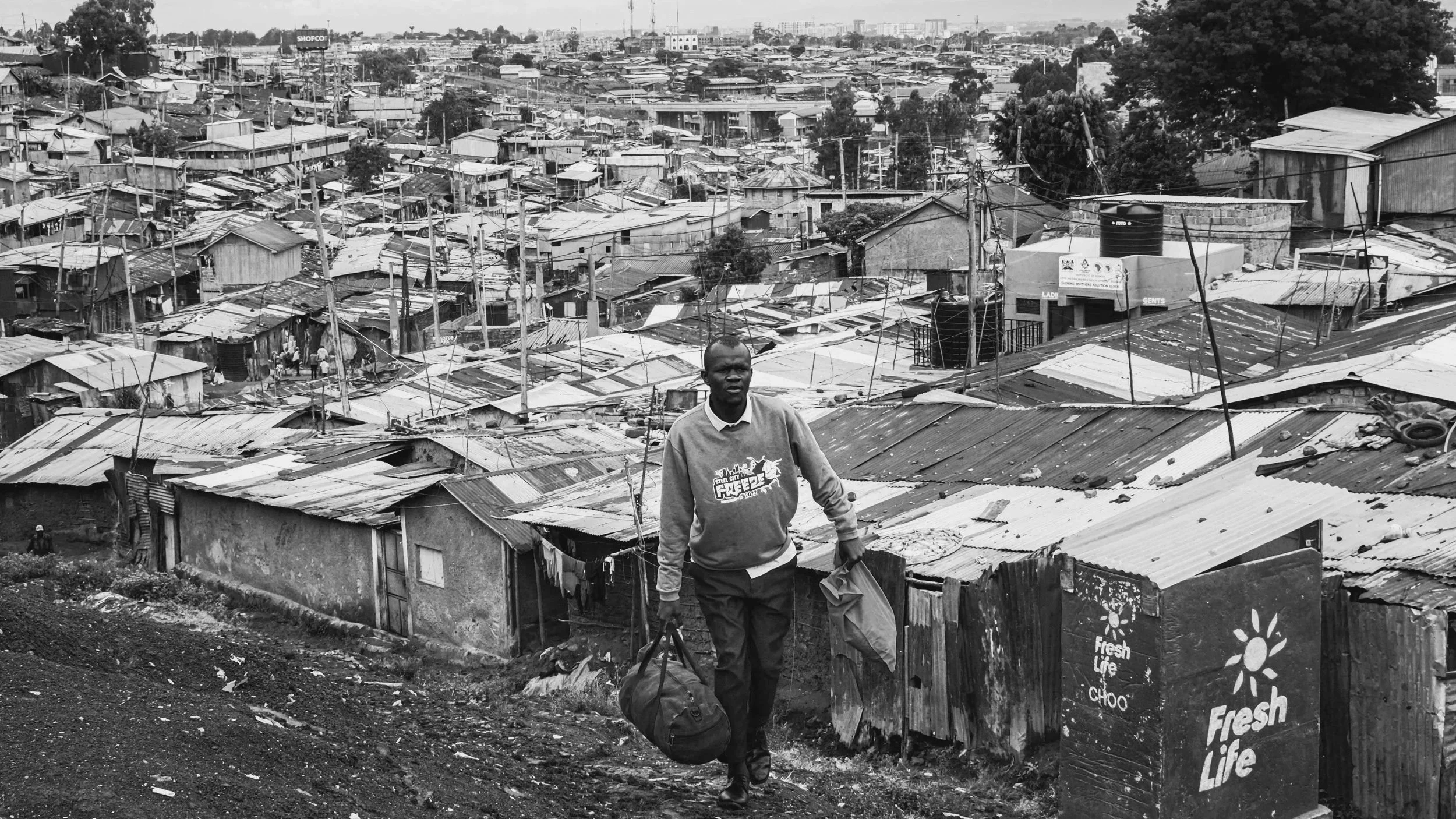
Kibera
At first I combined the best-of-the-best images, from both sets, in a short portfolio. Nothing wrong with that. I’m proud of the best ones, they are some of my finest work. But then I took my own advice and thought about what the work is and what I was trying to do with it.
What I wanted to do is convey the story of arguably one of the most important, interesting, and fast-growing cities in Africa. That’s really the main parameter I set for myself at the outset (I used to tell my students “parameters will set you free”, meaning by defining what you’re doing you’re more free and able to do it, instead of being paralyzed by too many choices). Anything that emerges within that will take shape on its own.
So I ditched the short ‘look at me’ portfolio format, which allowed room for added more images that would tell the ‘look at them’ story. Jump to the galleries here:
Nairobi
Of course no city has one story. But sometimes lots of little story fragments add up to a broader composite. That’s usually my approach, like I did in Belarus over several years for my book.
And who is telling the story? Every photographer wants to make ‘good’ photos. But what makes it good? As a photo teacher I harp on authorship, making it better by making it more you. How do photos express your vision, in your way? What does that look like?
For example, I love symbolism in photos. Like the lead photo at the top, to me this one is loaded with it:
Westlands, Nairobi
These are more examples of ‘my’ photos, hopefully inviting you to fill in the gaps yourself.
So in the end I decided it’s clearly two stories: Nairobi and Kibera. Or at least a two-part story. So I’ve made two galleries.
In any case, maybe this is not so much the story of a place but the story of my discovery of it. Which will always be different from someone else’s view. Which is what makes photography worth doing at all. I still mentor young Kenyan photographers from Kibera who are telling their own stories, from the inside. It’s exciting stuff.
I’m very interested to know what resonates for you.
I hope you will click through to look at them, it would mean a lot to me.
Nairobi
Never Seen a Cybertruck?
I had an up-and-back errand to NYC yesterday. Much of my time was spent waiting, and I was parked for a while behind this thing. Which I soon noticed was a curiosity for passing tourists. Statue of Liberty > Cybertruck > Empire State Building. No one mocked it, which I admit surprised me. They were fascinated. The Europeans seemed especially into it, go figure. So to pass the time I pretended I was interested too but took photos of them for the human-behavior file.
A New Cabal
So we’re ruled by actual demons.
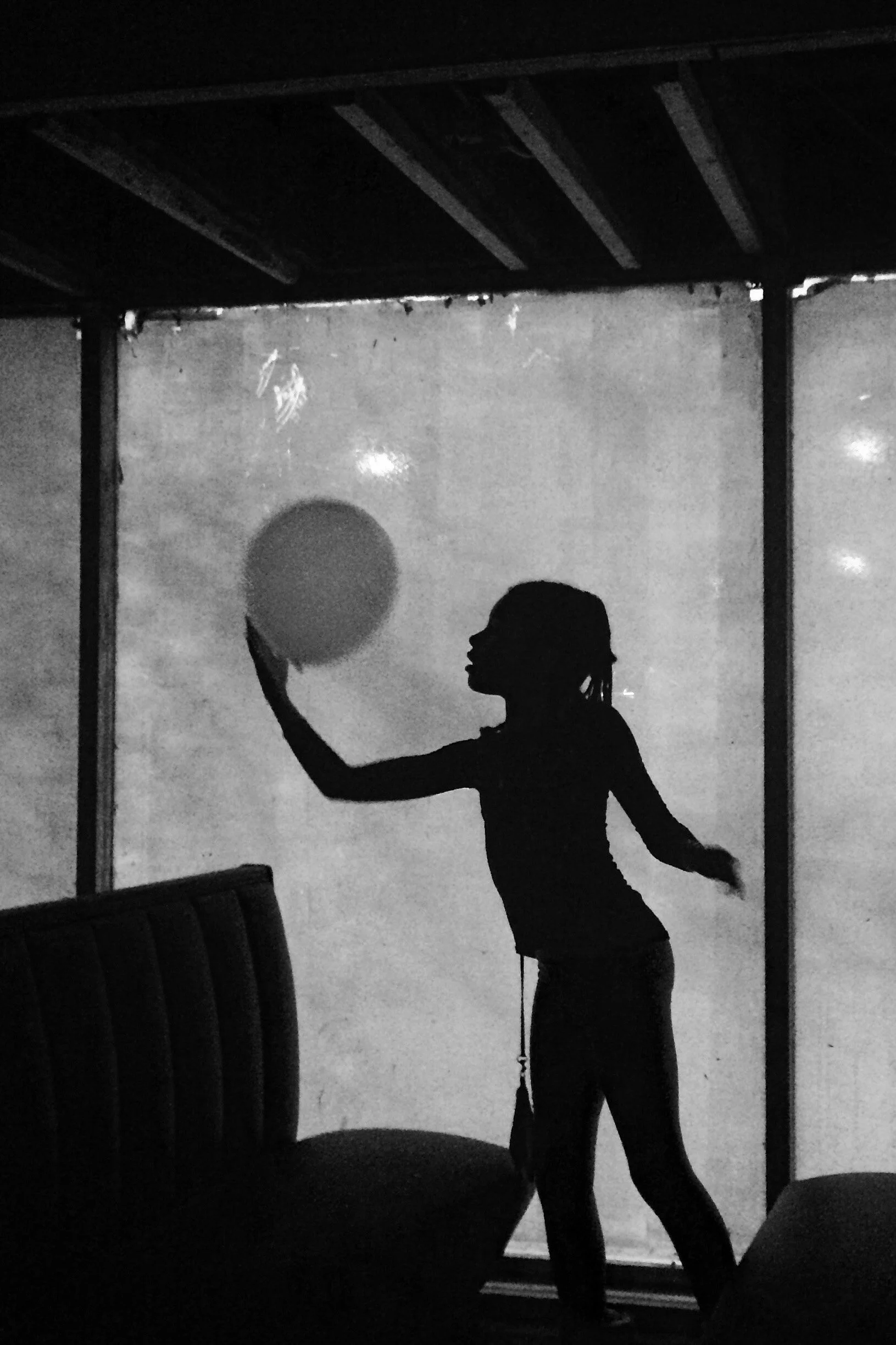
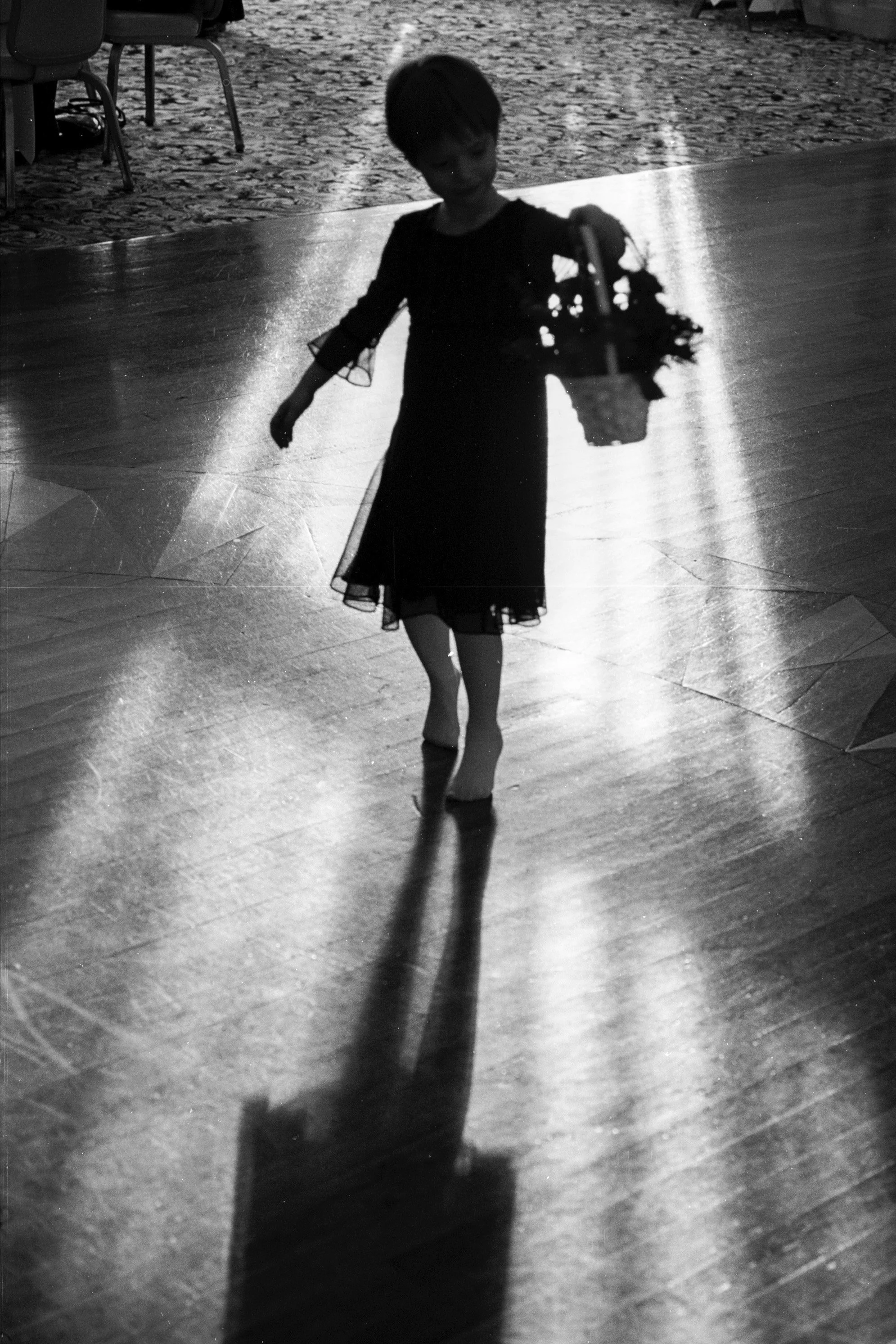
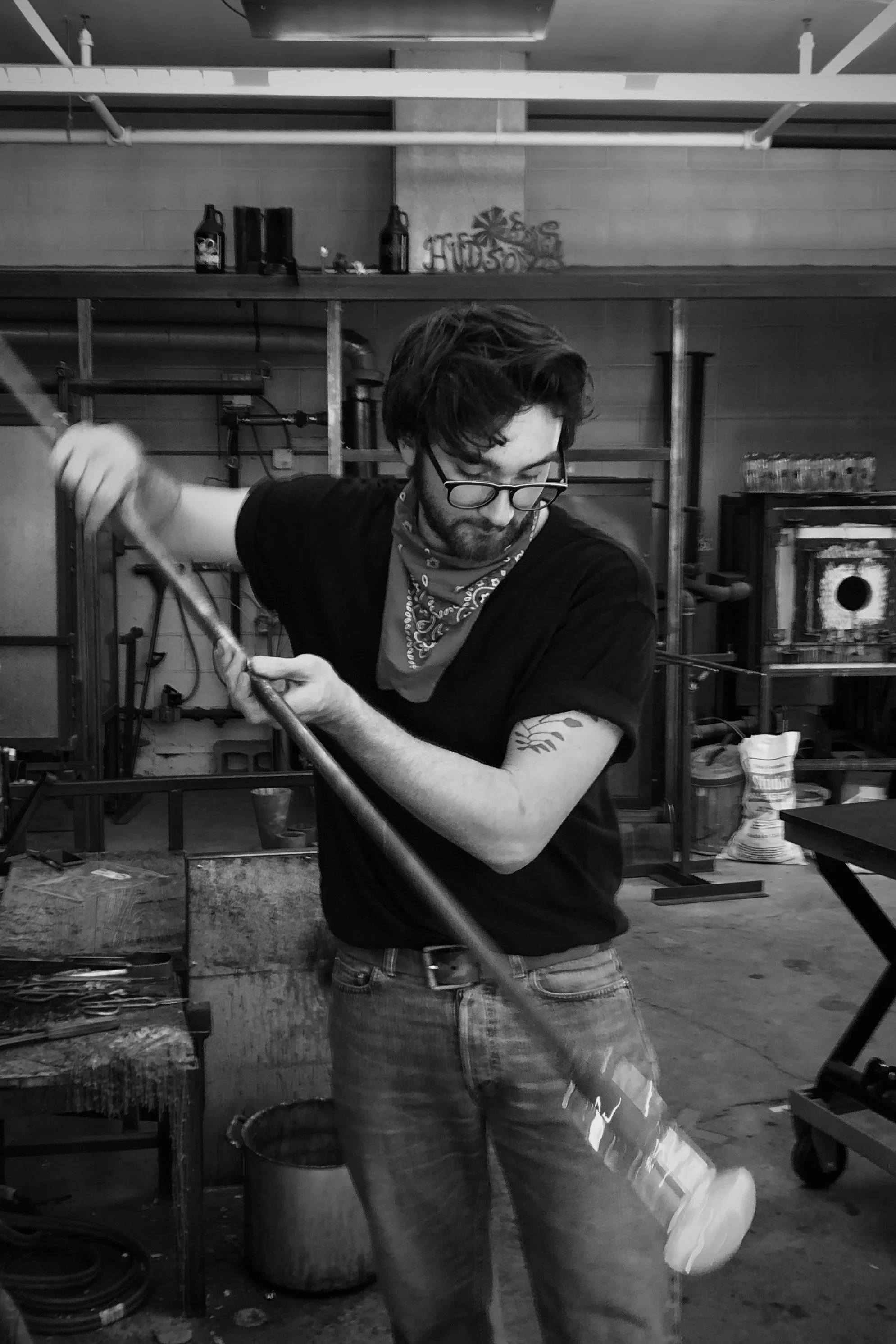
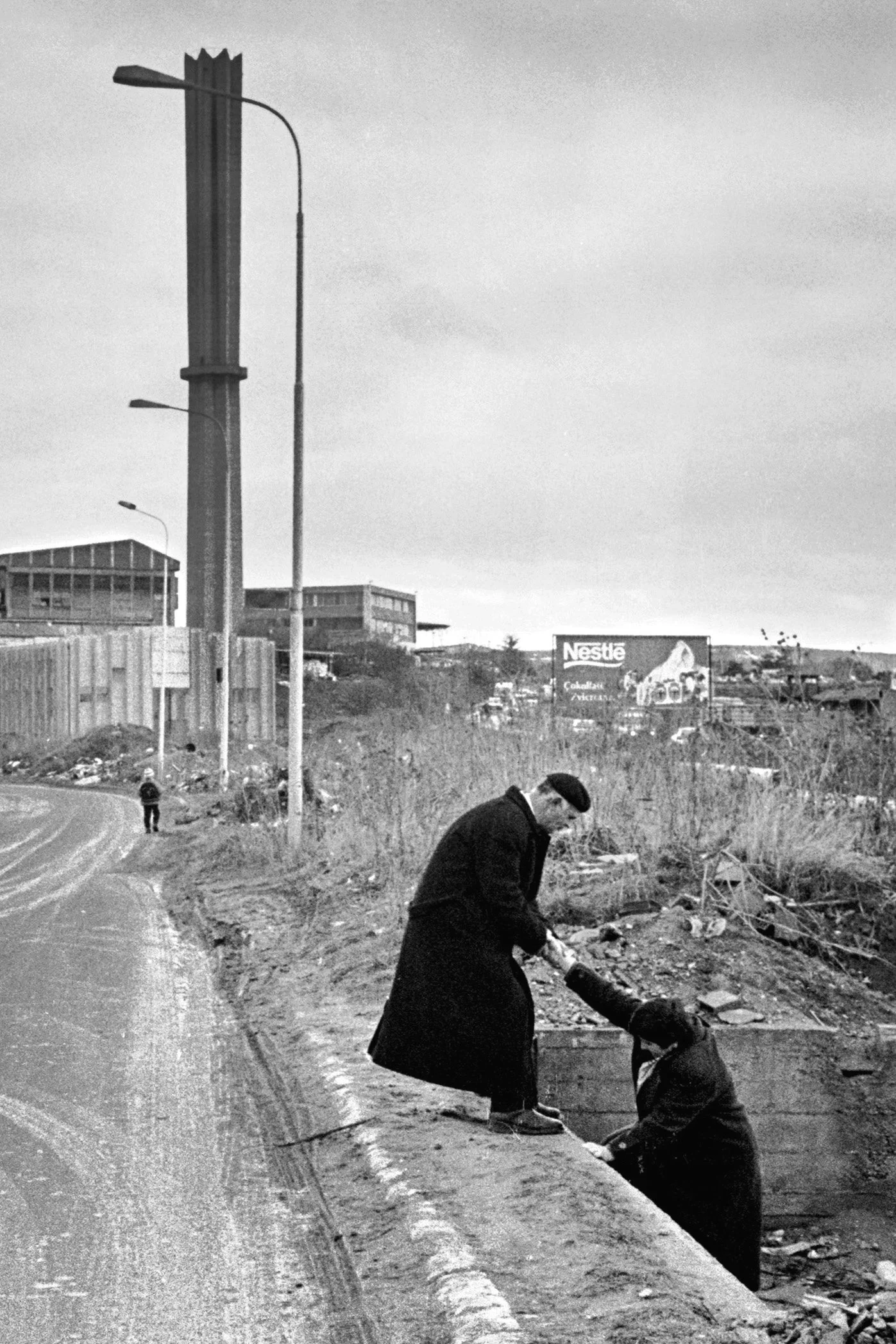
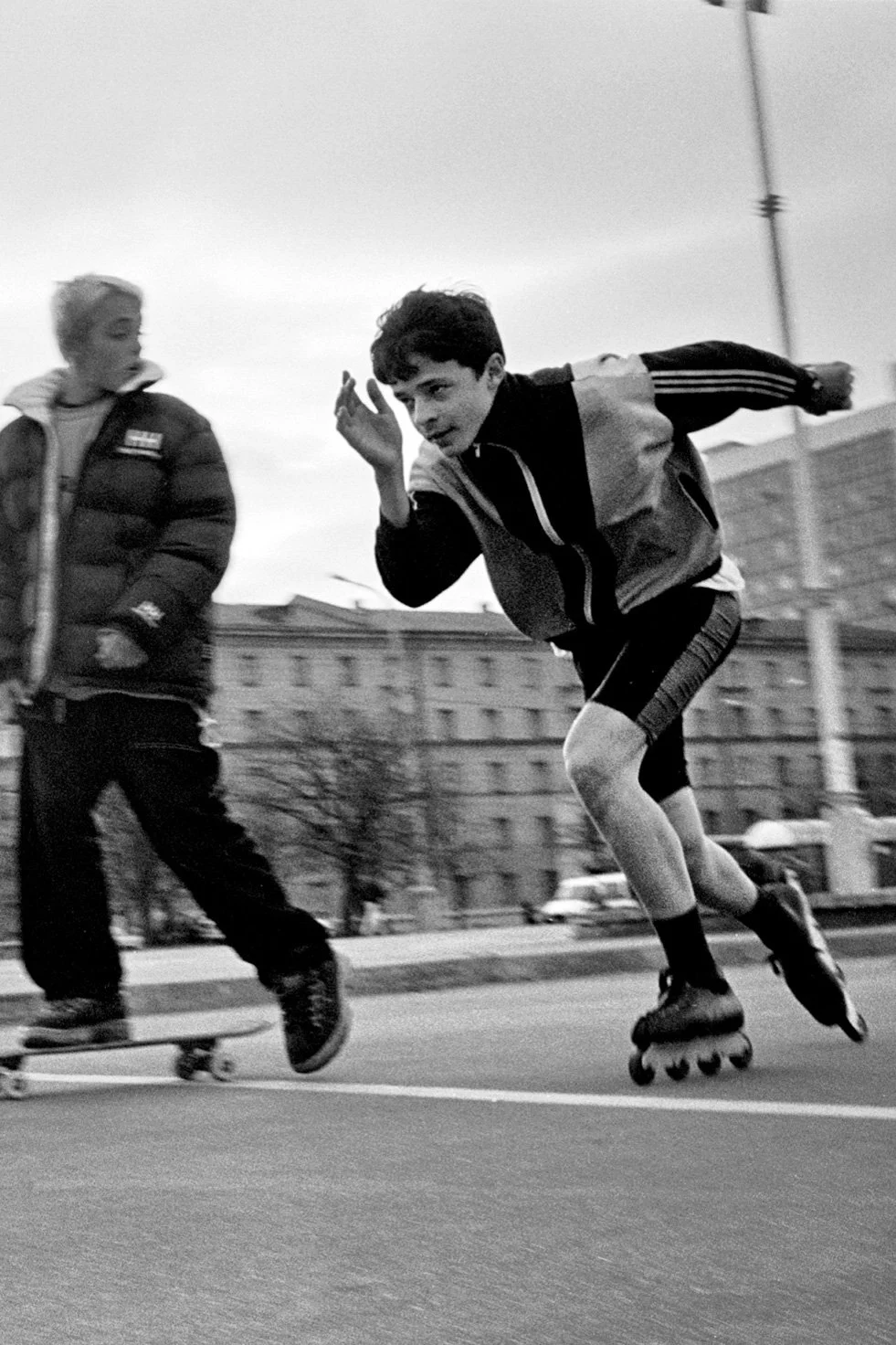
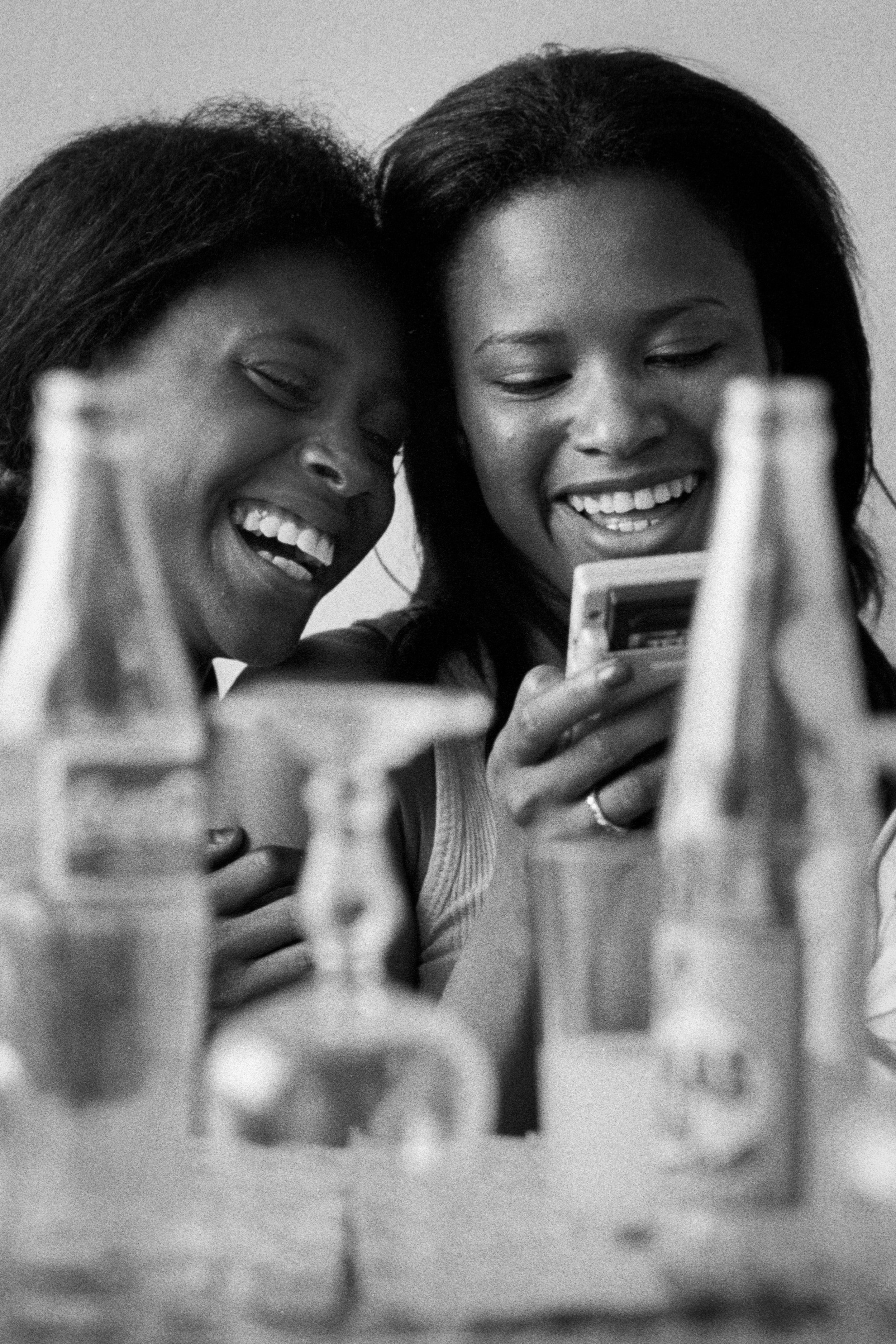
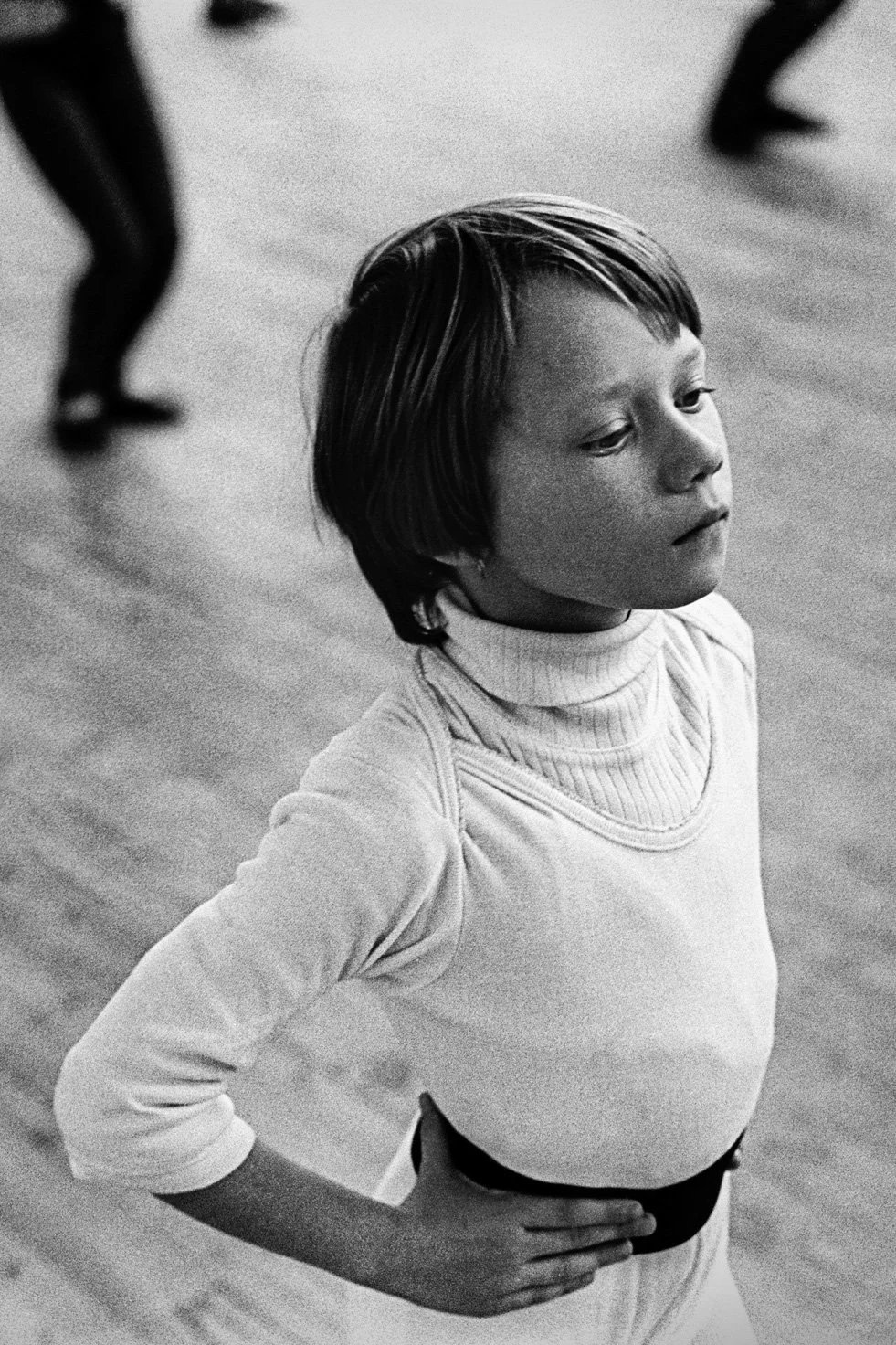
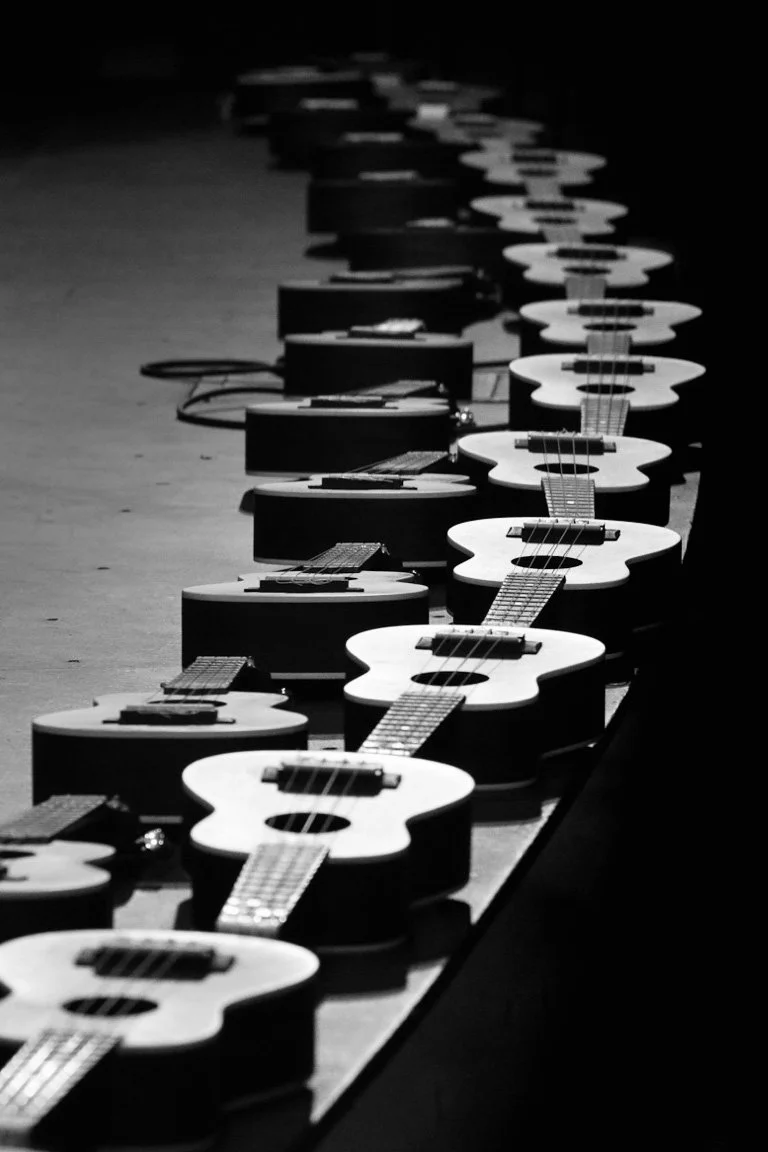
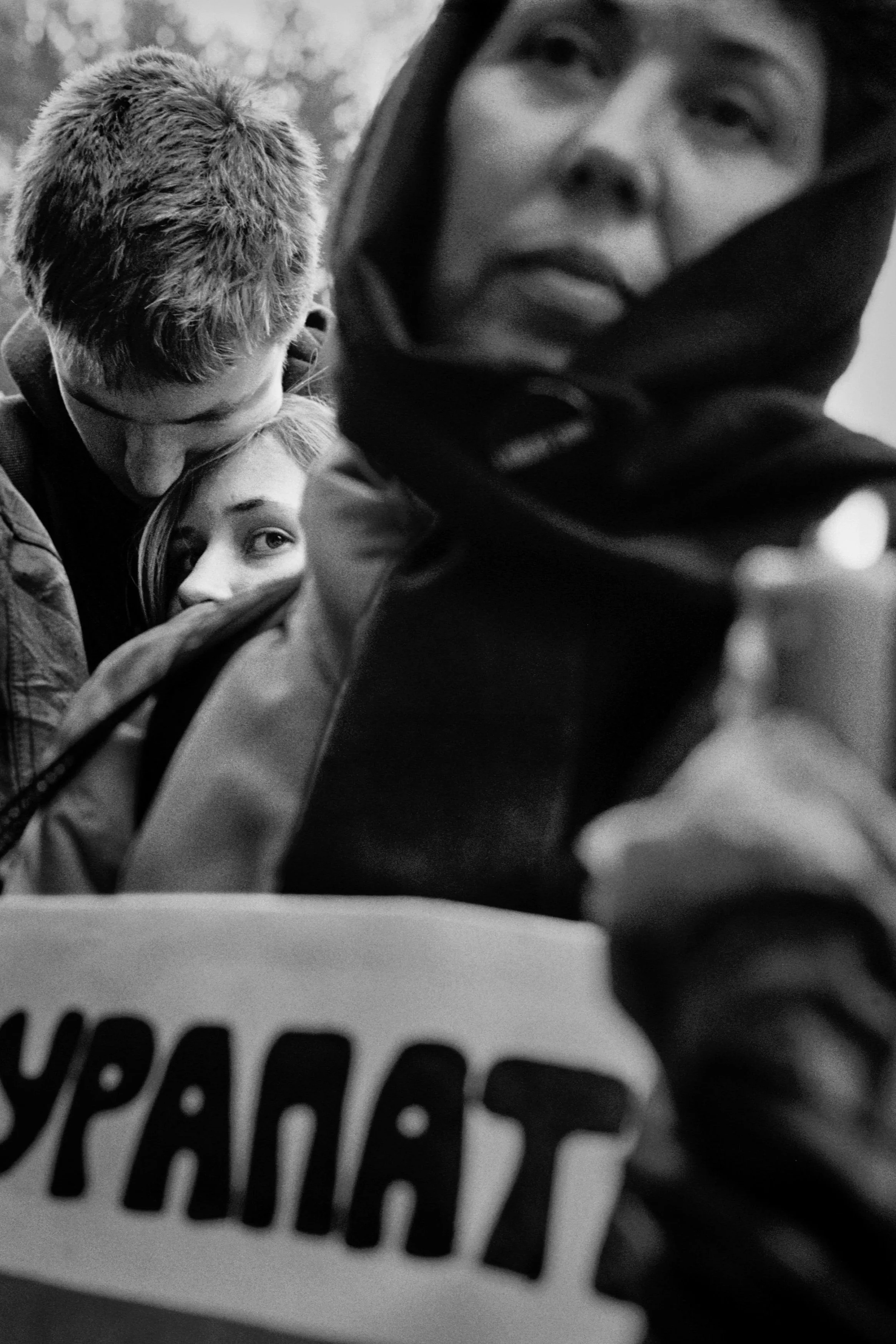
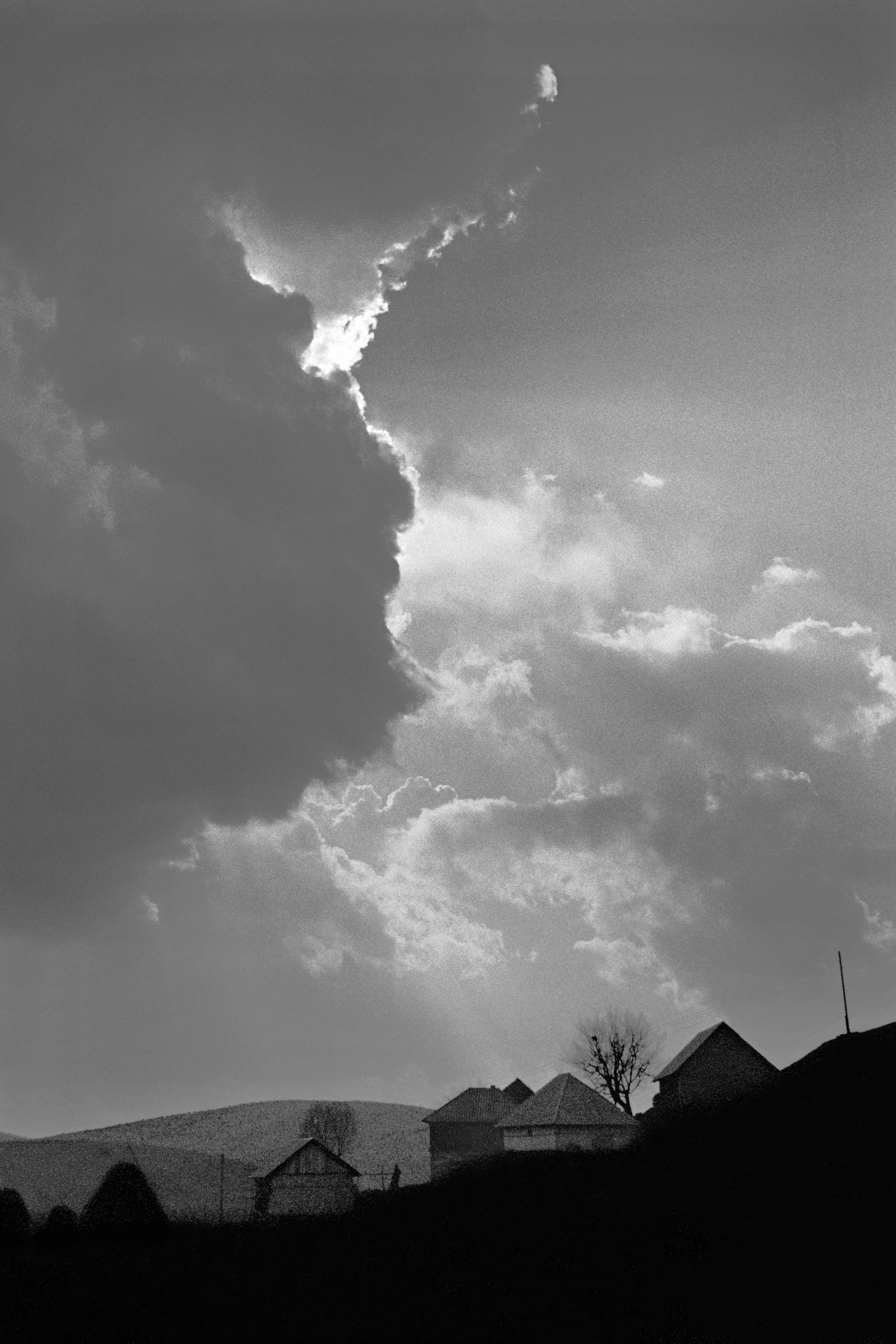
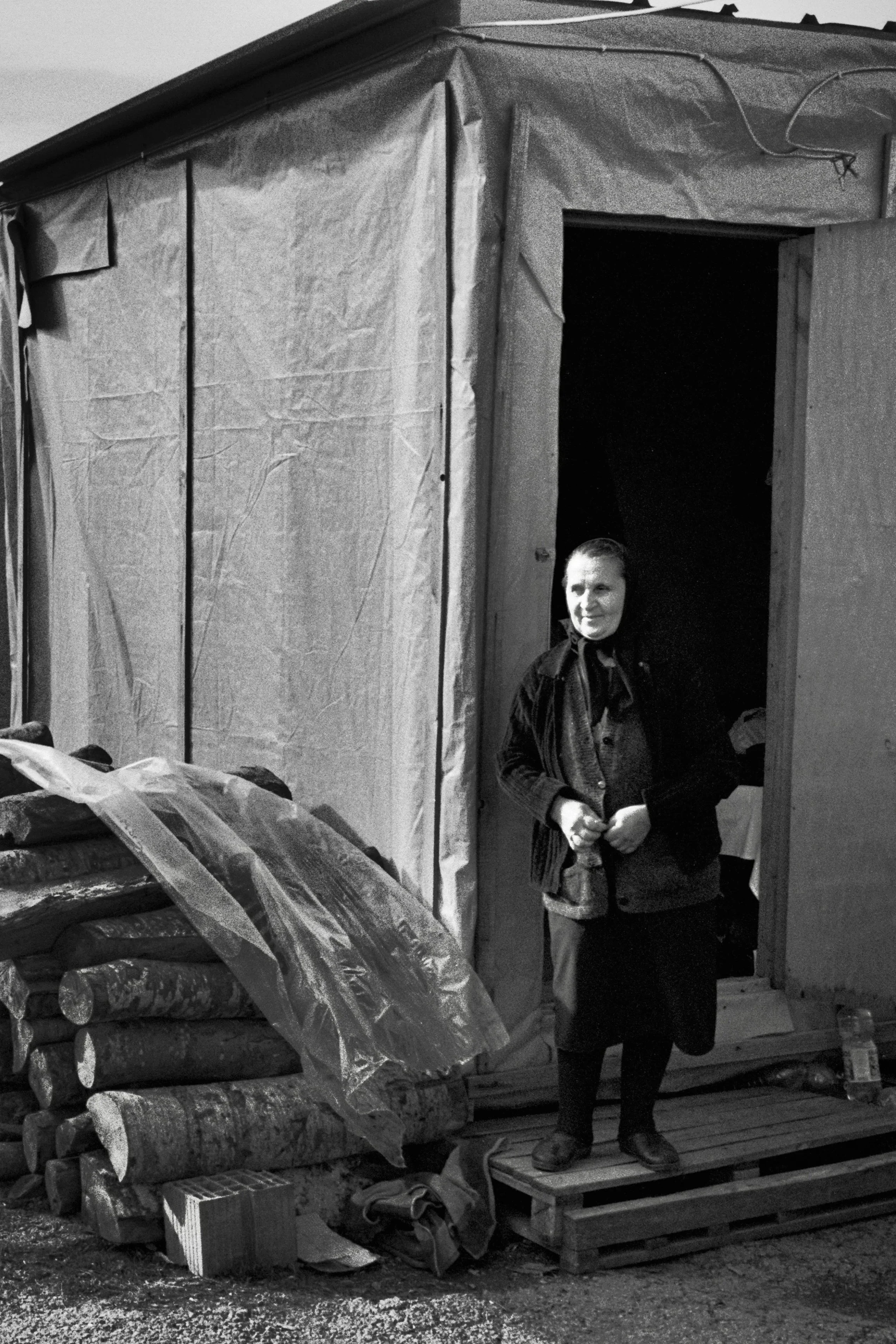
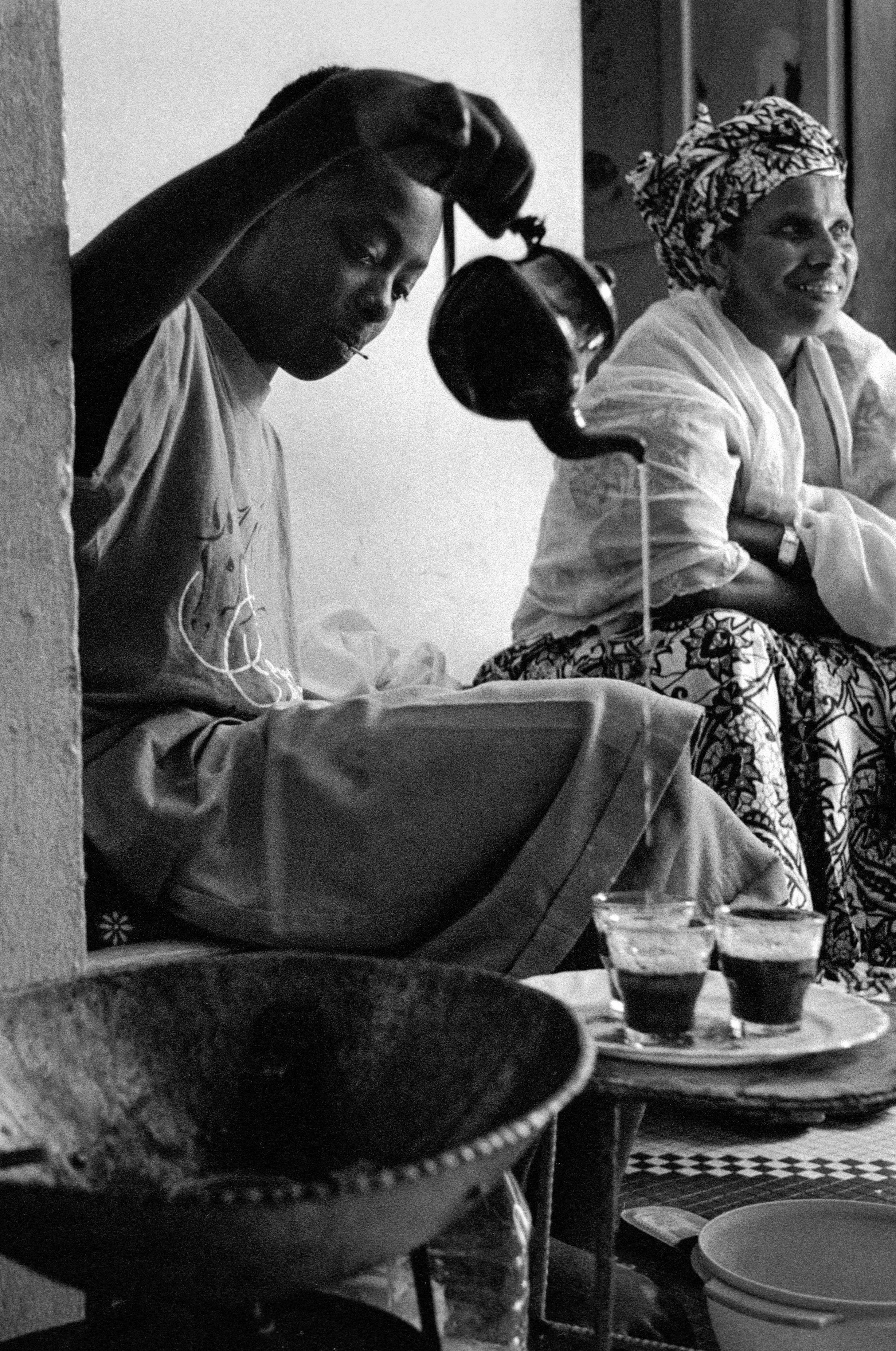
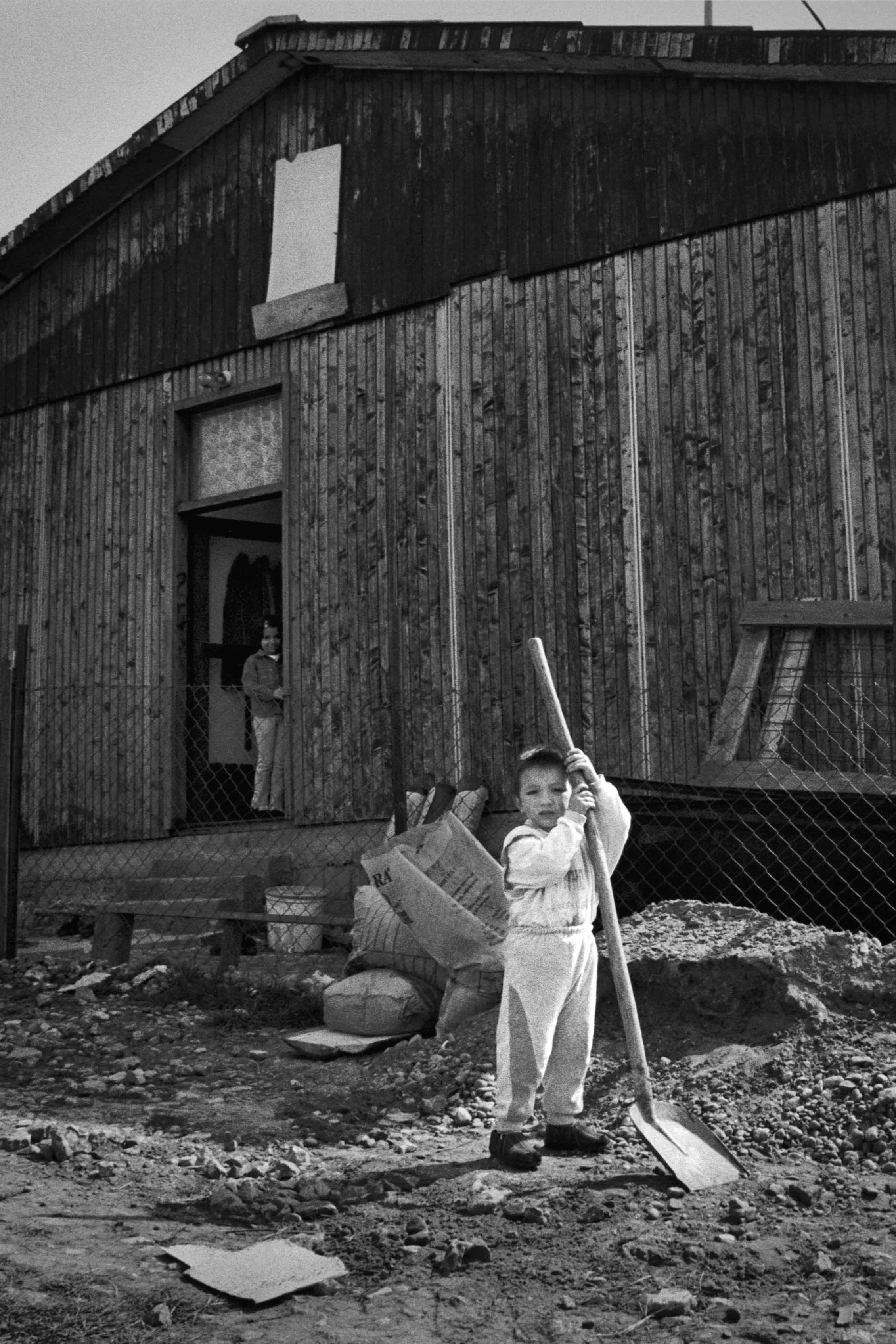
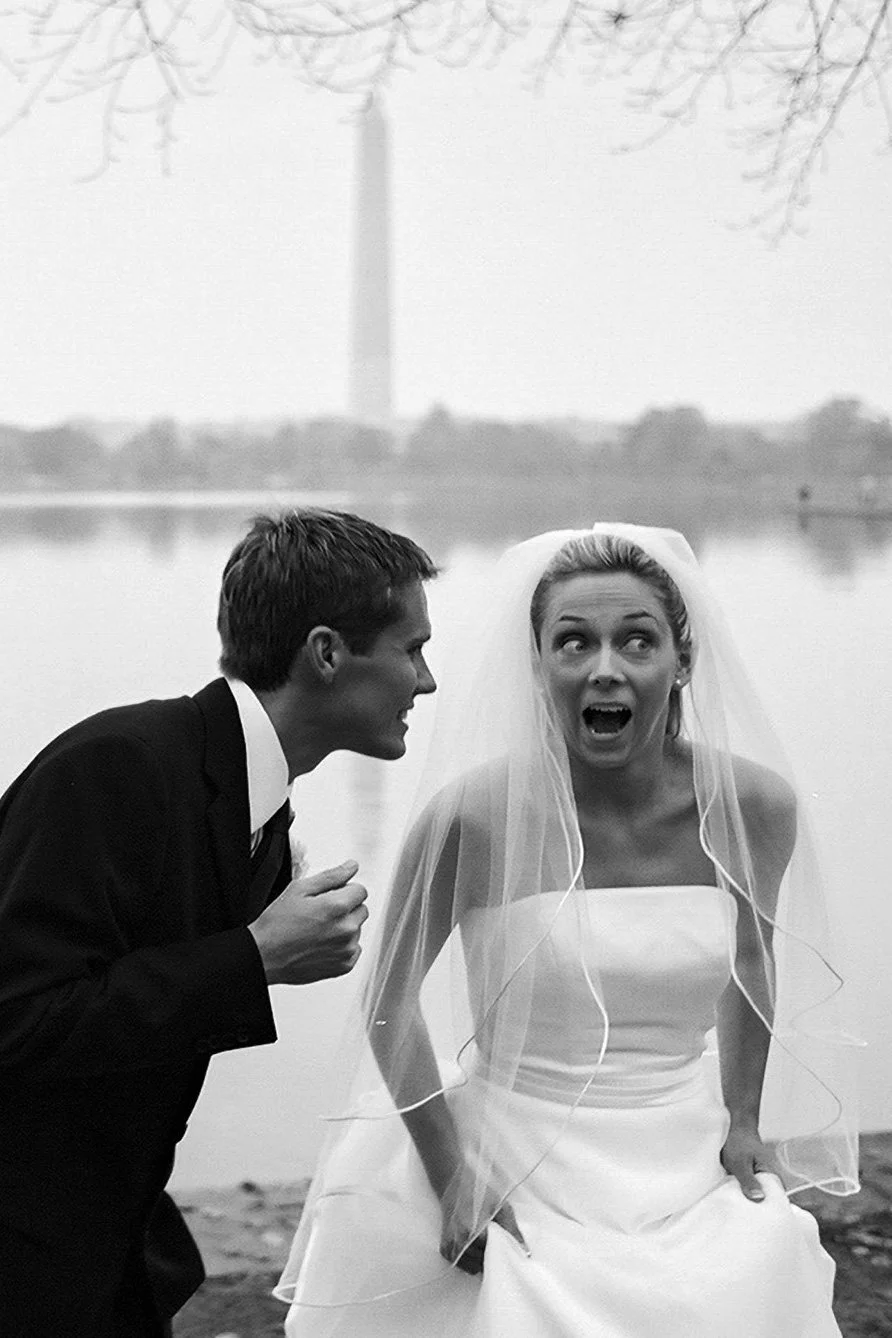
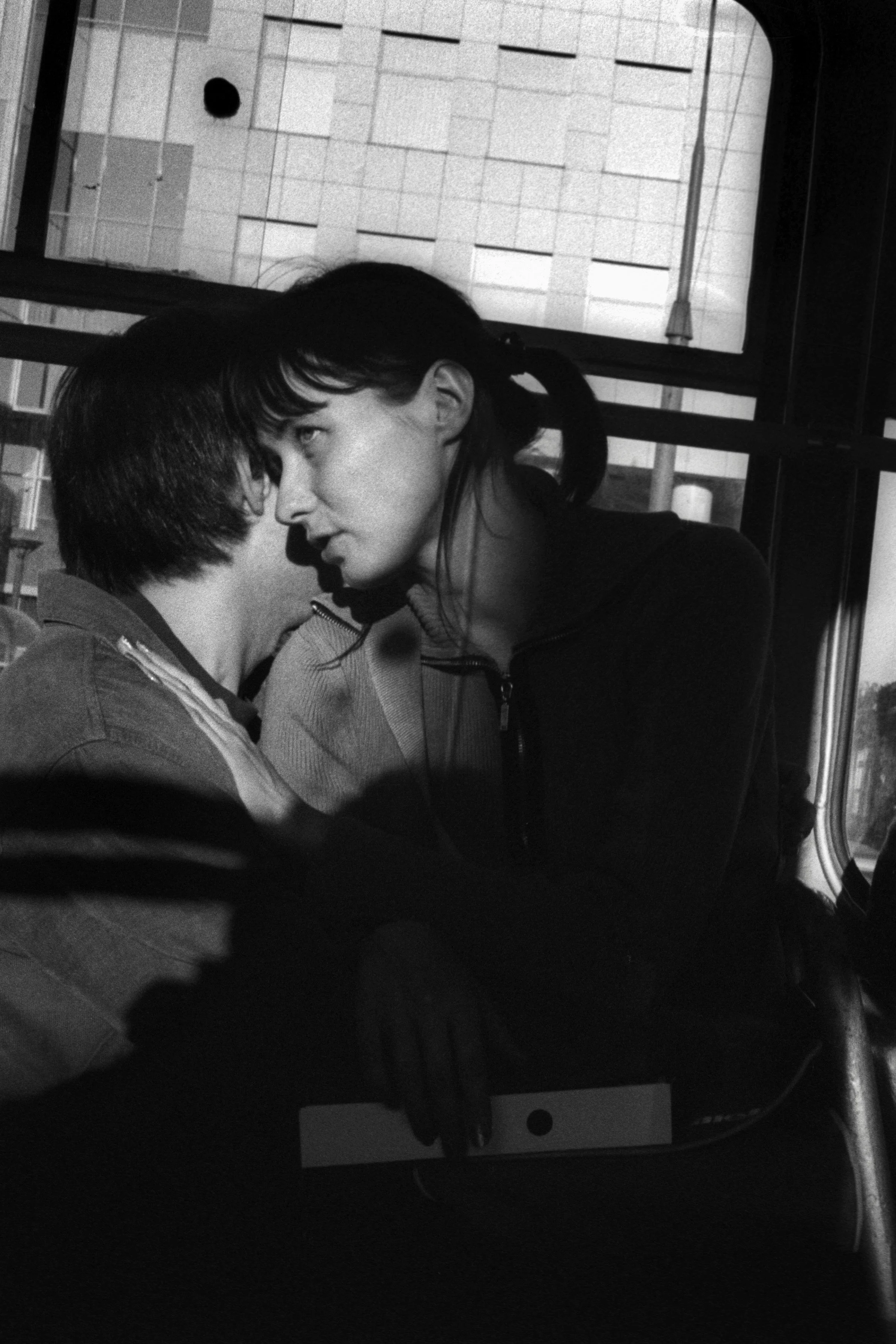
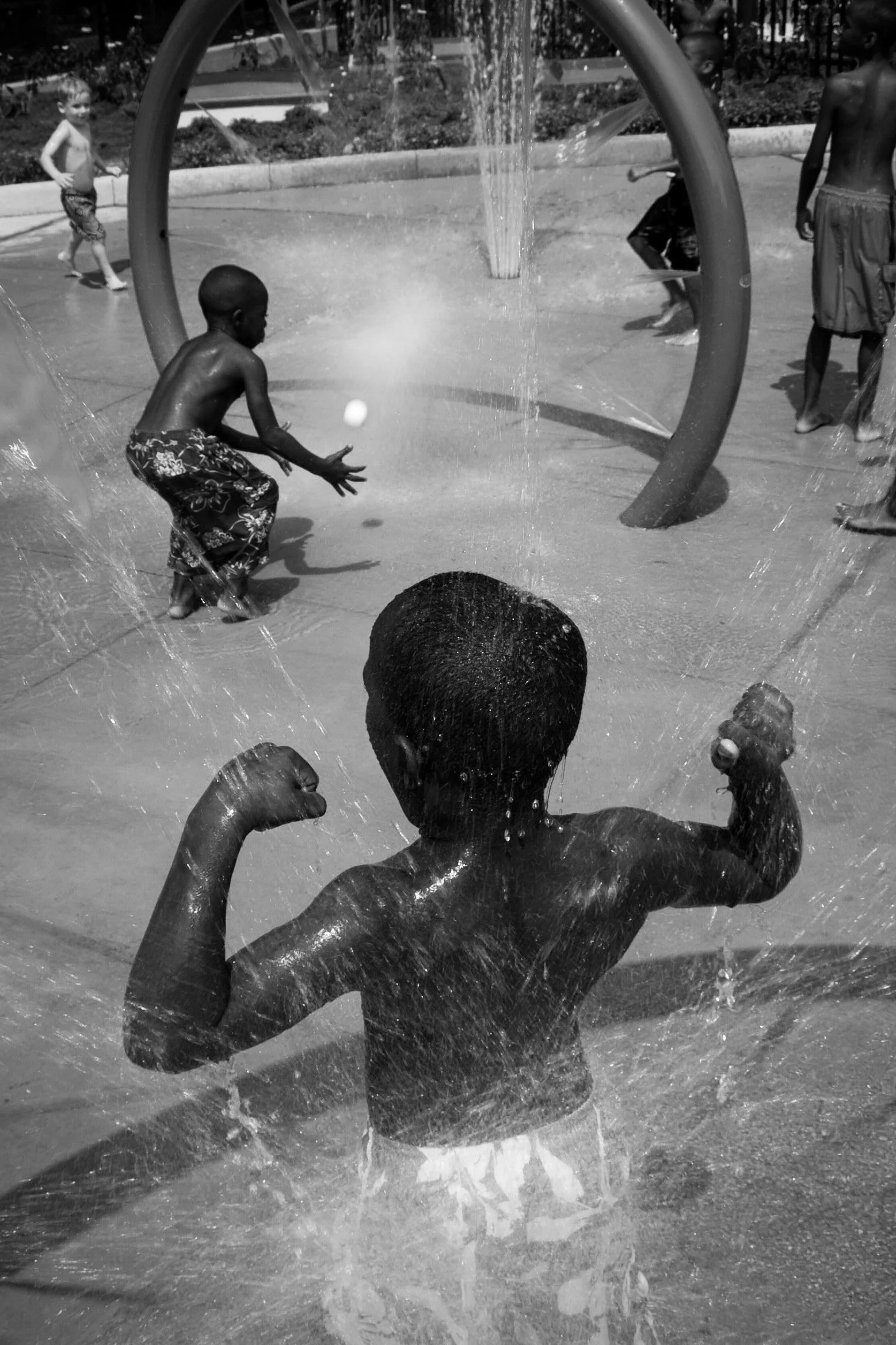
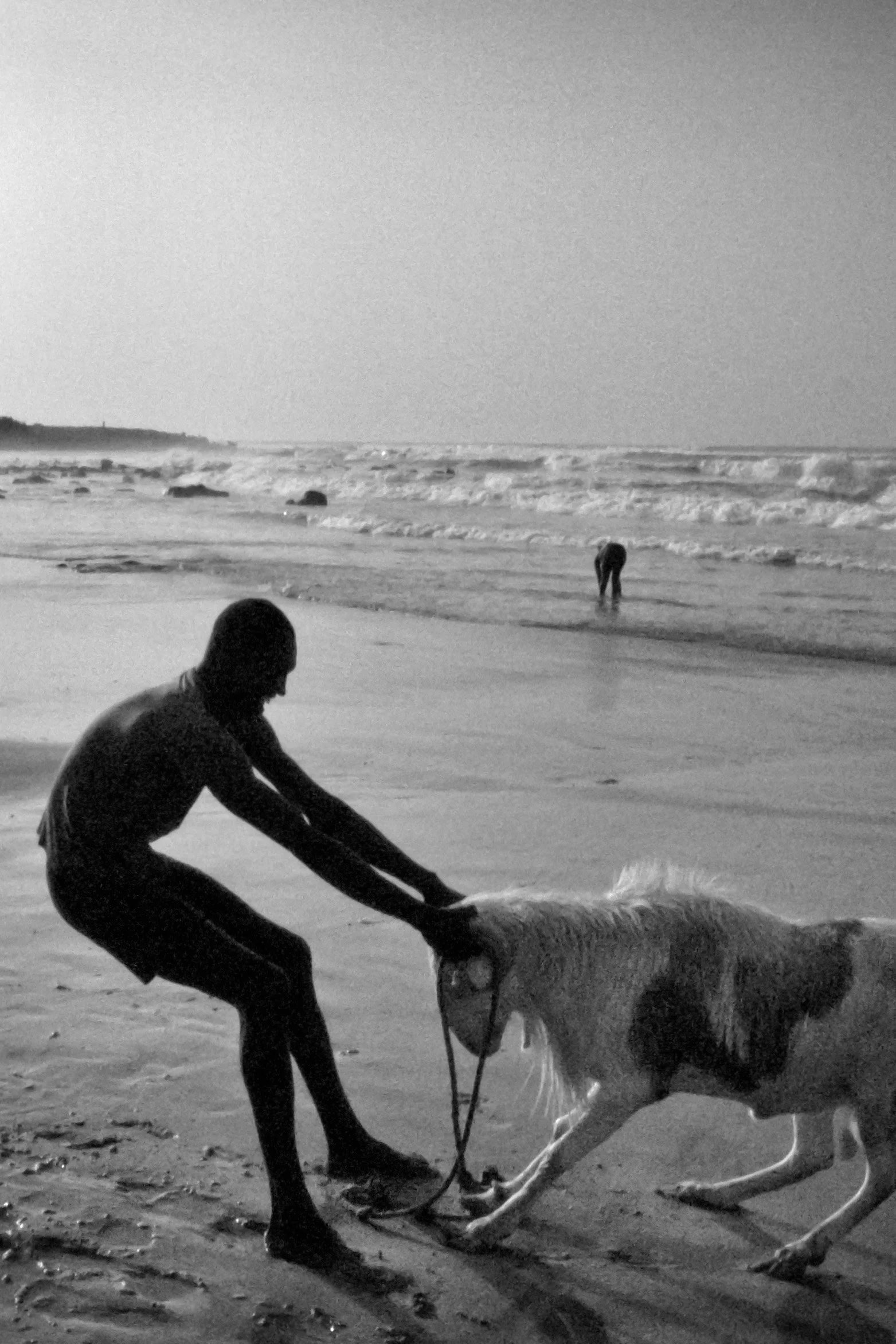
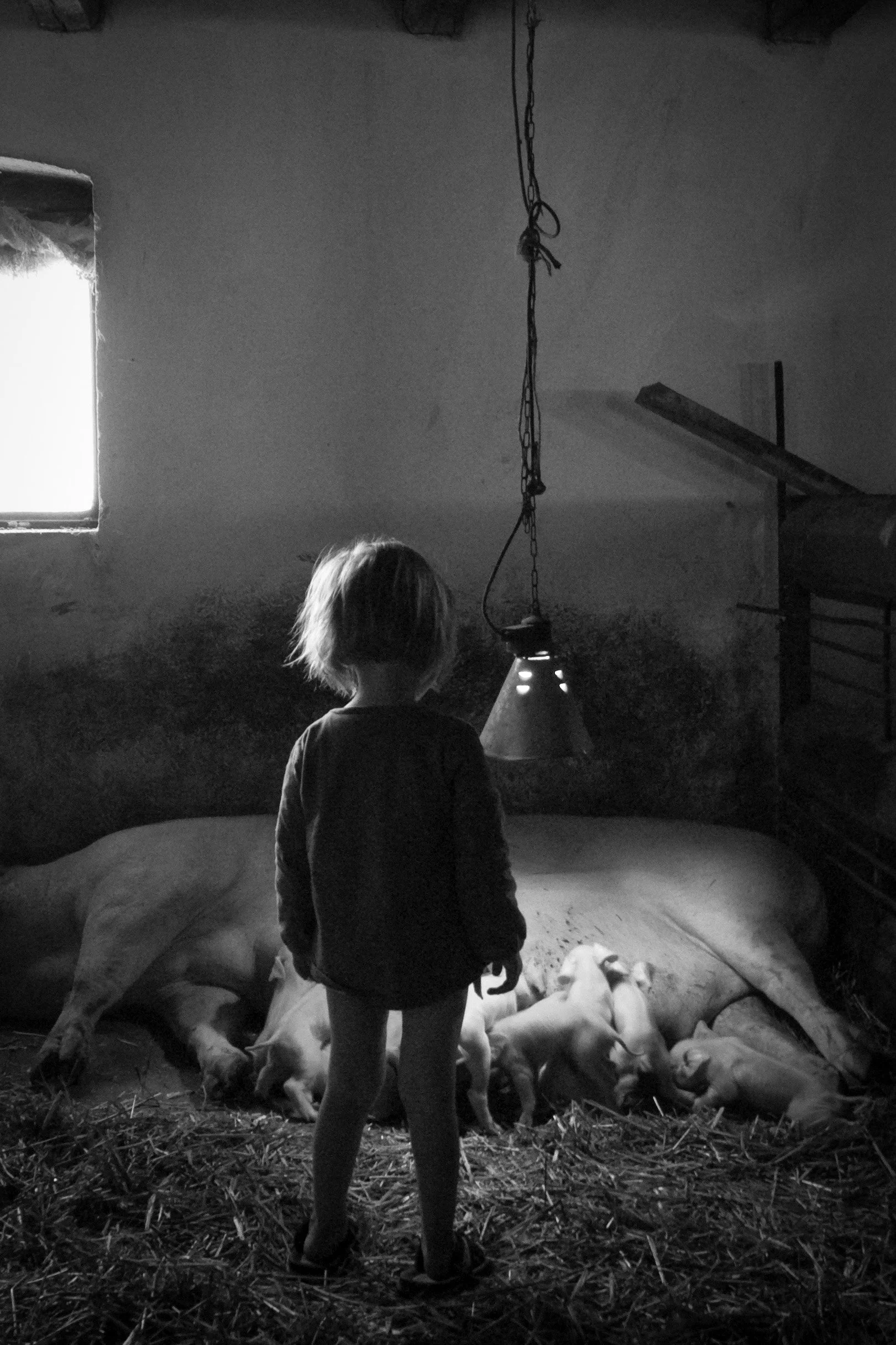
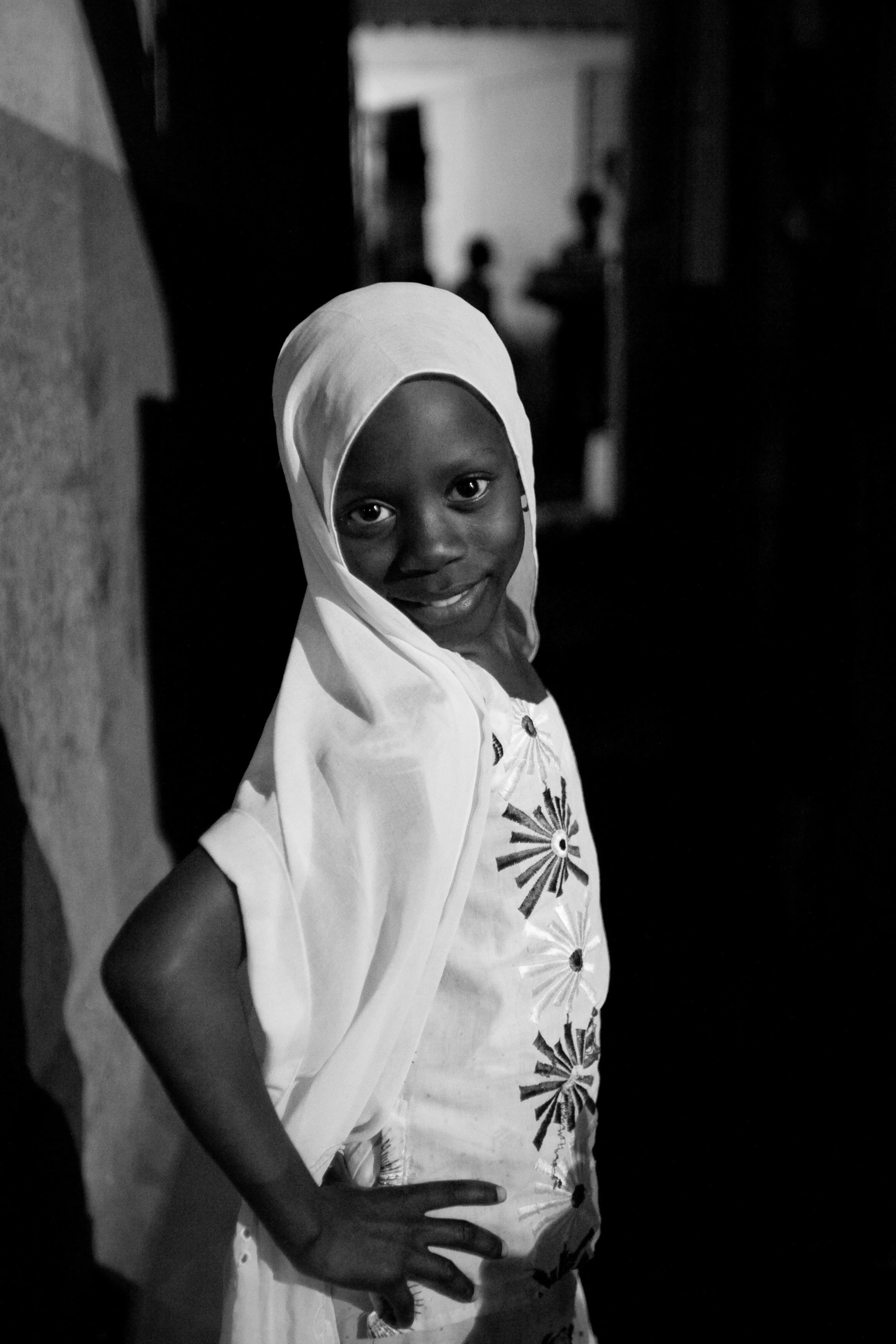
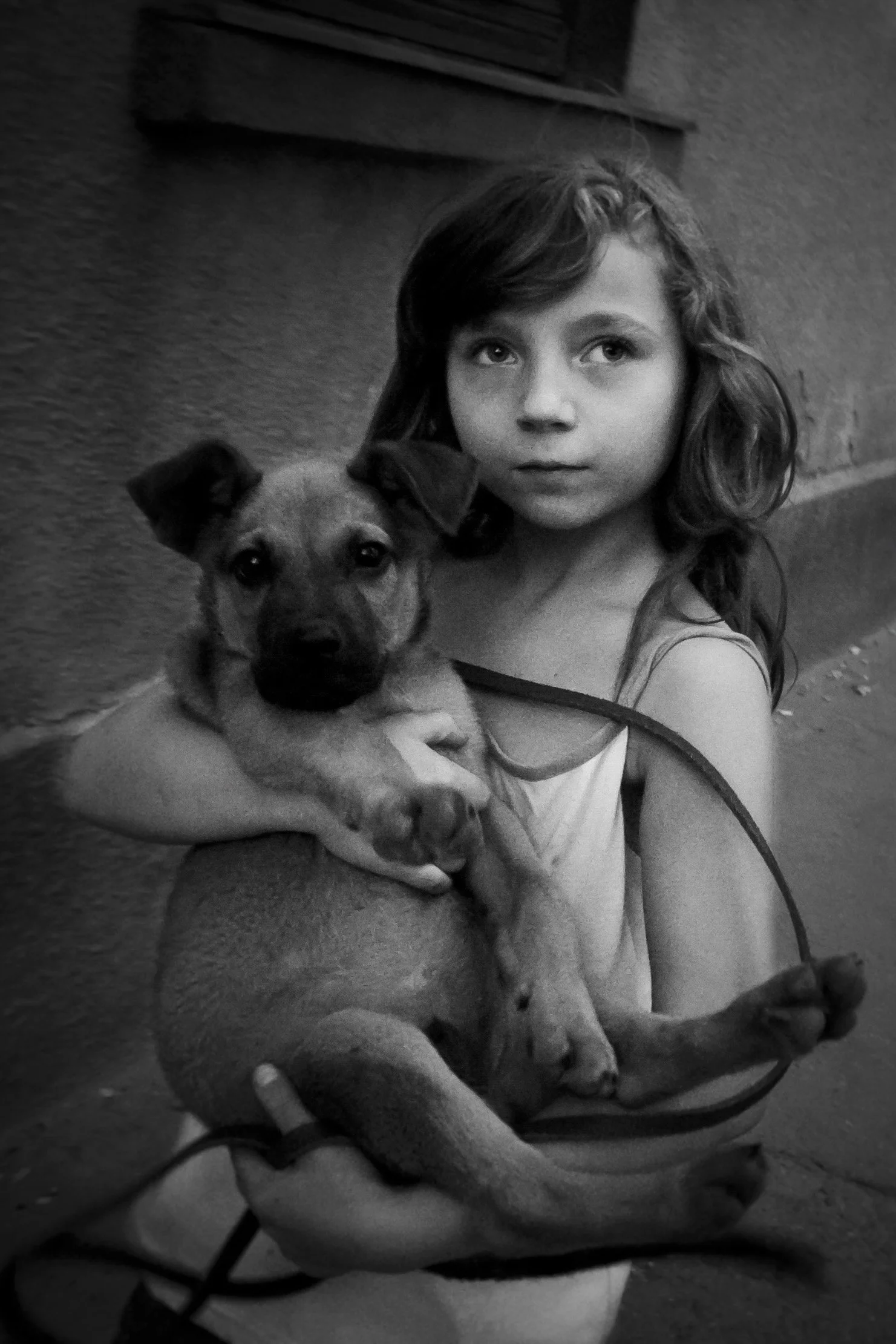
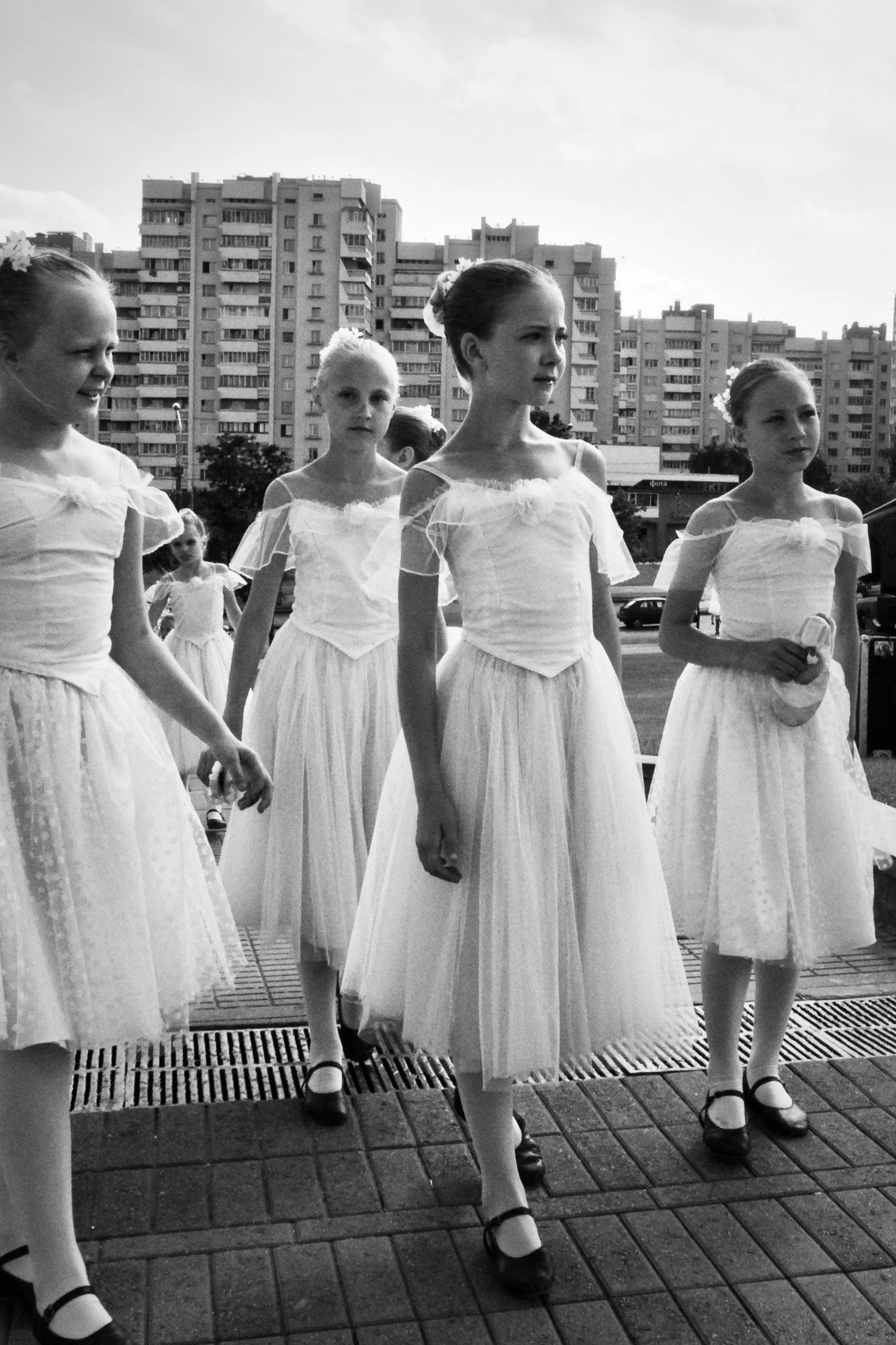
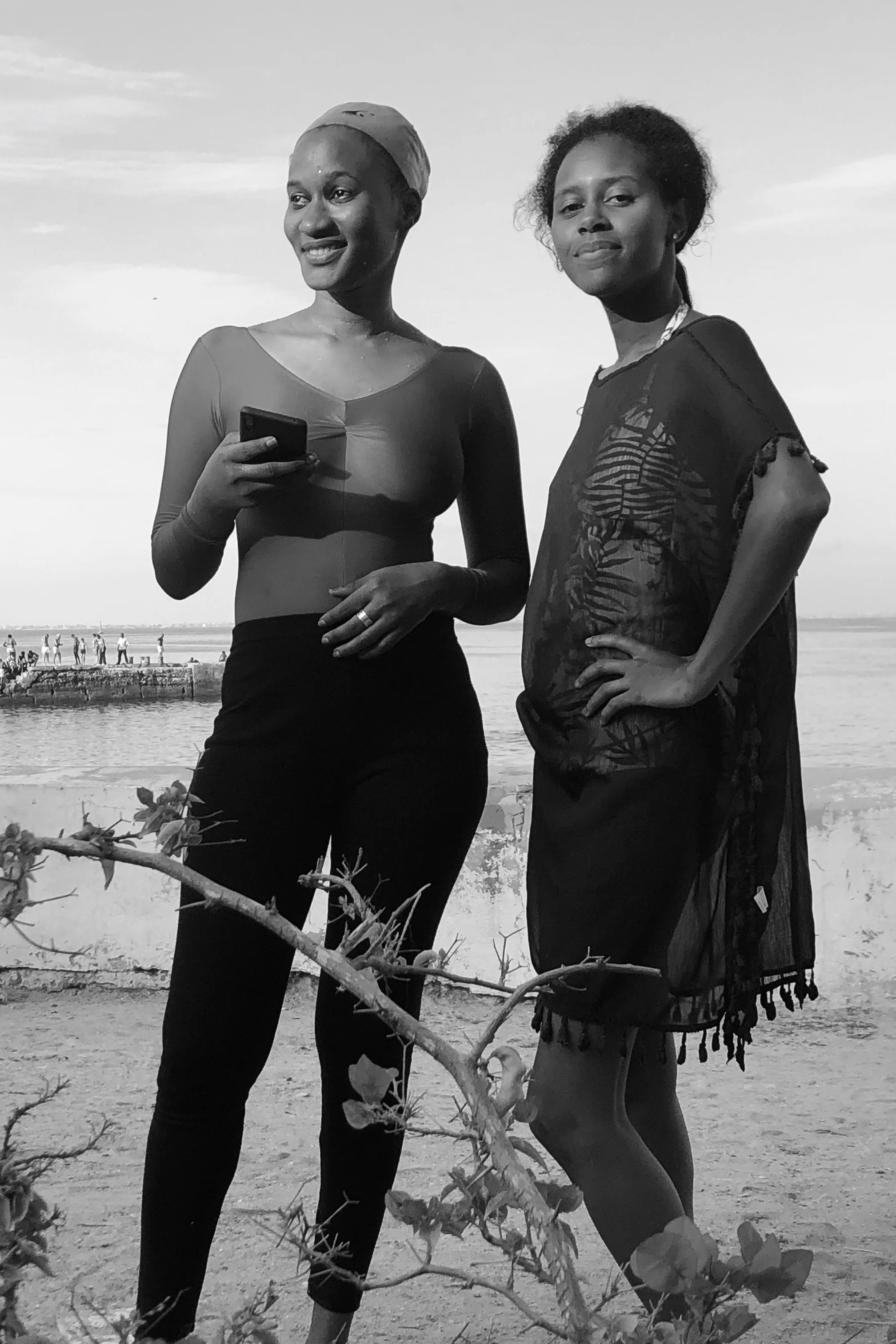
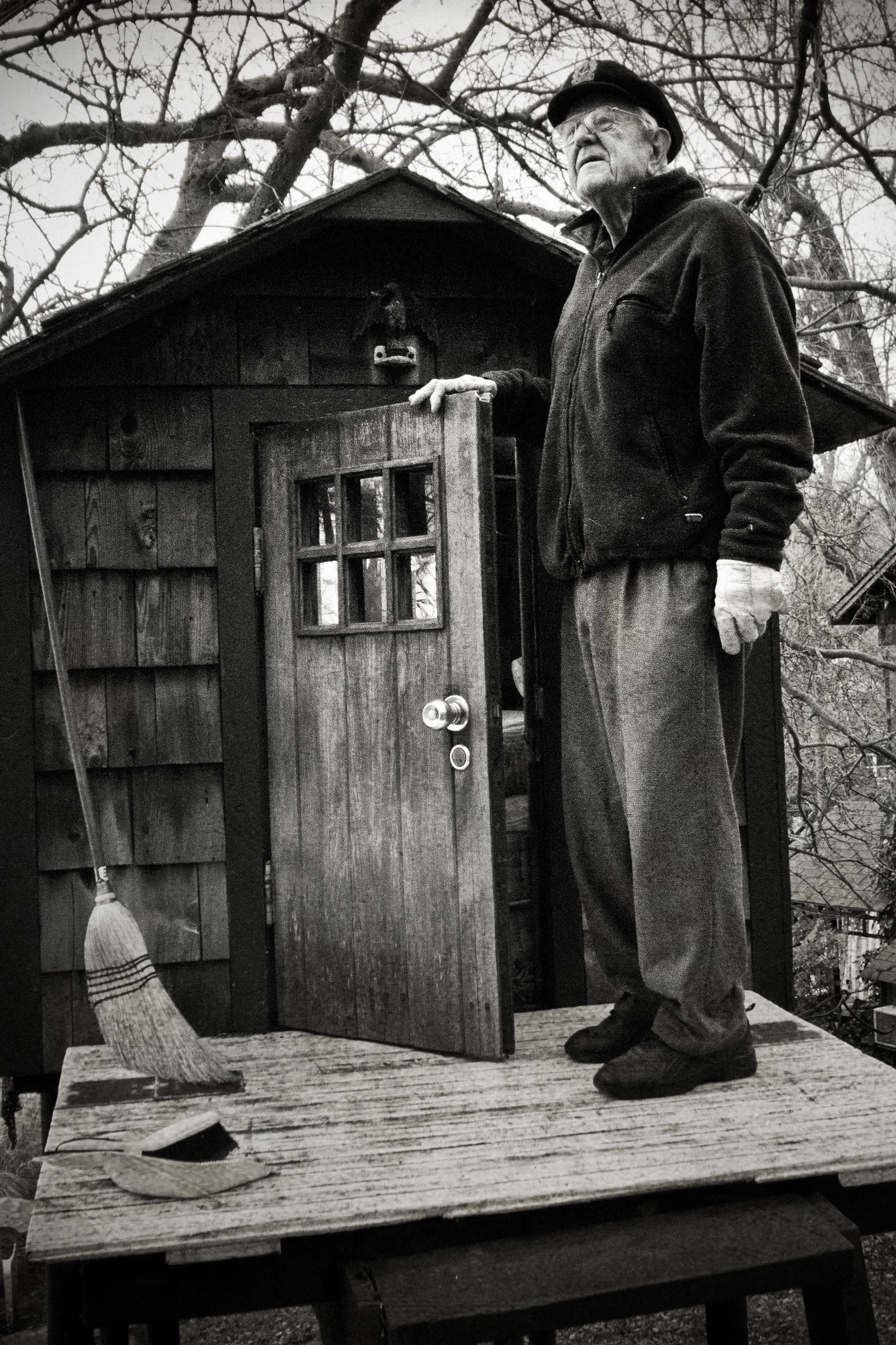
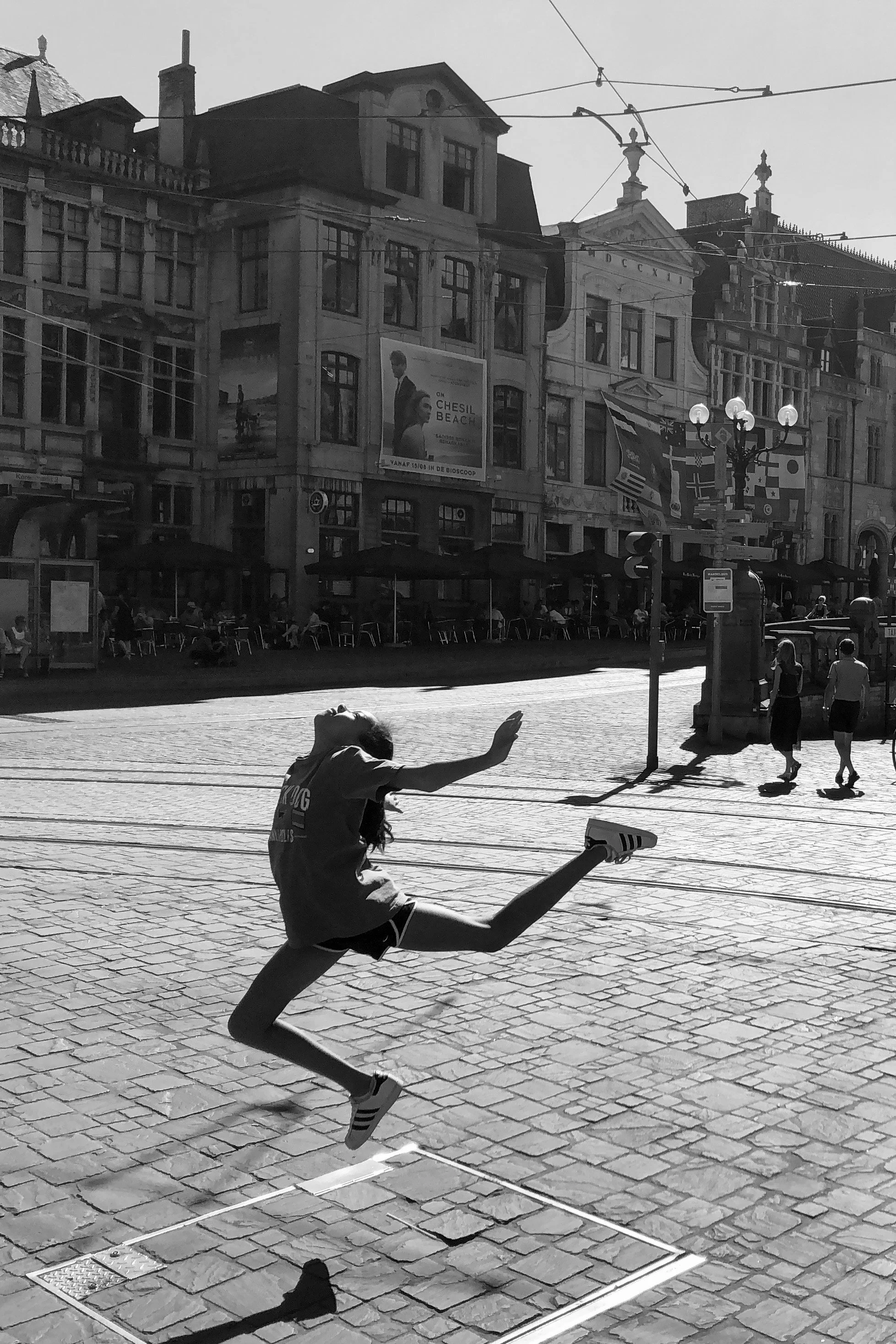
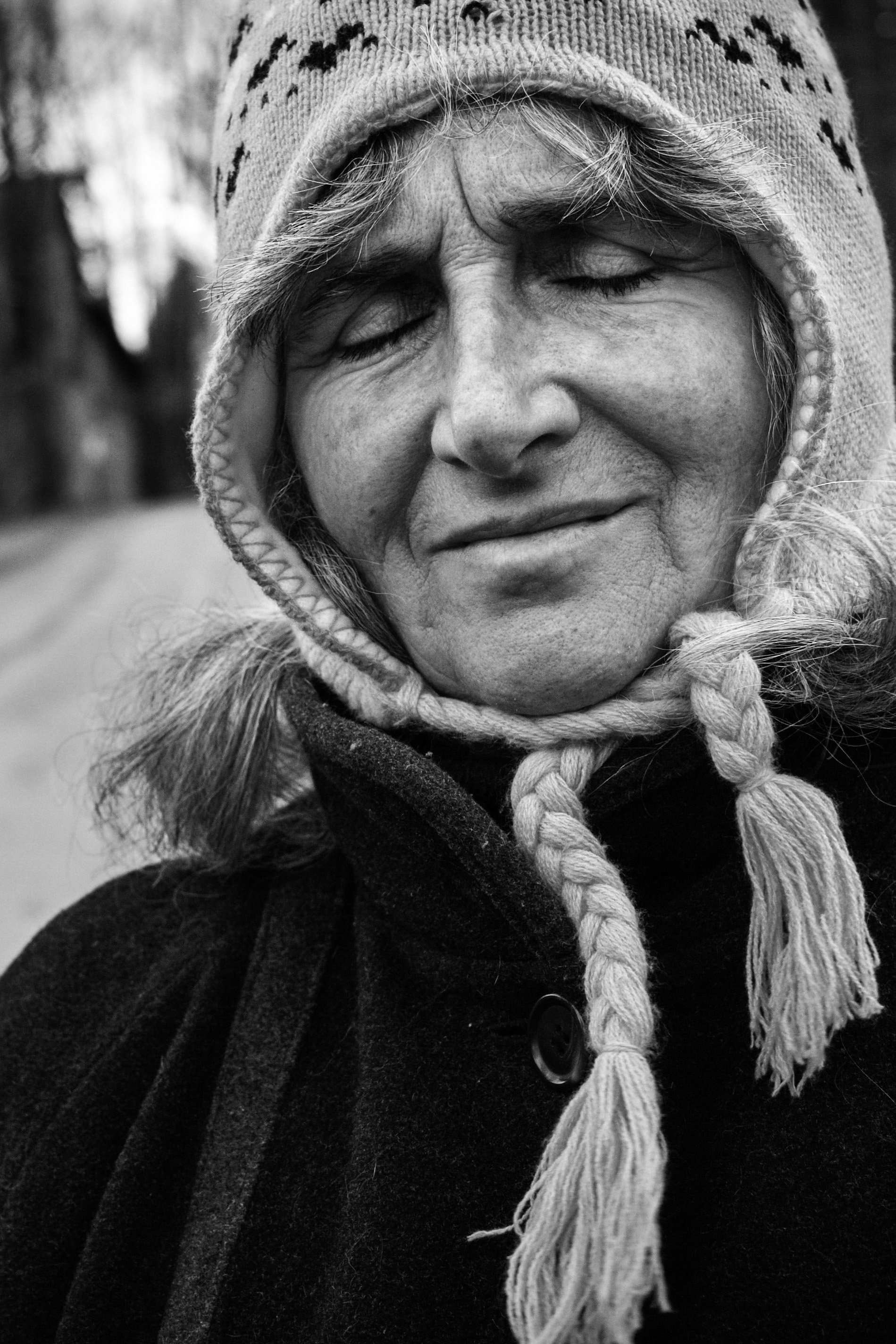
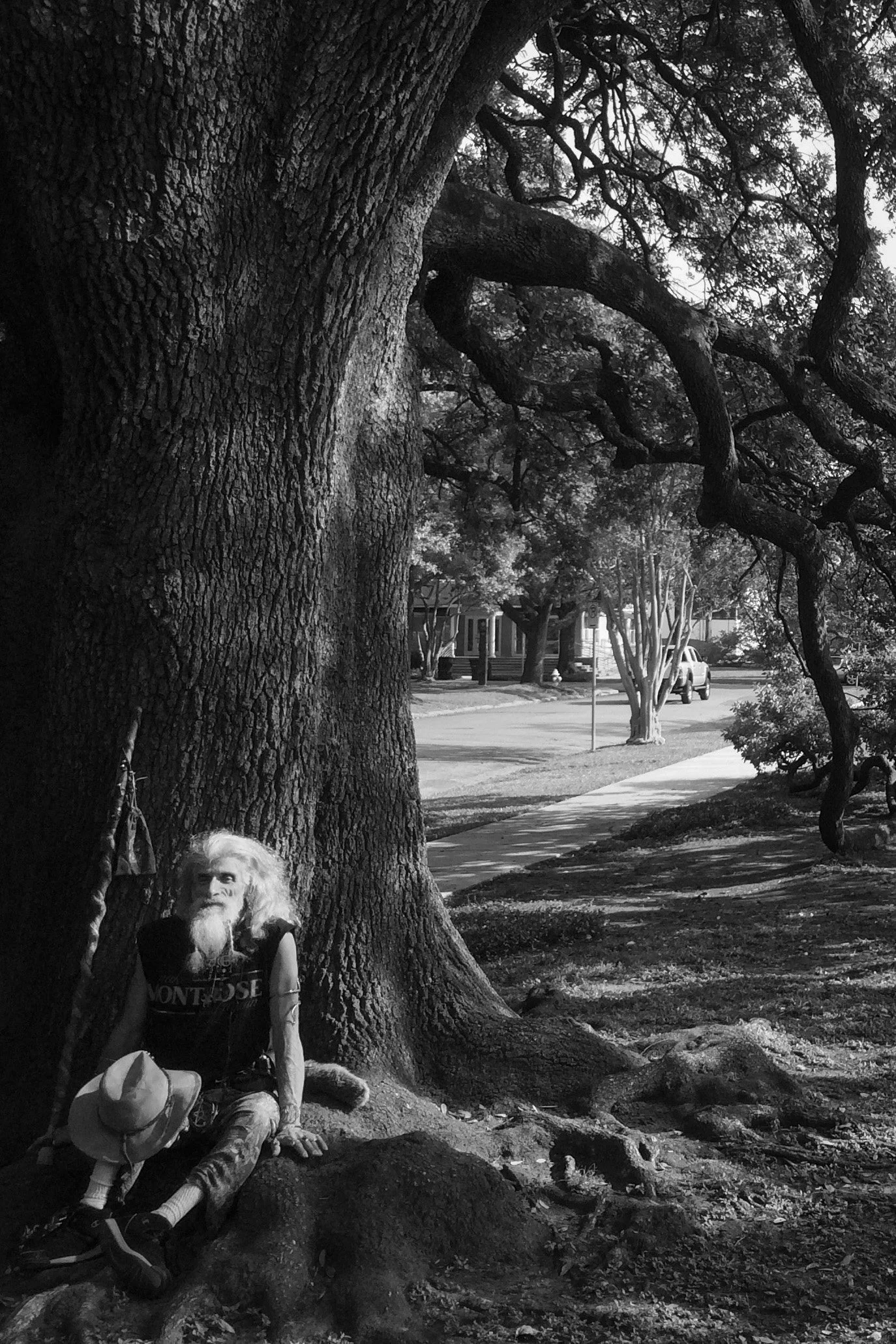
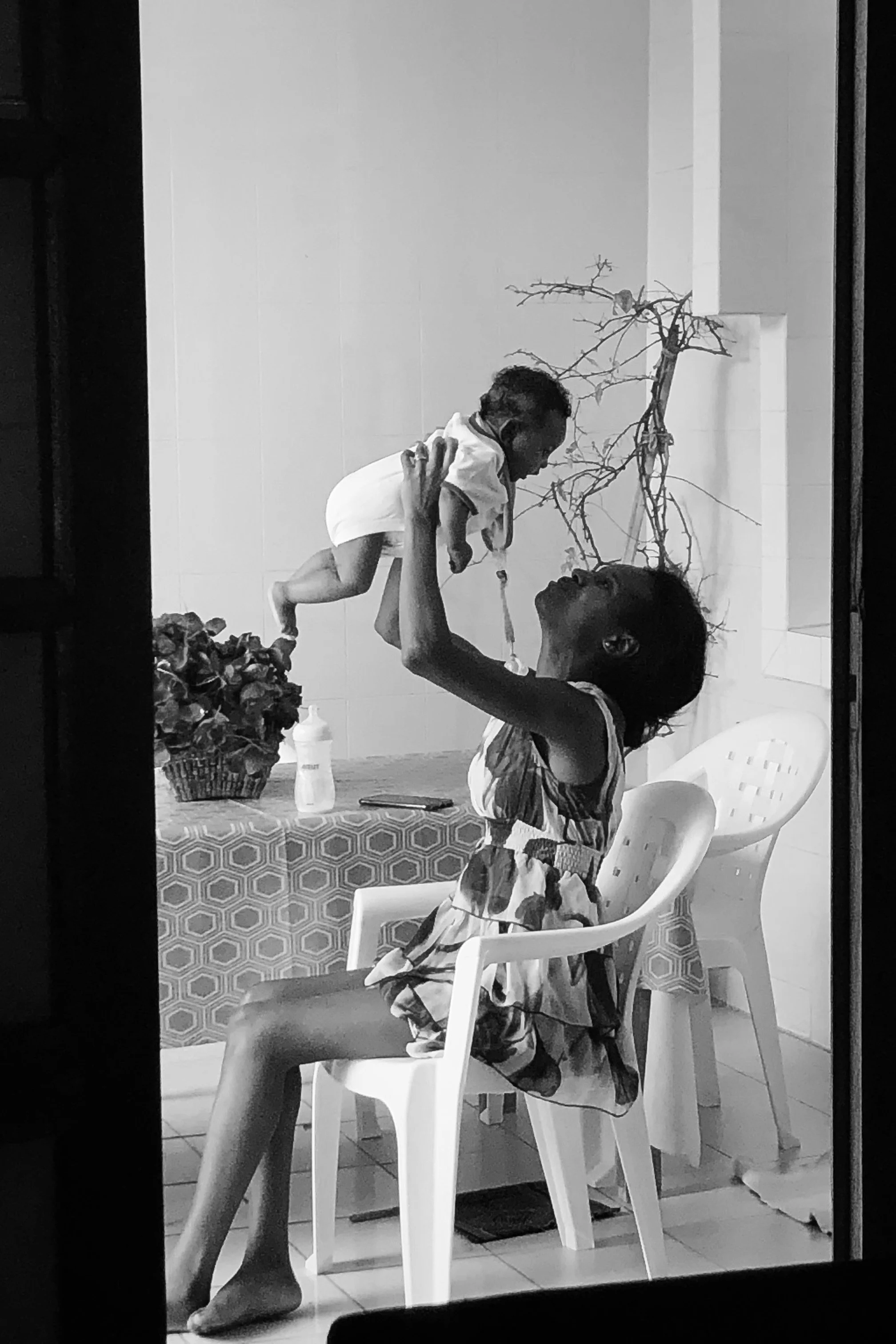
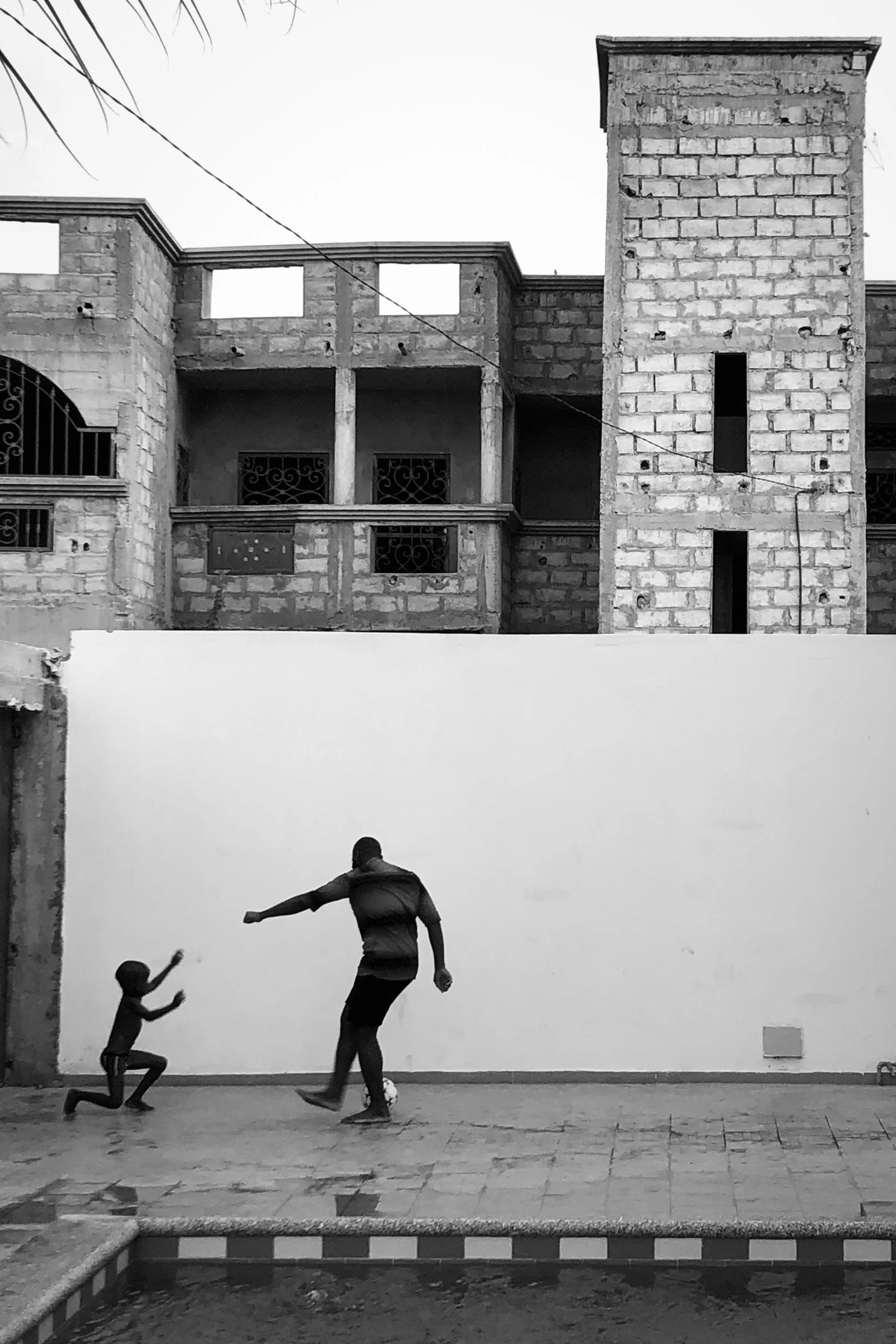
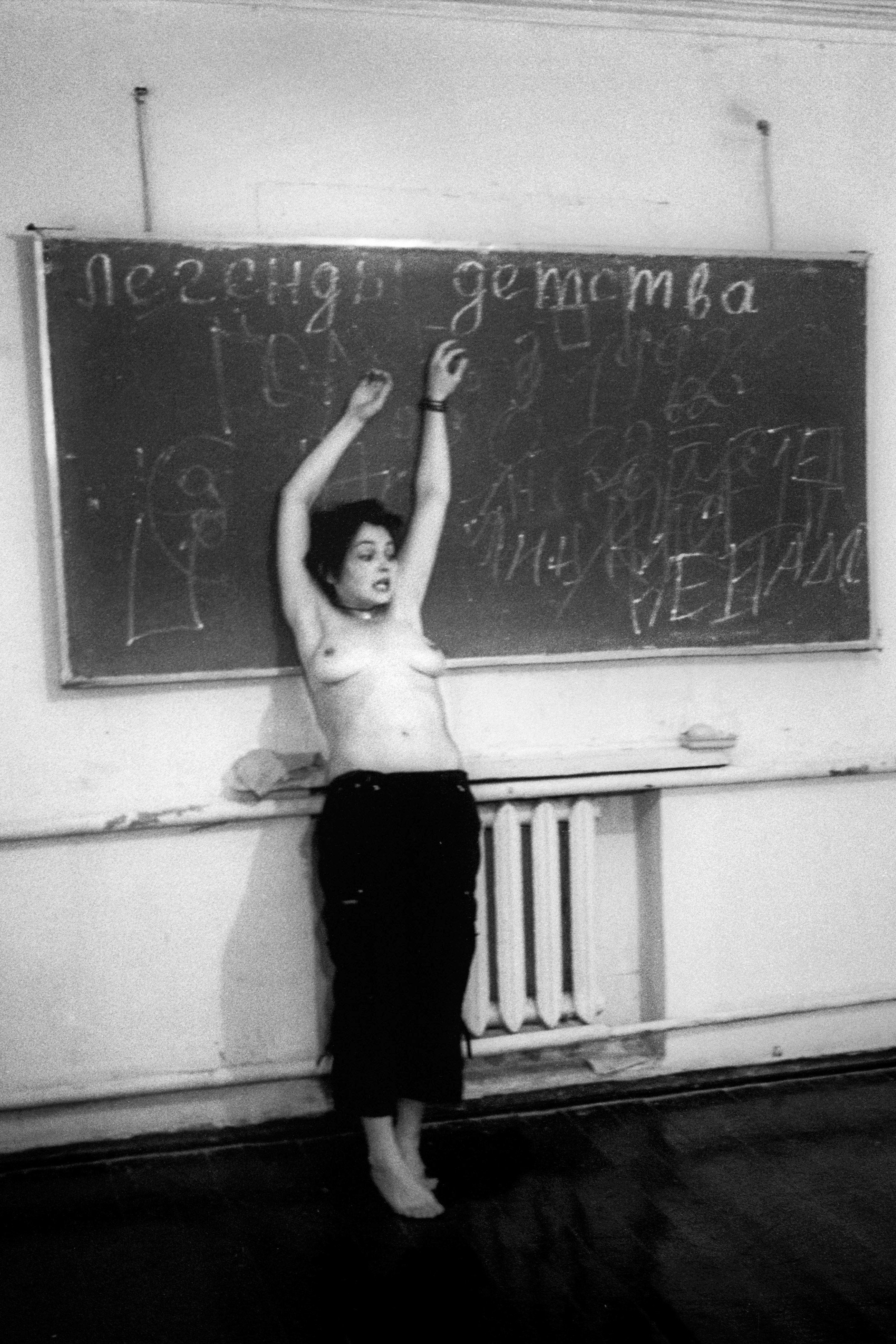
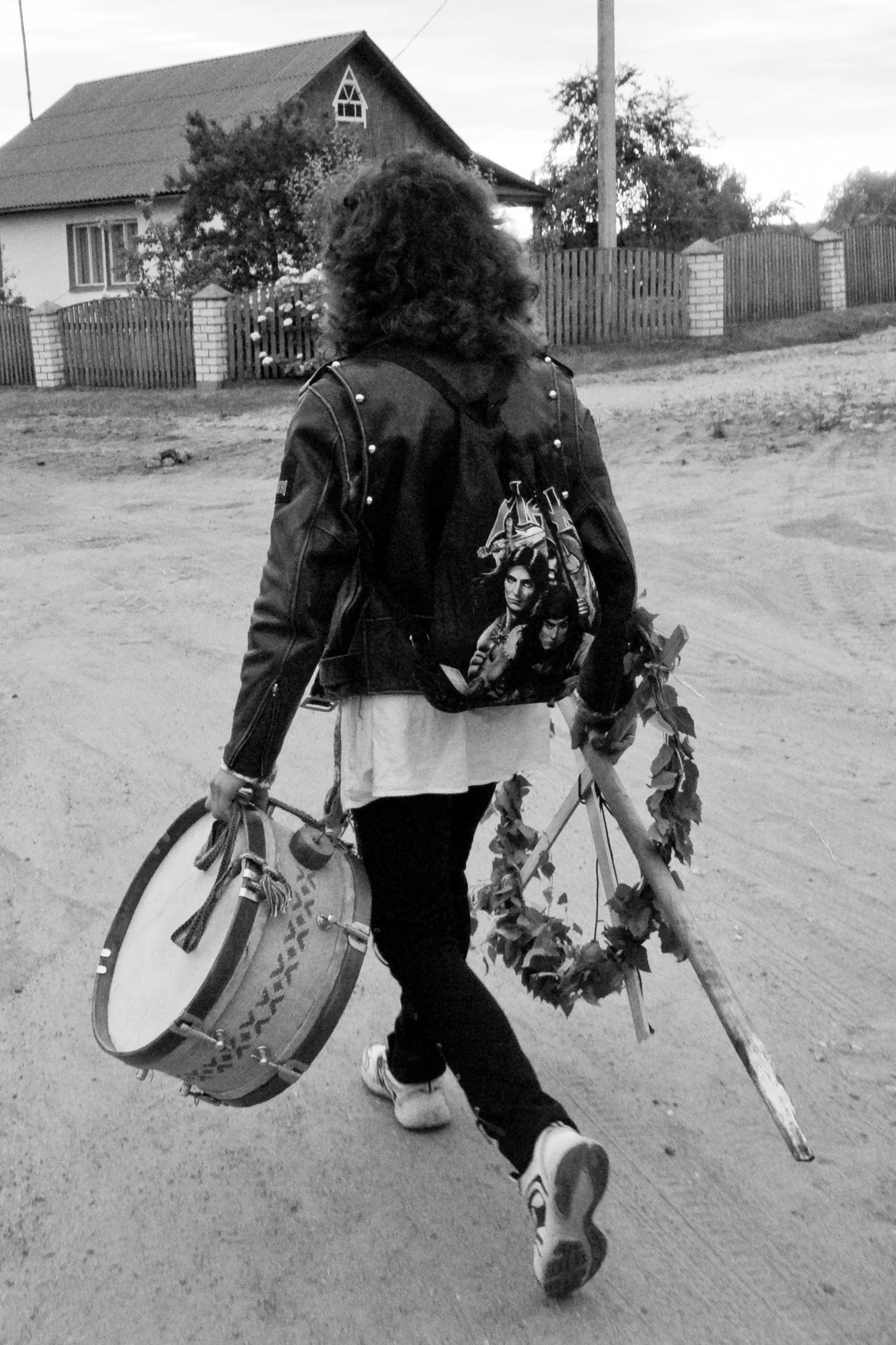
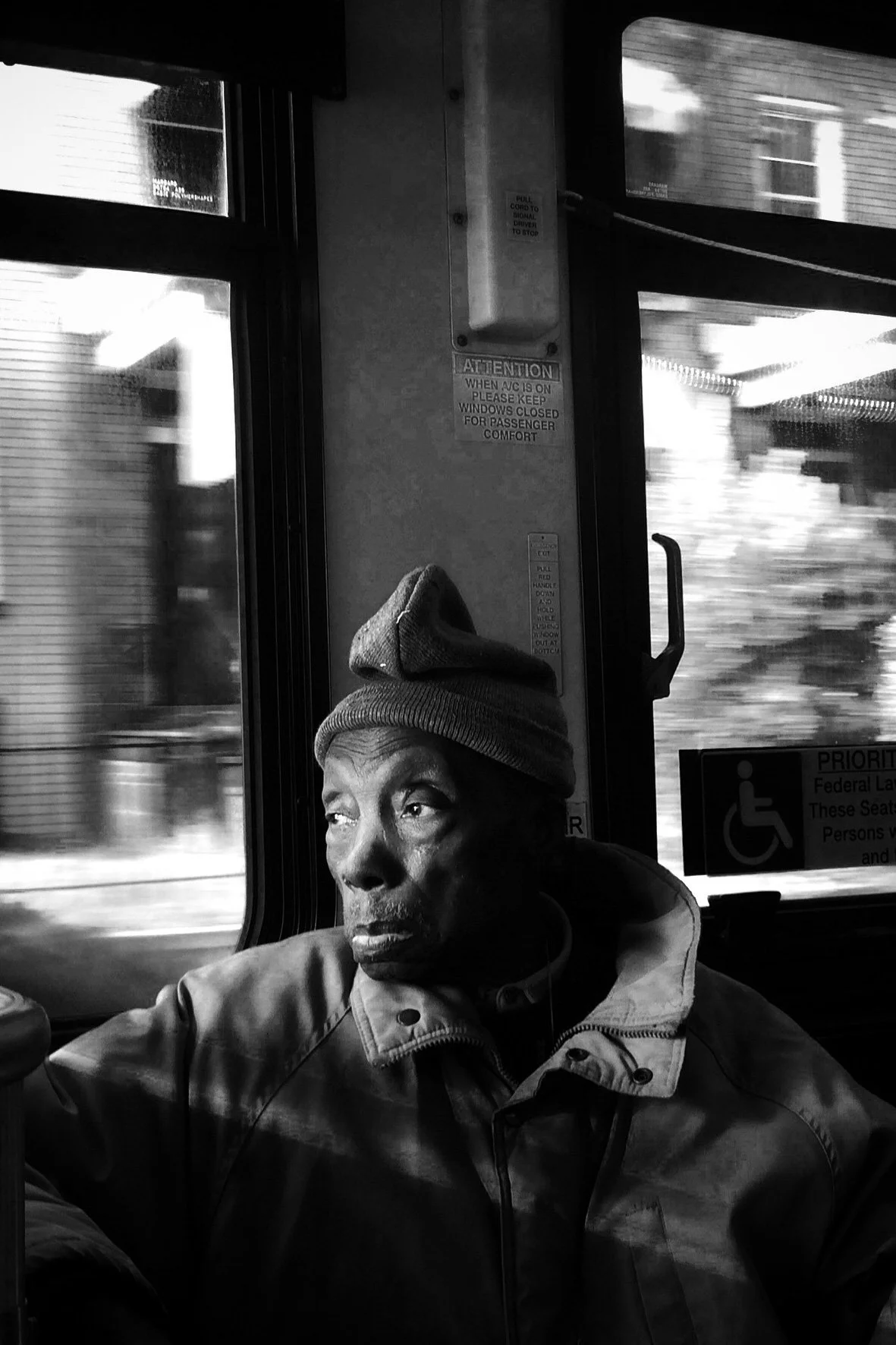
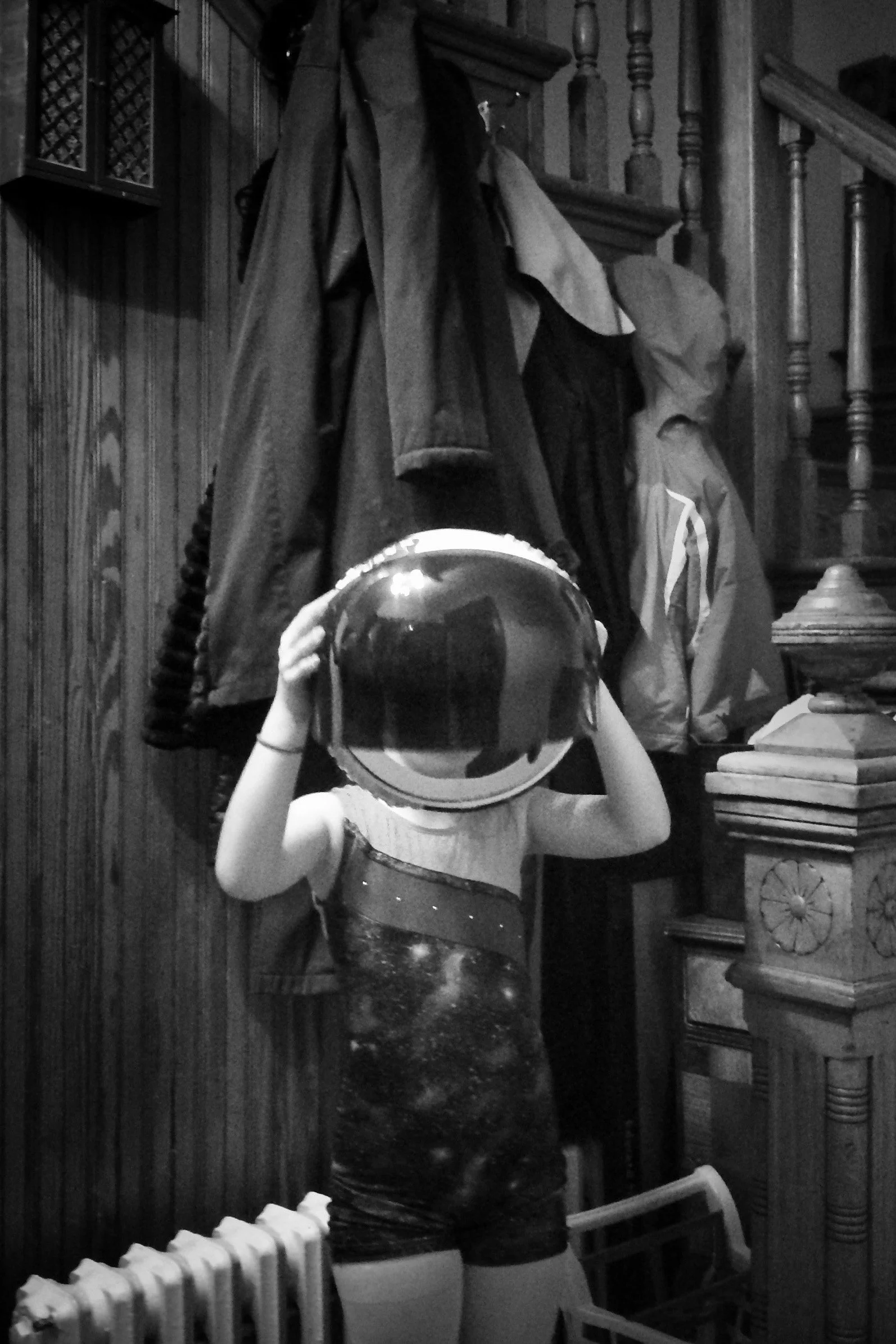
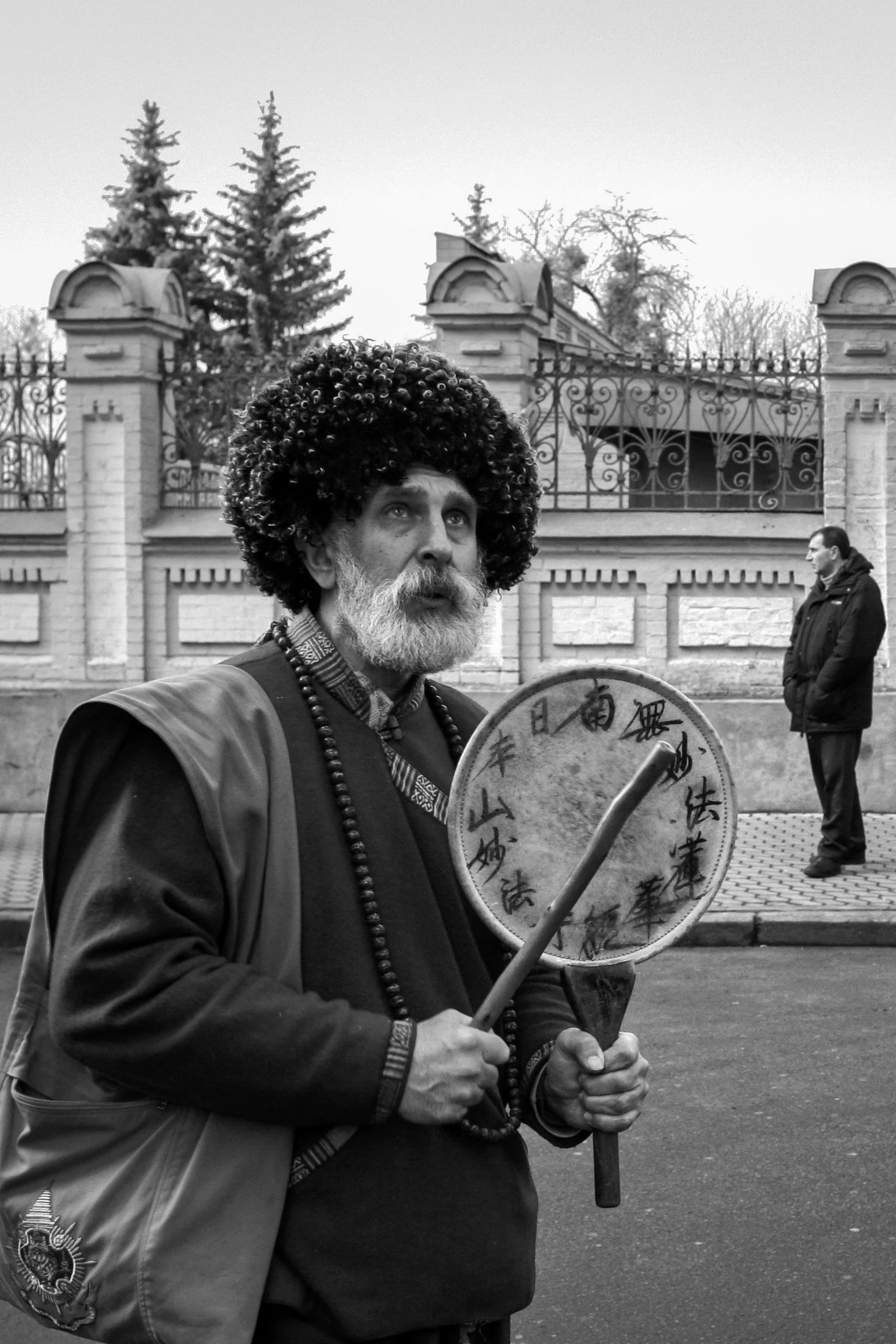
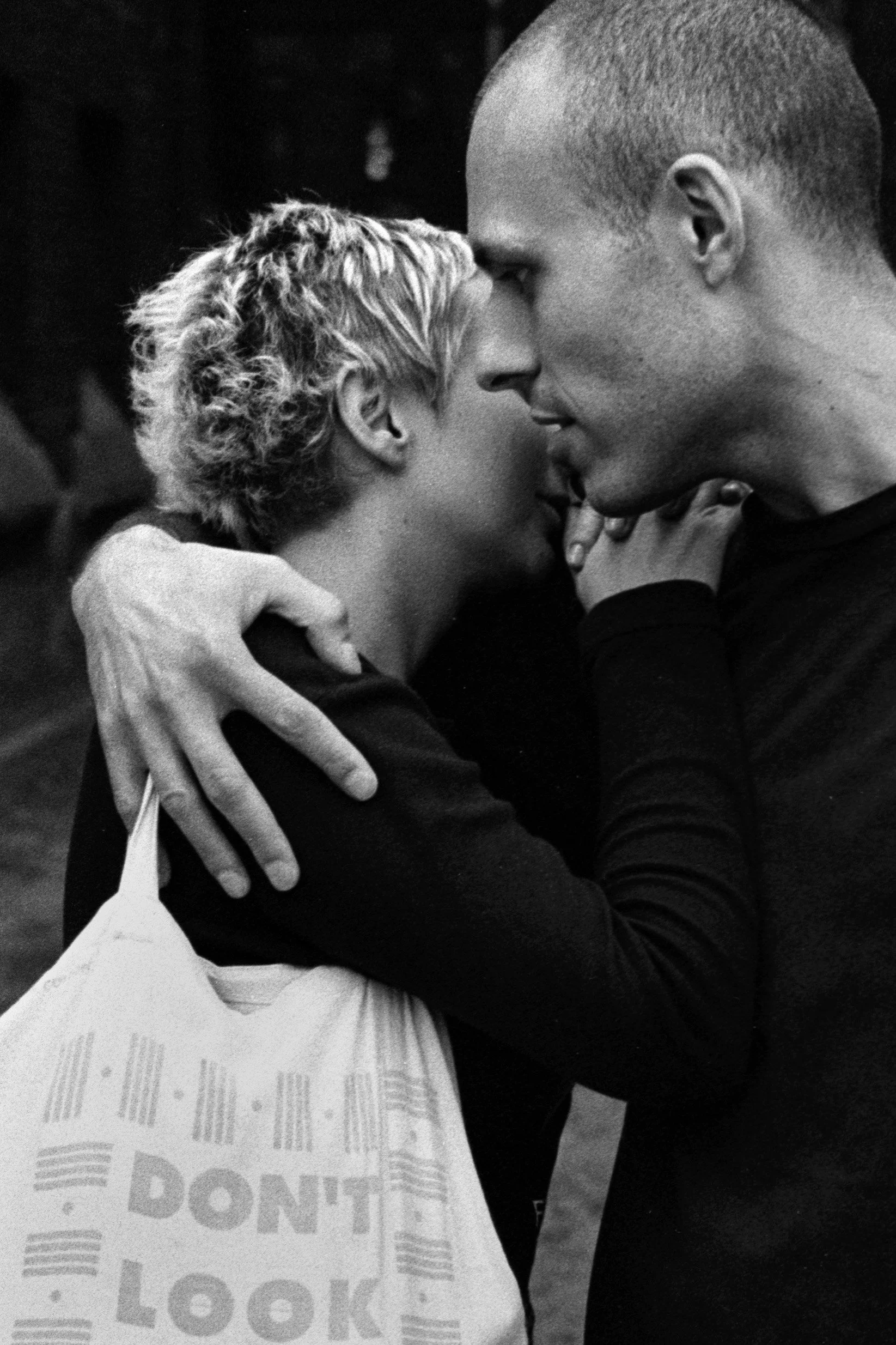
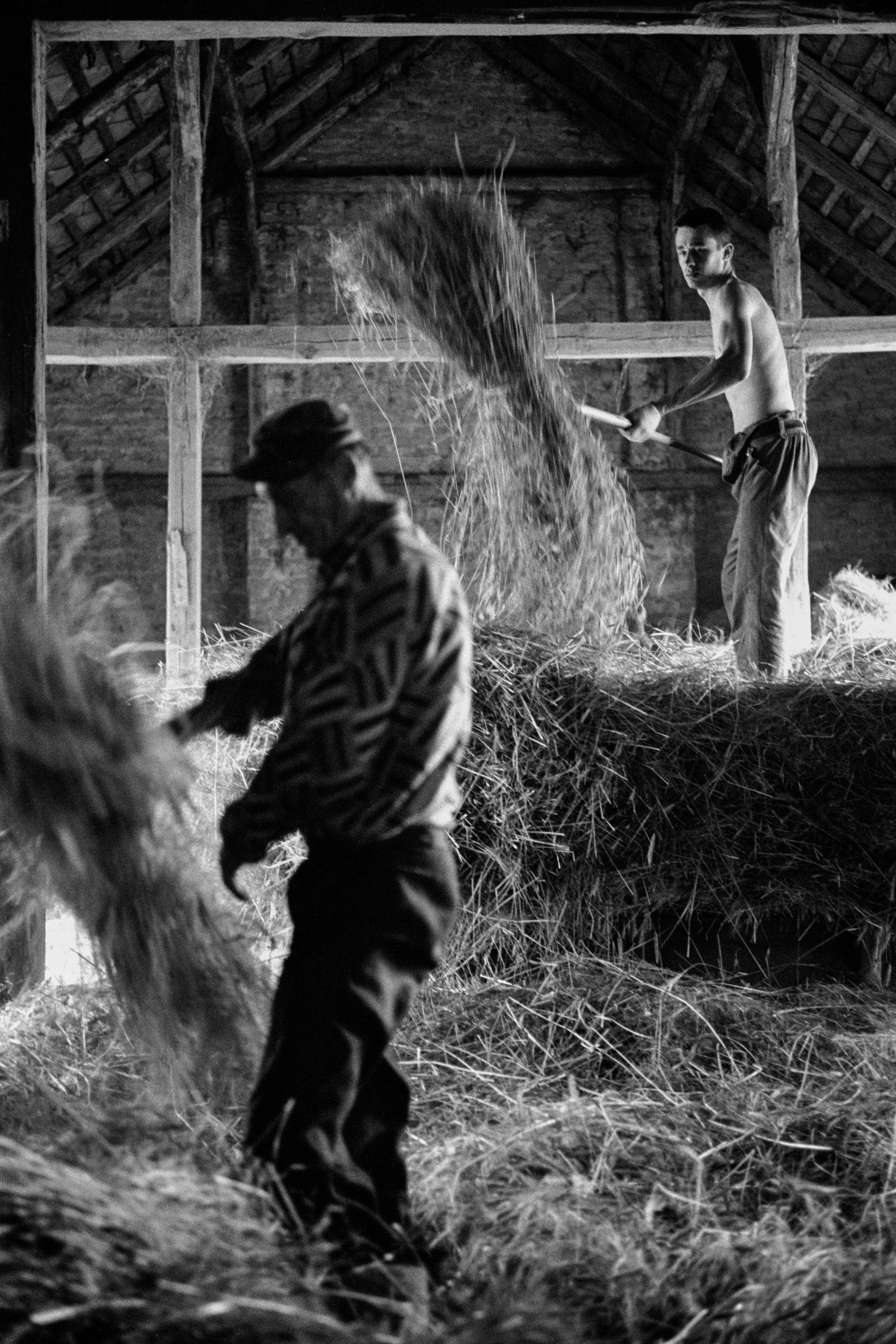
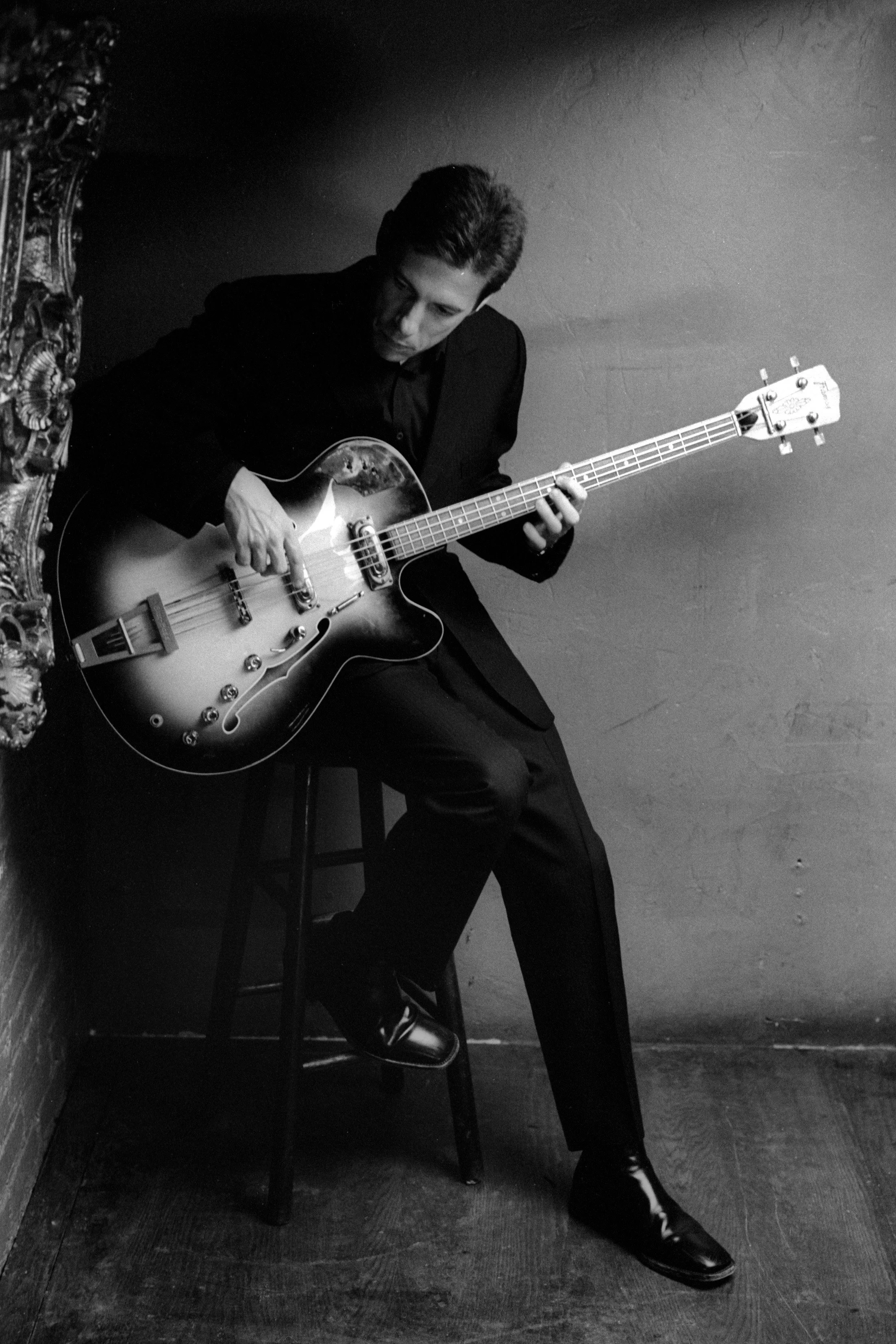
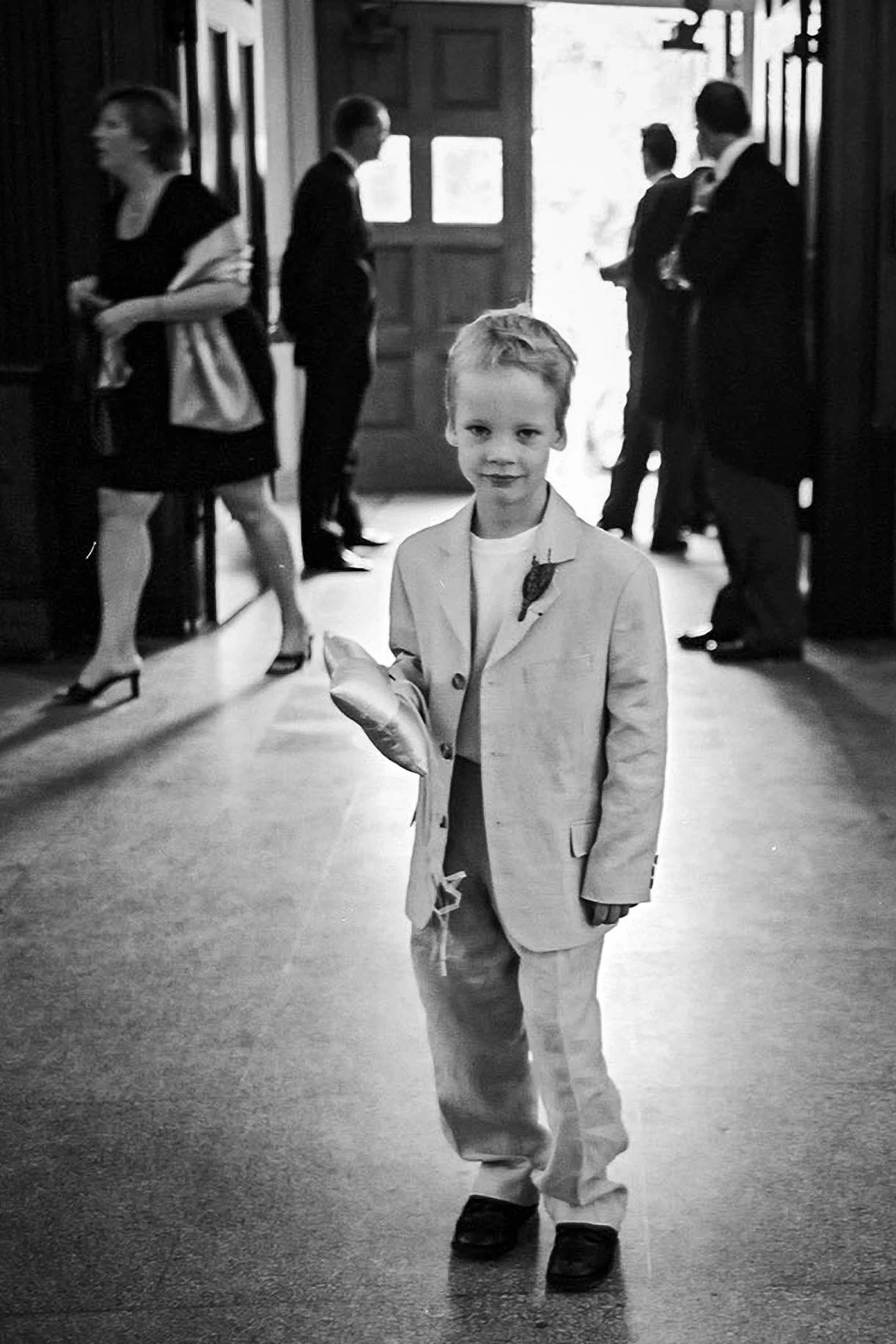
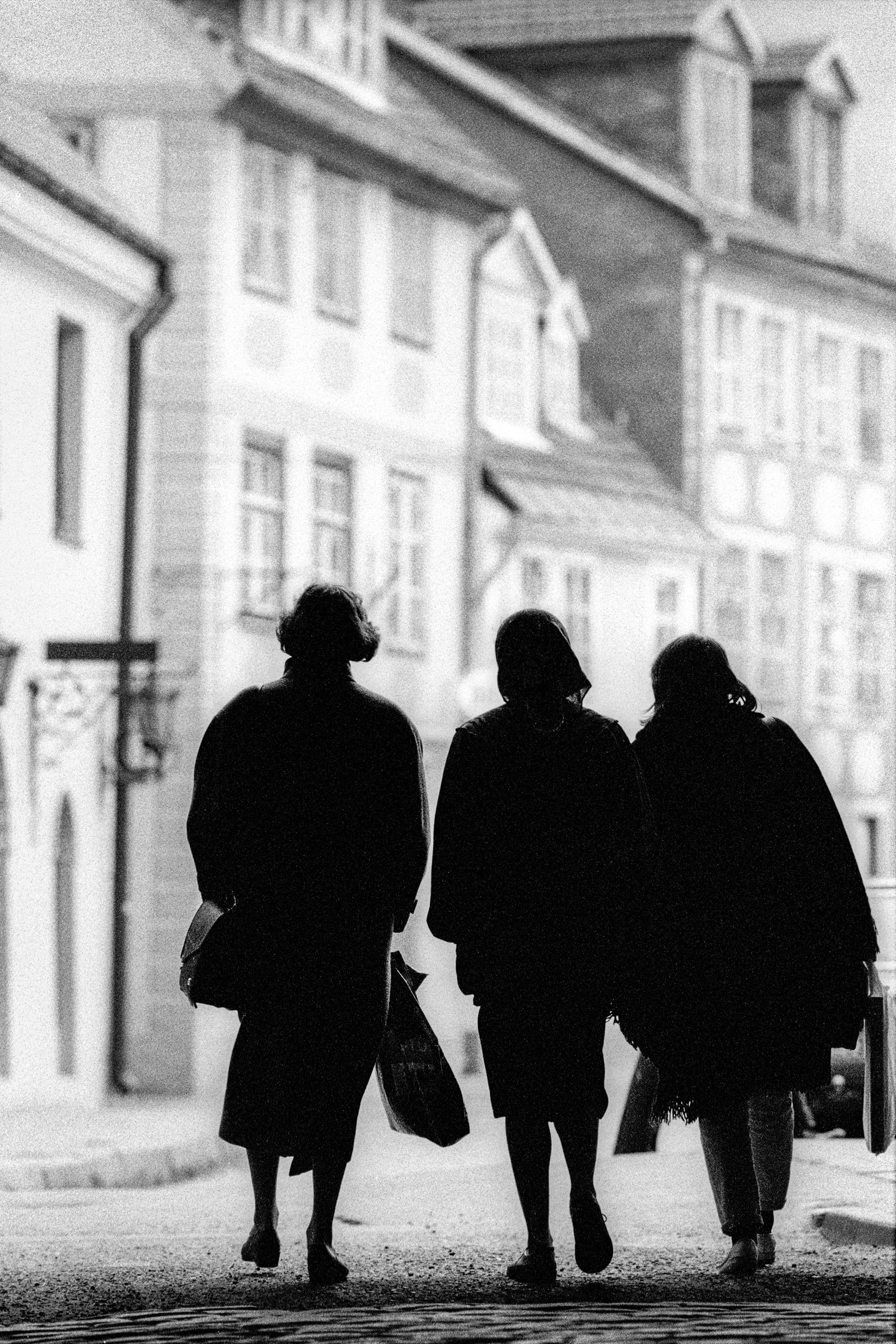
I was preparing a long-winded, somewhat grandiose response but I ditched that. Instead I’ll just offer a set of photos as a rebuttal, a kind of yearbook collection of my own ‘cabal’.
Not the club of gremlins in the shadows, bound by complicity and depravity. Those of us who live in the light, who show up for each other, create beauty and life no matter the time or place or circumstance.
We shape the world, not you m-f’ers.
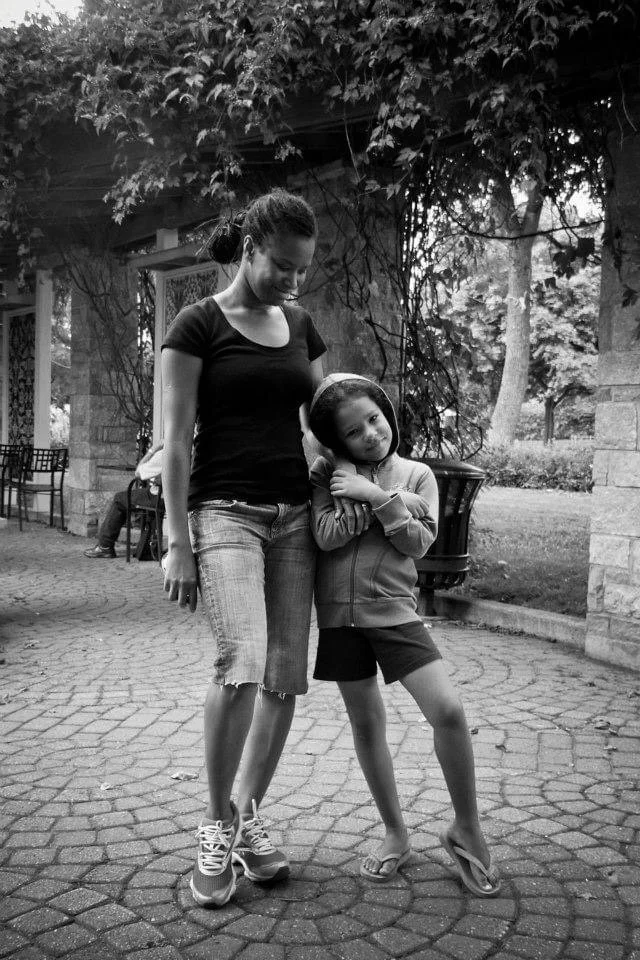
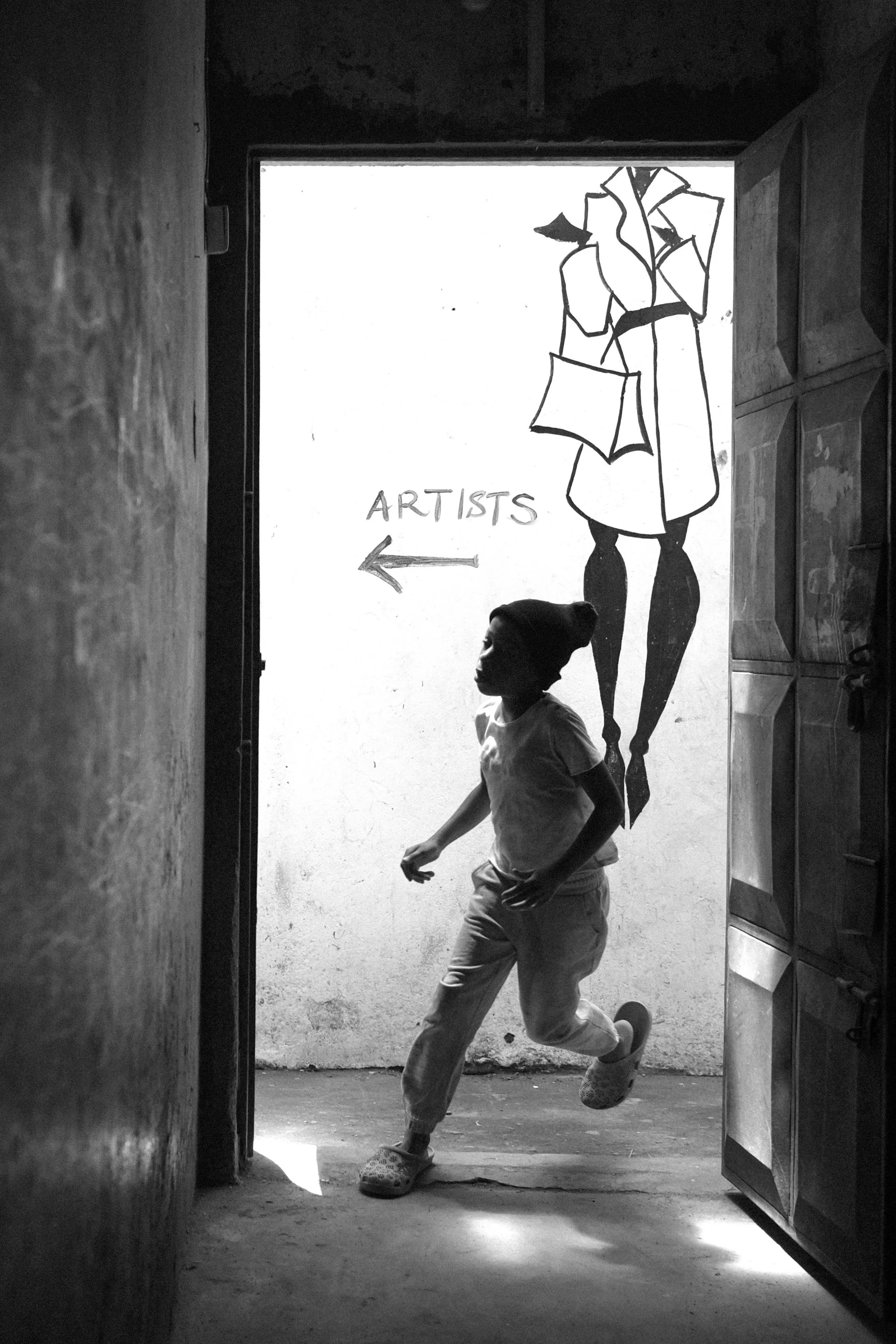
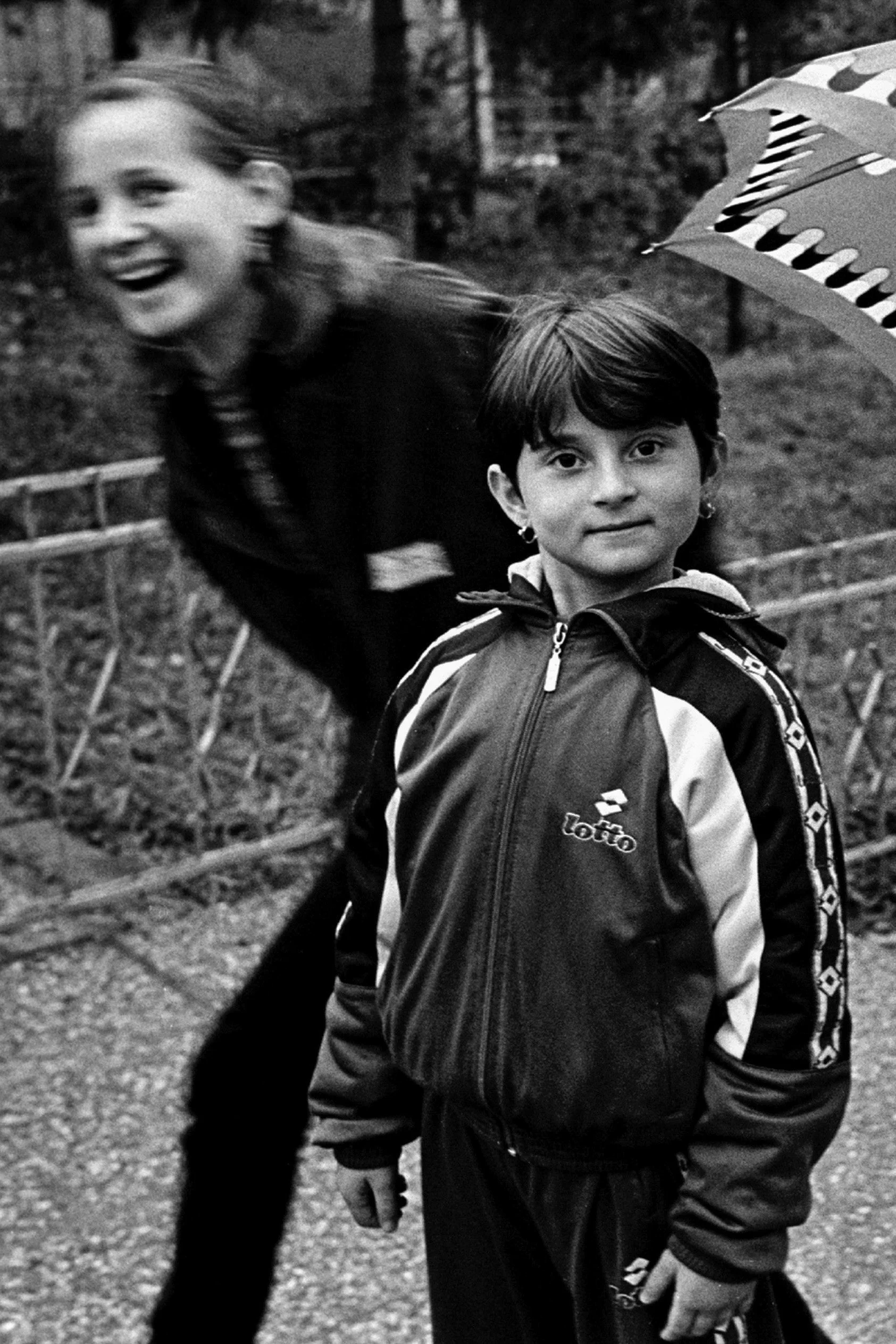
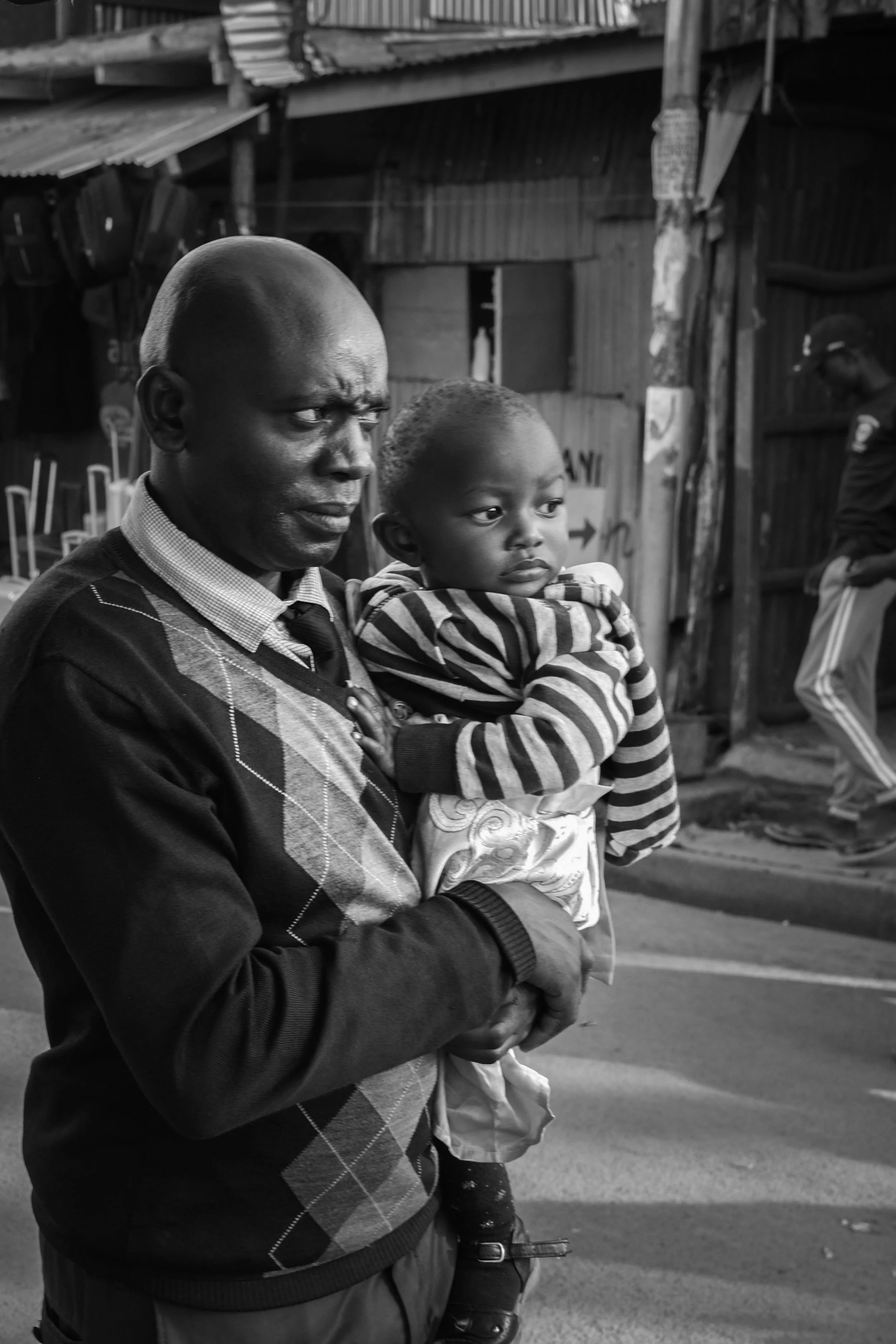

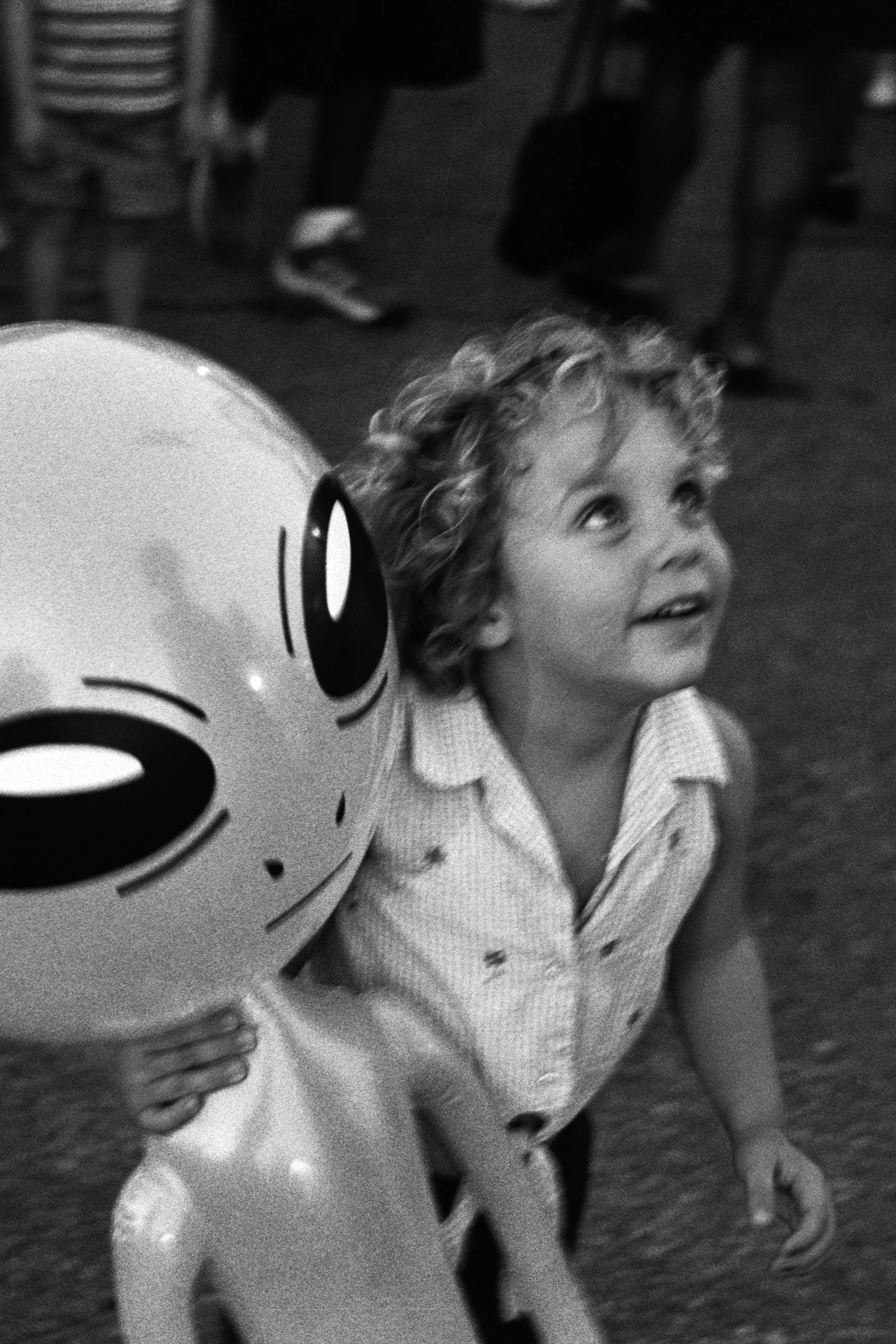
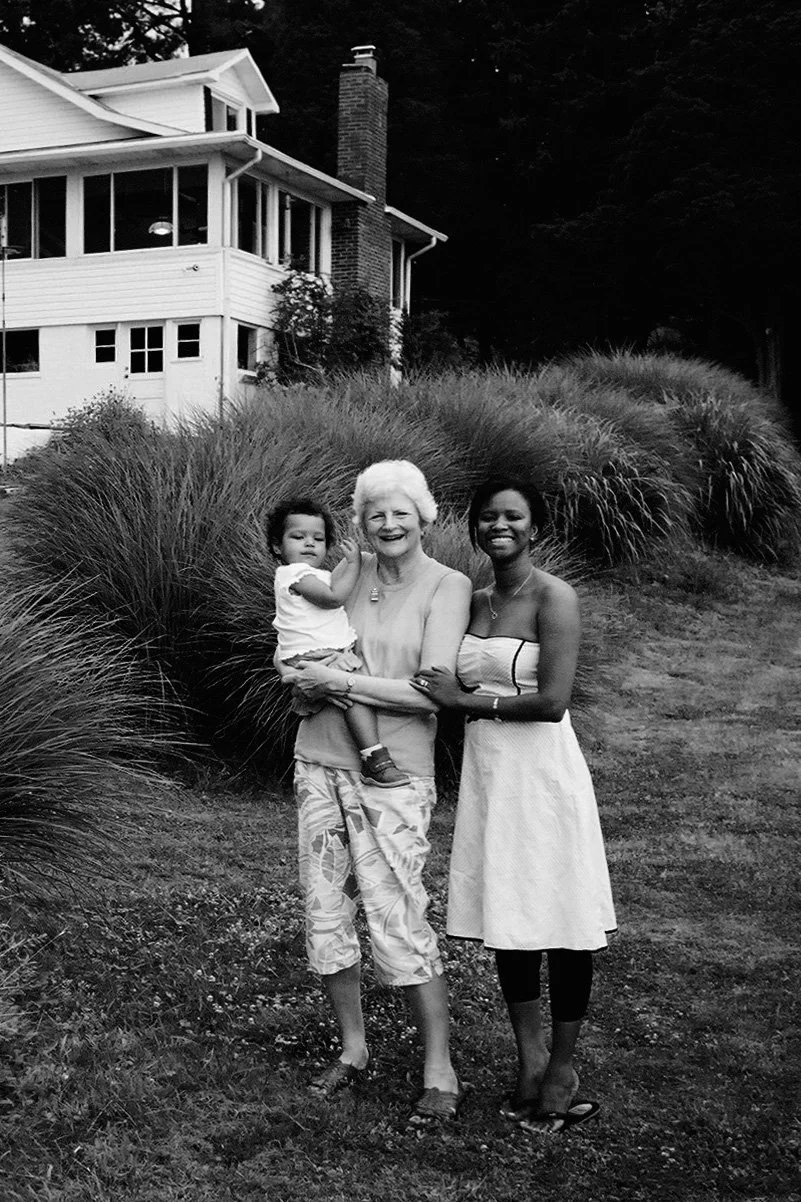
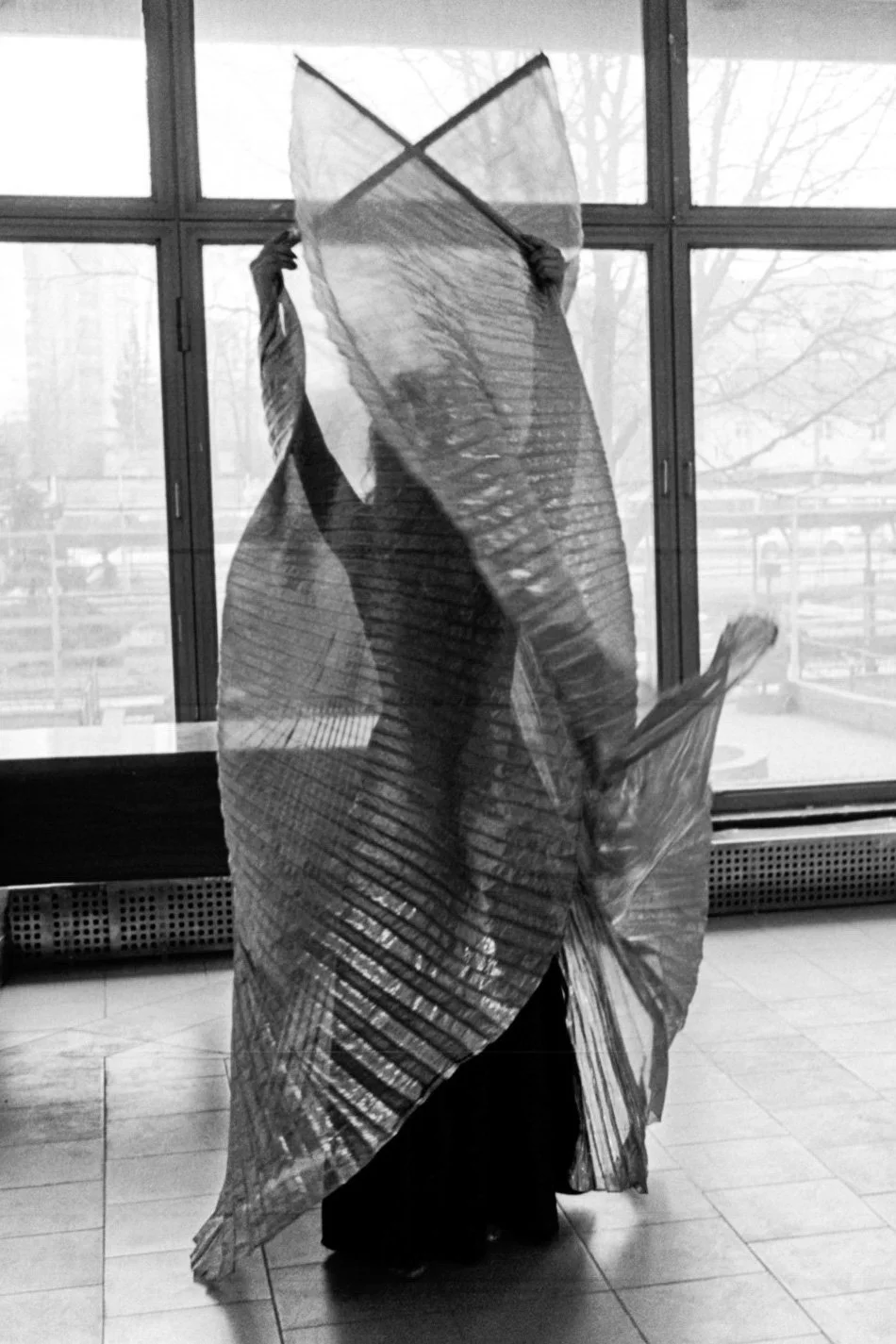
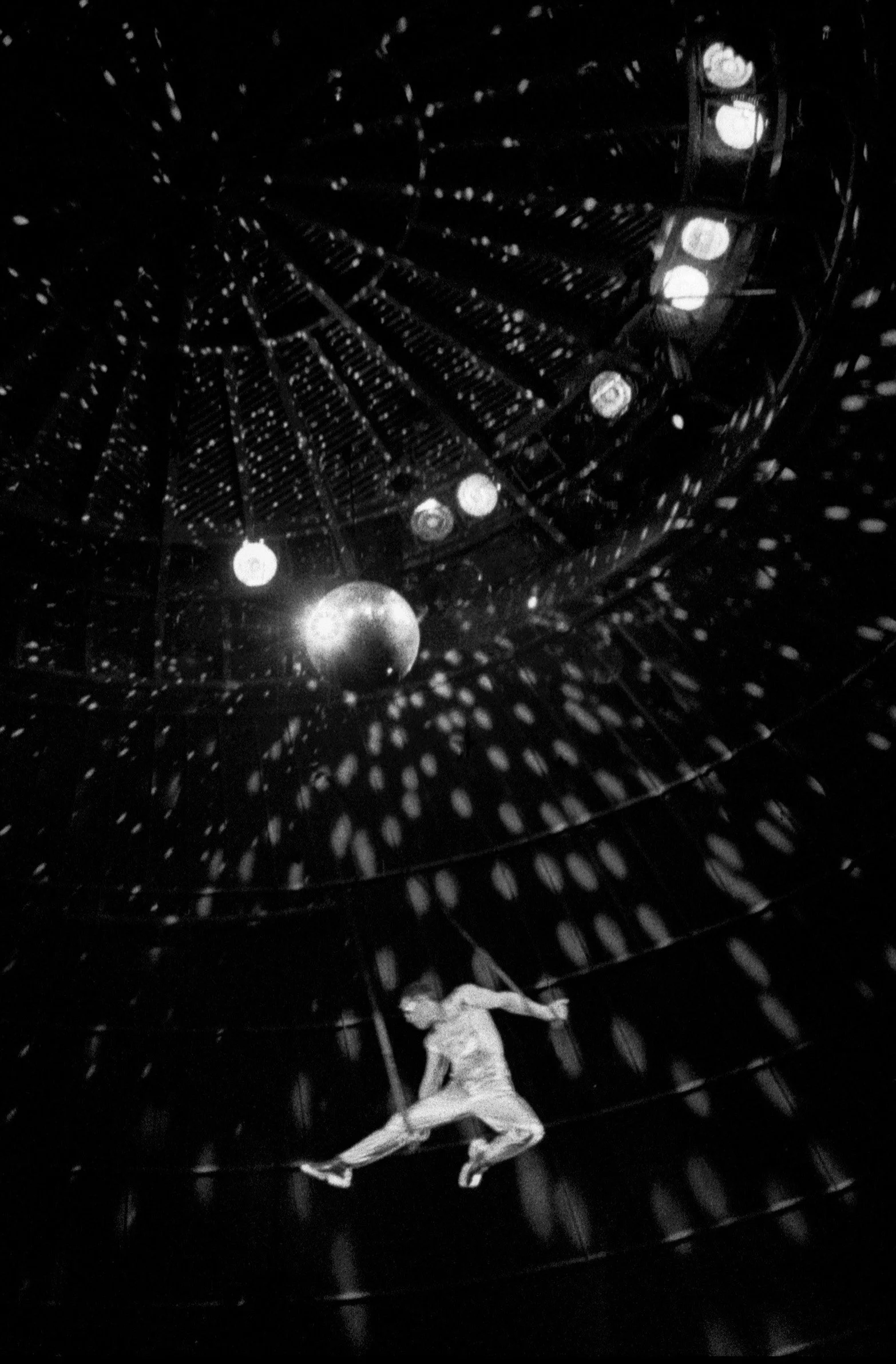
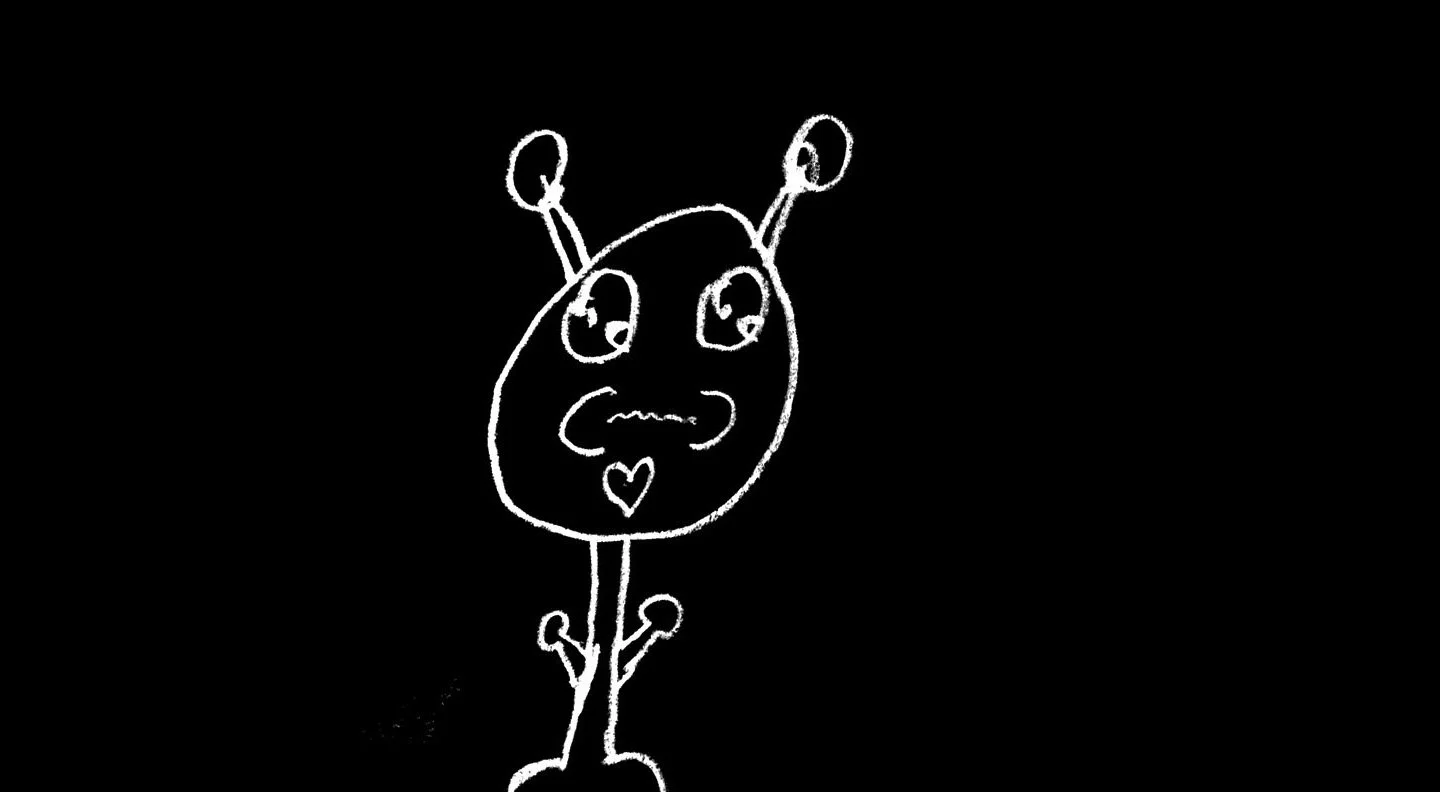
Drawing by Sofia for New World Voyage album art
On Future-Music
What is future music, what do you mean, Bill?
Put simply, to me it’s music that carries us forward and helps us imagine a better future. Stories and ideas that look ahead more than back.
Music that doesn’t get trapped in the amber of various genres. I think genres are actually the enemy of future-music. Not because everything needs to be wildly experimental but overly revering any genre risks making it a kind of museum piece that you are simply mimicking.
I think the trick is to keep building on what has come before. My favorite music does that. I remember the first time hearing Sigur Ros, it was like they invented a new musical vocabulary where I didn’t always know where it was going but still felt richly rewarding. It evoked whole new landscapes in my mind.
Of course, future music will be different for everyone, music is so personal. Right now your inner voice might be piping up with the kinds of music you like. But it’s not so much about that per se, or music as comfort-food entertainment. Getting at the notion of future-music means learning to think about music differently. Being receptive to an artist’s vision and how it can crack you open to new possibilities, sort of like a good book does. Or photography, it totally ties in with how I teach photo ‘authorship’ based on personal vision.
These days we have the devaluation of music, creeping AI, and the general trend of music becoming simply a formulaic commodity. Too often artistry gets lost or overlooked.
So how can we expect music to carry us forward anymore? Who’s even doing it, what would that look like?
I had a great time exploring these questions on Thursday night, co-hosting a two-hour Takoma Radio show with the ‘Night Nurse’, Madona Tyler LeBlanc, and I performed a couple songs live in the studio at the end.
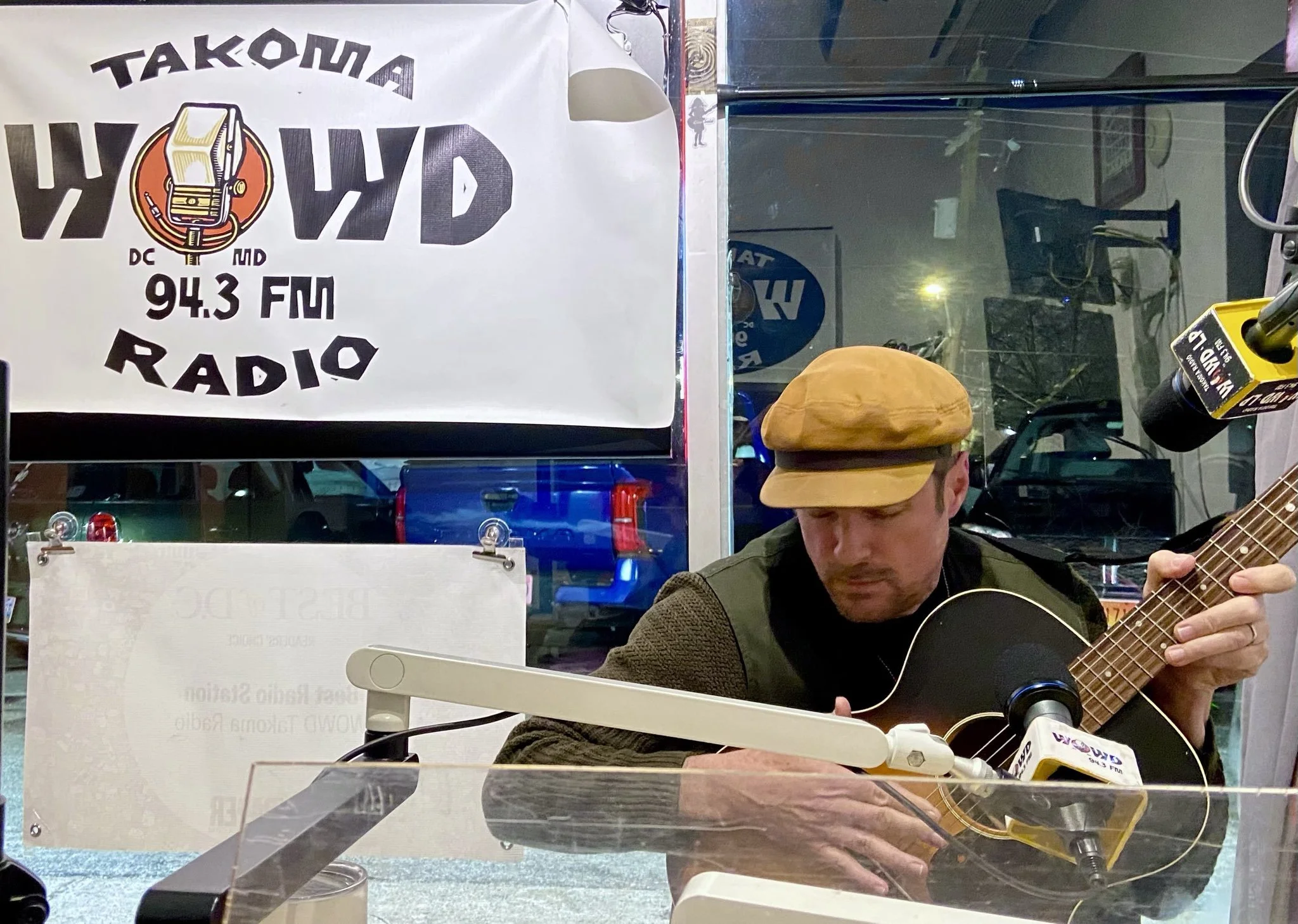
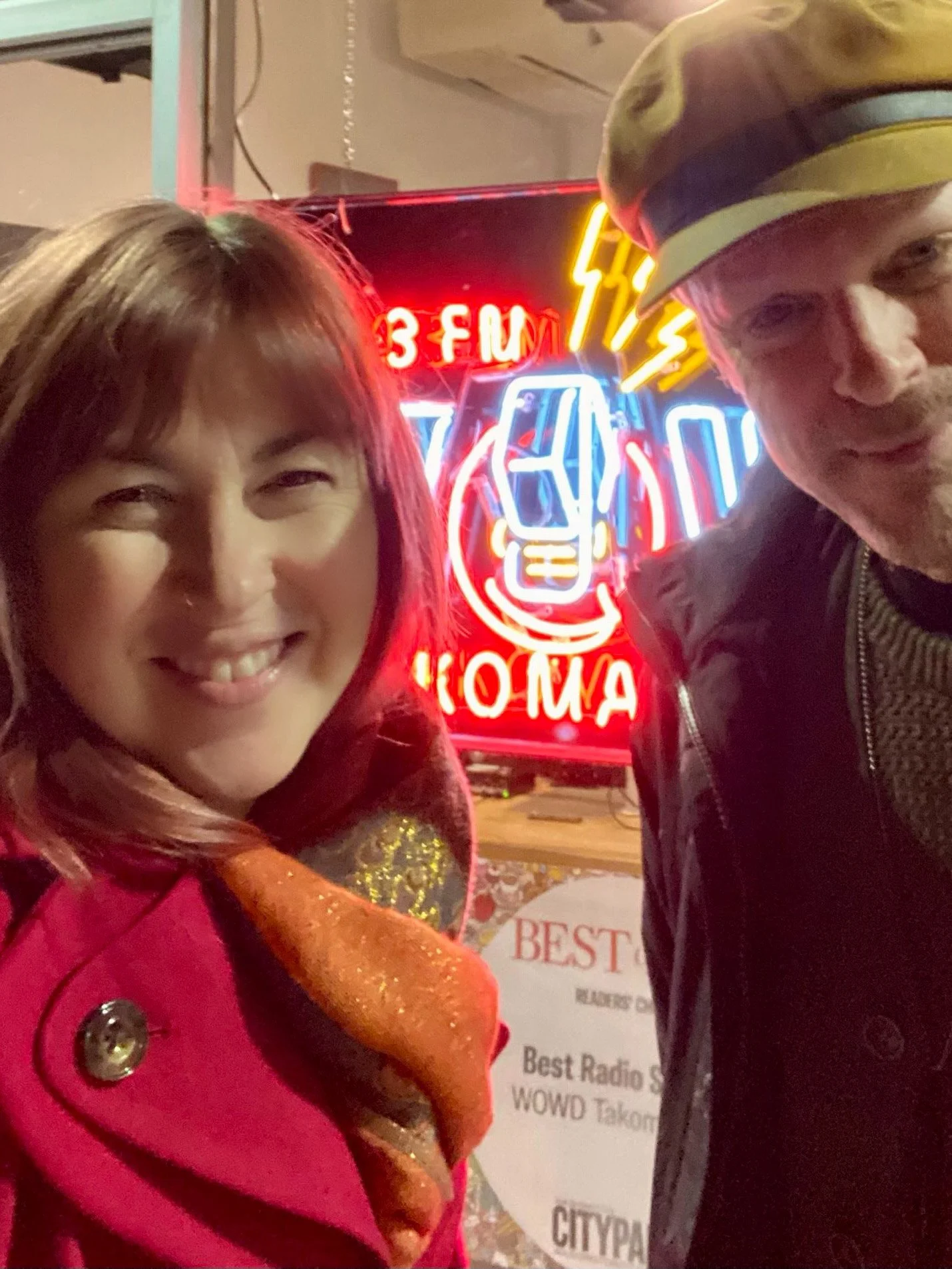
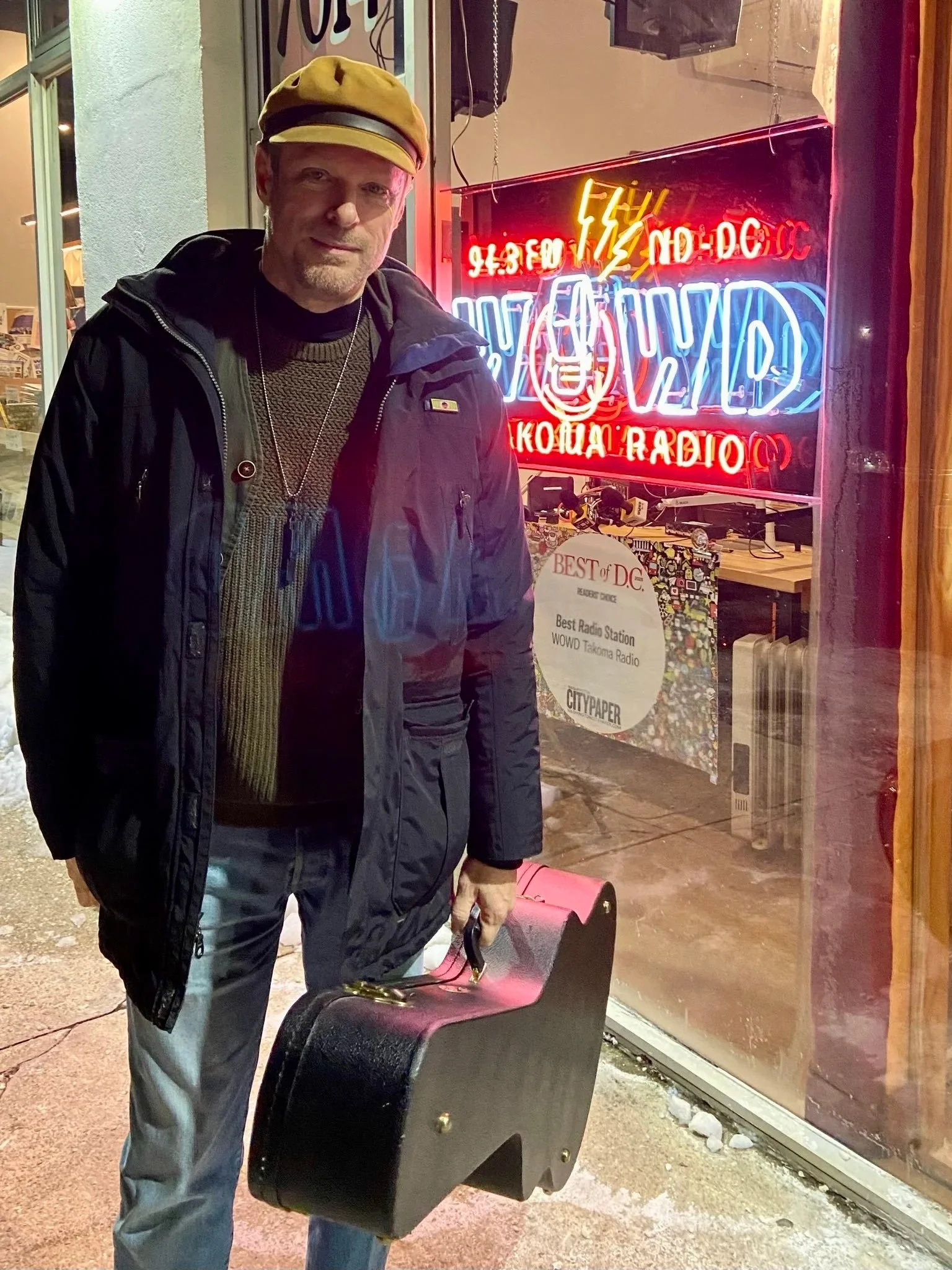
You can find it in the archives here if you’re so inclined. I’ll do a quick recap here while it’s fresh.
First we played and discussed samples from my own playlist, songs that feel like the future to me. Search ‘em up wherever you do music.
Dawning - Yasmin Williams
Yasmin is one of the most innovative and talented guitarists out there, a rising star (and she’s from the DC area!). In this track that virtuosity is put in service of a lovely spring-in-bloom sonic landscape. While she plays the likes of Newport Folk Festival, I would say she’s Exhibit A of future-folk, looking forward not backward.
Little Odessa - Eric Hilton (feat. The Infinite Daisy Chains)
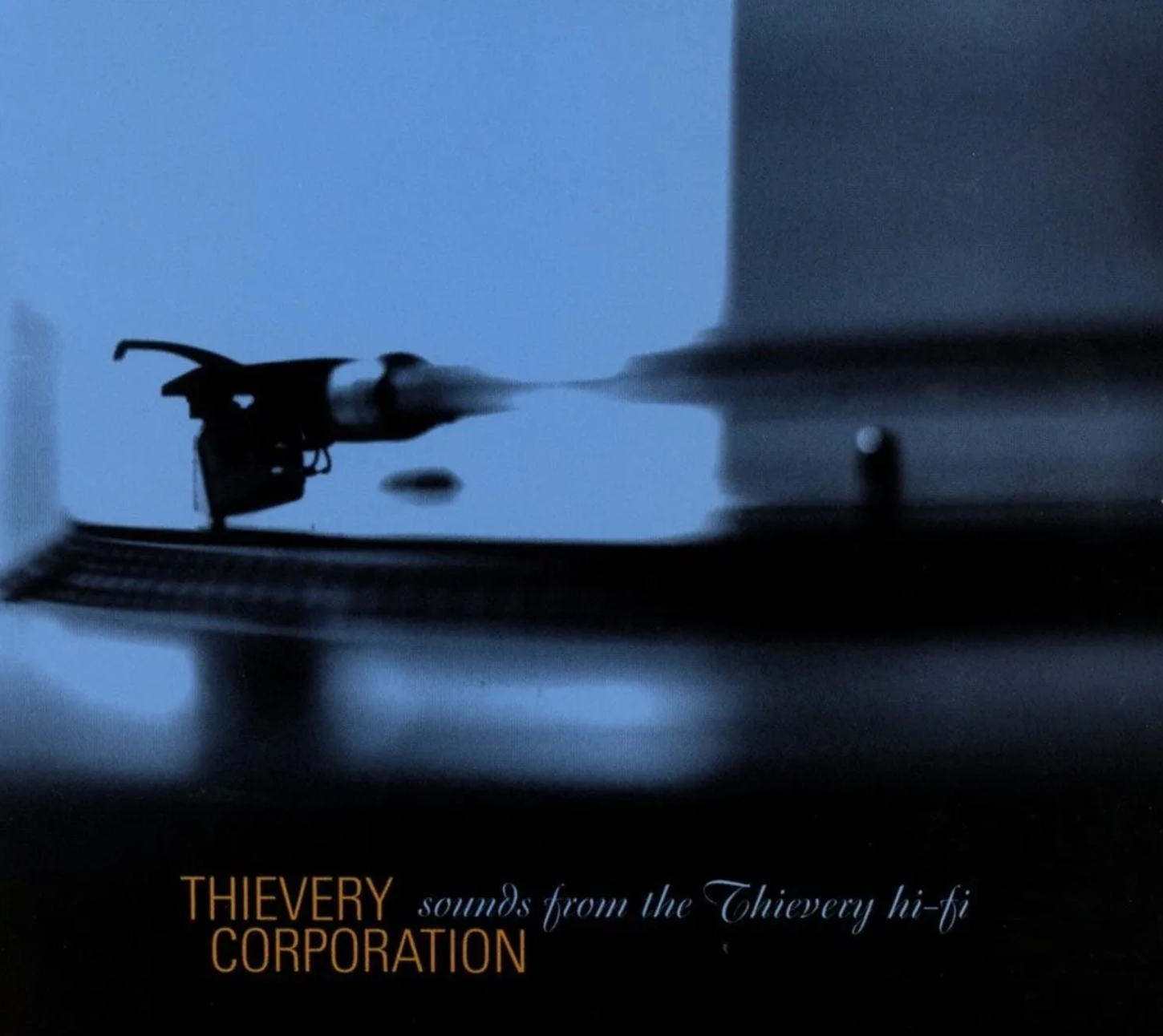
Another DC stalwart, Eric is one of the co-founders of Thievery Corporation, who helped pioneer the lounge/electronica genre in the late 90s. So creating a new genre certainly puts you in the future-music category. But even within their electronica there was world-building going on, a cinematic international stew. As a solo artist Eric has been equally prolific. This track is just one example of his continued formidable vibe-conjuring prowess, this time in collab with fellow DMV-ers The Infinite Daisy Chains, who clearly can hold their own in the future-vibe department.
The Great Big Warehouse in the Sky - Petur Ben
Petur Ben, a fixture in the Reykjavik indie music scene, on one hand is just a guy with an acoustic guitar. But his finger-picking style is dynamic and unusual, as is his voice and songwriting. This song springs from his time in Ukraine, a poetic anthem of sorts for Ukrainian youth he met who use their underground club culture as a sanctuary from decades of crisis after crisis that cloud their future. It’s a good example of how a song can be topical yet not didactic or preachy.
Habibi (A Clear Black Line) - Loney Dear
Loney Dear is a Swedish singer-songwriter named Emil Svanängen, often dubbed Sweden’s Brian Wilson. In contrast with his more layered arrangements, this track is minimalistic, totally stripped down to his voice and piano. Voice bone-dry, no reverb, almost painfully intimate. Feels like a live take in a living room, which likely what it is. What really sets it apart is that it’s a song for immigrants, a plaintive call for more mercy and decency in how we welcome them. It’s a protest-song-as-lullaby, taking us forward by showing us how to get a point across and engage people in new ways.
There Are Several Alberts Here - Loney Dear
I including this one too as an example of his fuller arrangements. It leads off with random steampunk bleeps and blurbs. As it continues, with low chords swelling and mysterious reverb-drenched cracks and snaps in the distance, what emerges with the melody and chords is more like a power pop song in disguise, buried in the fog. Melancholic but quite catchy and astonishingly inventive.
Others that we didn’t get to but you might want to check out:
Fighter - ISAK (“women on the move, we fight for each other”)
Like Real People Do - Hozier (nature version)
Open the Light - Boards of Canada (the sonic equivalent of waking up in the future with a mix of hope and disorientation)
In the second hour we discussed my 2016 concept album New World Voyage, which I’m super proud of, as an example of future music of my own. In this case it’s literally *about* the future, the first humans to leave Earth forever for Mars. The sequence of tracks and album art suggests a loose story about what happens to them.
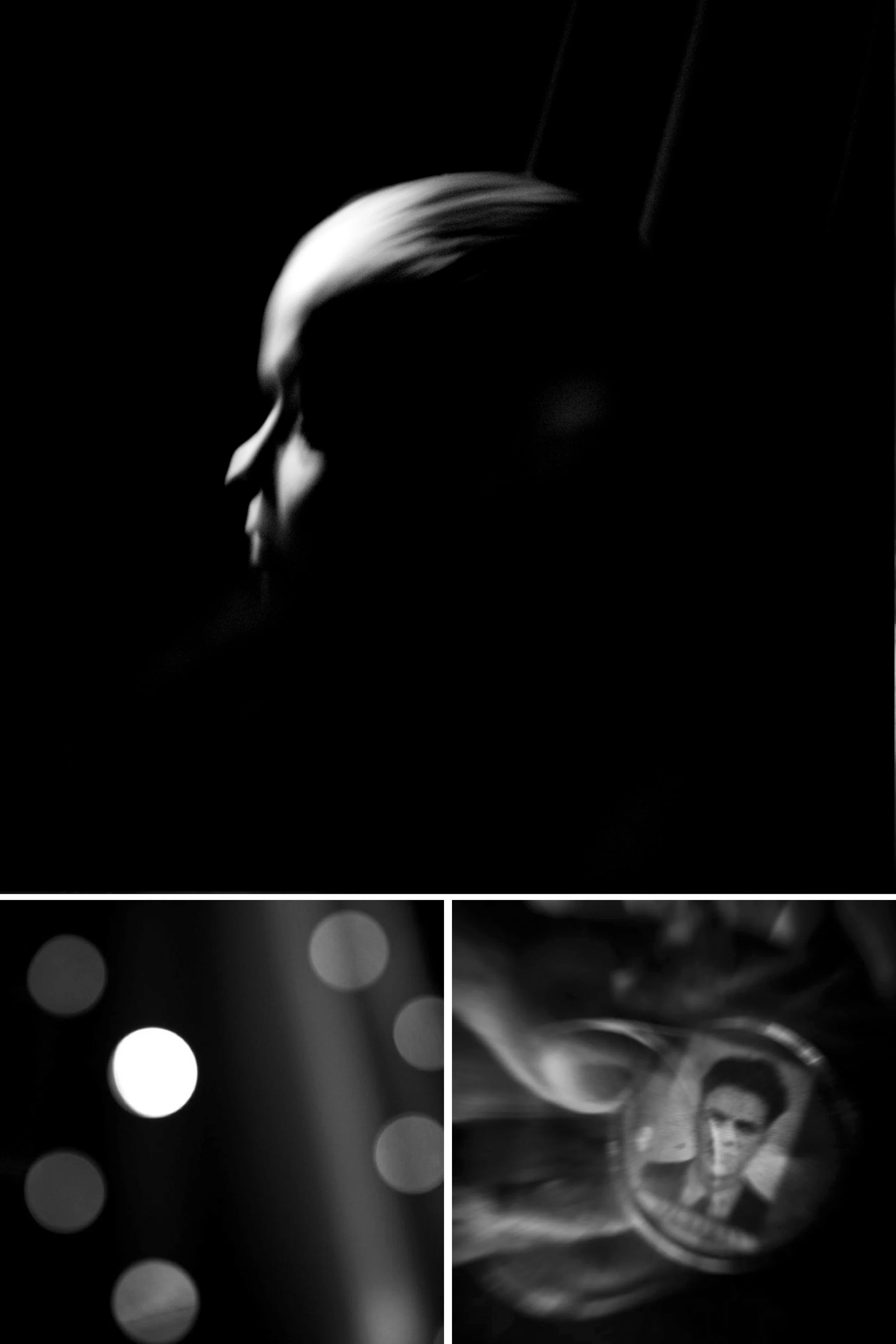
Images from the New World Voyage digital booklet
I generally think of my songs as future-folk, in this case the songs of the journey itself from the perspective of the crew. We played three tracks - Love Again, Echoes, and Feel - and talked about their roles in the narrative.
We ran short on time but I played two songs live. Feel, to show how I rearranged it for solo acoustic. And Heavenly, a song I wrote years ago in a band I was in but now fits well in my Mars suite.
The joke is that the world went to shit when David Bowie died, but there’s some truth to it. He was a good example of someone always pointing the way forward, toward something better, in interesting and humanistic ways. I don’t think we have enough of that now, and we’re hurting as a result.
More future-music might at least help us believe in the future again.
A Man of a Certain Age
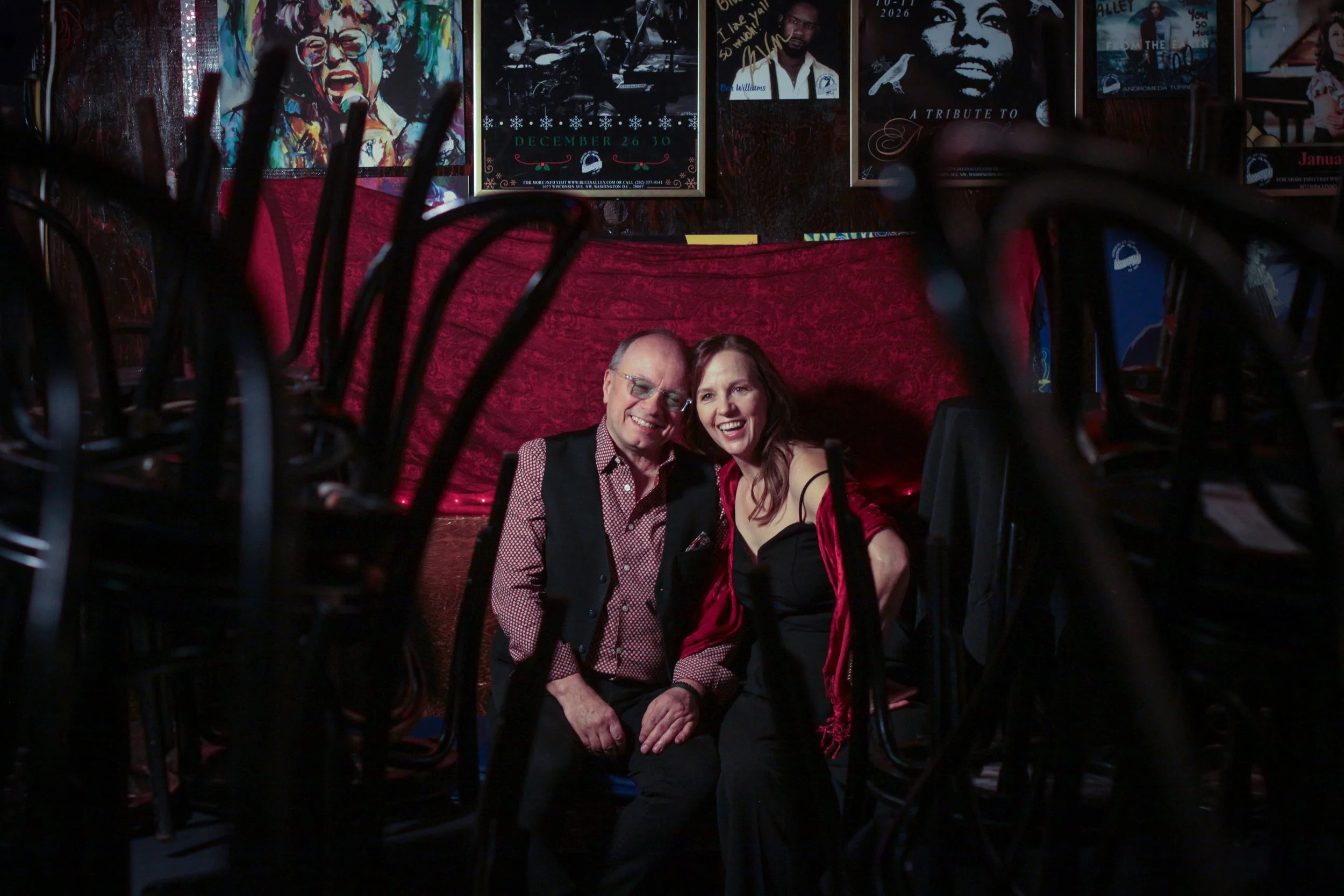
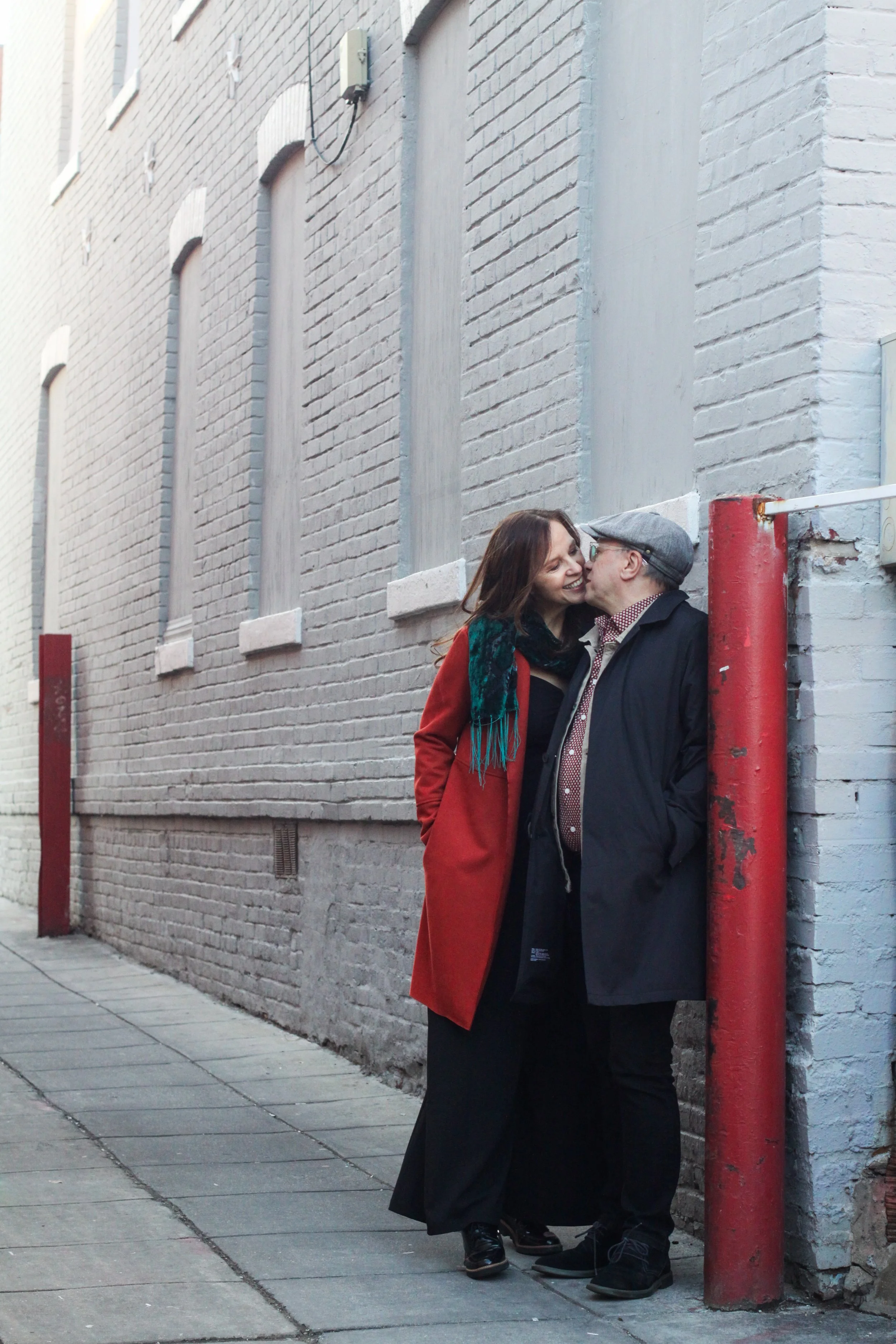
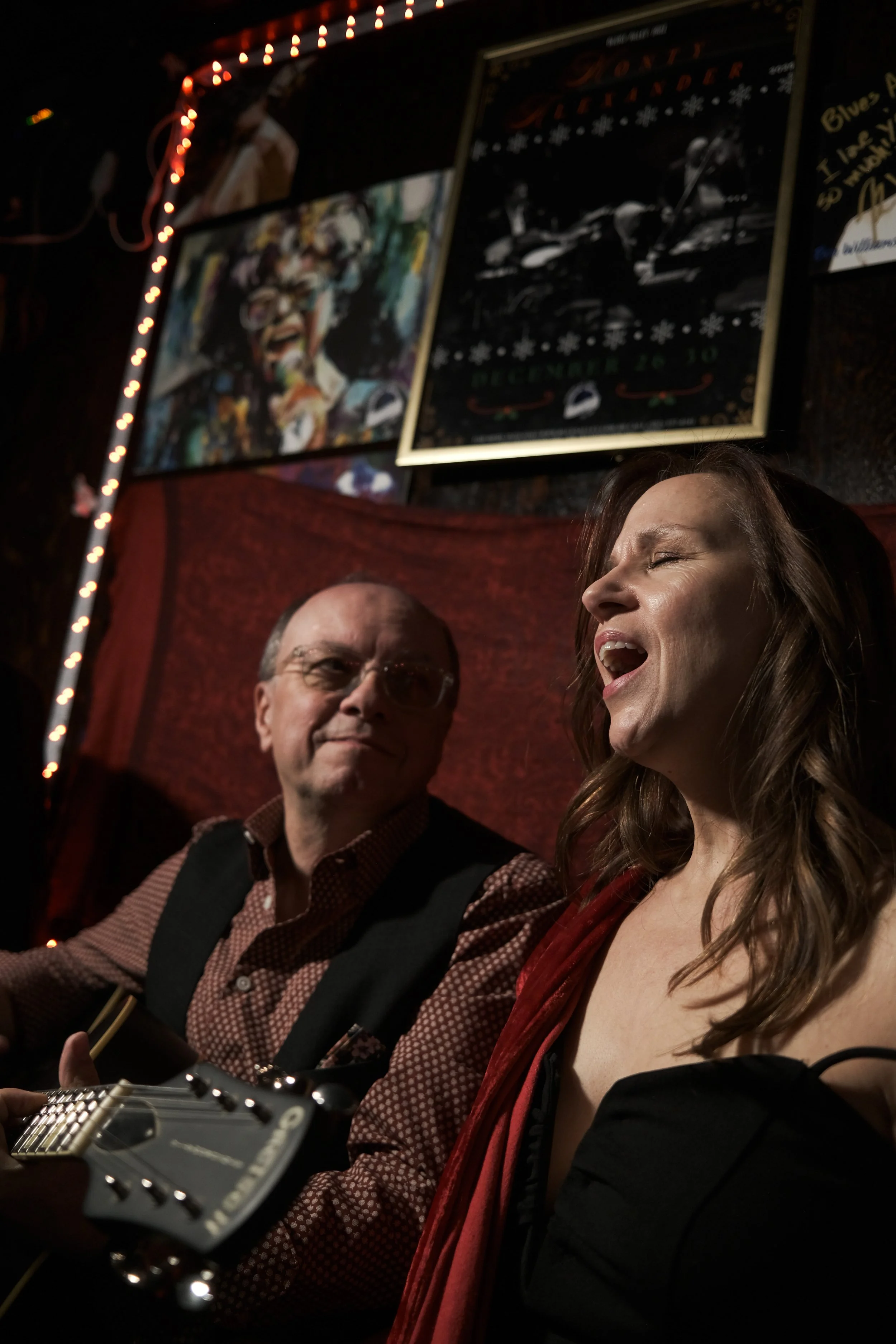
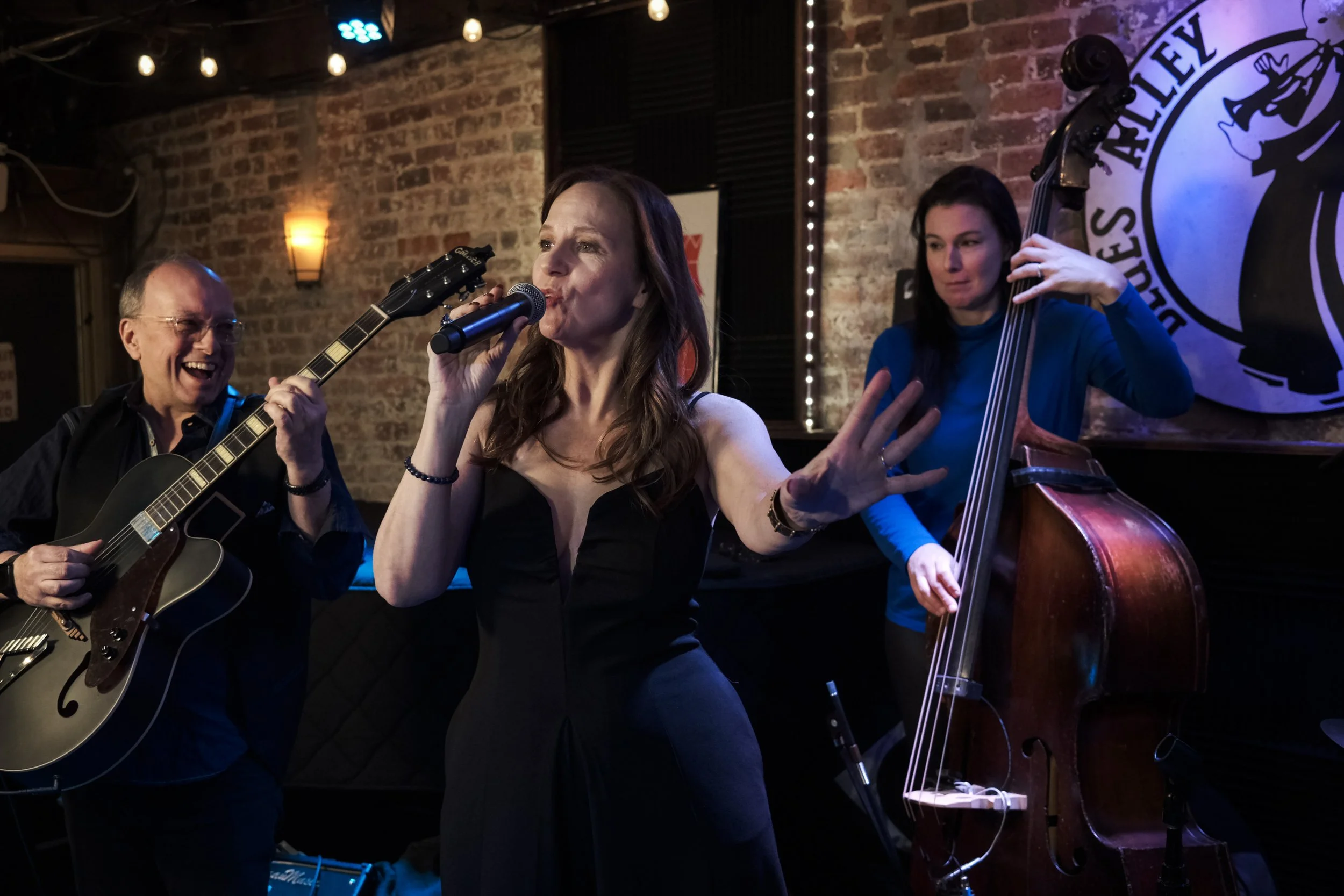
I’ve had a couple of fun shoots for local musicians recently, artist friends I like and admire tremendously. Lynn Veronneau and Ken Avis are the married couple of the outstanding world music (for lack of a better shorthand, sorry guys, I know you read this newsletter) group called Veronneau. I did promo photos for them many years ago, we caught up again last month at DC’s famed Blues Alley in Georgetown. In a twist, Lynn has also been taking my photo workshop lately!
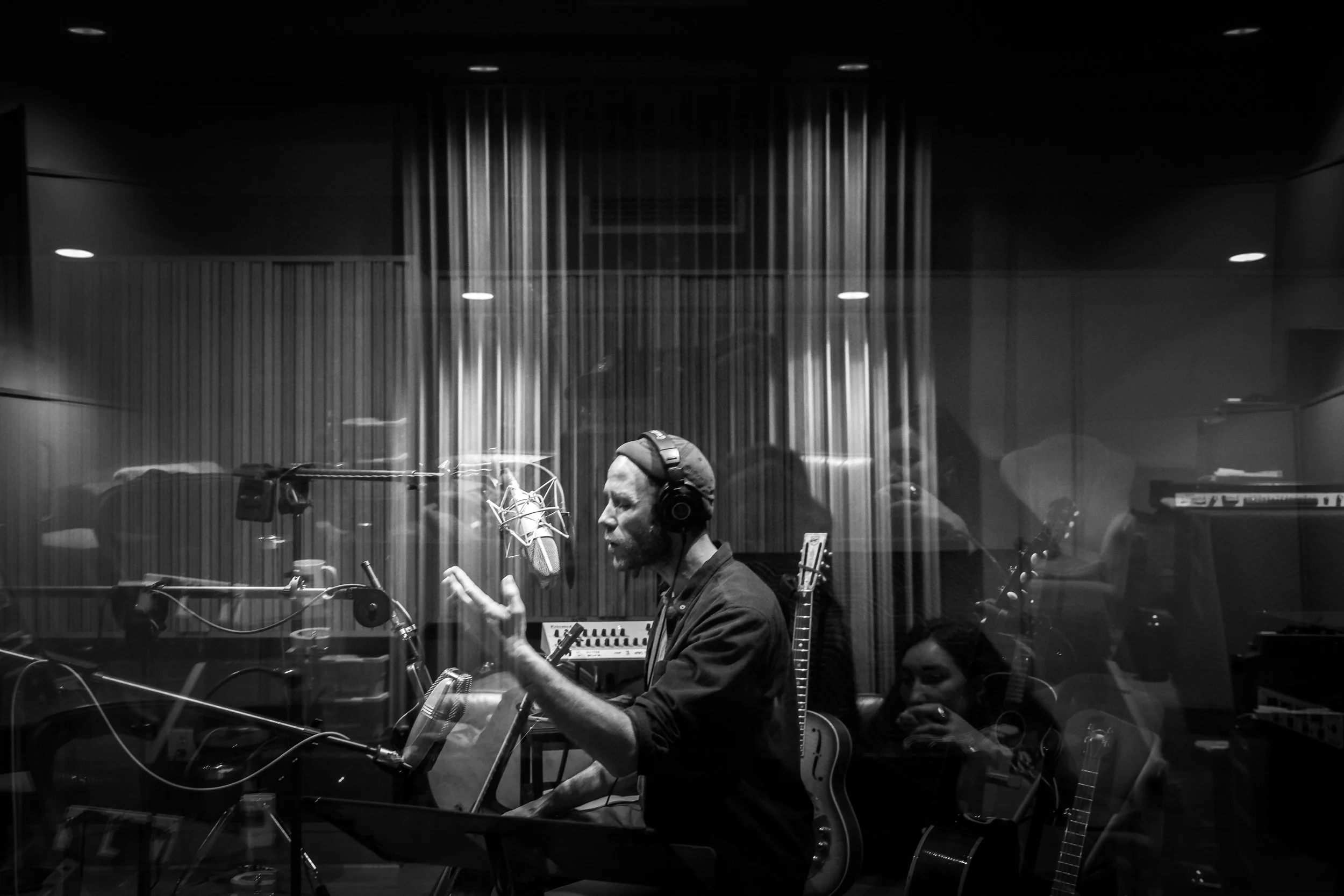
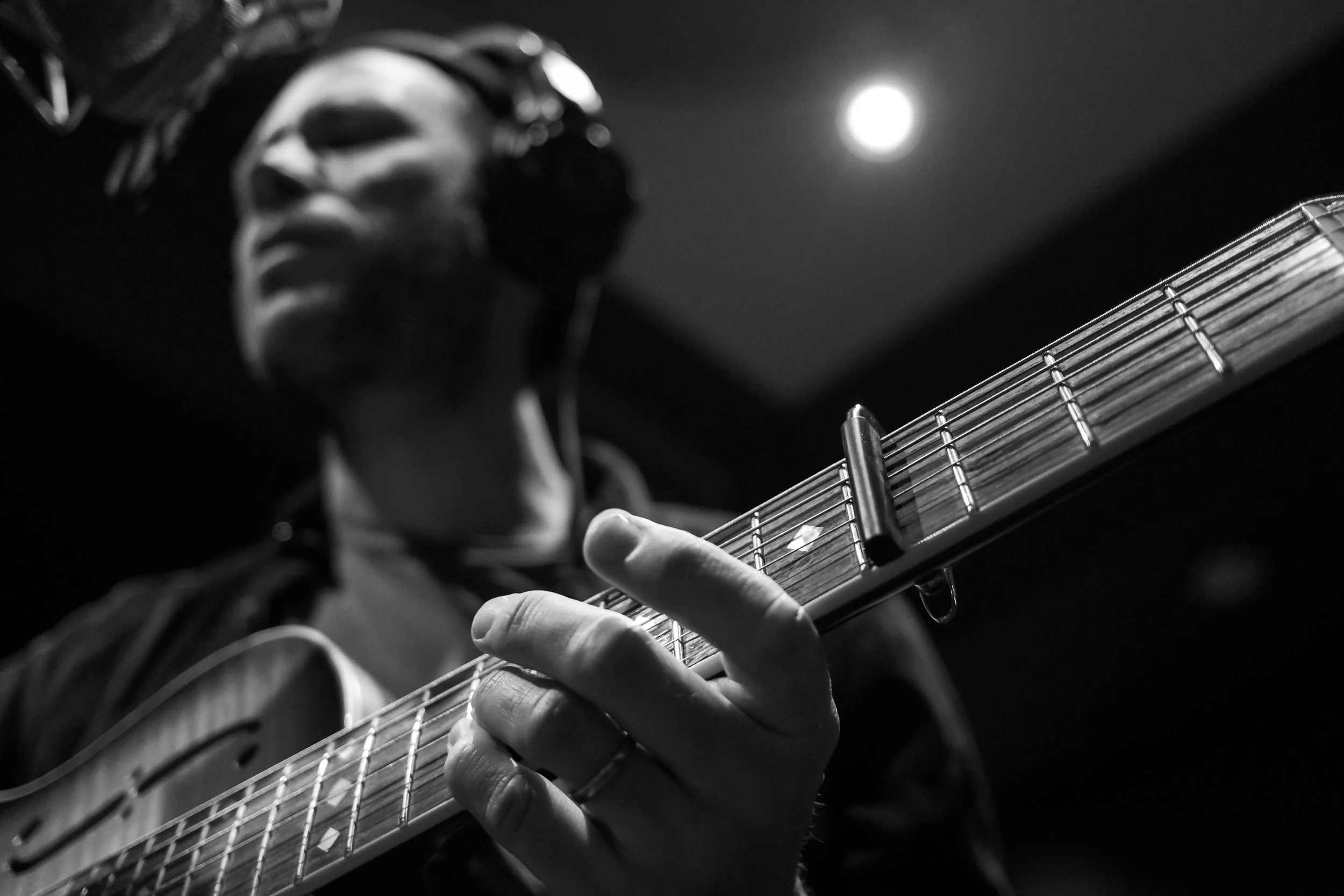
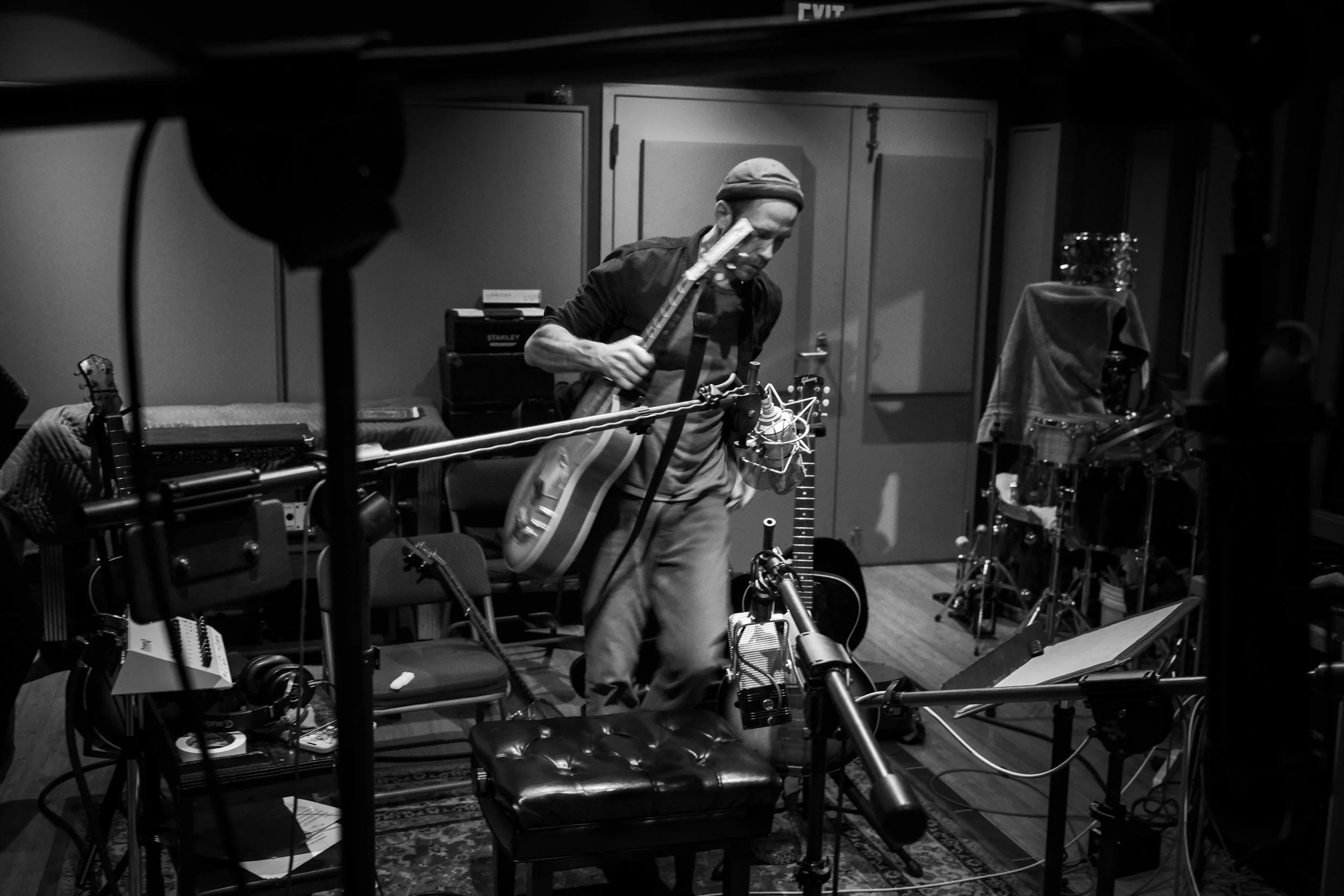
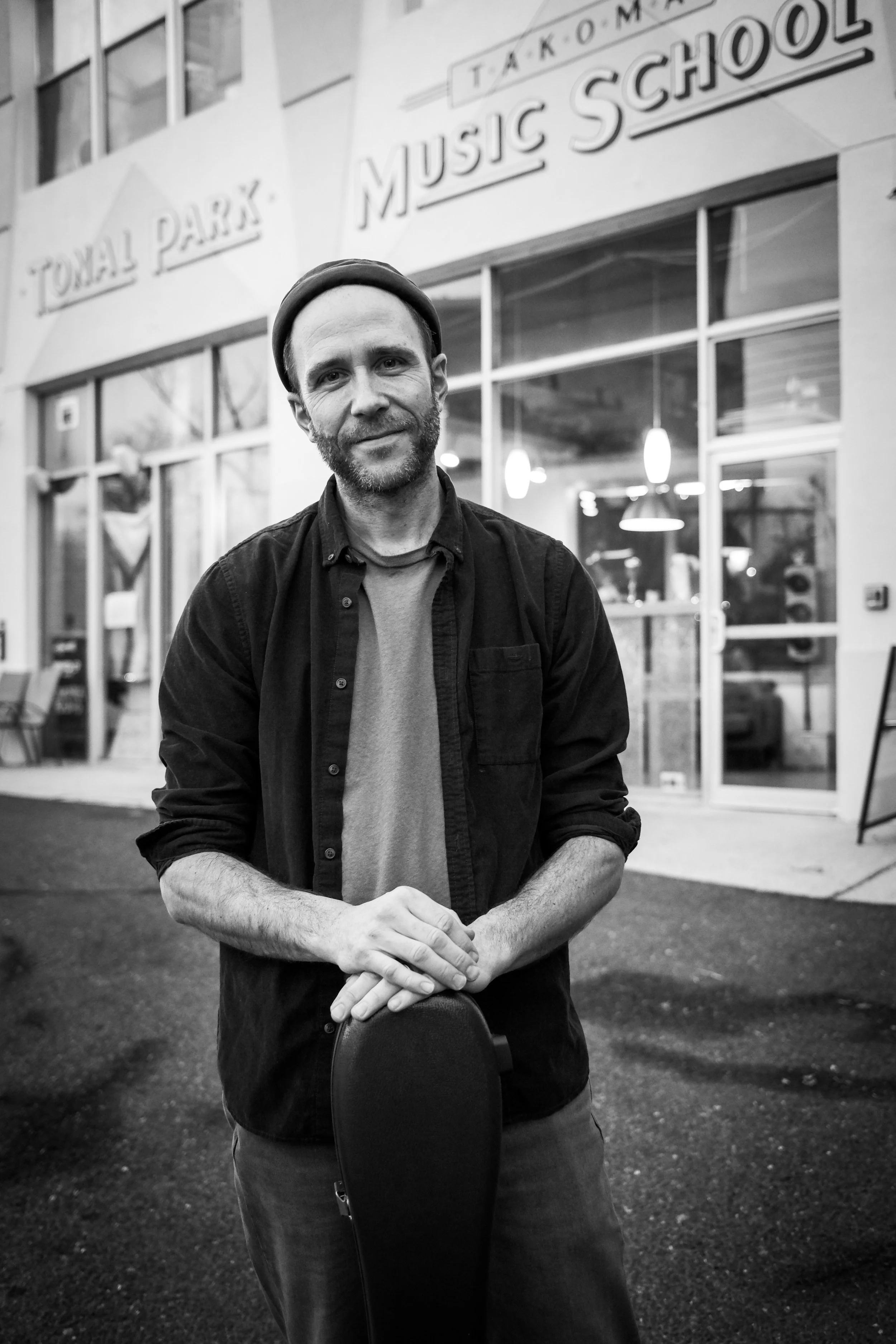
Cory Seznec is another formidable talent and a great guy. I met him in an interesting circular sequence: last summer he reached out about possibly renting our open apartment, he and his family were expats in Paris coming to Takoma Park soon (he ended up renting a different house right across the street from the former childhood home of Takoma Park’s most famed guitar-son John Fahey - not an exaggeration to call Cory a worthy successor to Fahey). My daughter and I ended up in Paris while Cory was still there, so he invited me to play at an open mic on a beautiful canal boat where he was the featured performer. Now we’re both here and he’s taken part in our recent Vocal Takoma pop-up poetry-song events. He just finished recording a suite of songs at Tonal Park studio and wanted some documentation.
So I’ve been staying busy but pressure is building to get a proper job.
One problem is I’ve never really had to do a proper job search. The last time I was worried about it, when photo freelancing started faltering, a photo teaching job fell into my lap and I stayed fifteen years.
I got my first job at age 16 at Rodman’s, a general store near the house where I grew up, because I walked in and applied. In my salad days while playing in bands and going to college I worked as a Vespa courier in DC, in a record store, plus stints as an office temp, a doorman at a new wave nightclub, and a shipping clerk. Almost took the test to be a limo driver but didn’t go through with that. None of those were hard to come by.
Also almost joined the army at 18 and just barely got out of it by the skin of my teeth, that’s a whole other saga.
Briefly moved to London for music. Briefly taught English in Prague.
I finally gave up on bands and music, I just didn’t feel it was ever going to go anywhere. My father taught me photography and it became my marketable skill, my ticket.
For the most part, my working life as a photographer has fallen neatly into a few chunks:
Newspaper photojournalist. I did an unpaid internship for six months because I knew I would kick ass and they would give me a proper job, which I did and which they did. Three to five assignments a day, on hand-rolled Tri-X film, printed in the darkroom on deadline, captions taped to the back of the print as soon as it dried. Later we learned to scan our film for this new thing called Photoshop.
Freelance photographer. Later I shot for a lot of newspapers, like Patuxent Publishing and the Washington Post (thanks Lucian Perkins) in their photo heydays, later the New York Times and various European publications. Weddings, when ‘photojournalistic weddings’ were the new thing. For bands like Thievery Corporation. Made a decent living for over ten years. I developed long-term personal projects like my book The Waiting Room.
Photography teacher. In 2008, I was on a roll with an artist residency in Romania back-to-back with a solo exhibition in Warsaw. But when I got back from Europe the freelance landscape was looking dire and I had a two-year-old kid. Right on cue, an old friend called me about a full-time job opening teaching darkroom photography at a prestigious private school. I had never taught and wasn’t looking for that, but a week later I was working there. Teaching was certainly full of challenges but it was an amazing experience and I kept doing projects and various collabs on the side.
In 2023 I swallowed hard and finally left teaching when we moved to Nairobi, Kenya for my wife’s job. I wasn’t allowed to work there but did some unpaid photo workshops and mentoring in the Kibera slum.
Along the way, after 10-15 years of not touching my guitar, I was invited to join the band Dot Dash. I had to re-learn how to even play guitar, but after a few years I started to have ideas again so I left the band to make my solo album New World Voyage, a concept album about the first humans to leave Earth forever for Mars*. It’s more of an art project, it includes a 40-page booklet using my photos, some NASA photos, and a made-up ‘communications log’ to suggest the fate of my imagined space-faring crew.
*Spoiler: for me, going to a place that has zero of what humans need to survive is a terrible idea. I actually had a fairly lengthy debate about that with the bassist of Sigur Ros when I had the chance to meet them backstage a few years ago. He was of a more swashbuckling mindset about it.
I’m happy to have found my voice, literally/figuratively/creatively, in music. I still don’t expect it to ‘go anywhere’ but I love it and it’s intertwined in all kinds of ways with my other creative endeavors.
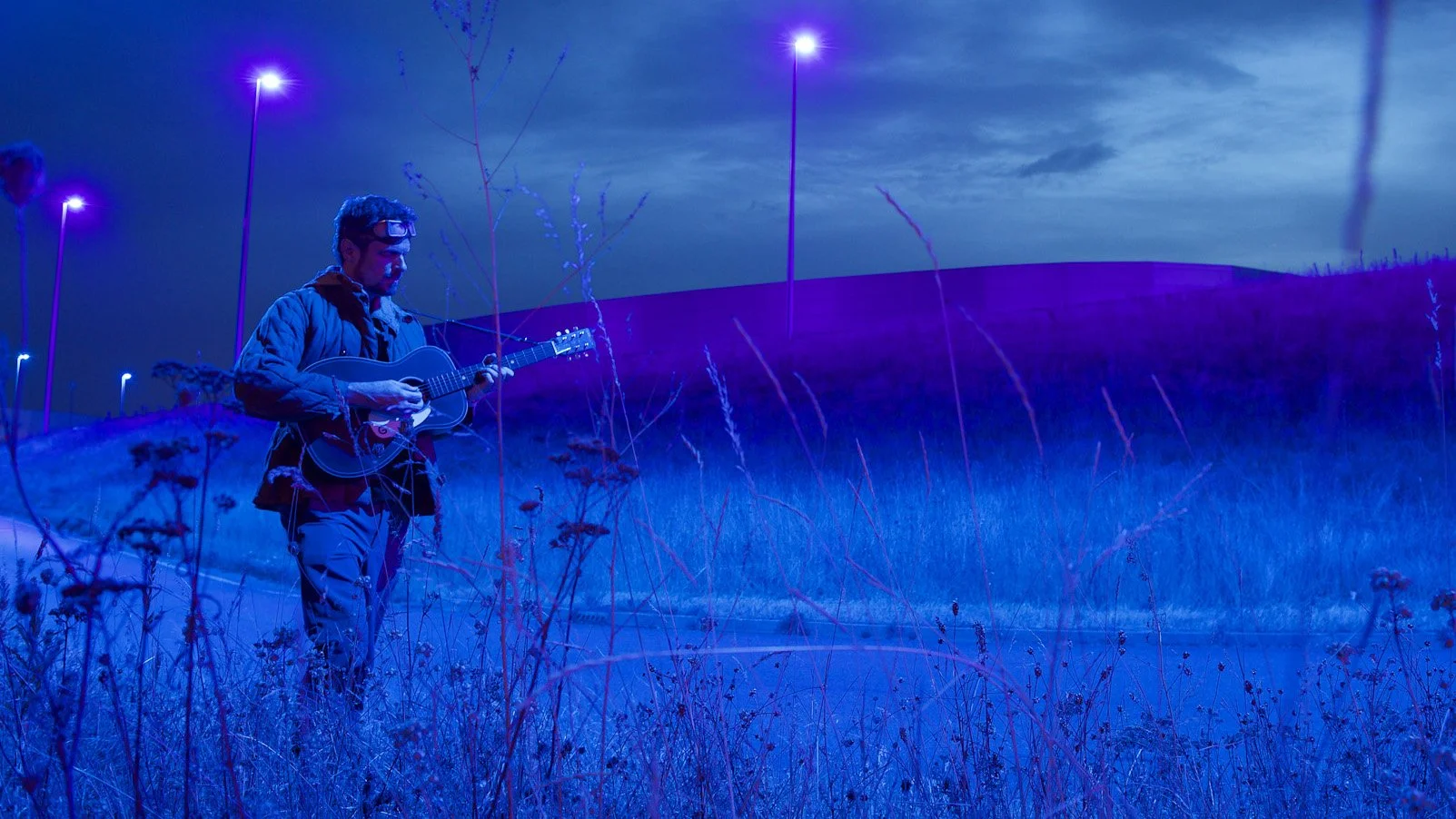
So here I am, now A Man of an (Un-)Certain Age, looking for work. What should I be doing? I admit I don’t quite know, feeling a little scattered.
Editorial freelancing isn’t what it used to be, and not sure I would go back to that. I shot a wedding in the Hudson Valley a few years ago and a bat mitzvah more recently for a former colleague’s daughter. Both went well, check my Events page. Guess I still got it. I did build my LinkedIn over many years, we’ll see what that brings now that I actually need it. While I’ll do whatever to keep the bills paid, hope I don’t have to become a barista or something.
With all that said, I’m really only interested in being useful in what I’m more and more calling the ‘fight for our humanity’.
For me, that’s the arts and culture. Arts education, art as community building, supporting artists. And of course doing my own art.
I’m just wrapping up my first in-person photo workshop, called See for Yourself, about developing your own creative vision. What I call authorship. To me that’s the only reason to do photography anymore. Hope to do the next installment soon.
I’m exploring other ways to use my refurbished garage studio as a gathering place, a creative hub.
Musically, I’ve been advocating for what I call ‘future folk’, or ‘folk futurism’. Which, yeah, is sort of what I try to do myself: stories that don’t look back but look forward. Imagining stories of the future so we can get there. I actually worry we have lost the capacity to imagine a positive future.
Stylistically, maybe even more than say blues or jazz or classical, the folk genre can be too trapped in amber, conjuring early Dylan, Woody Guthrie, et al. Or songs with overt, didactic messaging and a bit bound by ‘rules’ - and let’s face it, some often corny tropes. Which is a bit odd since Dylan shattered all the rules. This is not what I have in mind. I think of folk as broadly encompassing, innovative but still simply ‘people’s music’. I’m interested in whoever is doing that in new ways that carry us forward.
A new (future) folk movement, who’s onboard? I’ll be talking about that - and playing a few songs live - on Takoma Radio on January 29th from 7-9pm, co-hosting with the ‘Night Nurse’, Madona Tyler LeBlanc.
I can’t help but feel like the hollowing-out and diminishment of the arts is part of what has brought us to this point. Not that we ever fully win, but maybe art is what has been keeping the wolves of our nature at bay. There’s the joke that the world has gone to shit since David Bowie died but in a general sense there’s something to that. Maybe our art-heroes were in fact protecting us and pointing the way, as I often felt when I was younger. Not sure we really have that now and we see the result.
Where are the new heroes?
Meeting a Photo Hero, Again
Karma takes a strange turn in a reunion of sorts
[Originally published on Medium in summer of 2024. I wanted to get it archived here on my own site, with a few minor updates.]
Something remarkable happened to me not long ago but you need the backstory, I’ll make it short.
In 1998, I attended a documentary photo workshop in Prague as part of my effort to pivot away from newspaper photojournalism, which I had been doing professionally for a few years. I was trying to start over and rebuild on a foundation of personal vision.
Vojta Dukat
During the workshop we had a guest speaker, a Czech photographer named Vojta Dukat.
We were told he was great but little-known, an idiosyncratic, elusive character. We were lucky, he just happened to be in Prague at the time from his home in The Hague, Netherlands, where he had emigrated after the 1968 Soviet invasion of Prague. [Note: I’ll save you the time, he doesn’t have a website or much online.]
He came into the classroom, all massive beard and rumpled overcoat, and said to us ‘ok, I will show you my photos’.
He pulled a stack of small work prints from a plastic bag in his coat pocket and spread them haphazardly across the table for us to look at. The printing paper was nothing fancy.
I was floored. Each image was quietly evocative, loaded with old-world mystery, timelessness, and atmosphere. As good as any work I’d ever seen.
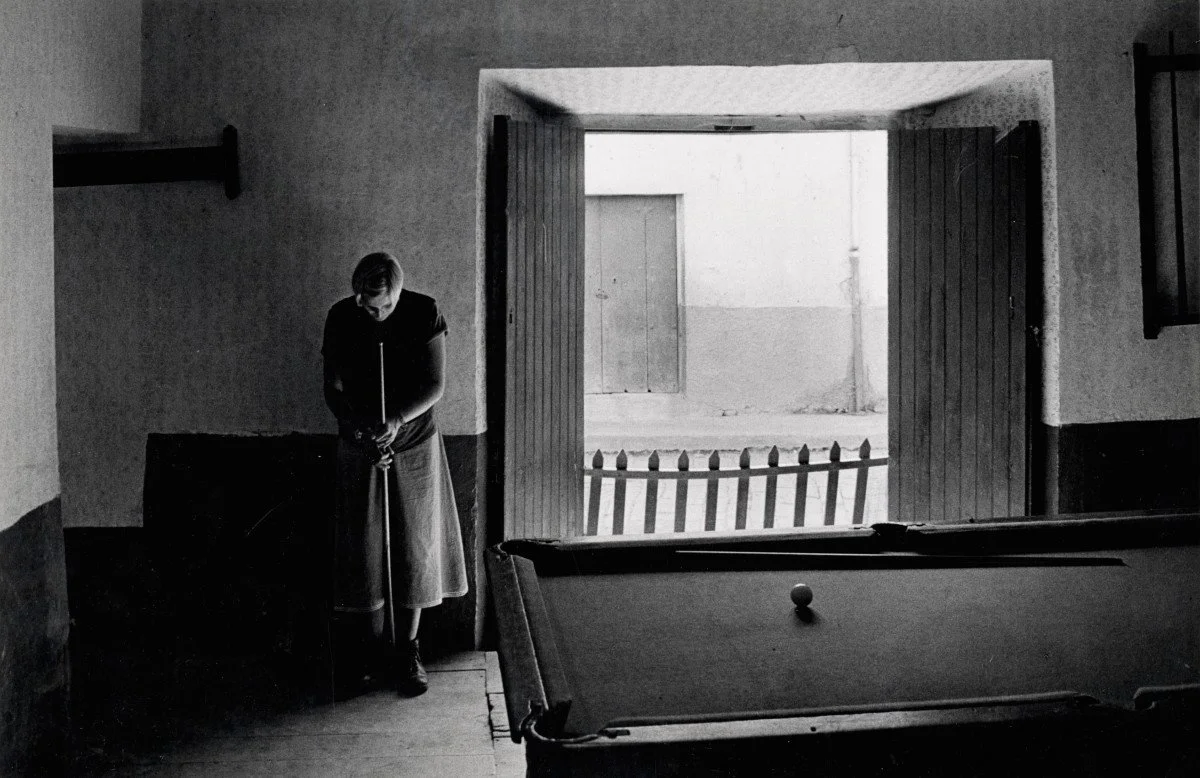
This was the direction I craved for my own work. So later that same day I urgently sought him out to get feedback, hoping he’d both affirm my talent and impart to me some secret-sauce wisdom to elevate my game. After all, I was already a ‘professional’ photographer, at a workshop alongside amateurs.
Maybe you can see where this is going.
On that sunny day I found him in a darkened basement pub just steps away from Charles Bridge. After patiently looking through my portfolio, he matter-of-factly dismissed my work — and dismantled my ego — in a matter of minutes.
“I’m sorry, but these photos don’t do anything for me.”
Floored again. I know what you’re thinking. As many friends suggested later, I could ignore his opinion, ‘screw that guy telling you about your art’.
But I had asked, even chased him down - and in that instant I understood completely that he was right. My pictures were a somewhat disjointed hodgepodge of photojournalism outtakes. Something I might offer a photo editor to show how I could handle a range of assignments. It wasn’t that they were bad (they weren’t) but that it simply wasn’t the cohesive, poetic vision I was seeking.
I was in anguish. It wouldn’t be until a bit later that I would recognize the gift he had given me.
I resolved that instead of breaking me it would drive me to play the long game, I would be relentless in setting the bar higher and digging deeper. For the next ten years or so that’s what I did.
Not to be more him but to be more me. I actually started the next day, photographing Prague’s tourist carnival that I would normally flee from.
It was a start. Over time I did get not just better and more stylistically coherent photos - what I now call authorship - but a deeper understanding of how your sensibility needs to infuse your work. This is something I learned not just from Vojta but from Viktor Kolar, another amazing Czech photographer I met at the Prague workshop. Viktor to me is maybe the epitome of quiet poetry in photography, and finding that poetry in your own environment (in his case, his industrial hometown of Ostrava).
When I started in photography Josef Koudelka was one of my first inspirations, maybe the best-known Czech photographer. He’s a master of intense, surrealist poetry culled from life. So I owe a lot to the Czechs, and I like them, which is I guess why I talk about them a lot.
Personal vision became the cornerstone of photography and my teaching. You get better when you become more you. The world doesn’t need more cookie-cutter images.
And it started in part with one guy’s simple but brutal honesty, that thankfully I chose to embrace rather than reject. I have had many who inspired me, but he was perhaps the most pivotal.
Um, cool story Bill but why are you telling it now, so many years later?
Because in the summer of 2024 I ran into Vojta by chance in a Dutch train station.
Yep. While visiting in-laws in The Hague, my daughter and I were scrambling through the main train station on our way somewhere, searching frantically for our platform. As we came down a long escalator, out of the corner of my eye I saw a bearded older guy with a walker way down below in the crowd. He was headed for the elevator, three more seconds and he would have been out of sight and gone.
There was no question in my mind. I called his name.
We had just been in Prague and I had talked about Vojta with my old Czech photographer friend, who happens to be good friends with him. He had mentioned Vojta was doing well but had had some kind of bad injury recently. Now here he was, just days later. Crazy.
I wouldn’t say we had a profound conversation and he didn’t particularly remember me. The whole thing was over in a few minutes. I did manage to thank him, briefly recount our previous encounter (I think I stuck with something like ‘you looked at my pictures and it helped me a lot’), and talk about our mutual friend in Prague. I made sure my daughter took a few photos. As his bus pulled up and he hobbled off, he winked and shouted his email address.
I was floored once more (for old times’ sake). I couldn’t get my head around it. What did it mean? Something just came full-circle, what was karma trying to tell me? I have no idea. Maybe it was just a cool coincidence.
Curious about Czech photography? It’s a fascinating and unique creative legacy, with strong roots in surrealism, going back at least a century to the one-armed ‘poet of Prague’ Josef Sudek. Check out the great Fototorst book series, which includes Sudek and the only readily available book of Vojta’s work (my Prague workshop instructor, a well-known US photographer and educator, was equally struck by the work and offered to help him get published but Vojta replied ‘I don’t think you are the one to discover me’). Other photographers I recommend include Josef Koudelka, Karel Cudlin, Tomki Nemec, Bohdan Holomicek, and Viktor Kolar.
A Few Updates
Has it been almost a month since I last posted a newsletter?? I guess I should be used to the swings by now, some weeks the ideas and words flow more than others.
It’s not like there hasn’t been stuff going on. Let me at least play catch up this week.
(This is actually the 2.0 version of this post. Squarespace glitched when I tried to save my first finished draft, lost everything. Which was awesome.)
Music
We managed one more Vocal Takoma popup song/poem circle recently before the weather turned too cold. This time with an actual PA, thanks to a battery generator the city bought for us. It made a huge difference in, you know, people *hearing* us.
David Alberto Fernández
Caleb Wissoker-Cohen
Bill Crandall
Bill Crandall and David Alberto Fernández
Deniz (of Magic Carpet)
Luther Jett
David Camero
Vocal Takoma is not really a group, there’s a small core but it’s more like whoever shows up. And anyone with a song or poem can step up (as they have). My partner-in-art David Alberto Fernandez is using his poet laureate status to try to expand what poetry is and what it can do, especially in this moment we’re in. The idea is putting art where people already are, sort of soapbox-style, helping artists be more seen/heard/vocal. Now we’re moving the model indoors for the winter, figuring out what that might look like.
Some exciting possibilities, stay tuned. I actually believe the revolution starts with stuff like this. See the Czechs' playwright president or the the Singing Revolution in the Baltics.
Photography
I’m part of a group show with the Takoma Artery collective that’s opening at our local community center on Friday. I’ll have 2-3 photos from my Nairobi body of work, one made the lead in our local newspaper.
Freelancing
Since I do have to start making some money asap, I’ve been gearing up for photo freelancing again. Even though I did it for so many years, I don’t really know what freelancing means anymore or what the prospects are. Guess we’ll see. I’m starting a portrait service out of my art-garage studio for starters, and I’ve added some portraits and events photo samples to my site. More soon.
Let me know if you’re looking for:
a new headshot
creative documentation of you, your project/event/band/book, business, etc
photo mentoring or consulting
a quick workshop on getting better photos with your phone, or a more advanced one on being a ‘photo author’
copy photos of your artwork
I offer discounts for the needy. Like fired federal workers, of which there are thousands in these parts. In our small neighborhood alone - one small pocket of one small town right outside DC - a neighbor told me he knew of maybe a dozen families with one or both breadwinners thrown out of work. With mortgages and kids at university.
You can also support me by buying prints from this site for your holiday shopping, take a look here and see what strikes you. With a few clicks you can have high-quality framed photos delivered, as I’m doing for my Takoma Artery show prints.
I guess one common thread in all this is starting where you are. I love where I live, and I’m still happy to be reconnecting and figuring out the path forward since living overseas. I’ve been trying to walk more and I got a Capital Bikeshare membership, the e-bikes help me get around this hilly town. Fit I am not.
Another thread is how in times like these it’s important to attach yourself to groups to leverage your efforts. Don’t always try to go it alone. Even my new garage studio I’m planning to use as a community art-hub.
Power on, people. The horrors are daily and the hope can seem like slim pickings, but focus on those moments when it feels like just maybe things are starting to tip back towards sanity and light, and give it a little flap of the proverbial butterfly’s wing. On other (worse) days, make some art, it helps. Talk to you soon.